— SELESAI —
Terakhir diperbarui · May 30, 2026 · riset independen, tanpa sponsor.
We use minimal analytics + ads (no personal tracking). See our privacy policy.
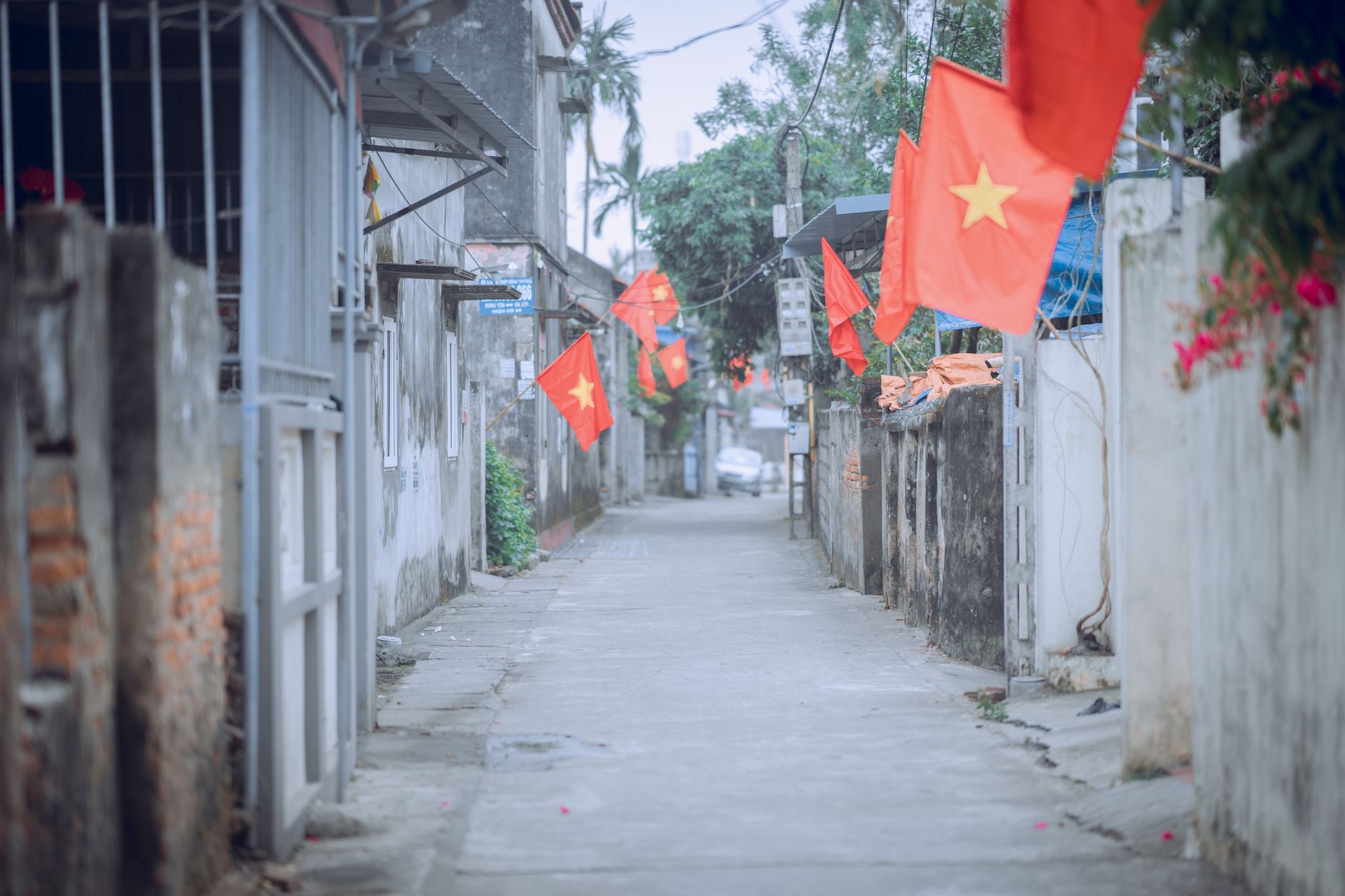
Navigating Vietnam's winding alleys is easier when you have a few phrases in your pocket. Here is how to ask for help without relying on a screen.
Terakhir diperbarui · May 30, 2026 · riset independen, tanpa sponsor.
Artikel lain tentang kota ini.

Winter in the north is damp, grey, and surprisingly chilly. Forget the tropical gear and pack for layering to survive the humidity.

…
Hotels, homestays, hostels — strongest inventory in Vietnam.
Thousands of foreigners teach English or freelance in Vietnam on tourist visas. Here is what Vietnamese law actually says, when it gets enforced, and how to do it properly.
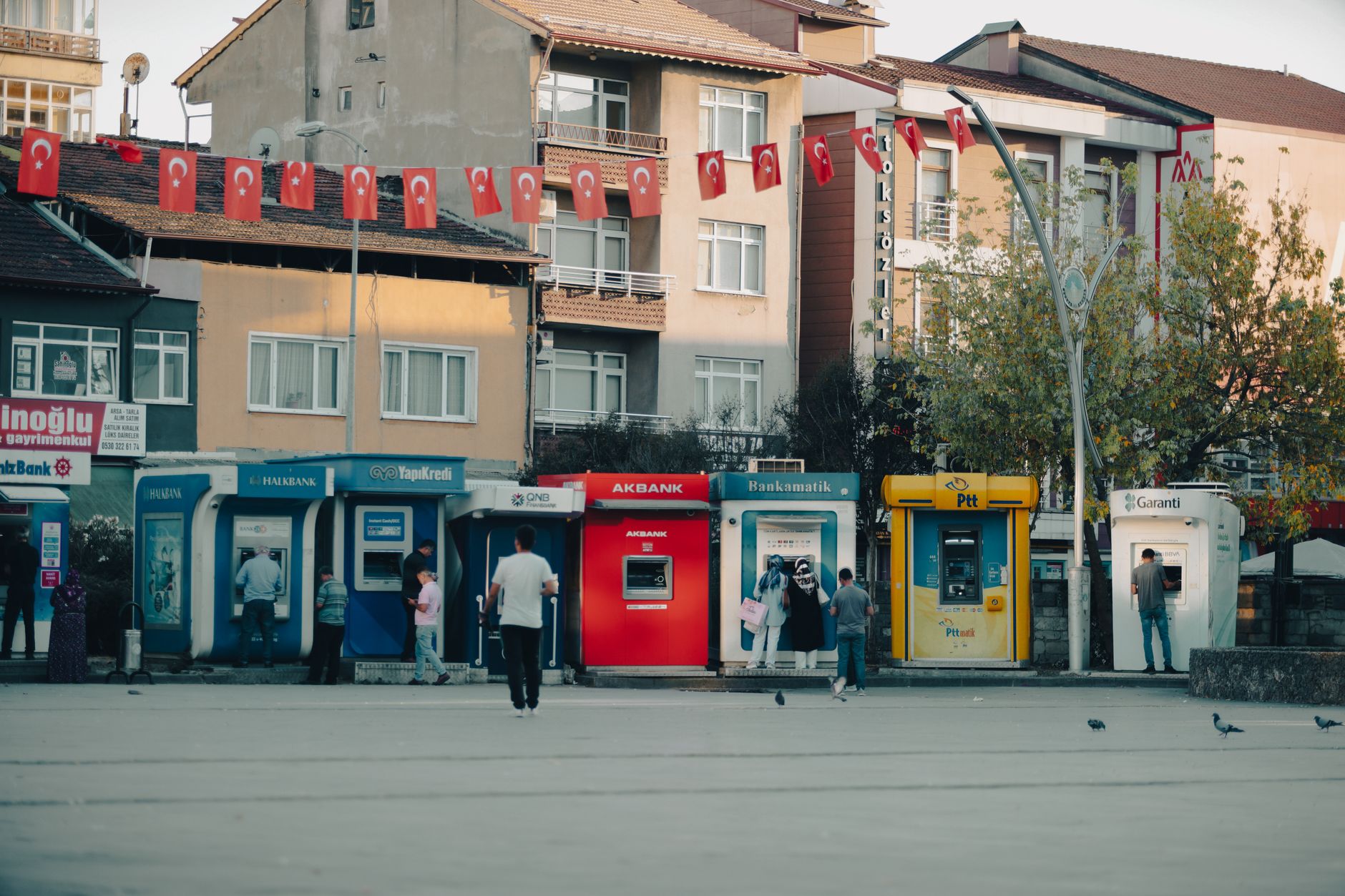
The Wise debit card works well in Vietnam if you know the fee structure. Here's how to use it at ATMs and merchants without losing money on bad rates.
Artikel lain di wilayah ini.

The Wise debit card works well in Vietnam if you set it up right. Here's how to avoid fees, use the VND balance, and when it beats alternatives.
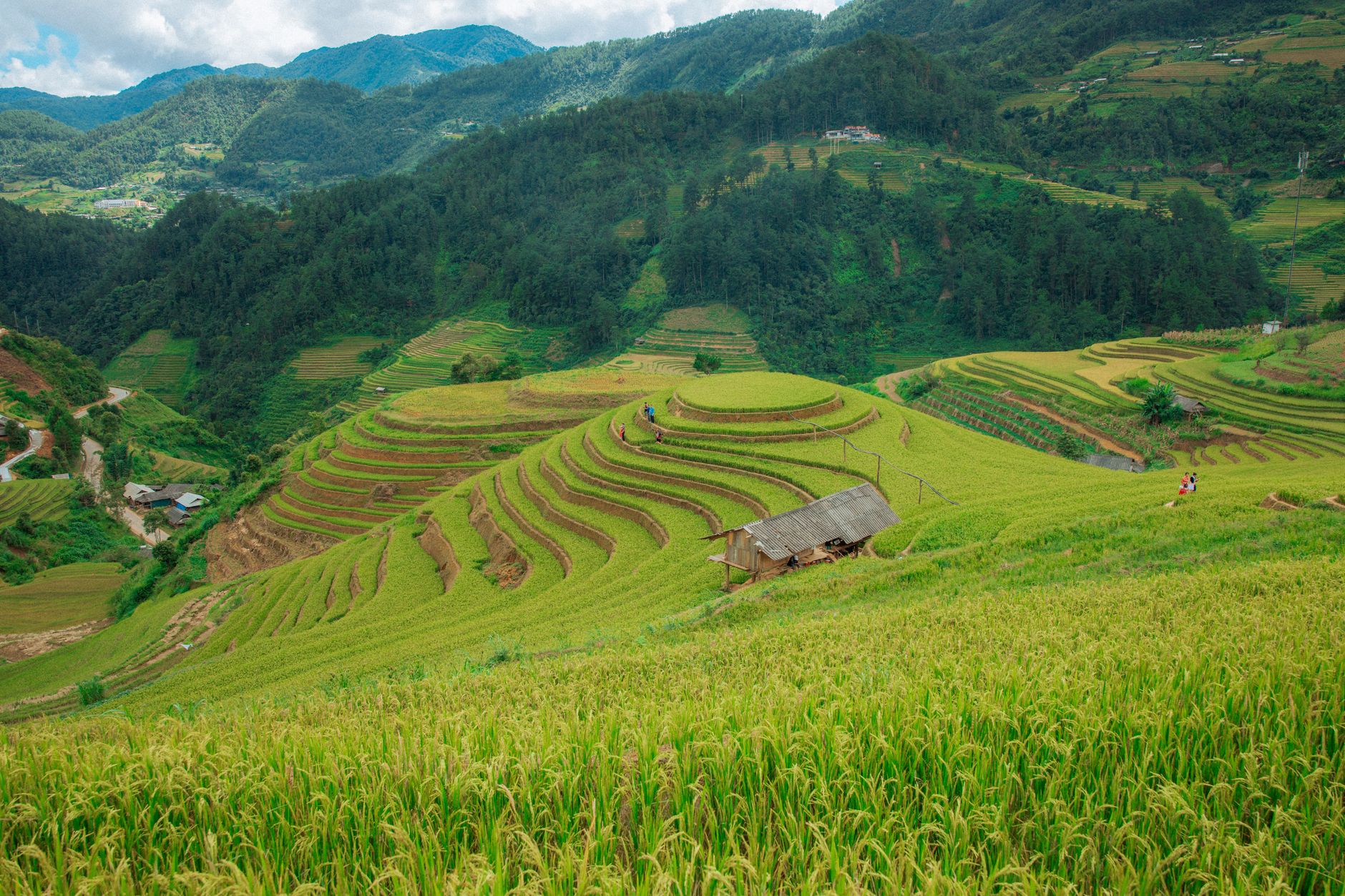
Vietnam's wellness scene has matured fast. Here's how to spend 7 days across four retreats — Hoi An, Da Lat, Phu Quoc, and Mai Chau — depending on your pace and budget.
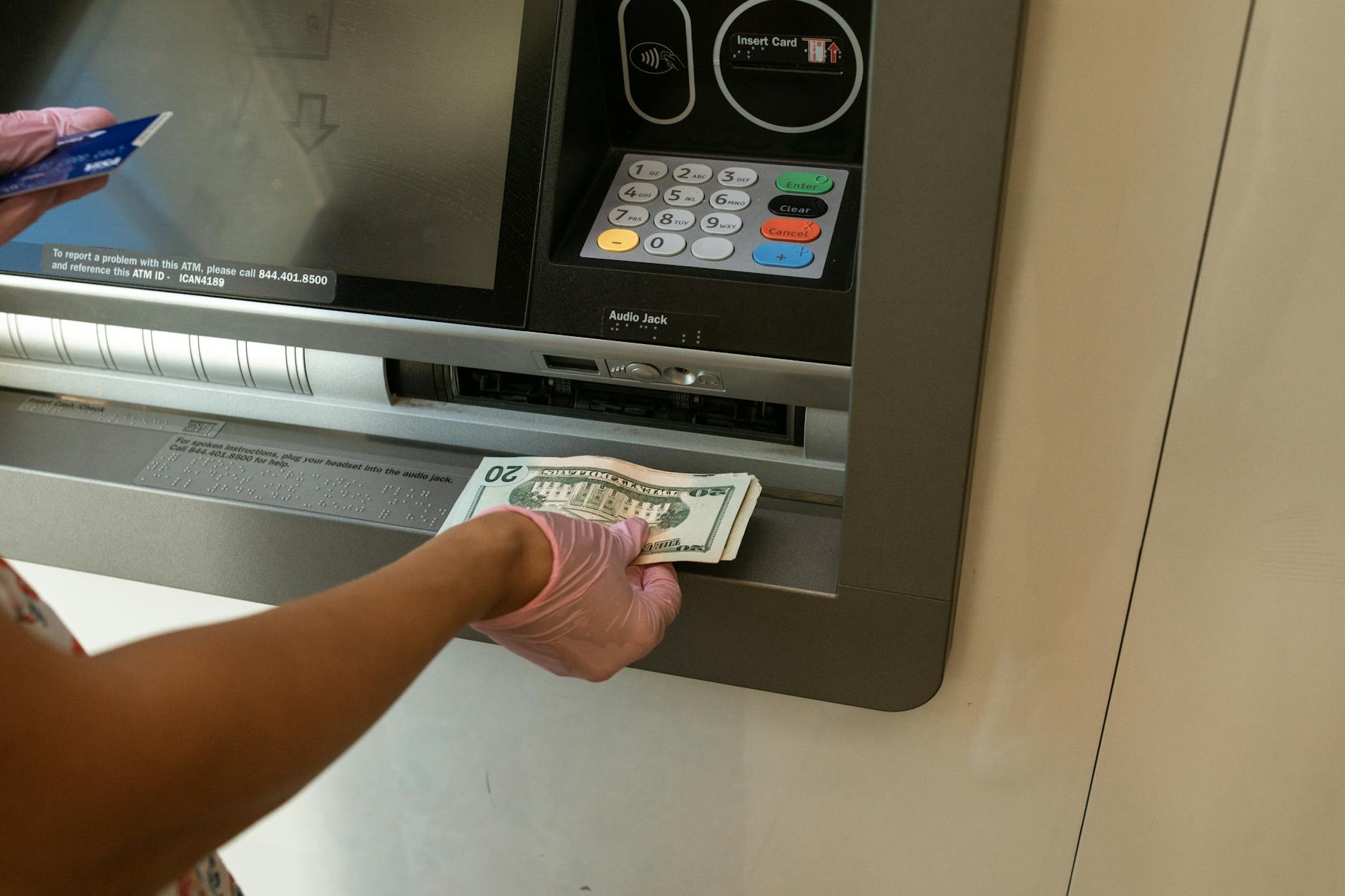
Vietnam runs on dong, but there are real situations where USD cash matters. Here is where you can actually pull USD from an ATM or bank counter.
More articles from the same category.
Forget the heavy gear. Packing for the Mekong Delta is about managing humidity, protecting your skin, and staying mobile on the water.

Wise works for sending VND to Vietnamese banks, but the process has quirks. Here's what fees to expect, which banks receive fastest, and why transfers get rejected.
Fees, speeds, and bank coverage compared for the three most-used international transfer services into Vietnam — so you pick the right one before you send.
Forget the resort-brochure packing lists. Here is the gear you actually need for Vietnam's coast, from the sands of Da Nang to the islands of Phu Quoc.
Mastering basic time and day markers in Vietnamese will save you from missed buses and confused taxi drivers. Here is the essential cheat sheet for your trip.

Most travel insurance policies have gaps that matter specifically in Vietnam — motorbike coverage, medical evacuation, and hospital payment methods. Here is what to check before you buy.
While most younger people in cities like Saigon or Hanoi have a working grasp of English, relying on a smartphone map in a dense alleyway can be frustrating. Knowing how to ask for directions in Vietnamese is not just about utility; it is a way to bridge the gap with locals who are usually happy to point you toward the nearest "pho" stall or hidden cafe.
Vietnamese is a tonal language, which can be intimidating. Do not worry about perfection. If you make a sincere effort, people will understand you, even if your pitch is slightly off. Keep your tone polite, smile, and use these essential phrases to get where you need to go.
This is your universal opener. Use it before you ask any question to a stranger. It is polite and signals that you are about to request assistance.
This is the most important structural tool. Simply place the name of your destination before this phrase. For example, if you are looking for the "Temple of Literature", you would say: "Temple of Literature o dau?"
If you are standing at a confusing intersection or a fork in a road, use this. It implies you are looking for the correct path forward.
This is perfect for finding necessities like a pharmacy, a bank, or a place to grab a "vietnamese coffee". If you are looking for a "banh mi" cart, you would ask: "Gan day co banh mi khong?"
Never skip this. A simple "cam on" goes a long way in showing appreciation for the time someone took to help you.

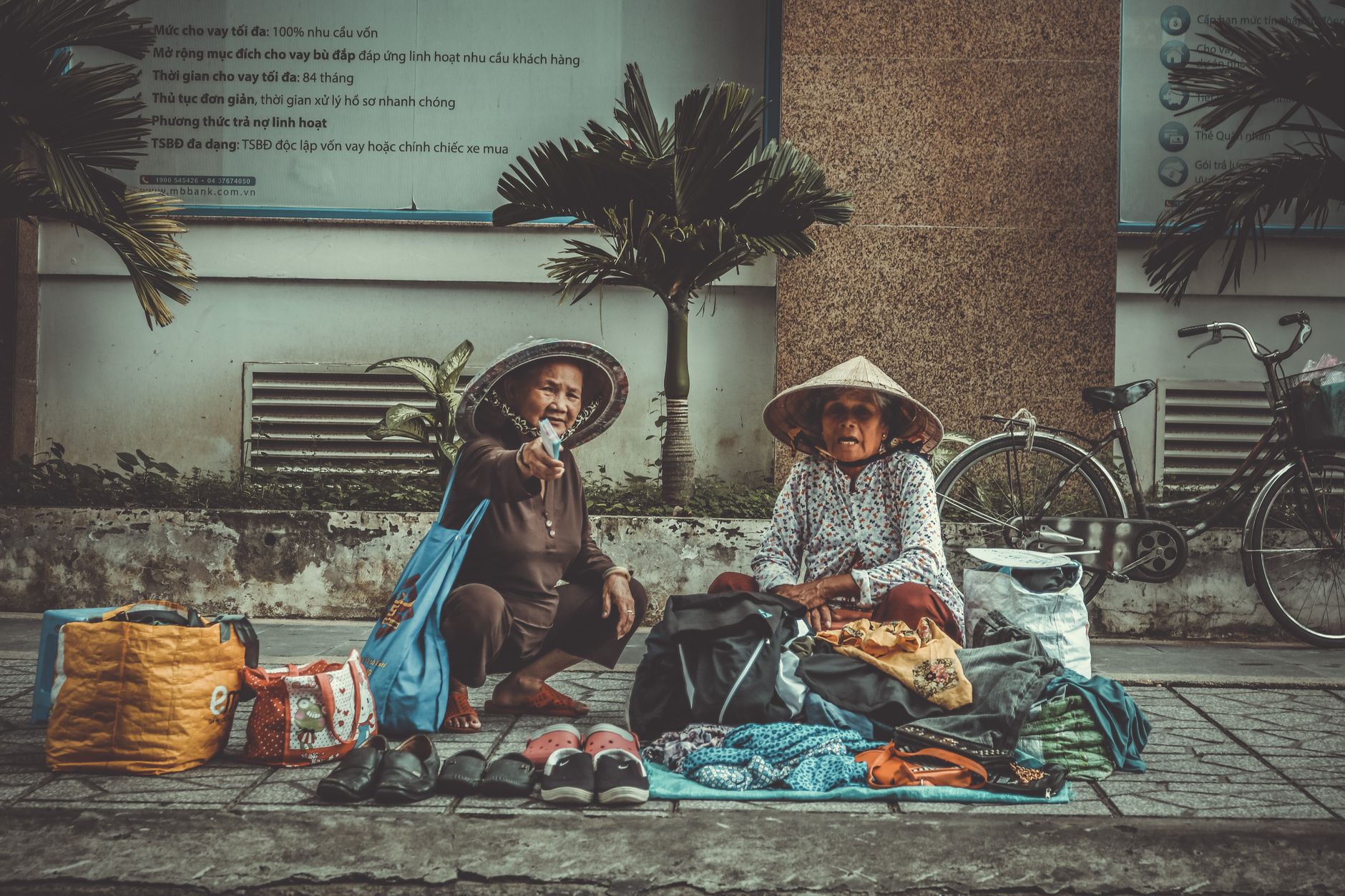
Photo by Toàn Đỗ Công on Pexels
In Vietnam (베트남 / 越南 / ベトナム), asking for directions is often a social interaction rather than a transactional one. If you ask a street vendor or a shopkeeper, do not be surprised if they invite you to sit down or ask where you are from. This is not a delay; it is hospitality.
When asking for directions, try to avoid stopping people who are clearly in a rush, such as delivery drivers or people in business attire. Instead, look for someone sitting on a plastic stool near their shop or someone waiting at a bus stop. They are usually more settled and willing to help.
If you are in a place like "Hoi An" or "Hue (후에 / 顺化 / フエ)", where the streets are narrow and winding, locals are very accustomed to tourists being lost. If you look confused, someone might even offer help before you ask. If that happens, accept it with a smile and a nod.

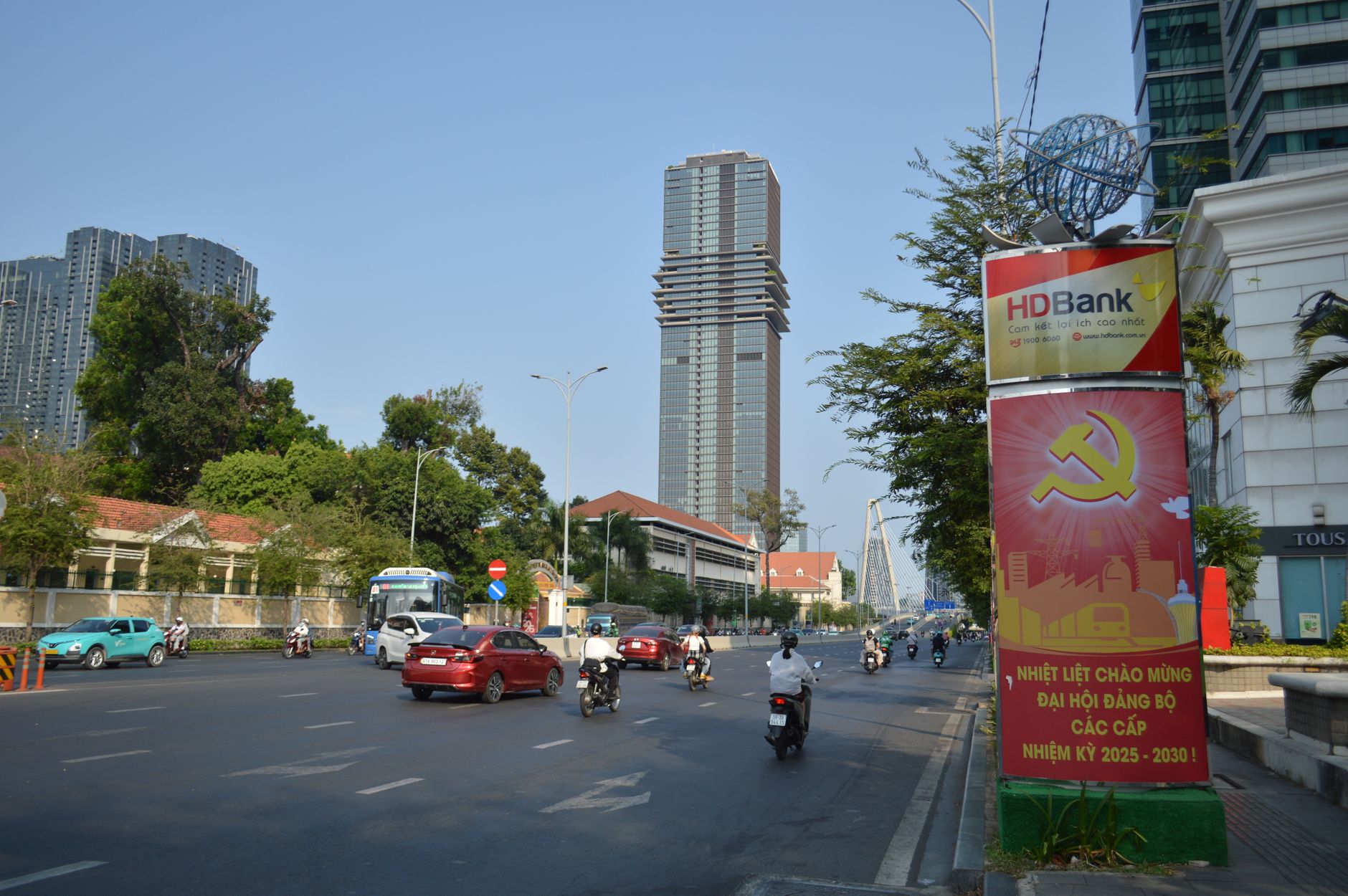
Photo by Nguyen Ngoc Tien on Pexels
Remember that Vietnamese is a language of context. If you are struggling to pronounce a specific street name, it is often easier to show the person a written address on your phone or a business card from your hotel. You can point to the address and ask "O dau?" while gesturing to the road. This combination of visual aids and basic phrases is the most effective way to navigate the country.
If you find yourself in a more rural area, like the mountains near "Sapa" or the countryside of "Ninh Binh", the locals may not speak English at all. In these cases, keep your phrases short and your body language open. A map or a drawing can often do the heavy lifting that words cannot.
Do not let the fear of mispronunciation stop you from engaging with locals. A few basic phrases will turn a stressful moment of being lost into a genuine interaction that makes your trip more memorable.