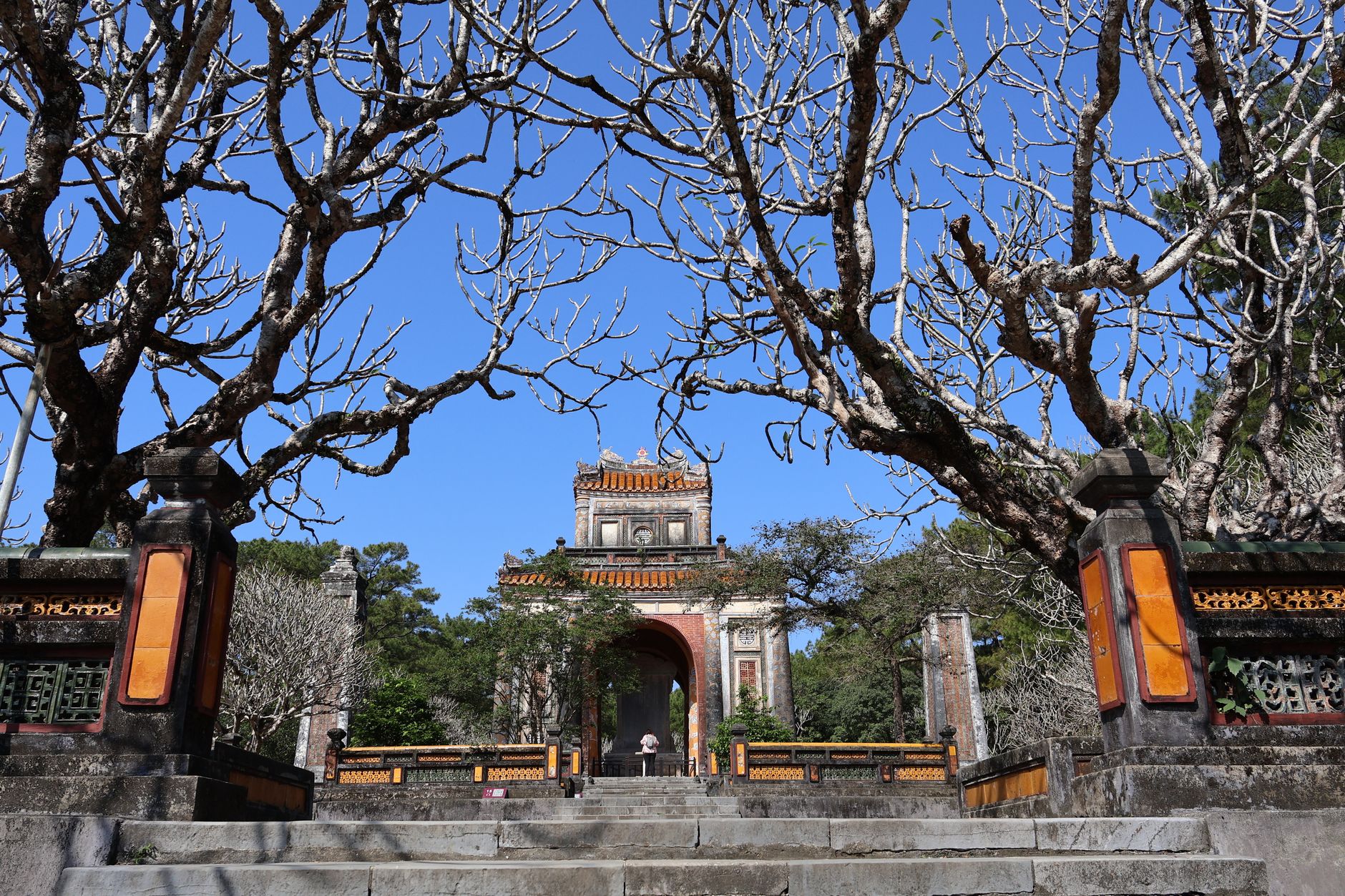
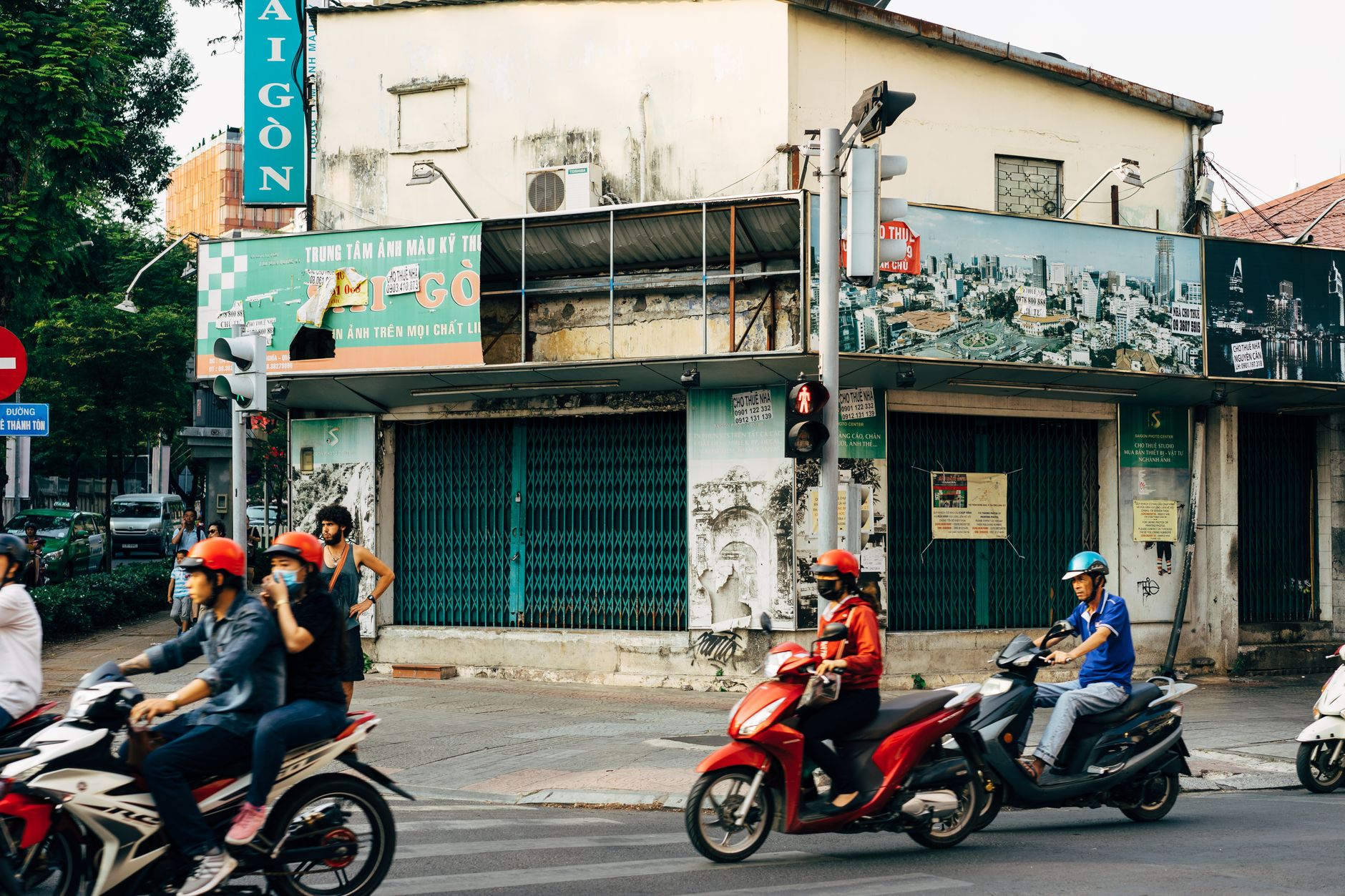
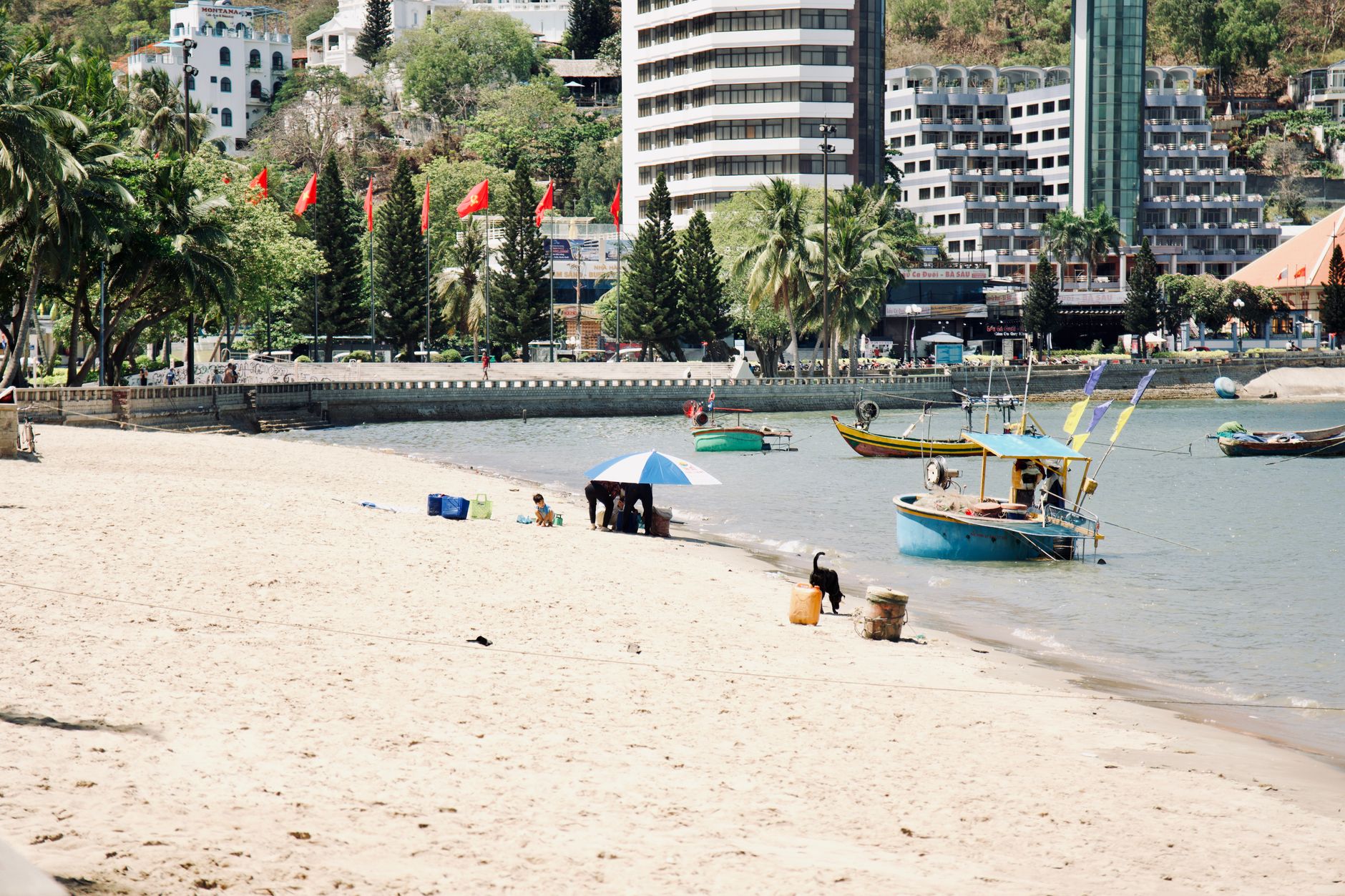
Day 1-3: Da Nang - The City of Bridges and Broth
Da Nang is often treated as a transit point, but it holds the most honest street food scene in the region. Start your first morning at a local market near Han River. Skip the hotel breakfast and hunt for "mi quang", a turmeric-infused noodle dish served with minimal broth, pork, shrimp, and a crunch of rice crackers. For a mid-morning pick-me-up, find a street-side stall for "vietnamese coffee"—the robusta beans here are dark and unforgiving, usually tempered with condensed milk.
Spend your afternoons exploring the Son Tra Peninsula or cooling off at the beaches. For dinner, head to the stalls near the Dragon Bridge. Look for "banh xeo", the crispy, savory crepes stuffed with bean sprouts and pork. The best ones are wrapped in rice paper with fresh herbs and dipped in a thick, fermented peanut sauce. If you have time, a quick trip to the Marble Mountains is worth it, but keep your focus on the food scene back in the city center.
Day 4-5: The Road to Hoi An
Getting to Hoi An from Da Nang (다낭 / 岘港 / ダナン) is a simple 30km drive. Skip the expensive private cars and grab a local taxi or a shared shuttle; it should cost between 300,000 VND and 400,000 VND. Once you arrive, the pace changes. The food here is distinct, relying on local herbs from the nearby Tra Que vegetable village.
Your first meal must be "cao lau". This dish is unique to Hoi An; the noodles are traditionally made with water from a local well and lye ash, giving them a firm, chewy texture that you won't find anywhere else in Vietnam (베트남 / 越南 / ベトナム). Eat it at a small shop in the Old Town, ideally one with plastic stools and a menu that hasn't changed in twenty years. In the evening, walk the riverfront, but avoid the tourist-heavy restaurants. Instead, find a spot serving "banh mi"—the local version is famous for its pate and secret sauce, popularized by shops like Banh Mi Phuong.

Photo by Kirandeep Singh Walia on Pexels
Day 6: A Morning at My Son
"My Son" is about 40km from Hoi An. The best way to see the ruins is to leave by 6:00 AM to beat the heat and the tour buses. Hire a driver for the morning; it allows you to stop at local roadside stalls on the way back. The site itself is a collection of brick towers built by the Champa Kingdom. It is a quiet, reflective space, far removed from the noise of the coastal cities.
Return to Hoi An by early afternoon. Use the rest of the day to explore the "ao dai" tailors or simply sit with a "lotus tea" in a quiet courtyard. For dinner, try "goi cuon" (fresh spring rolls) and "cha gio" (fried spring rolls) at a family-run eatery.
Day 7-8: Coastal Rhythms
Head back toward the coast near An Bang Beach. This area has a more relaxed, international vibe, but the food remains rooted in local traditions. Spend these days cycling through the rice paddies that separate the town from the sea. Look for "banh canh", a thick noodle soup made with tapioca or rice flour, often served with crab or pork. It is hearty, filling, and perfect after a morning in the sun.
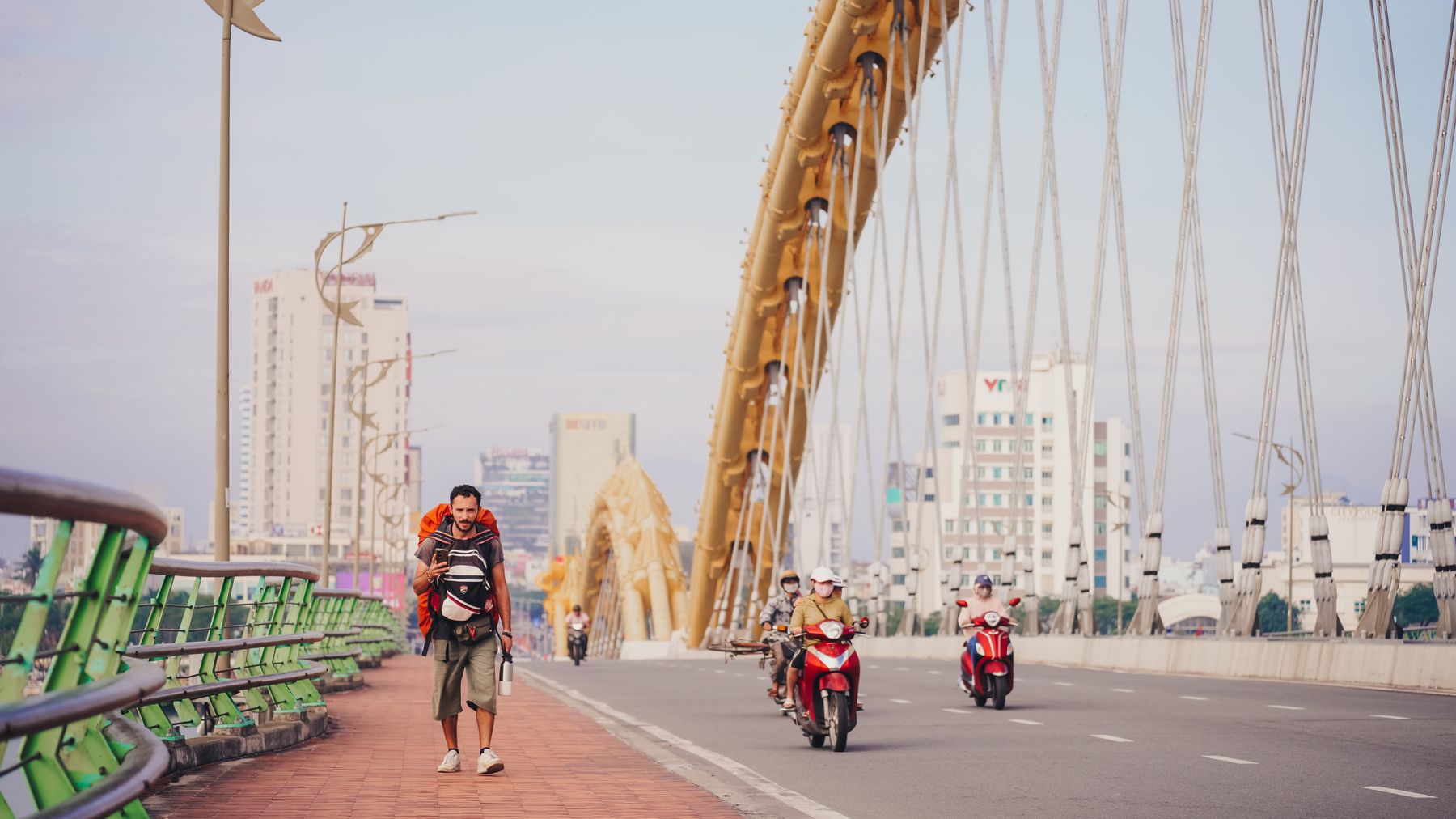
Photo by Xuân Thống Trần on Pexels
Day 9-10: Returning to the Source
Spend your final days back in Da Nang to catch any dishes you missed. If you haven't tried "bun bo hue" yet, find a local shop that specializes in this spicy beef noodle soup. While it originated in Hue, the version in Da Nang is excellent and often more accessible. Spend your last night near the beach with a cold "bia hoi"—the local draught beer—and reflect on the contrast between the industrial energy of Da Nang and the preserved history of Hoi An.
Practical notes
Carry cash, as many of the best street food stalls do not accept cards. Always confirm the price of a dish before ordering if it is not clearly marked on a menu. For transport between cities, download a ride-hailing app to ensure fair pricing and avoid haggling.
Ultimo aggiornamento · May 30, 2026 · ricerca indipendente, mai sponsorizzata.