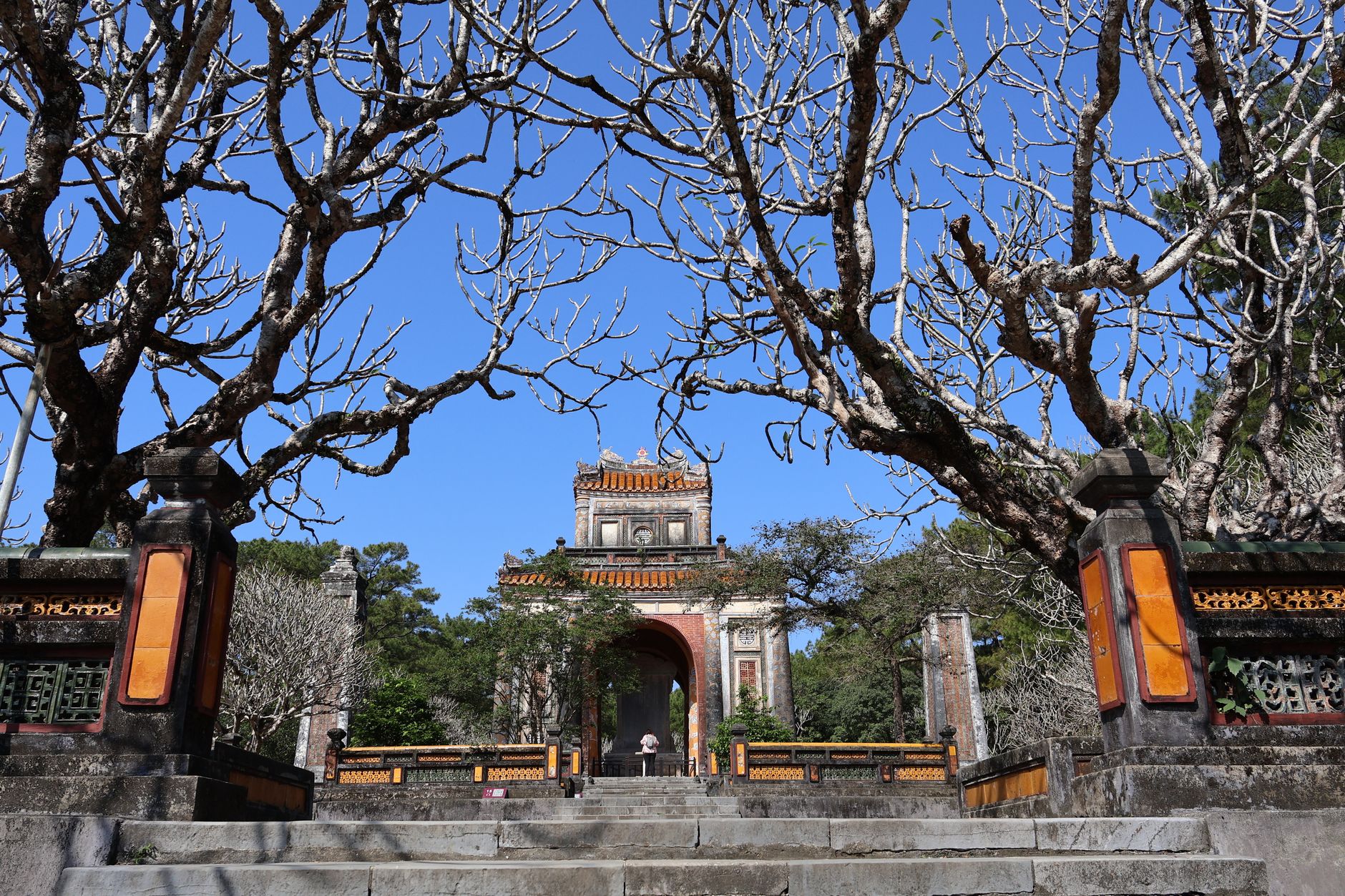
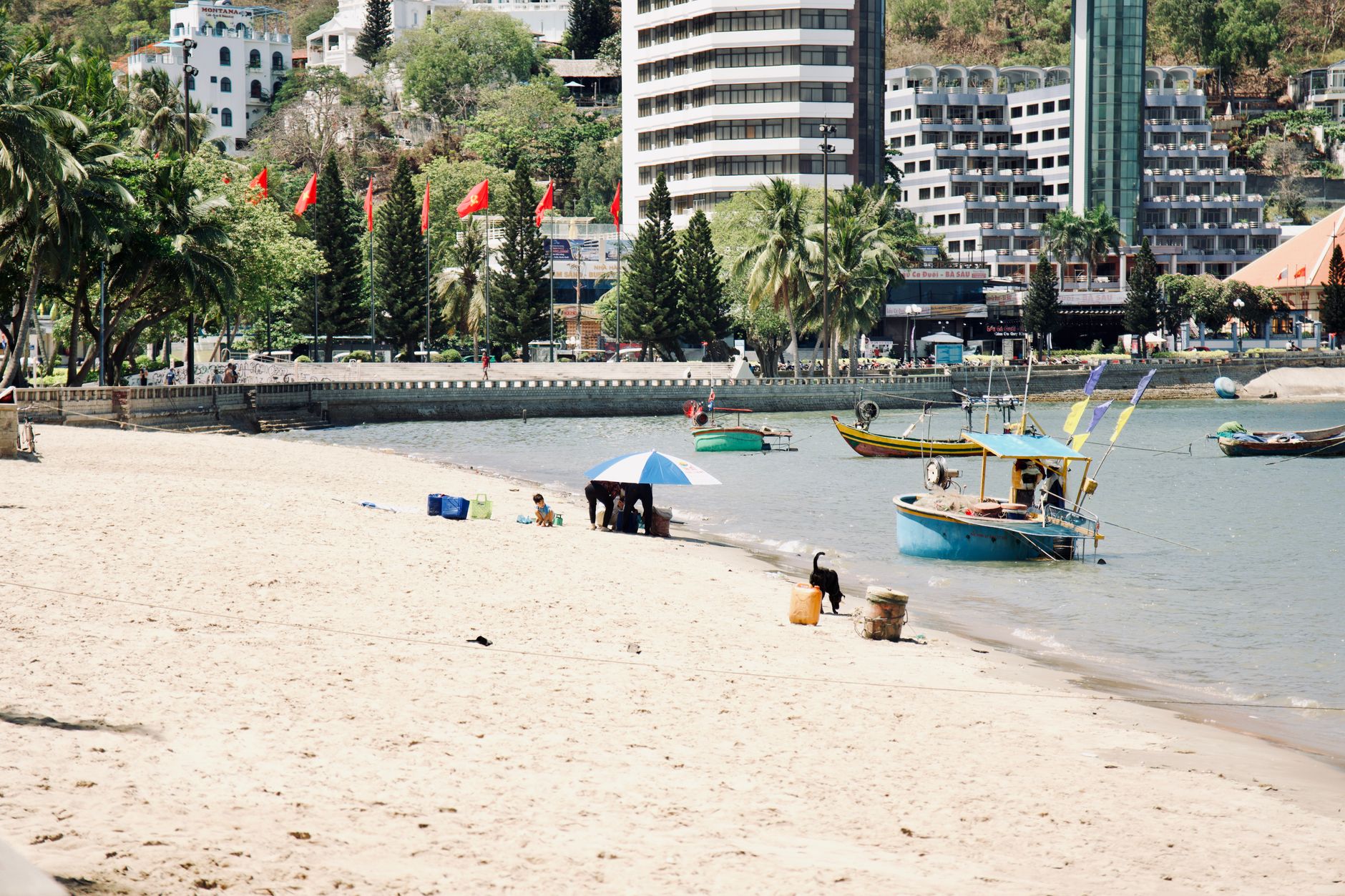
Most travelers treat Hoi An as a quick two-day photo stop, but its layers of Cham, Japanese, Chinese, and French history require a slower pace to truly unpack. This ten-day itinerary is designed for culture travelers who want to look past the lantern-lit postcard and understand the living heritage of this ancient port town.
Day 1 — The Ancient Town Core
Start by orienting yourself within the UNESCO-listed historic core. The yellow-walled merchant houses and assembly halls reflect a blend of indigenous, Chinese, and Japanese architectural styles from the 15th to the 19th centuries. Spend your morning visiting the Fujian Assembly Hall and the iconic Japanese Covered Bridge.
- Local Dish: Try "cao lau", a pork and noodle dish unique to Hoi An (호이안 / 会安 / ホイアン). The thick, chewy noodles are traditionally made using water drawn from the ancient Ba Le Well and ash from local trees.
- Viewpoint: Head to the rooftop of Faifo Coffee on Tran Phu Street for a classic view over the tiled roofs of the old town.
- Off-Script Suggestion: Walk the back alleys of Phan Boi Chau Street at 6:00 AM. You will catch the town before the tour buses arrive, when the only sounds are metal shutters rolling up and the scrape of wooden stools on pavement.
Day 2 — The Tailoring and Textile Heritage
Hoi An was once a major silk route trading port. Today, it is famous for its rapid-turnaround tailoring shops. Spend the day learning about the textile trade, starting at the bustling Hoi An Cloth Market.
- Local Dish: Grab a classic "banh mi" from Banh Mi Phuong or Madam Khanh. Look for the balance of rich pate, sweet pork char siu, and pickled papaya.
- Viewpoint: The second-floor balcony of the Cloth Market offers a chaotic, colorful bird's-eye view of the fabric vendors bargaining below.
- Off-Script Suggestion: Skip the tourist tailor shops for a morning and travel 12 km out of town to the Ma Chau silk weaving village in Nam Phuoc, where local families still operate traditional looms.
Day 3 — River Life and the Thu Bon Delta
The Thu Bon River is the lifeblood of Hoi An. Rent a basic bicycle and cross the Cam Kim Bridge to Cam Kim Island. This rural enclave feels decades removed from the busy streets of the ancient town, with dirt paths winding through cornfields and boat-building yards.
- Local Dish: Stop at a roadside stall for "banh xeo", crispy rice milk crepes stuffed with shrimp, pork, and bean sprouts, wrapped in fresh herbs.
- Viewpoint: Stop midway on the Cam Kim Bridge at sunset to watch the wooden fishing boats return to the harbor.
- Off-Script Suggestion: Seek out the woodcarvers of Kim Bong village on Cam Kim. Instead of buying souvenirs, sit quietly and watch them carve intricate wooden altars for local temples.
Day 4 — The Ruins of My Son Sanctuary
Take a half-day trip to "My Son" Sanctuary, located about 40 km inland. This complex of red-brick temple ruins was the spiritual heartland of the ancient Champa Kingdom, which ruled the region before the Vietnamese migrated south.
- Local Dish: On the road back to town, stop at a local shack for "mi quang", a central Vietnamese noodle dish served with a rich, shallow broth, quail eggs, pork, and crushed peanuts.
- Viewpoint: The central clearing of Group B temples offers the most dramatic perspective of the weathered brick towers against the backdrop of Cat's Tooth Mountain.
- Off-Script Suggestion: Avoid the sunrise tours that depart at 4:30 AM. Instead, arrive around 1:30 PM. The midday heat deters the crowds, leaving you virtually alone with the ruins as the afternoon light hits the mossy brickwork.

Photo by Quang Nguyen Vinh on Pexels
Day 5 — Clay and Fire in Thanh Ha
Travel 3 km west of the old town to Thanh Ha Pottery Village. The local clay has been shaped here for over 500 years, originally supplying bricks and tiles for the houses in the ancient town.
- Local Dish: Try "banh dap" (smacked rice crackers served with fermented anchovy dipping sauce) at one of the small shacks near the riverbank.
- Viewpoint: The rooftop of the Thanh Ha Terracotta Park museum offers a striking architectural view of modern brick structures inspired by traditional kilns.
- Off-Script Suggestion: Avoid the commercial pottery-making stalls at the entrance. Walk deeper into the residential lanes to find elderly artisans working on foot-powered kick wheels in their private courtyards. A small tip of 50,000 VND is appreciated if you watch or try it yourself.
Day 6 — The Culinary Soul of Cam Nam
Cross the small bridge south of the old town to Cam Nam Island. This narrow strip of land is dedicated to traditional agriculture and local food culture, far removed from the boutique hotels of the northern districts.
- Local Dish: Order "hen tron" (minced baby clams stir-fried with onions and herbs, served with rice crackers) and "che bap" (sweet corn soup made from local riverbank corn).
- Viewpoint: The eastern tip of Cam Nam offers a quiet view of the river junction where the Thu Bon meets the Co Co River.
- Off-Script Suggestion: Visit the Cam Nam wet market at 7:00 AM. It is a purely local market where you will find fresh river fish, wild herbs, and zero tourist souvenirs.
Day 7 — Offshore Heritage at Cu Lao Cham
Take a day trip to "Cu Lao Cham", a cluster of eight islands visible from the coast. These islands have a distinct history of fishing and marine conservation, and they once served as a navigation landmark for ancient merchant ships.
- Local Dish: Feast on fresh grilled squid or wild rock crab caught by local fishermen.
- Viewpoint: The windy coastal road near Eo Gio (on the main island of Hon Lao) offers expansive views of the open sea.
- Off-Script Suggestion: Skip the noisy tourist speedboats. Instead, take the slow wooden cargo boat that departs from the Bach Dang wharf in Hoi An at 7:30 AM. The journey takes two hours and costs about 150,000 VND, offering a peaceful, slow-travel experience alongside local traders.
Photo by Quang Nguyen Vinh on Pexels
Day 8 — The Organic Fields of Tra Que
Located between the old town and An Bang beach, Tra Que is a 300-year-old vegetable village. The farmers here do not use chemical fertilizers; instead, they harvest a specific type of seaweed from the local lagoon to enrich the sandy soil.
- Local Dish: Try "tam huu", a local specialty consisting of spring onion green strips wrapped around pork belly and shrimp.
- Viewpoint: Stand in the middle of the neat, green herb beds at dusk when the farmers are watering the crops using traditional double watering cans.
- Off-Script Suggestion: Skip the expensive, organized cooking classes that package the farming experience. Just walk the dirt paths independently in the early morning and strike up a conversation with the farmers working the soil.
Day 9 — The French Colonial Footprint
Spend the day exploring the eastern edge of the ancient town, where the architecture transitions from Chinese-style shophouses to French colonial villas. This area highlights the late 19th-century period when French administrators reshaped the town's layout.
- Local Dish: Sit at a quiet cafe and order a traditional "ca phe sua da (연유커피 / 越南冰咖啡 / ベトナムアイスコーヒー)" (iced drip coffee with condensed milk) to sip slowly while observing the street life.
- Viewpoint: The old French administration building near the riverfront provides a great angle on the yellow-painted colonial facades.
- Off-Script Suggestion: Search for the tomb of Tani Yajirobei, a 17th-century Japanese merchant. It sits quietly in the middle of a green rice paddy just outside the town center, a silent monument to the historical Japanese community.
Day 10 — Modern Art and Coastal Transition
Conclude your trip by exploring how Hoi An's traditional culture is evolving. Visit the quieter stretches of Tan Thanh beach and the local art galleries that showcase contemporary Vietnamese lacquer painting and sculpture.
- Local Dish: Find a street vendor near the coast selling "banh canh", a thick noodle soup made with tapioca flour and fresh fish cakes.
- Viewpoint: The quiet sand dunes of Tan Thanh beach looking north toward the high-rises of Da Nang in the far distance.
- Off-Script Suggestion: Visit the CoCo Casa art space or similar local galleries along the river to see how young Vietnamese artists are using traditional materials like lacquer and bamboo in modern installations.
Practical notes
To get the most out of this itinerary, purchase the official Hoi An Ancient Town entry ticket (120,000 VND), which grants access to five historic sightseeing points and helps fund the preservation of the old buildings. Renting a bicycle for the duration of your stay is the most practical and culturally immersive way to navigate the flat terrain and narrow alleys of the region.
Ultimo aggiornamento · May 30, 2026 · ricerca indipendente, mai sponsorizzata.