Ten days in Hanoi is a luxury. While most travelers rush through the capital in 48 hours before heading to the coast, staying longer lets you peel back the layers of a city defined by its ancient guilds, French-colonial architecture, and deeply ingrained daily rituals.
This itinerary is designed for travelers who want to understand the city rather than just check off sights. It balances major historical landmarks with specific street-level encounters, local dishes, and one off-script detour each day.
Day 1 — Old Quarter Foundations
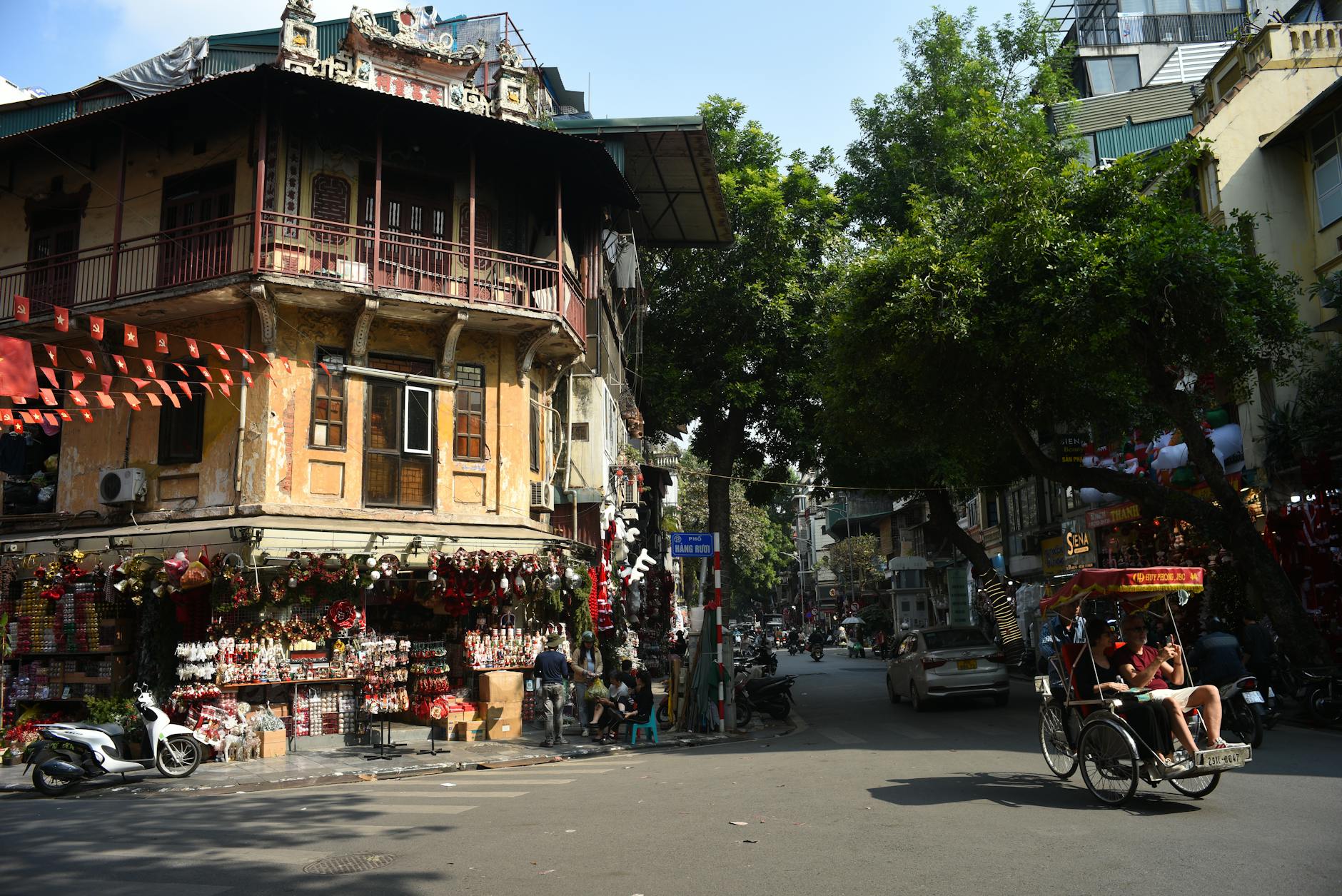
Start in the historical core. The Old Quarter, a maze of 36 streets named after the medieval guilds that once operated here, is best navigated on foot before the midday heat sets in.
-
The Route: Begin at Hoan Kiem Lake, visiting the Ngoc Son Temple via the red Huc Bridge. Walk north into the dense grid of streets, paying attention to the narrow "tube houses" designed to minimize property taxes based on street frontage.
-
The Food: For lunch, sit on a low plastic stool for "pho" bo (beef noodle soup) at Pho Gia Truyen (49 Bat Dan). In the evening, head to the corner of Ta Hien and Luong Ngoc Quyen for a glass of fresh "bia hoi" (draft beer) poured from metal kegs.
-
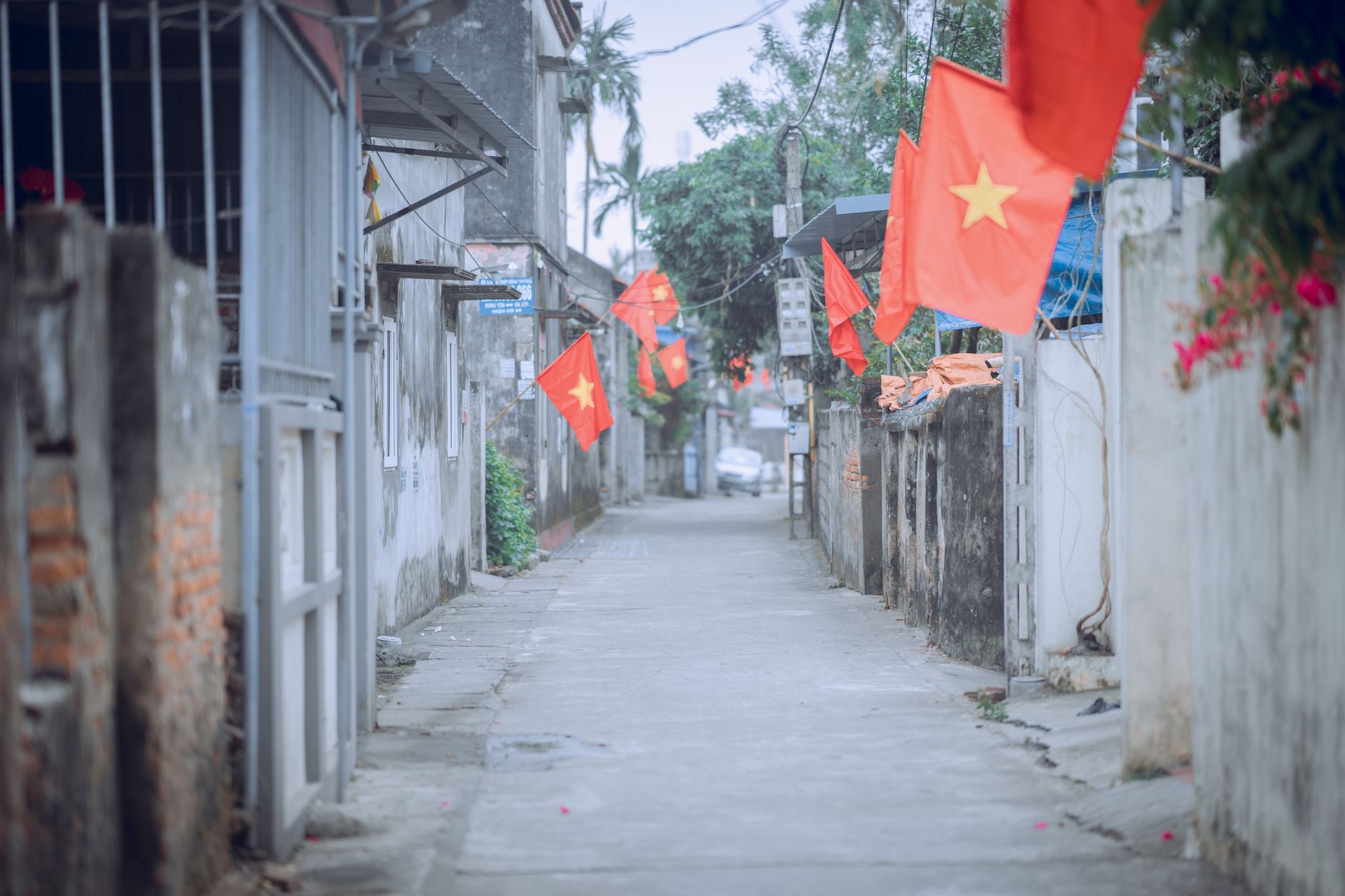
Off-Script: Slip into Ngo Hang Chi, a narrow alleyway off Hang Gai street. It is barely wide enough for two motorbikes to pass, offering an intimate look at local living rooms, shrines, and kitchens operating right on the pavement.
Day 2 — French Architecture and Coffee Rituals
Transition from the medieval grid to the wide, tree-lined boulevards of the French Quarter, constructed during the late 19th and early 20th centuries.
-
The Route: Walk down Trang Tien street to the Hanoi (하노이 / 河内 / ハノイ) Opera House, modeled after the Palais Garnier in Paris. Continue to the Sofitel Legend Metropole Hanoi to admire the classic colonial facade.
-
The Food: Try "egg coffee" at Cafe Giang (39 Nguyen Huu Huan), where whisked egg yolk, condensed milk, and robusta coffee create a custard-like drink. For lunch, grab a crispy "banh mi" from Banh Mi 25.
-
Off-Script: Walk along Phan Dinh Phung street in the late afternoon. It is one of the widest avenues in the city, shaded by a double canopy of Dracontomelon trees. Look for the yellow-painted Art Deco villas, many of which now serve as government embassies.
Day 3 — Dynastic Roots and Ancient Scholars
Dedicate this day to Hanoi's status as an ancient seat of learning and spirituality.
-
The Route: Visit the Temple of Literature, founded in 1070 and dedicated to Confucius. Walk through the five courtyards to see the stone stelae resting on tortoise backs, which record the names of royal exam graduates. Afterward, head to the nearby One Pillar Pagoda, a historic Buddhist temple built to resemble a lotus blossom rising from the water.
-
The Food: Eat "banh cuon (반꾸온 / 蒸米卷 / バインクオン)" (steamed rice rolls stuffed with minced pork and wood ear mushrooms) at Banh Cuon Ba Hoanh (66 To Hien Thanh).
-
Off-Script: Explore the quiet residential streets directly behind the Temple of Literature, such as Ngo Van Mieu. Here, small tea stalls serve local workers, far removed from the tourist crowds inside the temple walls.
Day 4 — West Lake and Taoist History
West Lake (Ho Tay) offers a different pace of life, dominated by open water, ancient pagodas, and a quieter residential atmosphere.
-
The Route: Visit Tran Quoc Pagoda, the oldest Buddhist temple in Hanoi, dating back to the 6th century. From there, walk to Quan Thanh Temple, a 11th-century Taoist temple housing a giant bronze statue of Huyen Thien Tran Vu.
-
The Food: Head to Ngu Xa island on the edge of Truc Bach lake to eat "pho cuon" (beef and herbs rolled in uncut sheets of steamed rice batter) at Pho Cuon Huong Mai.
-
Off-Script: Rent a basic bicycle near the lakeside and ride around the northern peninsula of Quang An. It is a peaceful route where you can see locals fishing and tending to small lakeside gardens.

Photo by Nguyen Ngoc Tien on Pexels
Day 5 — The Imperial Citadel
Explore the political heart of Vietnam, where layers of history are stacked literally on top of one another.
-
The Route: Spend the morning at the Imperial Citadel Thang Long, a UNESCO World Heritage site. Archaeological excavations here have revealed foundations of palaces dating back to the Ly, Tran, and Le dynasties.
-
The Food: Walk to Bun Cha Huong Lien (24 Le Van Huu), the famous spot where Barack Obama and Anthony Bourdain ate "bun cha" (grilled pork with rice noodles and herbs) in 2016.
-
Off-Script: Descend into House D67 inside the citadel grounds. This underground military bunker was built in 1967 to serve as the headquarters for the North Vietnamese military during the war. The original maps, telephones, and meeting tables remain intact.
Day 6 — Traditional Performance and Craft
Hanoi is the cultural incubator for northern Vietnam's traditional performing arts.
-
The Route: Spend the day visiting the small galleries and craft shops along Hang Gai and Hang Bach. In the evening, book a performance of "water puppetry" at the Thang Long Water Puppet Theatre or seek out a intimate performance of "ca tru" (ancient chamber music) at the Hanoi Ca Tru Club.
-
The Food: Try "bun thang" (a delicate chicken, egg, and pork noodle soup) at Bun Thang Ba Duc (48 Cau Go).
-
Off-Script: Visit the workshop of a traditional musical instrument maker on Hang Quat street. You can watch artisans carve the necks of traditional lutes and stringed instruments by hand in tiny storefronts.
Day 7 — The Working City
Experience the industrial and agricultural backbone of Hanoi, starting before sunrise.
-
The Route: Wake up at 5:00 AM to walk across the historic Long Bien Bridge, designed by the Dayde & Pille company and completed in 1902. Watch the commuter trains rumble past and the vendors transporting fresh produce into the city. Later, explore the chaotic interior of Dong Xuan Market.
-
The Food: Eat a hearty bowl of sticky rice ("xoi") topped with braised pork belly and pate at Xoi Yen (35B Nguyen Huu Huan).
-
Off-Script: Take the dirt steps down from the middle of Long Bien Bridge to Bai Giua, the alluvial island in the middle of the Red River. Here, you will find banana plantations, quiet walking paths, and a rural lifestyle just minutes below the busy bridge.

Photo by Duc Nguyen on Pexels
Day 8 — Art and Identity
Focus on how Vietnamese artists and women have shaped the nation's identity through centuries of conflict and peace.
-
The Route: Spend the morning at the Vietnam Fine Arts Museum, which houses everything from ancient Buddhist sculptures to modern lacquer paintings. In the afternoon, visit the Vietnamese Women's Museum to learn about the role of women in ethnic minority communities and wartime history.
-
The Food: Have lunch at Quan An Ngon (18 Phan Boi Chau) to sample regional dishes from across the country in a courtyard setting.
-
Off-Script: Visit Manzi Art Space on Phan Huy Ich street. It is a contemporary art gallery housed in a restored French villa where you can have a quiet tea while viewing works by active Hanoi artists.
Day 9 — The Ceramic Village
Travel outside the city center to see how traditional crafts survive in the modern era.
-
The Route: Take a 30-minute taxi ride (about 13 km southeast of the city center) to Bat Trang, a village that has produced ceramics since the 14th century. Visit the striking, modern Bat Trang Ceramic Museum with its clay-canyon architecture.
-
The Food: Eat at a local village stall, trying simple northern dishes like tofu in tomato sauce or local spring rolls.
-
Off-Script: Avoid the main commercial pottery market. Instead, walk deep into the narrow, winding brick alleys of the old village. You will find older family-run kilns, drying clay slabs lining the walls, and small shrines dedicated to the pottery ancestors.
Day 10 — The Final Rituals
Use your final day to slow down and observe the rhythm of the city without a strict sightseeing agenda.
-
The Route: Spend the morning walking around Truc Bach Lake. Visit the Phung Hung mural street to see contemporary paintings depicting old Hanoi scenes painted on the stone railway arches.
-
The Food: Enjoy a long lunch of "cha ca" (turmeric-marinated fish grilled at the table with dill and spring onions) at Cha Ca Thang Long (21 Duong Thanh).
-
Off-Script: Spend your final evening sitting on the stone steps of the Hanoi Opera House with a plastic cup of iced green tea ("tra da") purchased from a street vendor, watching the endless stream of motorbikes pass through the roundabout.
Practical notes
For transport, download the Grab app to book reliable car or motorbike rides across the city. The best time for this itinerary is autumn (September to November), when the weather is cool, dry, and ideal for walking. Keep plenty of cash in Vietnamese Dong (VND) on hand, as street food stalls and small temples do not accept cards.
Ultimo aggiornamento · May 30, 2026 · ricerca indipendente, mai sponsorizzata.