Most travelers treat the north as a series of boxes to check, rushing from the capital to the water and back in 48 hours. If you have 10 days, you can actually see how these places breathe. This itinerary prioritizes staying in neighborhoods that feel lived-in and using local transport to bridge the gaps between the urban chaos of Hanoi and the quiet limestone islands of the bay.
Day 1-3 — Hanoi: The Old Quarter and Beyond
Base yourself in the Old Quarter, but spend your time walking toward the French Quarter or the quieter streets of Tay Ho. Start your first morning with a "pho" at a sidewalk stall near the "Temple of Literature". By afternoon, walk the perimeter of Hoan Kiem Lake, but duck into the alleys of Hang Gai to find a quiet "vietnamese coffee".
On Day 2, visit the "Imperial Citadel Thang Long" early to beat the heat. For lunch, skip the tourist-heavy spots and find a "bun cha" shop where the smoke from the charcoal grill spills onto the sidewalk. Spend your evening at "Long Bien Bridge", watching the city lights reflect off the Red River.
Day 3 is for the "Tran Quoc Pagoda" and a slow wander through the botanical gardens. In the evening, grab a plastic stool for a "bia hoi (비아호이 / 鲜啤 / ビアホイ)" on a street corner. It is the cheapest, freshest beer you will find, and the best way to watch the city move.
Day 4 — The Transit to Cat Ba
Getting to Cat Ba is a lesson in patience. Take a bus from Hanoi (하노이 / 河内 / ハノイ) to Hai Phong, then a ferry to the island. The total trip takes about 4 to 5 hours. Once you arrive, rent a motorbike for 150,000 VND per day. The ride from the ferry terminal to Cat Ba Town is one of the most scenic stretches in the north, winding through the dense greenery of Cat Ba National Park.
Day 5-7 — Cat Ba: Life on the Water
Cat Ba is the rugged sibling of the more famous bay areas. Spend Day 5 hiking the trails in the National Park to reach the Ngu Lam peak. It is steep, humid, and worth the view.
On Day 6, book a boat trip that specifically avoids the crowded Lan Ha Bay tourist routes. Ask for a day trip that includes kayaking through the hidden lagoons. For dinner, find a local spot serving "banh canh" or fresh seafood caught by the floating village residents. Day 7 is for relaxing on the beaches of Cat Co 1, 2, or 3. They get crowded, so go before 9:00 AM.

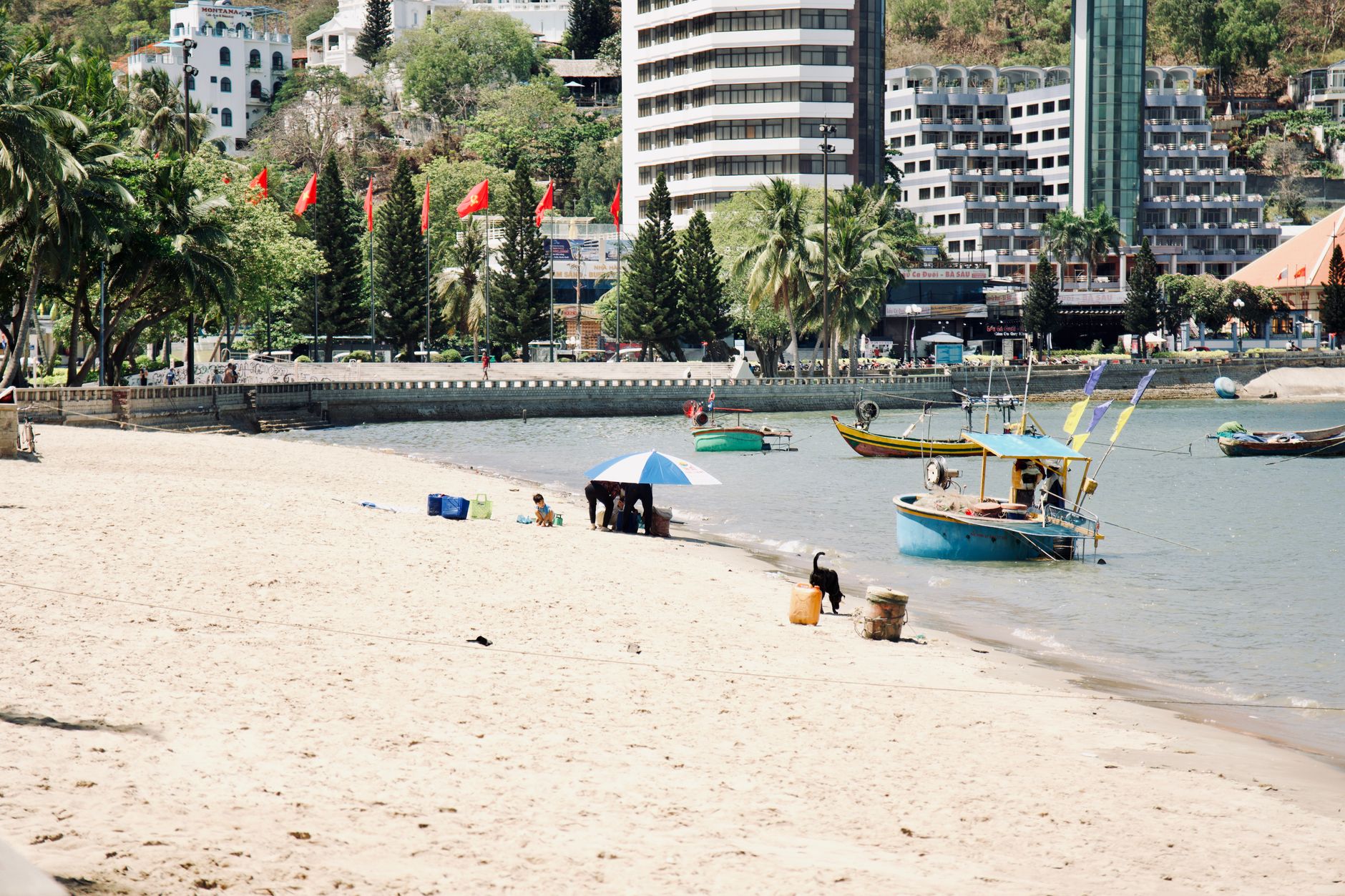
Photo by Nguyen Ngoc Tien on Pexels
Day 8 — Crossing to Ha Long
Take the morning ferry from Cat Ba to Tuan Chau (Ha Long). This is the most direct route and saves you from backtracking to the mainland. Once you arrive in Ha Long, skip the high-rise hotels in the Bai Chay area and look for a guesthouse in the older, quieter parts of the city. Use the afternoon to visit the local markets where you can find "banh cuon" for a late afternoon snack.
Day 9 — Ha Long Bay
Since you have already seen the karst formations from the Cat Ba side, use this day to explore the interior of the bay. Many people opt for a cruise, but if you prefer land-based exploration, take a taxi to the coastal viewpoints. If you do choose a boat, look for a smaller, family-run vessel that focuses on the less-visited caves and floating markets. It is a different perspective than the standard luxury cruise.

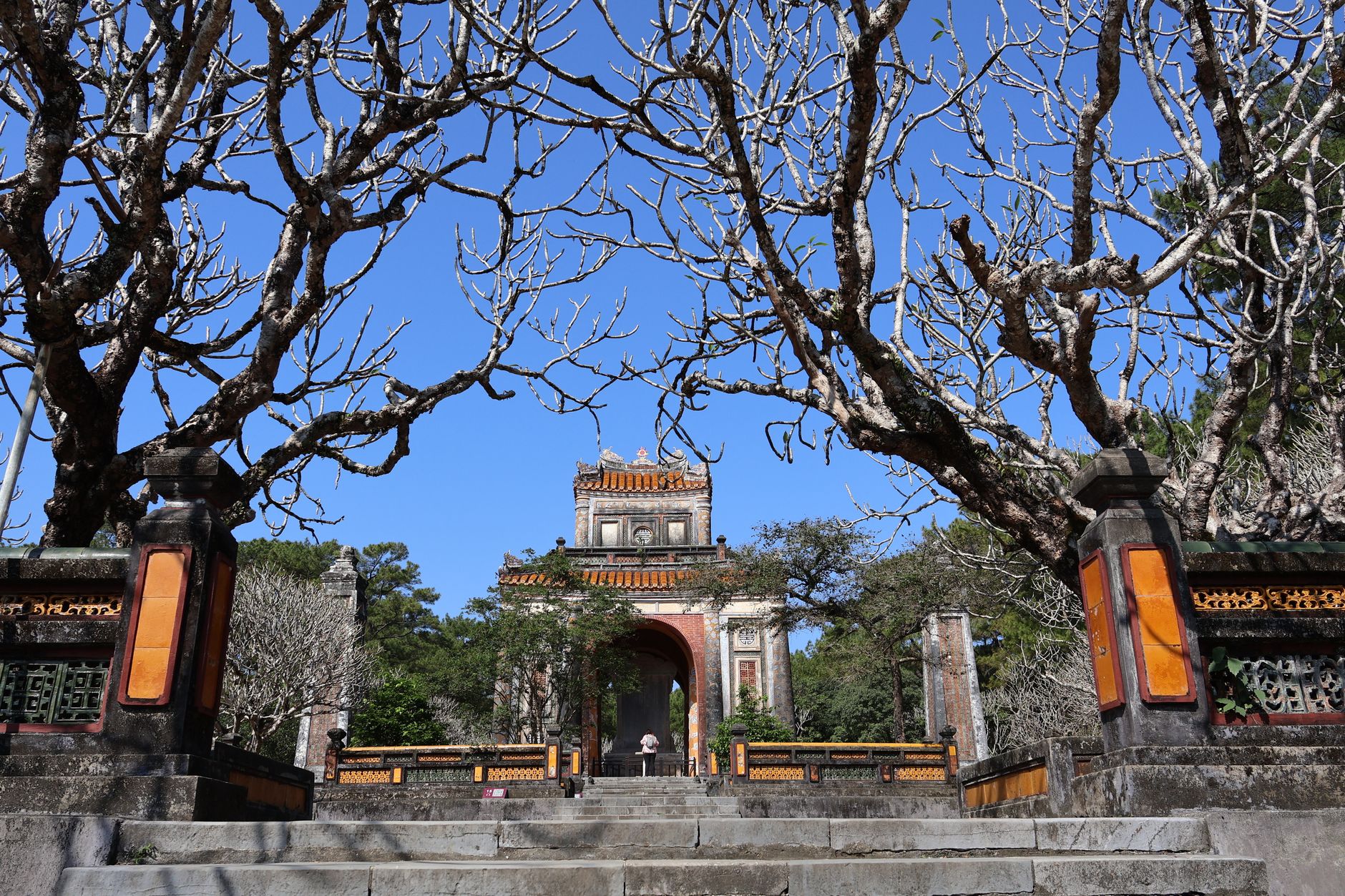
Photo by Vietnam Hidden Light on Pexels
Day 10 — Return to Hanoi
Take a limousine bus back to Hanoi. These are comfortable, air-conditioned vans that pick you up from your hotel and drop you off in the city center. Use your final evening to hunt down a bowl of "bun thang" or "bun rieu" for a final taste of the capital’s complex, subtle broth culture.
Practical notes
Transport between cities is best handled by booking 'limousine' vans via your hotel or a reputable travel agency; they are safer and more reliable than public buses for first-timers. Always keep a small stash of cash in 10,000 and 20,000 VND notes for street food and small purchases, as change for large bills can be difficult to find in rural areas.
Last updated · May 30, 2026 · independently researched, never sponsored.