Day 1 — Finding Your Feet in Hanoi
Start in the Old Quarter, but don't get stuck in the souvenir shops. Head straight for a bowl of "bun thang" near Hoan Kiem Lake to understand the delicate balance of northern broth. Spend your afternoon walking the perimeter of the "Imperial Citadel Thang Long" to get a sense of the city's layers. By evening, find a plastic stool on a corner for a "bia hoi"—the local draft beer that costs about 10,000 VND. It is the best way to watch the city move.
Day 2 — The Road North to Ha Giang
Take a morning bus from My Dinh station toward Ha Giang. The journey takes about 6 to 7 hours. Once you arrive, check into a homestay in the "Thon Tha" village. It is quieter than the city center and puts you right at the base of the mountains. Eat dinner with your hosts; the local "thang co" is a rite of passage if you are feeling adventurous.
Day 3 — The Gateway to the Plateau
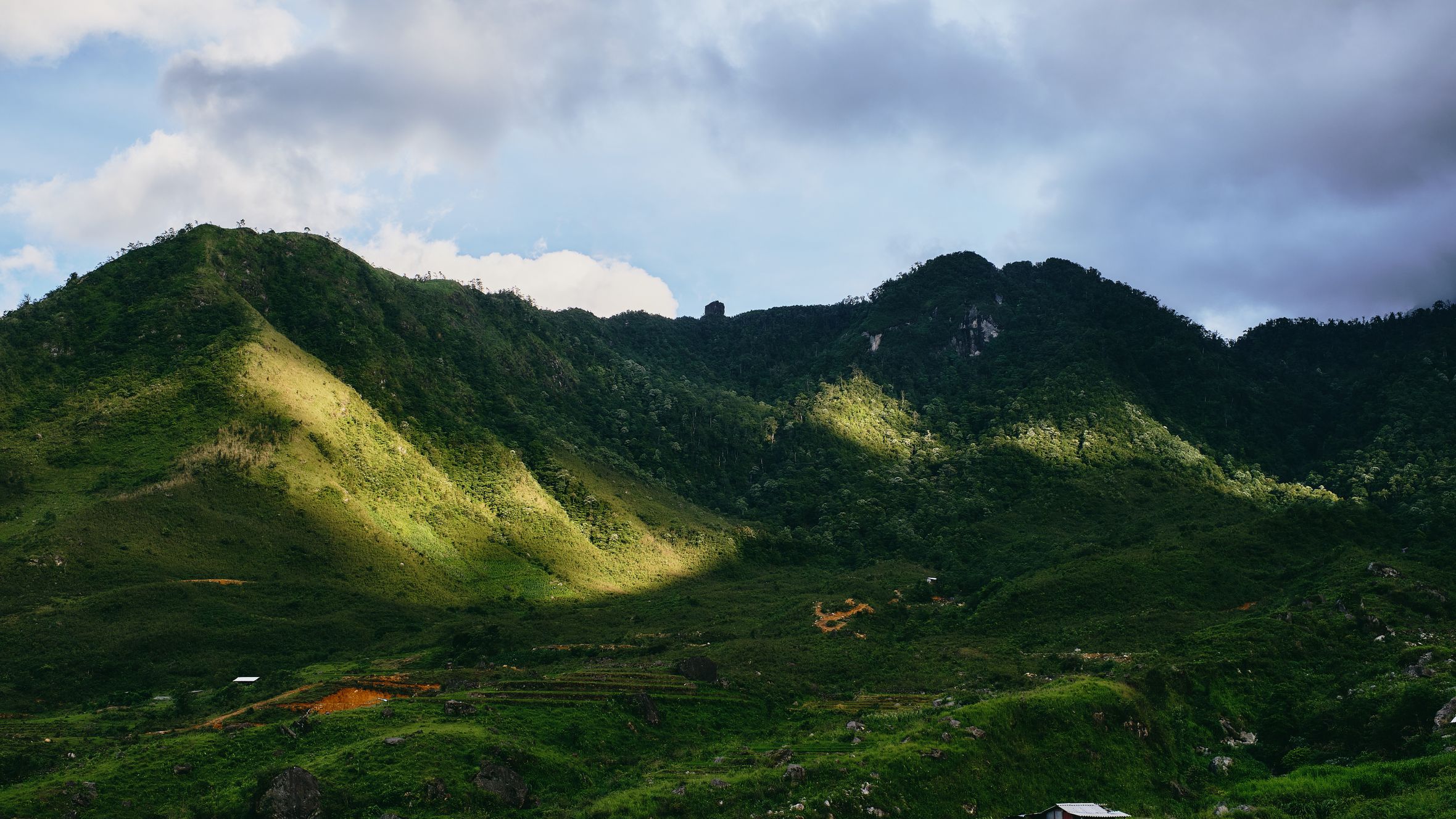
Rent a semi-automatic motorbike or hire a local driver for the next three days. The road from Ha Giang city to Quan Ba is a steep climb. Stop at the Heaven's Gate pass for a view of the twin mountains. Continue to Yen Minh, where the landscape shifts from lush green to jagged limestone. The air gets noticeably thinner and colder as you gain elevation.
Day 4 — Into the High Country
Ride toward Dong Van. This is the heart of the karst plateau. Stop at the "Palace of the Hmong King" in Sa Phin. It is a fascinating piece of architecture built in the early 20th century, tucked away in a valley. The road here is narrow and winding; watch for local trucks and livestock. Spend the night in Dong Van town, which feels like a different world compared to the chaos of Hanoi.

Photo by Nguyen Ngoc Tien on Pexels
Day 5 — The Ma Pi Leng Experience
This is the most dramatic stretch of the loop. The "Ma Pi Leng" pass offers a view of the Nho Que River thousands of meters below. It is not just about the photos; it is about the scale of the landscape. Spend the afternoon in Meo Vac before heading back toward the main road to prepare for the transition to Cao Bang.
Day 6 — The Long Transit to Cao Bang
This is a heavy travel day. You will need to take a bus or private car from Meo Vac to Cao Bang city. It takes roughly 7 to 8 hours. The road is rough, but the views of the rural countryside are unfiltered. Use this time to rest your legs. Arrive in Cao Bang city by evening and find a local spot serving "banh cuon (반꾸온 / 蒸米卷 / バインクオン)" with a pork bone broth—a distinct regional variation from the Hanoi version.
Day 7 — Ban Gioc and the Border
Head to "Ban Gioc" waterfall. It is the largest in the region and sits right on the border. Go early, around 8:00 AM, to avoid the tour buses from Hanoi (하노이 / 河内 / ハノイ). After the falls, visit the nearby Nguom Ngao cave. The limestone formations are massive and well-lit. Return to Cao Bang city for the night.
Photo by Nguyen Ngoc Tien on Pexels
Day 8 — The History of Pac Bo
Take a day trip to the "Pac Bo" historical site. It is a quiet, reflective area where the landscape is dominated by the clear, turquoise waters of the Lenin Stream. It is a significant site for local history and offers a peaceful contrast to the rugged mountain passes of the previous days.
Day 9 — Returning to the Capital
Take a direct sleeper bus from Cao Bang back to Hanoi. It is a long haul, usually 8 to 9 hours. These buses are equipped with reclining seats, which are surprisingly comfortable if you are tired from the mountains. You will likely arrive in Hanoi late in the evening. Treat yourself to a "pho" at a late-night stall near the bus station.
Day 10 — A Slow Morning in Hanoi
Spend your final day at a slower pace. Visit the "Temple of Literature" to see the traditional architecture and courtyards. Grab a "vietnamese coffee" with condensed milk at a cafe overlooking the "Long Bien Bridge". It is the perfect spot to reflect on the last ten days before your flight out.
Practical notes
Pack layers; the temperature in the northern mountains can drop significantly at night, even in the summer. Always carry your passport, as you will need it to register at hotels and homestays in the border regions. Stick to semi-automatic bikes for the mountain passes; they provide better engine braking than full automatics.
Last updated · May 30, 2026 · independently researched, never sponsored.