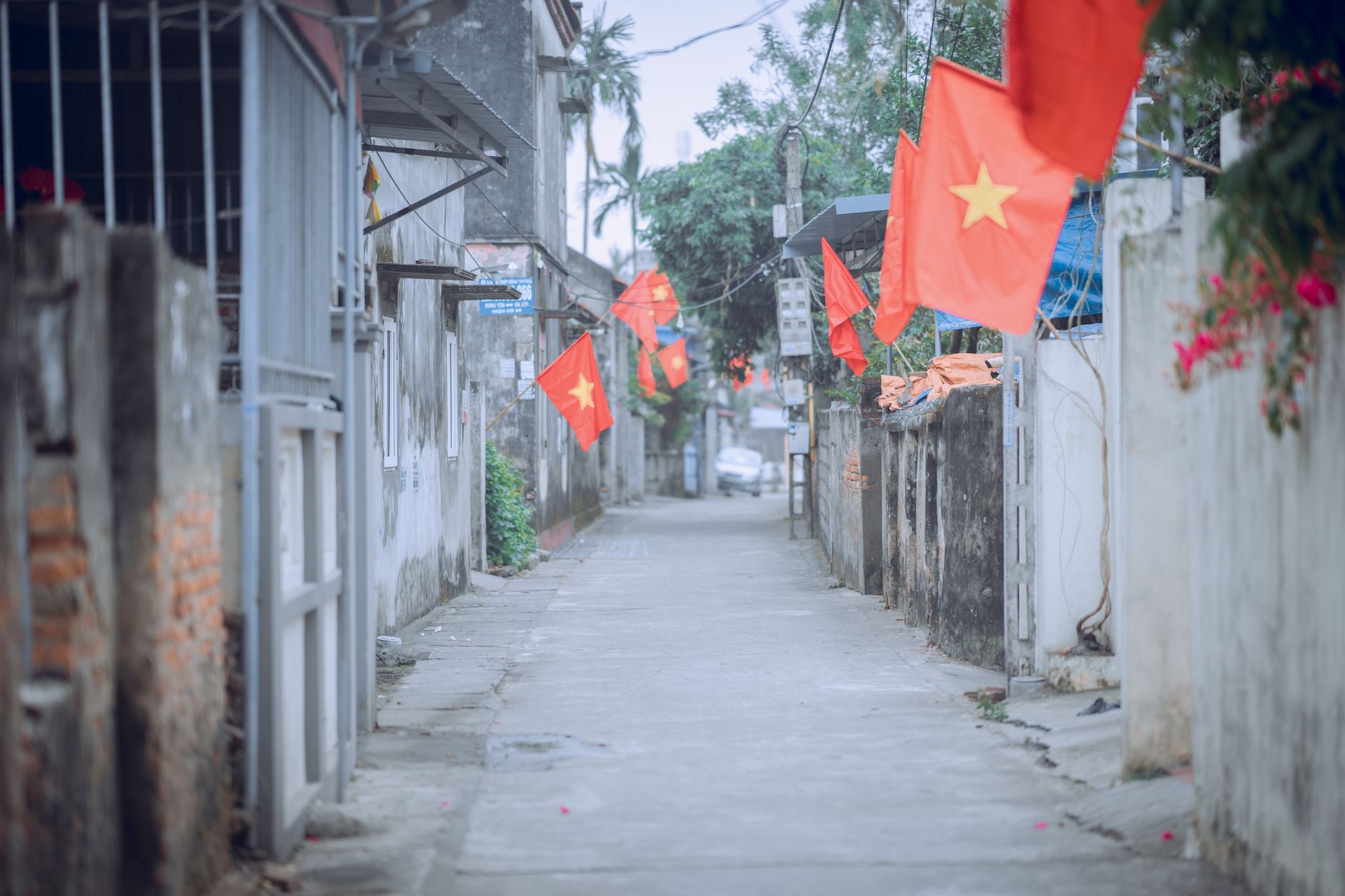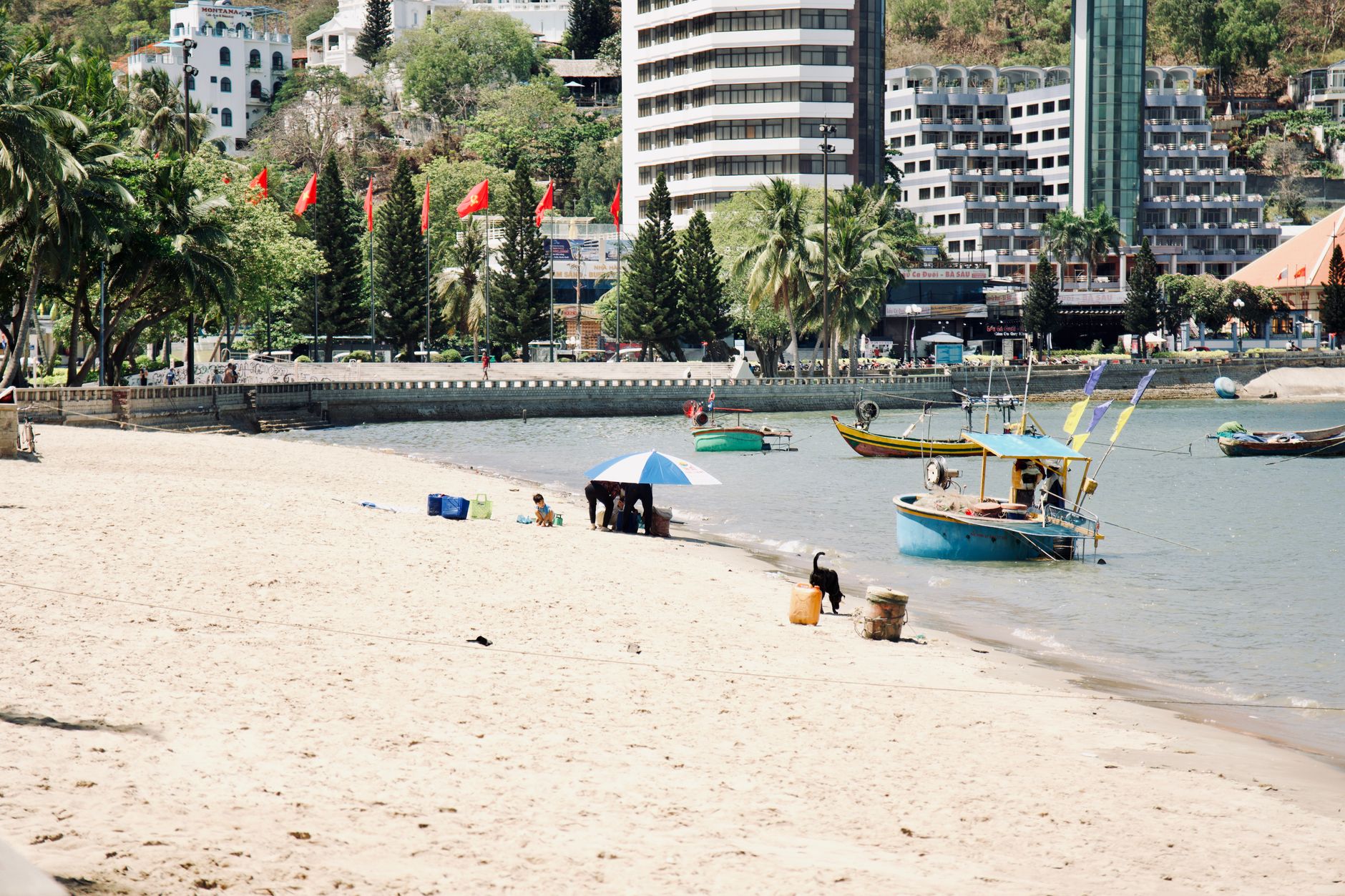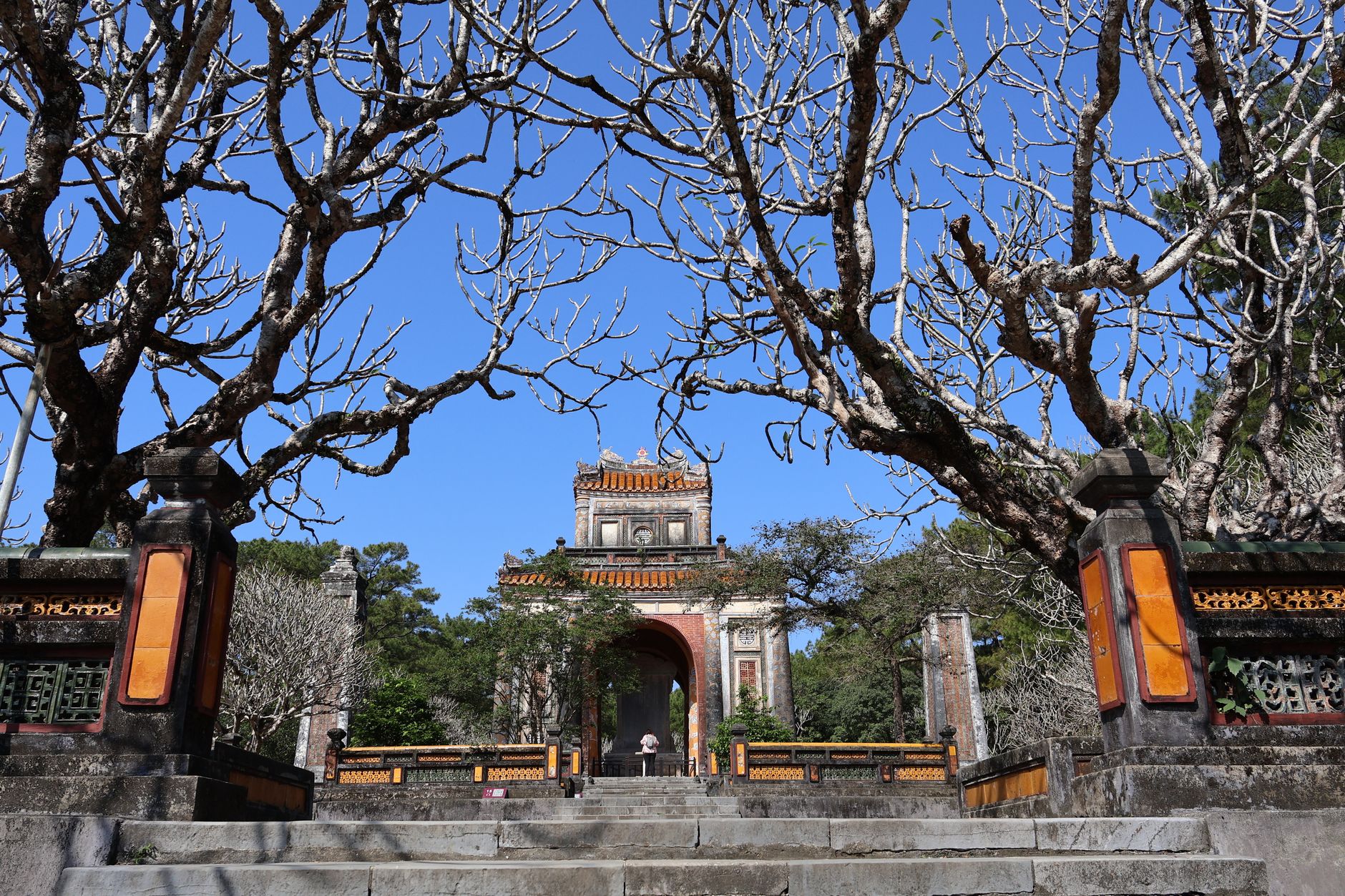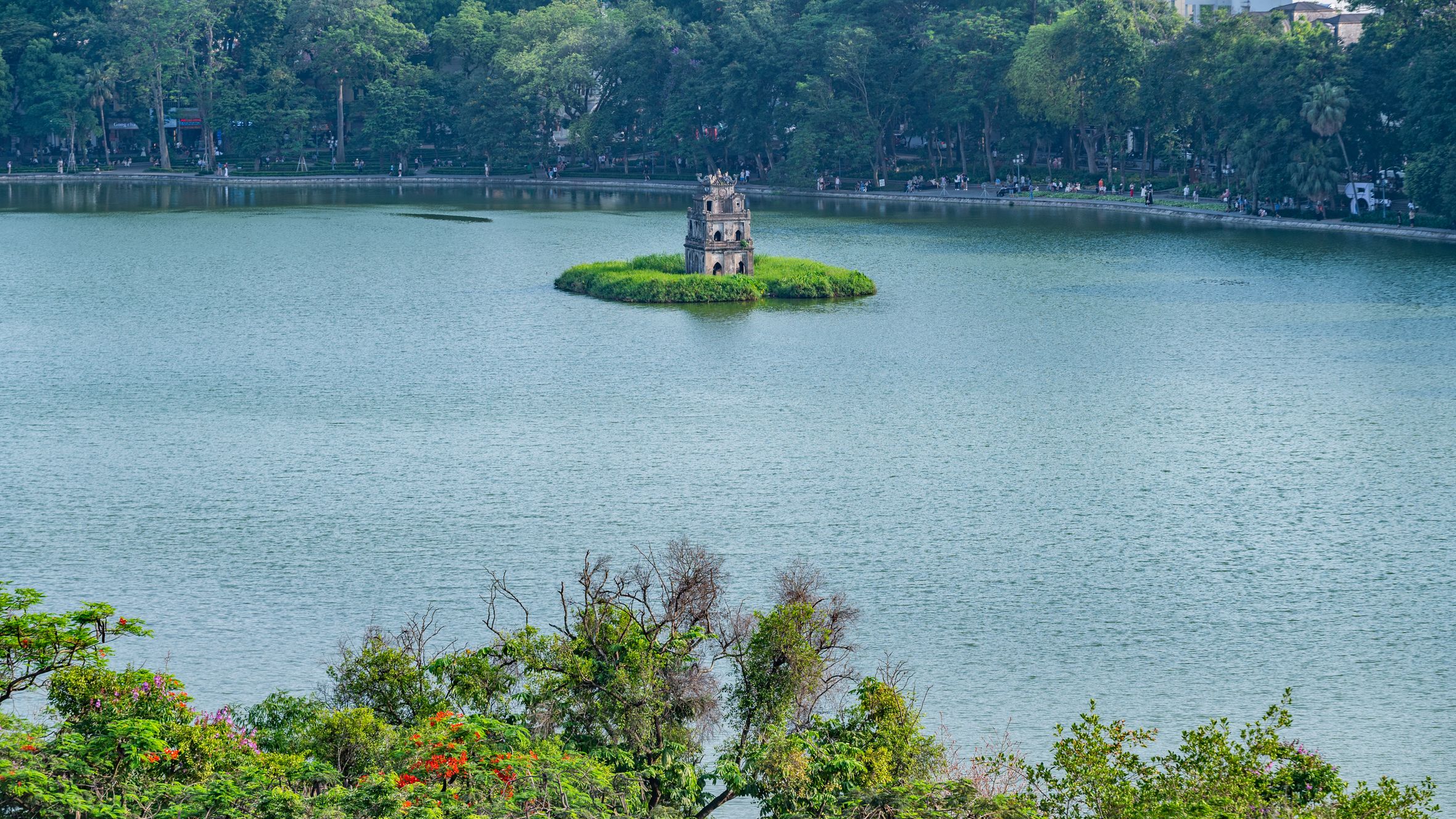
Northern Vietnam is defined by its micro-climates, and those micro-climates dictate what goes on the dinner table. This 10-day itinerary takes you from the crowded, steam-filled alleys of Hanoi to the limestone valleys of Ninh Binh (닌빈 / 宁平 / ニンビン), before climbing into the cool, herb-scented highlands of Mai Chau.
Instead of rushing through sights, this loop focuses on regional specialties, local markets, and the distinct culinary traditions of the lowlands, wetlands, and mountains.
Day 1 to 3 — Hanoi: Street Food and Cafe Culture
Day 1: The Old Quarter Classics
Start your trip in the heart of the capital. Spend your first afternoon navigating the narrow sidewalks of the Old Quarter. Begin with a bowl of "pho" bo (beef noodle soup) at Pho Gia Truyen on Bat Dan Street, where the broth is simmered for over ten hours.
In the evening, head to Bun Cha Huong Lien, the famous spot where Barack Obama and Anthony Bourdain shared a table in 2016. Order the "bun cha" (grilled pork patties in a warm, sweet-savory broth served with rice noodles and fresh herbs) and a side of crispy "cha gio" (crab spring rolls). Wash it down with a cold "bia hoi" (fresh draft beer) at the corner of Ta Hien Street for about 15,000 VND a glass.
Day 2: Markets and Hidden Cafes
Wake up early to catch the morning rush at Dong Xuan Market. The wet market section at the back is a sensory overload of live seafood, fresh herbs, and spices. Grab a breakfast of "banh cuon (반꾸온 / 蒸米卷 / バインクオン)" (steamed rice rolls stuffed with minced pork and wood ear mushrooms) from a market stall.
In the afternoon, seek out Hanoi's legendary drink: "egg coffee" (ca phe trung). Head to Cafe Giang on Nguyen Huu Huan Street, where the drink was invented. It is a rich, custard-like blend of egg yolk, condensed milk, and strong robusta coffee.
Day 3: West Lake and Modern Bites
Take a taxi north to West Lake (Tay Ho). This area offers a quieter vibe and excellent seafood. Stop by a lakeside stall for "banh tom" (crispy sweet potato and shrimp fritters). For dinner, explore the modern side of Vietnamese dining at one of the contemporary eateries in the Truc Bach neighborhood, pairing local ingredients with craft beers brewed right in the city.
Day 4 to 6 — Ninh Binh: River Valleys and Goat Feasts
Transport: Take a shared limousine bus from Hanoi to Tam Coc in Ninh Binh. The journey takes about 2 hours (95 km) and costs around 200,000 to 250,000 VND.
Day 4: Burnt Rice and Mountain Goat
Arrive in Tam Coc, a landscape of towering limestone karsts rising from green rice paddies. After checking into a local homestay, head out to try Ninh Binh's most famous specialty: "de nui" (mountain goat). The goats roam freely on the limestone cliffs, resulting in lean, flavorful meat.
Order "de tai chanh" (rare goat meat cured in lime juice, tossed with sesame seeds, ginger, and chilies) at a local tavern. Pair it with "com chay" (crispy, sun-dried burnt rice cakes topped with savory pork floss and drizzled with a warm goat-broth gravy).
Day 5: Rowing and Riverside Dining
Spend the morning on a wooden rowboat winding through the caves of Trang An. Once back on land, rent a bicycle and ride through the quiet lanes of Hoa Lu, the ancient capital. Stop at a roadside stall for a bowl of "bun canh" (thick rice noodle soup in a rich crab broth) before heading back to Tam Coc for a relaxed dinner of grilled river fish wrapped in wild mustard leaves.
Day 6: The Wet Markets of Kim Son
Take a day trip to the coastal district of Kim Son (about 35 km from Tam Coc). This area is famous for its traditional rice wine production. Visit a local family distillery to see how the yeast is made from dozens of mountain herbs. Sample the potent spirit alongside local snacks like "nem chua" (fermented pork rolls wrapped in banana leaves).

Photo by Nguyen Ngoc Tien on Pexels
Day 7 to 9 — Mai Chau: Highland Herbs and Valley Sticky Rice
Transport: Hire a private car or take a local bus from Ninh Binh to Mai Chau. The route covers roughly 150 km of winding mountain roads and takes about 4 hours.
Day 7: White Thai Hospitality
As you descend into the emerald-green valley of Mai Chau, the air cools significantly. This region is home to the White Thai ethnic group, who live in traditional stilt houses.
Check into a homestay in Lac Village or Pom Coong Village. In the evening, join your hosts for a traditional feast. The centerpiece is "com lam" (sticky rice roasted inside bamboo tubes over hot coals), which you peel open and dip into sesame salt. It is served alongside grilled stream fish seasoned with mac khen (wild mountain pepper) and forest herbs.
Day 8: Foraging and Cooking in the Valley
Spend the morning cycling through the rice fields to the lesser-visited villages of Cha Long and Na Phon. Stop by a local home to learn how to weave and forage for wild bamboo shoots and herbs in the foothills. In the afternoon, participate in a cooking session at your homestay, learning how to marinate meats using local spices like lemongrass, ginger, and wild cardamom.
Day 9: The Pa Co Highland Market
If your trip aligns with a Sunday, take an early morning trip up the mountain pass to the Pa Co Market (about 30 km from Mai Chau). Here, Hmong and Thai traders gather to sell everything from hand-woven textiles to local honey, wild mushrooms, and highland corn wine. Try a bowl of hot, comforting noodle soup seasoned with local mountain greens.
Photo by Nguyen Ngoc Tien on Pexels
Day 10 — Mai Chau to Hanoi: The Final Sip
Transport: Take a limousine bus back to Hanoi. The 140 km trip takes approximately 3.5 hours.
Spend your final afternoon in Hanoi picking up edible souvenirs. Head to Hang Duong Street to buy "o mai" (salted, spiced dried fruits) or pick up some high-quality lotus tea from the West Lake area. End your culinary loop with a final bowl of "bun thang" (a delicate chicken, egg, and pork noodle soup) in the Old Quarter, reflecting on the diverse flavors of the North.
Practical notes
- Best time to go: September to November or March to May, when the weather is dry and the rice fields in Ninh Binh and Mai Chau are at their most vibrant.
- Dietary restrictions: While vegetarian options are widely available in Hanoi, they can be more limited in rural Ninh Binh and Mai Chau. Let your homestay hosts know your dietary preferences in advance so they can prepare vegetable-heavy dishes like stir-fried chayote greens and local tofu.
Last updated · May 30, 2026 · independently researched, never sponsored.