Ba Vi National Park spans 10,815 hectares across Hanoi, Hoa Binh province, and Luong Son district—a genuine mountain refuge just 48 kilometers west of the city. The park's anchor is the Ba Vi mountain range, running northwest to southeast, with Vua Mountain (King Mountain) as the highest point at 1,296 meters. Two other notable peaks, Tan Vien at 1,226 meters and Ngoc Hoa at 1,120 meters, frame the skyline.
From Hanoi center, you can drive or motorbike in under two hours; Son Tay town sits 15km east, making it a useful staging point.
Geology and the Ancient Volcano
Ba Vi sits atop an ancient volcanic formation. The last eruption occurred roughly 200 million years ago, and the geological signatures—unique rock formations and mineral deposits—remain visible today. If you're interested in Earth science, the landscape itself becomes a textbook. Hikers often spot layered stone and unusual mineral coloration on the higher trails.
The basalt and rhyolite outcrops along the upper ridgeline tell the story most clearly. Around the 800-meter mark on the Vua Mountain trail, you'll pass exposed rock faces where volcanic layering is obvious even to non-geologists. The mineral-rich soil also explains why the forest here is so dense compared to the limestone karst landscapes you'd find at Ninh Binh or the granite terrain around Da Lat. Bring a hand lens if you're a rock nerd—the micro-crystal formations in some of the trailside stones are worth a close look.
Flora, Fauna, and Altitude Zones
The altitude spread creates distinct ecosystems. Lower slopes hold dense tropical forest—thick canopy, ferns, dense undergrowth. Higher elevations shift into cooler, often cloud-covered terrain with different tree species and reduced humidity. This biodiversity supports a range of wildlife, though specific species lists are sparse in most visitor sources. Birdwatchers and nature photographers find value in the transition zones.
Below 400 meters, you're walking through lowland evergreen forest—big dipterocarp trees, bamboo thickets, and a tangle of climbing vines. Between 400 and 800 meters, the canopy thins slightly and you start seeing more temperate species mixed in: chestnuts, laurels, and scattered orchids clinging to mossy branches. Above 800 meters, the forest turns properly montane—shorter trees, thicker moss cover, and air cool enough that you'll want a light layer even in May.
The park has documented over 1,200 plant species and roughly 60 mammal species, though you're far more likely to hear wildlife than see it. Macaques are the exception—they're bold, especially near the lower parking areas. Keep food secured. For birding, the stretch between Cot Co (the old French hill station ruins at around 600 meters) and the Vua Mountain trailhead is productive in early morning. Bulbuls, minivets, and the occasional barbet are common sightings.

Photo by Hugo Heimendinger on Pexels
The Ho Chi Minh Temple Trek
The spiritual centerpiece is the Ho Chi Minh (호치민 / 胡志明 / ホーチミン) Temple, perched on Vua Mountain's peak. Reaching it means climbing roughly 1,320 stone steps—a genuine physical undertaking. For much of the ascent, especially the upper reaches, you'll walk through cloud-shrouded forest, which creates an otherworldly, meditative atmosphere. The temple itself sits at the summit, offering panoramic views across the Ba Vi range and toward Hanoi on clear days.
Historically, the temple is a pilgrimage site. You'll encounter both serious hikers and religious visitors, particularly on weekends and during Vietnamese holidays.
The steps are uneven in places—some are shallow, others knee-high—so pacing matters more than fitness. Most reasonably active visitors complete the climb in 60 to 90 minutes. The final 200 steps are the steepest, and by that point you're usually inside the cloud layer, which keeps the temperature comfortable but makes the stone slippery. A walking stick or trekking pole helps. At the top, the temple is modest in scale but the setting is dramatic: incense smoke mixing with mountain fog, and on the rare clear morning, a view that stretches all the way to the Red River plain.
Hiking and Activities
Trails vary in difficulty. The Vua Mountain temple trek is the marquee hike—challenging but well-trodden. Shorter nature walks loop through lower-slope forest, suitable for families or those with limited time. The cooler air at elevation makes summer hikes far more pleasant than Hanoi (하노이 / 河内 / ハノイ)'s sticky heat. Winter and early spring (October–March) offer the clearest skies and most comfortable conditions, though the clouds themselves—rolling through the peaks—are photogenic and atmospheric.
Beyond hiking, the park supports bird-watching, geology walks, and photography. There are no major theme-park attractions; the draw is raw landscape and physical immersion.
Three trails worth knowing by name:
- Vua Mountain Trail (Dinh Vua): The main event. Roughly 5km from the upper parking lot to the summit temple. Elevation gain of about 500 meters from trailhead. Allow 2-3 hours round trip.
- Tan Vien Peak Trail: Less trafficked, slightly shorter, and ends at a smaller shrine. Good alternative if you want elevation without the weekend crowds on the Vua Mountain steps.
- Forest Loop (lower slopes): A flat-to-gentle 3km loop through lowland forest near the Cot Co area. Fine for kids, older visitors, or anyone who just wants canopy shade and birdsong without a serious climb.
The park also has a small orchid garden and a "thousand-year-old" banyan tree near the lower entrance area—pleasant diversions but not destination-worthy on their own. Some visitors combine Ba Vi with a stop at Ao Vua (King's Pond), a small water park and recreation area about 5km outside the park gate, popular with Vietnamese families on weekends.
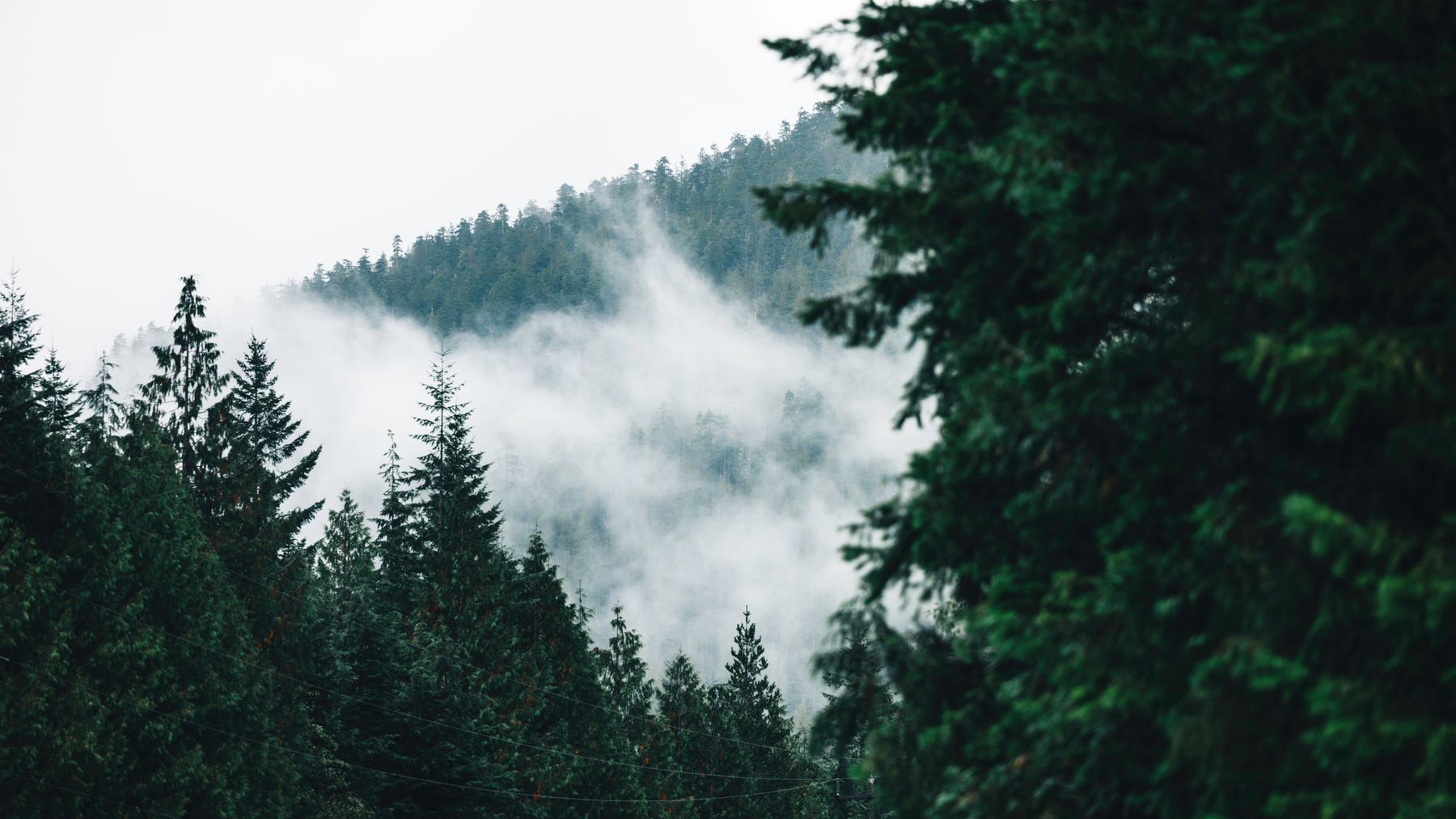
Photo by Ali Kazal on Pexels
Access and Logistics
The park is roughly a 1.5- to 2-hour drive west from central Hanoi via Highway 21. Motorbikes are viable if you're confident in traffic; organized tours from Hanoi also operate. Entrance fees apply (typically 30,000–50,000 VND per person for day access); check current rates at the gate or with local tour operators. Operating hours are roughly dawn to dusk; arrive early if you plan a full Vua Mountain trek, as the final ascent takes 2–3 hours and you'll want daylight for the descent.
Bring water, snacks, sturdy hiking shoes, and a light rain jacket—clouds often mean mist or brief showers. The surrounding towns (Son Tay, Hoa Binh) have guesthouses and pho shops if you prefer an overnight stay, though a day trip from Hanoi is entirely feasible.
If you're on a motorbike, the ride itself is half the experience. Once you clear the Hanoi suburbs past Hoa Lac, the road opens up through rice paddies and small villages. From the park's main gate, a paved road winds 12km uphill to the upper parking lot (Cot Co area at ~600m). Motorbikes and cars can drive this stretch—it's steep but well-maintained. A separate vehicle fee of 15,000-25,000 VND applies for motorbikes; cars pay more.
For those without their own wheels, Grab cars from central Hanoi will cost roughly 400,000-600,000 VND one way, depending on traffic. A few tour operators in the Old Quarter run day trips for around 800,000-1,200,000 VND per person, usually including transport, lunch, and a guide.
What to Eat Nearby
Don't expect much inside the park itself—there's a scattering of drink vendors near the upper parking area selling water, instant noodles, and "ca phe" from thermoses, but nothing resembling a proper meal. Plan your eating for before or after the hike.
Son Tay town, about 15km east of the park entrance, has a handful of local "com binh dan" (everyday rice) restaurants along the main road. A plate of rice with grilled pork, greens, and soup runs 35,000-50,000 VND. For something more specific, look for "bun cha" stalls—Son Tay's version is solid, if not quite the equal of the famous spots in Hanoi's Old Quarter.
On the road between Hanoi and Ba Vi, you'll pass through villages known for "banh cuon"—thin steamed rice rolls filled with minced pork and mushroom. A few roadside places near Quoc Oai district are locally well-regarded. A full portion costs 30,000-40,000 VND. If you're returning to Hanoi hungry, the Cau Giay and My Dinh neighborhoods on the western approach have reliable pho and bun rieu spots open late into the evening.
What Surprises Foreigners
The clouds are constant, not occasional. First-time visitors often check the weather forecast, see "partly cloudy," and expect views from the summit. Ba Vi makes its own weather. The peaks are socked in with fog more often than not, especially from April to October. If you get a clear summit view, consider it a bonus, not the baseline.
Vietnamese visitors far outnumber foreigners. This isn't a backpacker trail. On weekends, the parking lot fills with families from Hanoi, groups of university students, and pilgrims heading to the temple. The atmosphere is social—picnics, group photos, karaoke speakers at the lower rest areas. If you want solitude, go on a Tuesday or Wednesday morning.
The steps are the hike. There's no scrambling, no route-finding, no wilderness navigation. It's a stone staircase through forest. This can feel anticlimactic if you expected a rugged mountain trek, or deeply satisfying if you just wanted a hard physical effort in cool air. Know which one you're signing up for.
It's colder than you expect. Hanoi might be 35°C when you leave; the summit can be 18-20°C with wind chill from the fog. Vietnamese hikers often bring full jackets. Don't underdress just because it's Southeast Asia.
Motorbike parking politics. On busy weekends, informal parking attendants near the upper lot will wave you into spots and then charge 10,000-20,000 VND. This is normal. Don't argue the price; do make sure you get a ticket stub so your bike is watched.
Quick Reference
- Distance from Hanoi center: 48 km (1.5-2 hours by road)
- Staging town: Son Tay (15 km east of park gate)
- Park area: 10,815 hectares
- Highest point: Vua Mountain, 1,296 m
- Other peaks: Tan Vien (1,226 m), Ngoc Hoa (1,120 m)
- Entrance fee: 30,000-50,000 VND per person
- Motorbike parking: 15,000-25,000 VND
- Hours: Dawn to dusk (arrive by 8:00 AM for a full Vua Mountain trek)
- Best months: October-March (cooler, clearer skies)
- Summit trek time: 60-90 minutes up, 40-60 minutes down
- What to bring: Water (1.5L minimum), rain jacket, hiking shoes, snacks, cash
- Useful Vietnamese: "Cho toi mot chai nuoc" (Give me a bottle of water), "Dinh nui o dau?" (Where is the summit?)
Why It Works as a Getaway
Ba Vi is neither a major tourist monument nor a backpacker circus. It's a real mountain park with genuine trails, genuine forests, and a working temple. The cloud-covered peaks, the volcanic geology, and the stone steps to the temple create a sense of being removed from Hanoi—which, from the city center in August heat, is the entire point.
If you're spending several days in Hanoi and want a break from Old Quarter density, traffic noise, and sidewalk "bia hoi" sessions, Ba Vi delivers that reset in a half-day without requiring a flight or overnight bus to Sapa or Ha Giang. You can eat "pho" for breakfast in Hoan Kiem, hike to 1,296 meters by noon, and be back in the city for "bun cha" dinner. Not many capital cities offer that range within a two-hour drive.
Final Note
Ba Vi rewards low expectations and good shoes. Don't come chasing a summit panorama—come for the climb itself, the fog rolling through ancient forest, and the satisfaction of earning a temple visit with 1,320 steps of effort. It's one of the most accessible real mountain experiences near any major city in Vietnam, and it costs less than a decent lunch in the Old Quarter.
Last updated · May 29, 2026 · independently researched, never sponsored.