Hanoi is one of Southeast Asia's safest and most rewarding cities for solo female travelers, offering a mix of chaotic energy and quiet, leafy sanctuaries. This ten-day itinerary helps you navigate the capital at a deliberate pace, balancing classic sights with neighborhood exploration and safety-conscious local tips.
Day 1 — Landing and Finding Your Feet in Hoan Kiem
Arrive at Noi Bai International Airport and take a fixed-fare airport taxi or a Grab (around 300,000 to 350,000 VND) straight to your hotel. Base yourself in the southern edge of the Old Quarter or near Cathedral Quarter—these areas are highly walkable, well-lit at night, and packed with English-speaking boutique hotel staff.
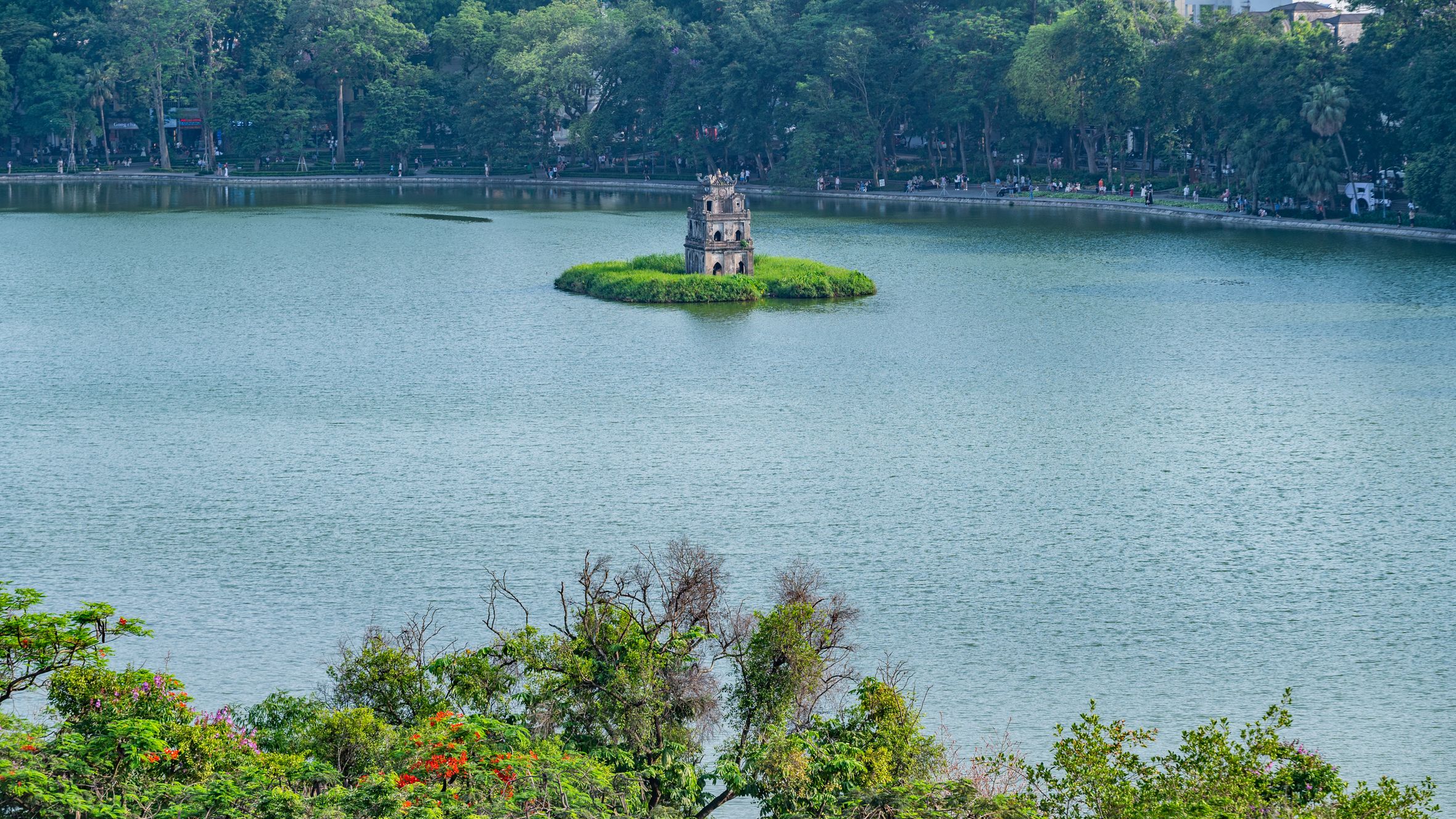
Spend your first afternoon taking a slow walk around Hoan Kiem Lake. The lake acts as the city's emotional heart and is an easy, low-pressure introduction to the local pace. For dinner, head to a bright, busy spot like Pho 10 Ly Quoc Su for your first bowl of beef "pho". The high turnover ensures the ingredients are fresh, and the open kitchen lets you watch the assembly process.
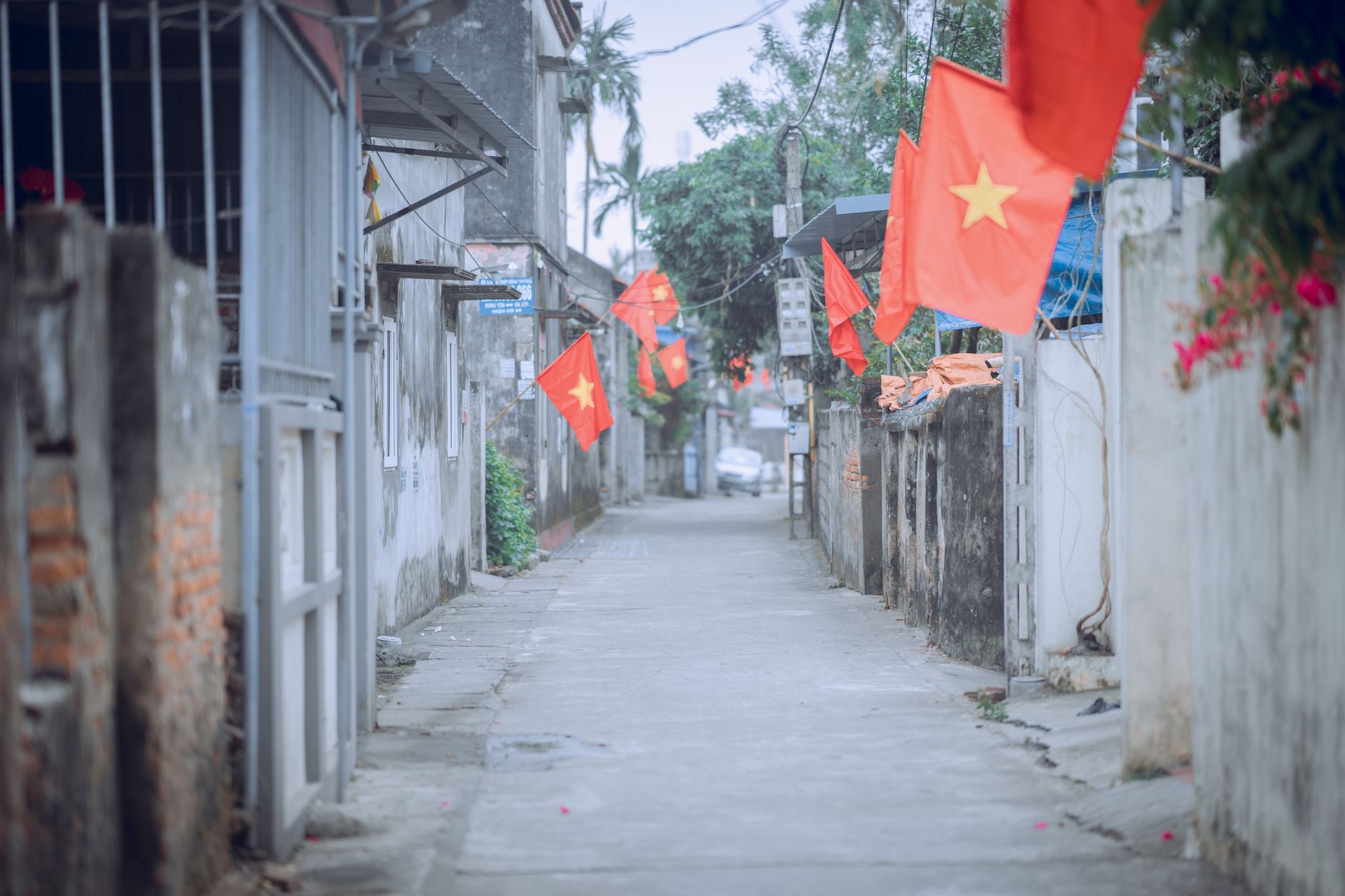
Off-script suggestion: Skip the main lake path for an hour and wander the narrow residential alleys directly behind St. Joseph's Cathedral. You will find quiet, multi-story clothing boutiques and tiny nail salons tucked away from the motorbike traffic.
Day 2 — Architecture and Coffee in the French Quarter
Start your morning with a walk down the wide, tree-lined sidewalks of Trang Tien street, heading toward the Hanoi (하노이 / 河内 / ハノイ) Opera House. The French Quarter offers a stark contrast to the cramped alleys of the Old Quarter, with its yellow-walled colonial villas and grand government buildings.
Stop for a mid-morning "ca phe sua da (연유커피 / 越南冰咖啡 / ベトナムアイスコーヒー)" (iced milk coffee) or a traditional hot "vietnamese coffee" at Cafe Lam on Nguyen Huu Huan. Operating since the 1950s, this cafe famously served local artists who paid for their drinks with paintings that still line the walls.
Off-script suggestion: Visit the quiet courtyard of the National Museum of History. Even if you do not go inside the museum, the building itself—a masterpiece of Indochina architecture designed by Ernest Hebrard—is surrounded by a peaceful garden that offers a quiet escape from the midday heat.
Day 3 — The Historic Core of Ba Dinh
Head west to Ba Dinh district, the political center of Vietnam. Start at the Temple of Literature, a peaceful compound of courtyards and ancient pavilions dedicated to Confucius. From there, take a short walk to the nearby One Pillar Pagoda, a historic Buddhist temple rising from a lotus pond.
Keep your dress modest today (shoulders and knees covered) as you are entering areas of cultural and historical significance. Grab a light lunch of fresh spring rolls nearby.
Off-script suggestion: Walk fifteen minutes north into the residential neighborhood of Ngoc Ha to find Huu Tiep Lake. Here, the rusted metal remains of a B-52 bomber sit in the middle of a quiet neighborhood pond, surrounded by local houses and small cafes where you can sit and watch daily life.
Day 4 — West Lake Breezes and Pagodas
Take a Grab ride north to Tay Ho (West Lake), the city's largest freshwater lake. The air here is noticeably fresher, and the vibe is much more laid-back. Visit Tran Quoc Pagoda, which sits on a small island on the eastern shore of the lake and dates back to the 6th century.
Spend the afternoon walking along the lakeside path. The area is popular with expats and features excellent vegetarian restaurants, juice bars, and lakeside cafes.
Off-script suggestion: Seek out the quiet alley of Tu Hoa. It is a residential lane that juts out over the water, offering a peaceful view of the West Lake villas and the water without the constant roar of the main road.

Photo by Ama Journey on Pexels
Day 5 — Street Food Deep Dive
Dedicate today to exploring Hanoi's culinary landscape. Start your afternoon with "bun cha" (grilled pork patties in warm dipping sauce with rice noodles) at Bun Cha Dac Kim, or visit Bun Cha Huong Lien, the spot made famous when Barack Obama dined there with Anthony Bourdain.
In the afternoon, grab a crispy pork "banh mi" from a street cart or a dedicated shop like Banh Mi 25. End your food tour with a rich, custard-like "egg coffee" at Cafe Giang, the birthplace of the drink.
Off-script suggestion: Walk along the Phung Hung Mural Street. The stone railway arches here have been painted by Vietnamese and Korean artists to depict scenes of old Hanoi, making it a great spot for a quiet afternoon stroll.
Day 6 — Truc Bach and the Art of Slowing Down
Truc Bach is a smaller lake separated from West Lake by the busy Thanh Nien road. It is highly walkable and lacks the tourist crowds of the Old Quarter. Spend your morning wandering around Ngu Xa island on the eastern side of the lake.
For lunch, try "pho cuon" (beef and herbs rolled in fresh, uncut sheets of pho noodle) at one of the simple restaurants along the water.
Off-script suggestion: Find Loading T, a cafe housed in a beautifully decaying colonial building on Chan Cam street. Spend the afternoon reading, writing, or planning the rest of your trip in their quiet, vintage-tiled upstairs room.
Day 7 — Art, Textiles, and Water Puppets
Spend your morning at the Vietnam National Fine Arts Museum on Nguyen Thai Hoc. The collection includes ancient Buddhist sculptures, delicate silk paintings, and powerful mid-century lacquer art. It is rarely crowded, making it a peaceful space for solo contemplation.
In the evening, head to the Thang Long Water Puppet Theatre near Hoan Kiem Lake. The traditional "water puppetry" performance, accompanied by a live orchestra playing traditional instruments, is a unique northern Vietnamese art form.
Off-script suggestion: Skip the cheap souvenir stalls and visit Collective Memory on Nha Chung street. This boutique sources high-quality, ethically made local crafts, ceramics, and modern interpretations of the traditional "ao dai" dress.

Photo by Nguyen Ngoc Tien on Pexels
Day 8 — Bridges and Markets
Wake up early to walk across a portion of the historic Long Bien Bridge. Designed by the Dayde & Pille company and completed in 1902, this iron span across the Red River has survived multiple historic conflicts and still carries trains, motorbikes, and pedestrians.
Afterward, walk back toward the city center to explore the chaotic, multi-story Dong Xuan Market. While the interior is mostly wholesale, the surrounding streets are excellent for observing local trade.
Off-script suggestion: Climb up to Serein Cafe & Lounge, a multi-story cafe directly facing the Long Bien Bridge. It offers a safe, elevated vantage point to photograph the passing trains and the chaotic flow of traffic below.
Day 9 — The Ceramic Village of Bat Trang
Take a day trip to Bat Trang, a traditional ceramic village located about 15 kilometers southeast of central Hanoi. You can easily book a Grab car to take you there and back. The village has been producing pottery since the 14th century.
Explore the narrow brick alleys where houses still dry clay tablets on their walls. The local market is filled with everything from cheap cups to massive, ornate vases.
Off-script suggestion: Skip the main commercial showrooms and head deep into the village alleys to find a local workshop. For about 50,000 VND, many local potters will let you sit at a traditional manual pottery wheel to try throwing your own clay cup or bowl.
Day 10 — A Quiet Farewell
Use your final day to revisit your favorite spots or pick up last-minute items. Walk through the quiet lawns of the Imperial Citadel Thang Long, a UNESCO World Heritage site that served as the center of regional political power for thirteen uninterrupted centuries.
In the evening, find a quiet corner to enjoy a cold glass of "bia hoi" (fresh draft beer) at a local sidewalk spot away from the noisy tourist hub of Ta Hien street.
Off-script suggestion: Find a small cafe along the quieter section of the train tracks near Phung Hung street. Sit with a drink and watch the local residents go about their daily routines right alongside the rails before the evening train passes through.
Practical notes
Hanoi is exceptionally safe for solo female travelers, with violent crime being extremely rare. Your main safety concerns will be navigating the chaotic motorbike traffic—cross the street slowly and predictably—and keeping an eye on your personal belongings in crowded markets. Download the Grab app before arriving for reliable, pre-priced transport across the city.
Last updated · May 30, 2026 · independently researched, never sponsored.