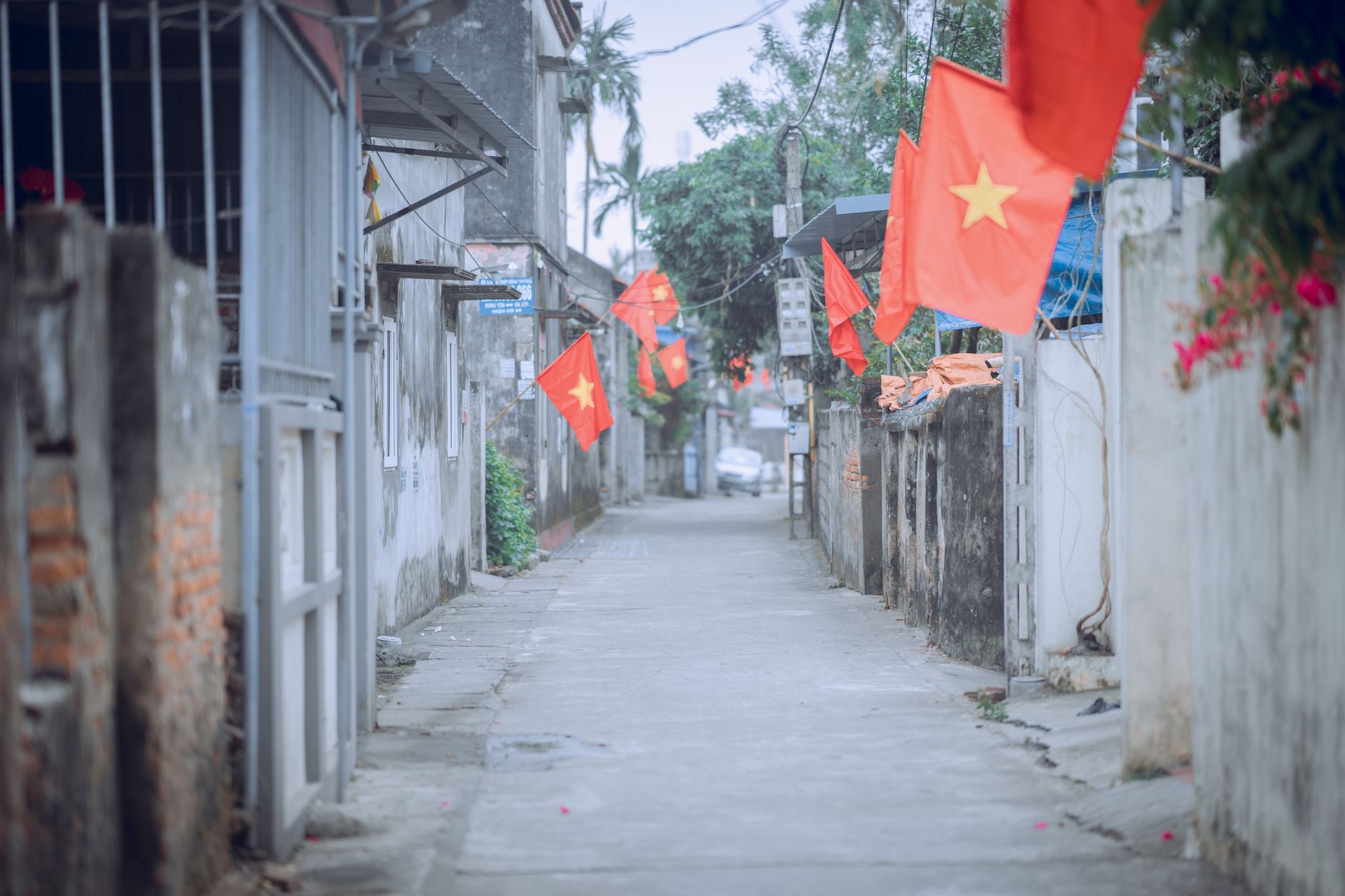
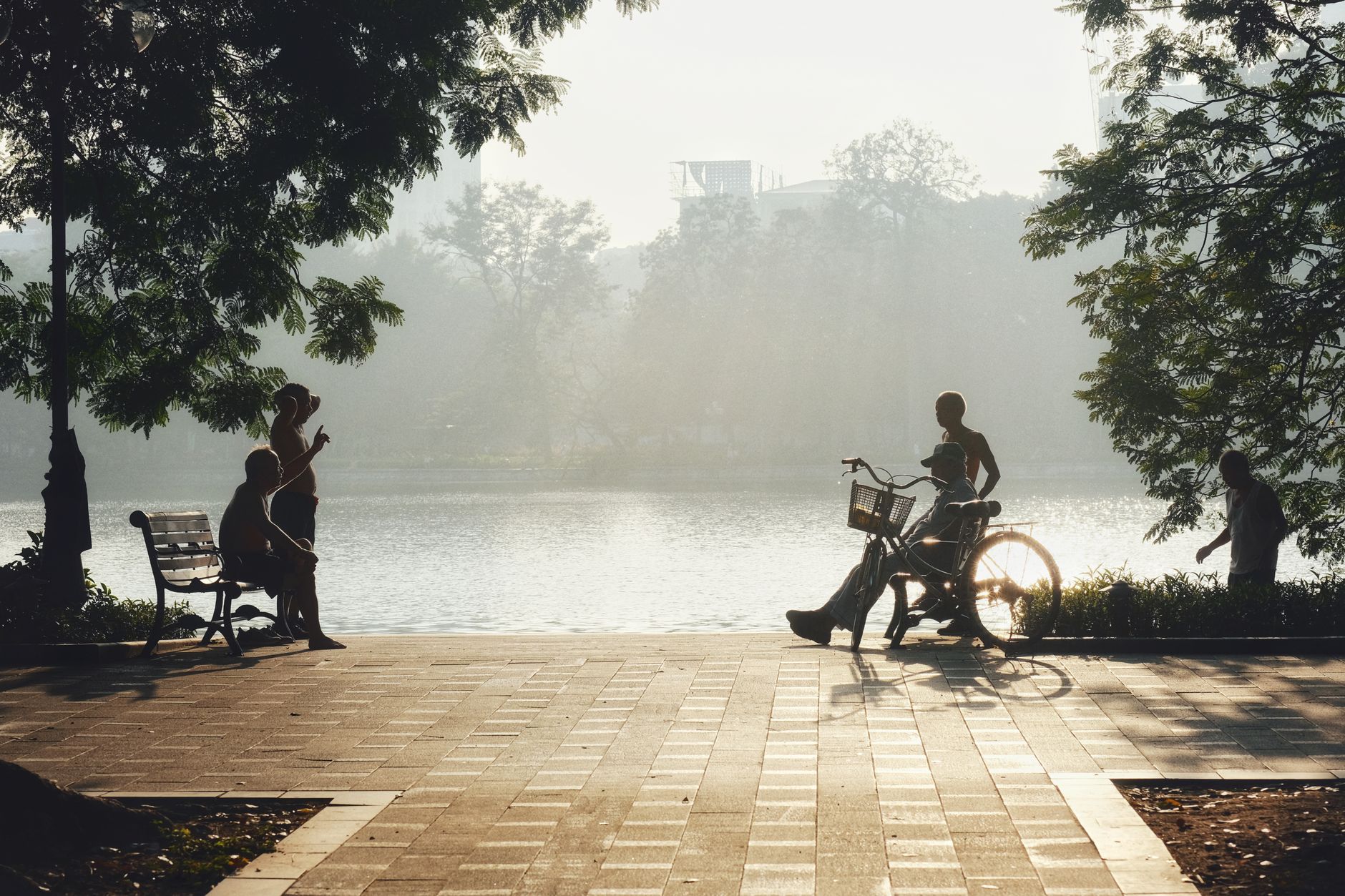
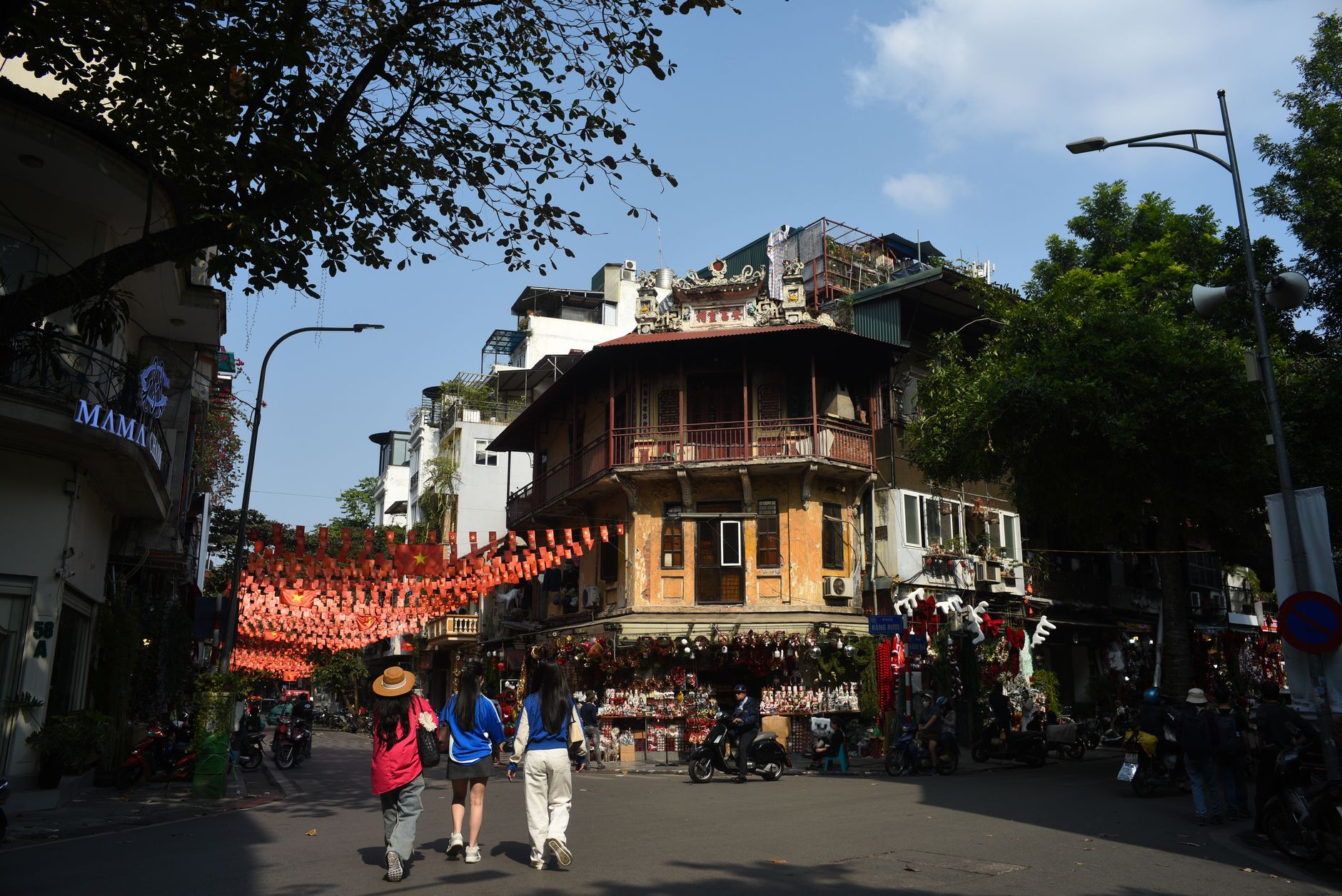
Ha Tien sits in Kien Giang province, alongside Rach Gia and Phu Quoc. It's the kind of place most travelers skip—which is exactly why it's worth two days.
Getting There
From Ho Chi Minh City, take a sleeper bus from Mien Tay Bus Station. Kumho, Lien Hung, Phuong Trang, and Hoang Minh all run the route; expect 7 hours overnight and arrive by morning. This timing lets you hit the fish market while it's still moving.
Tickets typically cost 180,000–250,000 VND depending on the operator and whether you book online or at the station. Phuong Trang (also called Futa Bus) runs the most departures—usually 8:00 PM, 9:00 PM, and 10:30 PM from Mien Tay. Arrive at the station 30 minutes early; seats fill during holiday weekends and Tet. If you're coming from Da Lat or Can Tho, you'll need to connect through Rach Gia first—add roughly 2–3 hours by local bus or minivan from Rach Gia to Ha Tien (around 90 km).
Another option: fly into Phu Quoc, then take the Superdong speedboat from Phu Quoc to Ha Tien. The ferry runs daily, takes about 80 minutes, and costs around 250,000–350,000 VND. It's a solid route if you want to pair Ha Tien with a longer Phu Quoc trip.
Day 1: Beach, Tombs, and Local Food
Breakfast: "Bun Ken"
Start with "bun ken", a Ha Tien signature—thick, creamy coconut broth loaded with fish (barracuda, queenfish, yellowtail scad), green mango, fresh herbs, and dried shrimp. The broth carries a subtle sweetness from the fish and the richness of coconut milk. You'll find it at any breakfast stall near the central market.
A bowl costs 25,000–35,000 VND. Most stalls serve from around 6:00 AM until they sell out, usually by 9:00 AM. If you've eaten "pho" or "bun rieu" in Hanoi and Saigon, this is a completely different texture—thicker, richer, and distinctly Khmer-influenced. The coconut base sets it apart from anything you'll find further north. Ask for extra herbs on the side ("them rau" — say "tem zow") and squeeze lime over the top before you eat.
Mac Family Tombs
Climb Binh San Mountain (1.5 km from city center) to the Mac family temple and tomb complex. The Mac family pioneered Ha Tien's development over 300 years. The site is quiet, the views over the city are solid, and the air feels like stepping back.
The complex is free to visit and open daily. Give yourself 45 minutes to walk the grounds. The carved stone and weathered inscriptions tell the story of Mac Cuu, a Chinese merchant who built Ha Tien into a thriving port town in the early 1700s. If you have any interest in Mekong Delta (메콩 델타 / 湄公河三角洲 / メコンデルタ) history, this is more rewarding than it looks from the road.
Mui Nai Beach
Six kilometers from town, Mui Nai Beach is where mountains, sky, and water meet without drama. Take the observation deck on Ta Ban Mountain for the full view—you'll see the beach, surrounding islands, and nothing that looks developed. Swimsuit optional; crowds definitely are.
A xe om (motorbike taxi) from the city center to Mui Nai runs about 30,000–50,000 VND, or you can rent a motorbike for the day at your guesthouse for 120,000–150,000 VND. The beach itself is free to access, though you'll pay 10,000–20,000 VND to rent a plastic chair and umbrella from the vendors. The water is calmest in the dry season (November through April). During the wet months, it gets choppy and the visibility drops—still swimmable, just not postcard-clear. Bring your own water and sunscreen; the handful of beachside shacks sell snacks and drinks at slightly marked-up prices, but nothing outrageous.
Dinner: Local Specialties
For a proper meal, order "[com tam](/posts/com-tam-saigon (사이공 / 西贡 / サイゴン)-broken-rice)" (broken rice), "hu tieu hap" (steamed noodle dish), "nem nuong" (grilled pork sausage), or "ga dot" (roasted chicken). If you want something lighter, try "banh tam bi" (thick rice noodles with pork skin), "banh canh ghe" (crab noodle soup), or "xoi Ha Tien" (Ha Tien sticky rice). The best spots are near the central market—Mac Thien Tich and Phuong Thanh streets especially. You can also eat right at Mui Nai if you time it right.
Budget 50,000–120,000 VND per person for dinner depending on how much seafood you order. "Banh canh ghe" with real blue crab usually sits at the higher end. If you're unsure what to order, point at what the table next to you is eating—no one minds, and the staff are used to it. A useful phrase: "Cho toi mon nay" ("cho toy mon nai") means "Give me this dish."
Where to Stay
Ha Tien has no luxury hotels, but guesthouses and 3-star hotels are plentiful and cheap. Stay in the city center if you like walking, visiting the night market, and catching the evening breeze off the water.
Expect to pay 200,000–500,000 VND per night for a clean room with air conditioning, hot water, and Wi-Fi. Hotels along Tran Hau and Mac Thien Tich streets put you within walking distance of the market, the river promenade, and most restaurants. Book directly at the front desk for the best rate—online platforms often add 10–15%. The night market runs along the riverfront and is worth a slow walk after dinner. It's small, mostly local snacks and household goods, but "che" (sweet dessert soup) vendors line the edges and a cup costs 15,000–20,000 VND.

Image by Thomas Hirsch / User:Ravn via Wikimedia Commons (CC BY-SA)
Day 2: Fish Market and Pirate Island
Early Morning: The Fish Market
Arrive before sunrise at Ha Tien's central fish market—it opens early and clears fast. This is the cheapest, freshest seafood market in the region. Blue crab runs just over 100,000 VND per kilogram. Shrimp, snails, and fish cost anywhere from tens of thousands to hundreds of thousands dong. Some stalls will prep your catch on the spot if you ask.
The market gets active around 4:30–5:00 AM and winds down by 7:30 AM. It sits right along the To Chau River, so boats pull up and unload directly into the stalls. If you want to buy and cook (some guesthouses have shared kitchens), point and negotiate—prices aren't fixed, but they're already low compared to Saigon or Phu Quoc. For reference: a kilo of fresh shrimp runs 80,000–150,000 VND depending on size, and a kilo of squid around 60,000–100,000 VND. "Bao nhieu?" ("bow nyew?") means "How much?" and is the only phrase you strictly need.
Pirate Island (Dao Hai Tac)
Thirty kilometers offshore (nearly an hour by speedboat), Pirate Island is actually an archipelago of 18 islets covering over 251 hectares. In the 18th century, this was a pirate stronghold used to raid merchant ships across Southeast Asia. The name stuck.
It's not as famous as Phu Quoc or Nam Du, which is why it still feels wild. You'll see fishing villages, untouched scenery, and fishing boats that look like they've been there forever. Book a package tour or buy a boat ticket and go alone—either works. A full day trip runs 7–8 hours depending on how much time you spend. Don't skip the fresh seafood. Watch the boat schedule so you don't miss the last departure.
Package tours typically cost 400,000–700,000 VND per person and include the speedboat, a guide, lunch, and snorkeling gear. Independent tickets are cheaper but less predictable—boats leave when they fill, and during low season (May–September), departures can be irregular. Bring cash; there are no ATMs on the islands. The seafood lunches served on the main islet are simple—grilled fish, steamed shrimp, rice—and cost around 100,000–150,000 VND if you're eating on your own. The water around the outer islets is the clearest, and that's where most snorkeling happens.
Border Gate
Before you leave, stop at the Ha Tien International Border Gate (near the city center). It connects to Cambodia's Kampot province. Border marker 313 marks the boundary and is part of the trans-border route linking Vietnam, Cambodia, and Thailand.
If you're continuing into Cambodia, the crossing is straightforward for most passport holders. Vietnamese e-visas don't cover overland exits, so confirm your visa type before planning a cross-border loop. The gate area itself is worth a quick photo and a look at the daily commerce—trucks loaded with goods pass through all morning.

Image by Christopher Crouzet via Wikimedia Commons (CC BY-SA)
If You Have More Time
Hon Phu Tu (Father and Son Islet), Tam Bao Pagoda, Nui Den (Lighthouse Mountain), and Bai Bang Beach are all within reach. Pick one based on light and mood.
Tam Bao Pagoda is the oldest Buddhist temple in Ha Tien, sitting right in the center of town—walkable from most hotels. It's calm in the early morning and doesn't require more than 20 minutes. Nui Den (about 3 km from the center) gives you a solid coastal panorama from the top, and the climb takes roughly 30 minutes at a normal pace. If you have a rented motorbike, Bai Bang Beach (10 km west of town) is quieter than Mui Nai and popular with locals on weekends.
What Surprises Foreigners
The Khmer influence is everywhere. Ha Tien is close to the Cambodian border, and the food, architecture, and local culture reflect that. "Bun ken" itself is Khmer-origin. You'll see Khmer script on some temple signs and hear Khmer spoken in the market. If you've only traveled in Hanoi or Hoi An, the Mekong Delta borderlands feel like a different country.
It's genuinely cheap. Even by Vietnamese standards, Ha Tien undercuts most tourist areas. A full day of eating—breakfast, lunch, dinner, snacks, and drinks—can come in under 200,000 VND if you eat at market stalls. "Ca phe sua da" (iced milk coffee) costs 12,000–18,000 VND at street-side shops, roughly half the price of a similar cup in Saigon's District 1.
The town shuts down early. By 9:30 PM, most restaurants close. The night market winds down around the same time. If you're coming from Saigon's nightlife or the "bia hoi" corners of Hanoi, recalibrate your expectations. Ha Tien's entertainment is sunrise, seafood, and slow walks along the river.
Don't expect English. Very few people in Ha Tien speak English. A few basic Vietnamese phrases go a long way. "Cam on" ("gam uhn") for thank you, "Xin chao" ("sin jow") for hello, and "Tinh tien" ("tin tee-en") for "check, please" will cover most interactions. Google Translate's camera mode works well for menus.
Weather matters. Dry season (November–April) is the best window. The wet season brings afternoon downpours that can cancel boat trips to Pirate Island and turn unpaved roads muddy. If you only have one shot, aim for December through March.
Quick Reference: Ha Tien at a Glance
- Province: Kien Giang
- Distance from Saigon: ~300 km (7 hours by bus)
- Distance from Rach Gia: ~90 km (2–3 hours by bus)
- Getting there: Sleeper bus from Mien Tay Station, or speedboat from Phu Quoc
- Best months: November–April (dry season)
- Budget per day: 300,000–600,000 VND (food, transport, basic accommodation)
- Currency tip: Bring cash. ATMs exist but can be unreliable; no card terminals at market stalls or small restaurants.
- Must-try dish: "Bun ken" (coconut fish noodle soup), 25,000–35,000 VND
- Key streets: Mac Thien Tich, Phuong Thanh, Tran Hau (all central, walkable)
- Pirate Island tour: 400,000–700,000 VND per person (full day)
- Motorbike rental: 120,000–150,000 VND per day
- Language: Vietnamese; almost no English spoken. Learn five phrases.
Final Note
Ha Tien rewards the kind of traveler who doesn't need a checklist. Two days is enough to eat well, see the coastline, and take a boat to islands that most people have never heard of. It's not polished, it's not set up for Instagram, and that's the whole point. Come before it changes.
Last updated · May 29, 2026 · independently researched, never sponsored.