If you've been ordering "ca phe sua da" every morning and assuming that's the full range of Saigon's iced coffee scene, "bac xiu" is the drink that's been sitting a few stools down the counter, largely ignored by tourists.
Where It Comes From
Bac xiu traces its roots to Cholon — Saigon (사이공 / 西贡 / サイゴン)'s Chinatown district, centered around Binh Tay Market in District 5. Cholon (the name roughly means "big market" in Cantonese) was for much of the 19th and 20th centuries one of the most commercially active Chinese communities in Southeast Asia, drawing Cantonese, Teochew, and Hokkien migrants who brought their food habits with them.
Chinese-style cafes in Cholon traditionally served drinks with a higher ratio of condensed milk to coffee — closer to Hong Kong-style milk tea logic, where the dairy is the point, not an afterthought. Over generations, this blended with Vietnamese drip-filter coffee culture to produce bac xiu: a drink that is unmistakably Vietnamese in its preparation but Cantonese in its proportions and spirit.
The name itself comes from Cantonese: baak siu (白少), meaning roughly "white, small" or "mostly white" — which is exactly what you're looking at when it arrives.
What Makes It Different from Ca Phe Sua
The short version: bac xiu is the inverse of ca phe sua da. Where "ca phe sua da" is predominantly coffee with condensed milk added for sweetness and body, bac xiu flips those proportions. You get a base of condensed milk — sometimes with added fresh milk or evaporated milk — with only a small shot of Vietnamese drip coffee stirred in for flavor and color.
The result is pale, almost beige. It's noticeably sweeter, significantly creamier, and much lower in caffeine. The coffee presence is more of a background note — a bitterness that cuts through the sweetness without dominating it. Think of it less as a coffee drink with milk and more as a milk drink with coffee.
That distinction matters for a few reasons:
- Caffeine sensitivity: Bac xiu is a reasonable option if you want the ritual of a Vietnamese coffee without the jolt. It's also common to see older Vietnamese drinkers choose it for exactly this reason.
- Sweetness level: It's sweet in a way that ca phe sua is not. If you typically find Vietnamese iced coffee too intense or bitter, bac xiu is a logical step sideways rather than a compromise.
- Texture: The higher milk ratio gives it a thickness that feels almost dessert-adjacent. Some versions add a layer of condensed milk sitting at the bottom of the glass before the ice goes in — you stir it yourself.

Photo by Nguyễn Trường on Pexels
How It's Made
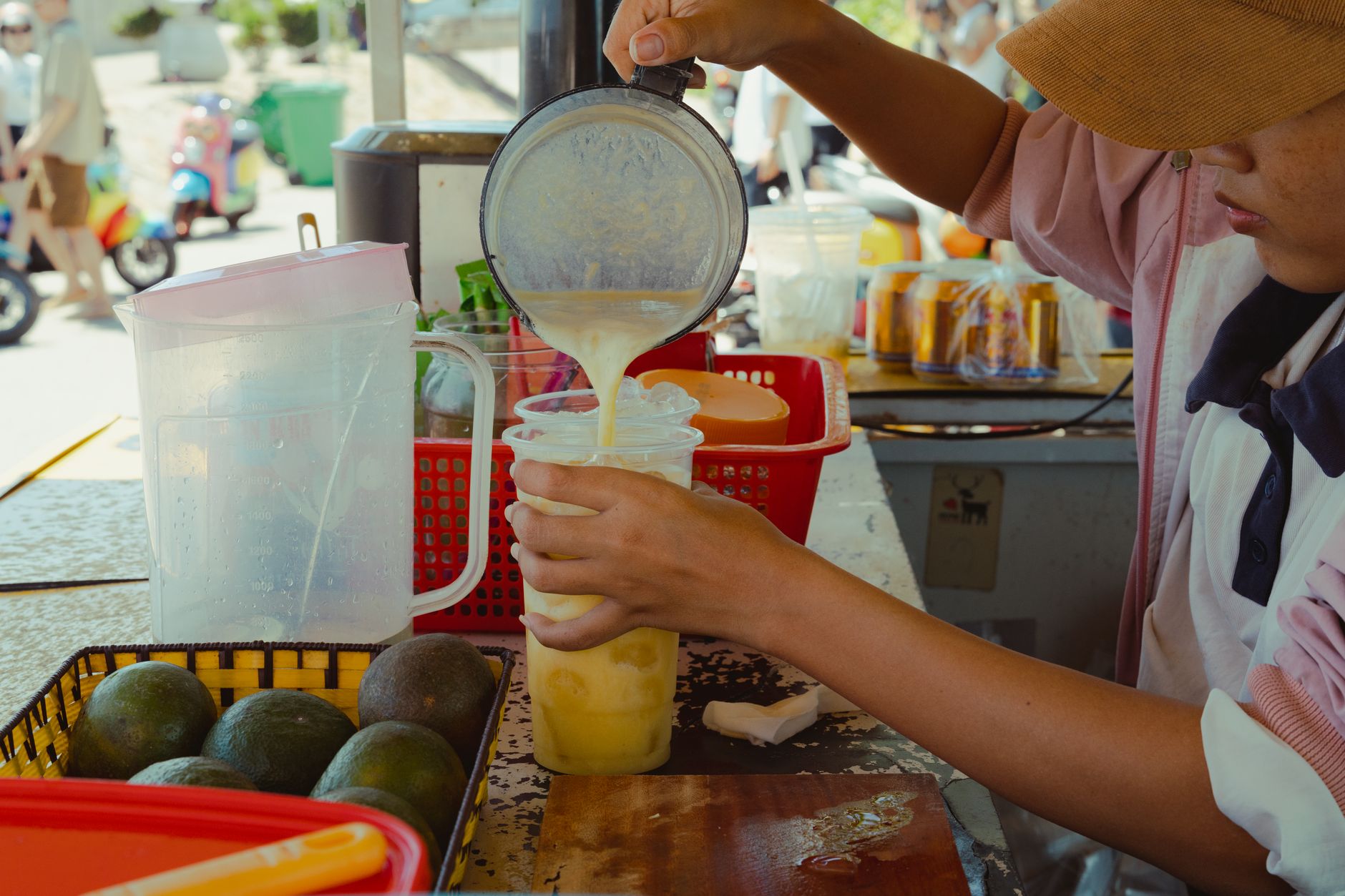
The preparation follows the same basic Vietnamese drip method. A small phin filter sits over a glass containing condensed milk — sometimes a mix of condensed and evaporated milk — and a short brew of dark-roast Vietnamese coffee drips through. The coffee amount is reduced compared to a standard ca phe sua: maybe 60–70% milk to 30–40% coffee, though this varies by shop and by how the person behind the counter reads you.
Served iced (bac xiu da) is standard in Saigon's heat. A hot version (bac xiu nong) exists but is less common outside of older-style cafes in District 5.

Photo by 🇻🇳🇻🇳Nguyễn Tiến Thịnh 🇻🇳🇻🇳 on Pexels
Where to Find It in Saigon
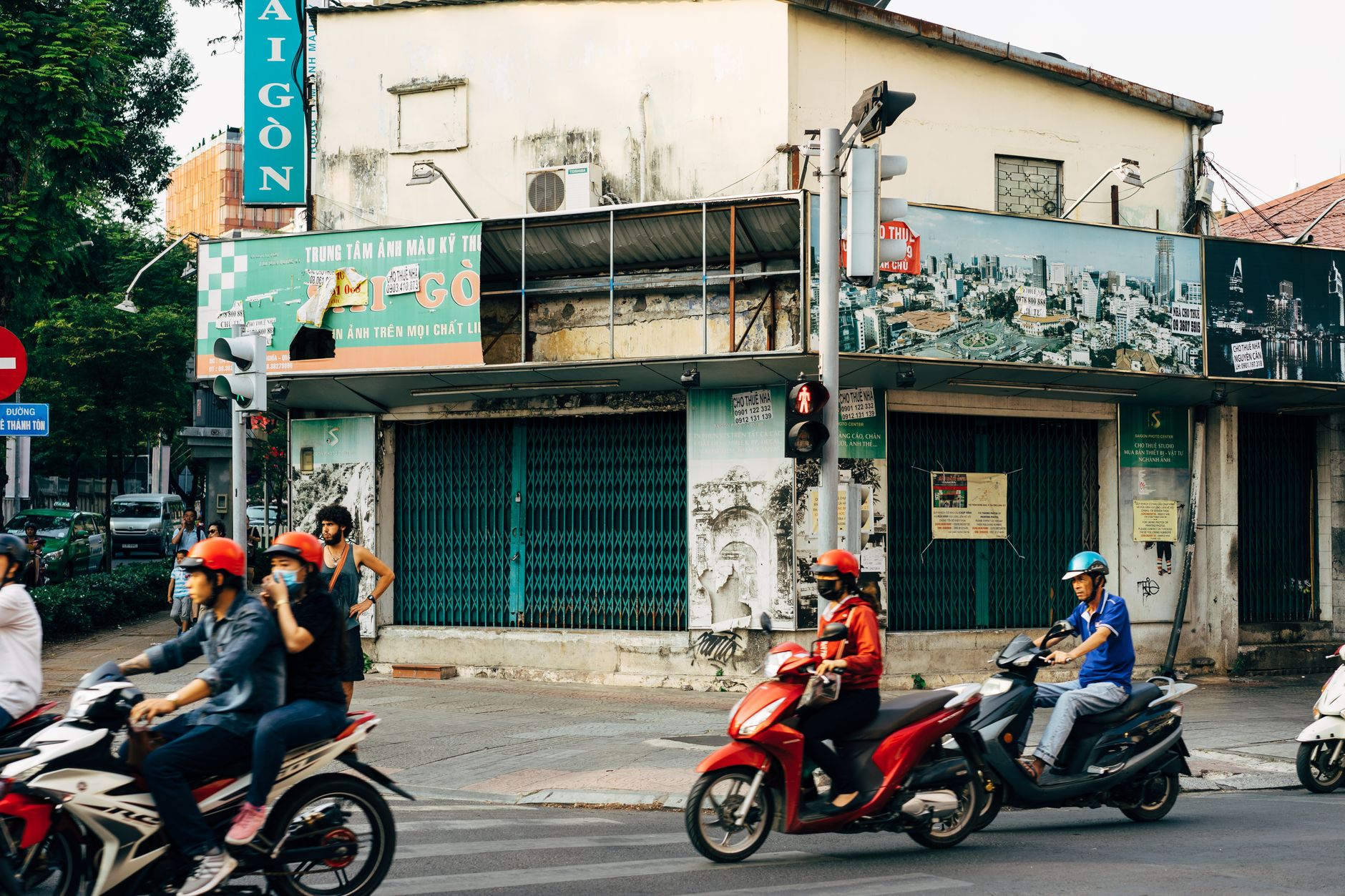
Bac xiu is not hard to find in Saigon, but it's most authentic in and around Cholon. The drink has spread city-wide over time, and plenty of street-side coffee carts will recognize the order — but the older ca phe shops along Chau Van Liem Street and Nguyen Trai Street in District 5 are where it feels most at home.
A few practical pointers:
- Phuoc Kien Ca Phe (near Binh Tay Market, District 5) is a long-running spot that draws a mostly local crowd and keeps prices around 25,000–30,000 VND for a glass of bac xiu da.
- Any "ca phe co truyen" (traditional coffee) shop in District 5 will almost certainly have it on the board. If you don't see it listed, just ask — most of the old-school spots know the order.
- Outside of District 5, look for cafes that have been around for a while. Newer specialty coffee shops in District 1 or District 3 are less likely to carry it, and if they do, it may be an adapted version rather than the original proportions.
Pricing across the city sits between 20,000 and 40,000 VND depending on location. You're not going to find it at 80,000 VND unless someone has decided to give it a rebrand.
Why It's Worth Trying
Bac xiu isn't better or worse than ca phe sua da — it's a different drink making a different argument. It exists because one community adapted Vietnamese coffee culture to fit their own flavor memory, and the result quietly became part of the city's fabric without ever getting much attention outside of Cholon.
If you're spending time in Saigon and working through the city's coffee culture — from vietnamese coffee brewed through a phin to the richer ca phe sua da tradition — bac xiu fills in a gap that most coffee guides skip entirely. It's also a practical reason to spend a morning in District 5, which deserves more than a quick walk through Binh Tay Market.
Practical notes: Bac xiu is most reliably found in District 5 around Binh Tay Market. Order it by name — most Saigon coffee vendors will understand immediately. Expect to pay 25,000–35,000 VND at a street-side shop, and ask for it da (iced) unless you're visiting before 8 a.m. and the weather is uncharacteristically cooperative.
Last updated · May 29, 2026 · independently researched, never sponsored.