What it is
The Khmer Museum in Soc Trang — known locally as "Bao Tang Khmer" — is one of the few museums in southern Vietnam dedicated entirely to the culture, religion, and daily life of the Khmer ethnic minority in the Mekong Delta (메콩 델타 / 湄公河三角洲 / メコンデルタ). It sits in what was formerly Soc Trang province, now part of the expanded Can Tho administrative area. The museum occupies a modest compound on Mau Than Street, roughly a block from the Soc Trang city center, and houses a collection that covers everything from traditional Khmer looms and fishing tools to elaborate festival costumes and Buddhist ritual objects.
The building itself went through several renovations since its original opening in the 1990s, but the displays still carry a kind of earnest, low-budget charm — handwritten labels, dioramas with painted backdrops, and real artifacts donated by local Khmer families. It is not the Louvre. It is better than the Louvre at explaining how people in this specific corner of the delta actually live.
Why travelers go
Most visitors to the Mekong Delta stick to Can Tho (껀터 / 芹苴 / カントー)'s floating markets, eat some "hu tieu", and head back north. That is a fine trip, but it misses one of the most distinctive things about this region: roughly 30% of the population in the Soc Trang area is ethnically Khmer, with deep roots predating Vietnamese settlement. The museum gives that context. You walk through rooms covering Khmer weaving, "Oc Eo" archaeological finds, Theravada Buddhist practice, and the annual Ok Om Bok moon festival — and suddenly the gilded pagodas you pass on the road make a lot more sense.
It is also genuinely quiet. On a weekday morning you might be the only visitor, which means you can spend time with the staff, who are often happy to walk you through exhibits if you speak some Vietnamese or bring a translation app.
Best time to visit
The museum is open daily, typically from 7:30 to 11:00 and 13:30 to 17:00, though hours can shift without notice — call ahead if you are arriving on a holiday. The Mekong Delta's dry season (November through April) is more comfortable for travel, but the real draw is timing your visit around Ok Om Bok, the Khmer moon worship festival, usually held in October or November. During the festival, Soc Trang hosts boat races on the Maspero River, traditional music performances, and street processions — and the museum puts on special exhibitions tied to the celebrations.
Avoid the hottest weeks of April and early May if you overheat easily. The museum has fans but limited air conditioning.
How to get there
From Can Tho city center, Soc Trang is about 60 km southeast — roughly 90 minutes by motorbike or car along National Route 1A. Buses from Can Tho's main bus station (Ben Xe Khach Can Tho) run frequently, cost around 50,000–70,000 VND, and drop you at Soc Trang bus station, from which the museum is a 2 km ride by xe om (motorbike taxi) for about 15,000–20,000 VND.
If you are staying in Can Tho and want flexibility, renting a motorbike for the day (150,000–200,000 VND from most guesthouses) is the move. The road is flat, well-paved, and lined with rice paddies — one of the easier drives in the delta. You can stop at Khmer pagodas along the way, particularly Chua Doi (the Bat Pagoda) and Chua Dat Set (the Clay Pagoda), both within Soc Trang town.

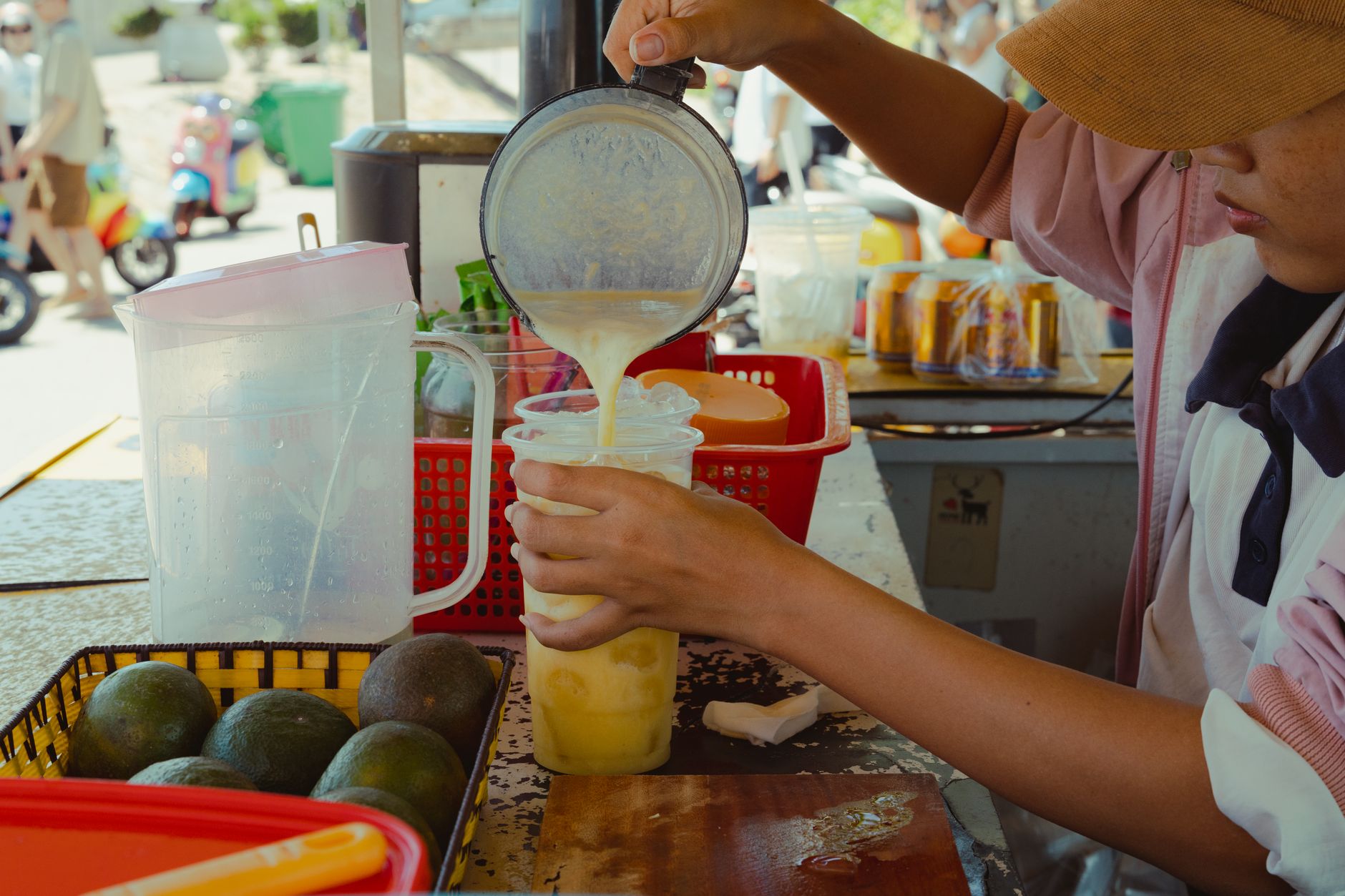
Photo by HONG SON on Pexels
What to do
The museum itself takes 45 minutes to an hour if you read everything. Key sections include:
Ground floor — Daily life and crafts
Traditional fishing nets, rice-farming tools, and a full-size replica of a Khmer stilted house. The weaving section is worth slowing down for — the silk patterns ("sampot") are intricate and distinct from ethnic Vietnamese textiles.
Upper floor — Religion and festivals
Scale models of Khmer pagodas, monk robes, palm-leaf manuscripts, and a detailed exhibit on the Ok Om Bok festival. There is a small collection of musical instruments used in "don ca tai tu" and Khmer ceremonial music — look for the "skor" drum set and the "chapey" long-necked guitar.
After the museum, walk to Chua Doi, about 3 km south. This Theravada Buddhist pagoda is home to a colony of fruit bats that hang from the trees in the courtyard — hundreds of them, unbothered by visitors. The pagoda grounds are well maintained and entry is free.
If you have a full day, combine the museum with a visit to Chua Dat Set, where a single monk spent over 40 years hand-sculpting elaborate Buddhist scenes from clay. It is one of the most unusual religious sites in the entire delta.
Where to eat
Soc Trang's signature dish is "bun nuoc leo" — rice vermicelli in a prahok-based fish broth with roasted pork, shrimp, and fresh herbs. It tastes nothing like the noodle soups you find in Hanoi or Saigon. Try it at Quan Bun Nuoc Leo Thanh Hung on Hai Ba Trung Street, where a bowl runs about 30,000–40,000 VND.
For something sweet, look for "banh pia" — flaky pastries filled with durian and mung bean, sold at bakeries throughout town. Vuong Hung on Tran Hung Dao Street is the best-known producer. Buy a box for the road — they keep for several days.
If you head back to Can Tho for dinner, the city has deeper restaurant options. The area around Ninh Kieu Wharf is good for grilled seafood and "com tam" plates.
Where to stay
Most travelers base themselves in Can Tho, where accommodation ranges from 250,000 VND guesthouses near the riverside to mid-range hotels around 600,000–900,000 VND along Hai Ba Trung Street. Soc Trang town has a handful of local hotels — Khanh Hung Hotel near the bus station is clean and functional at around 300,000 VND — but the nightlife and dining options are limited, so a day trip from Can Tho makes more sense for most visitors.
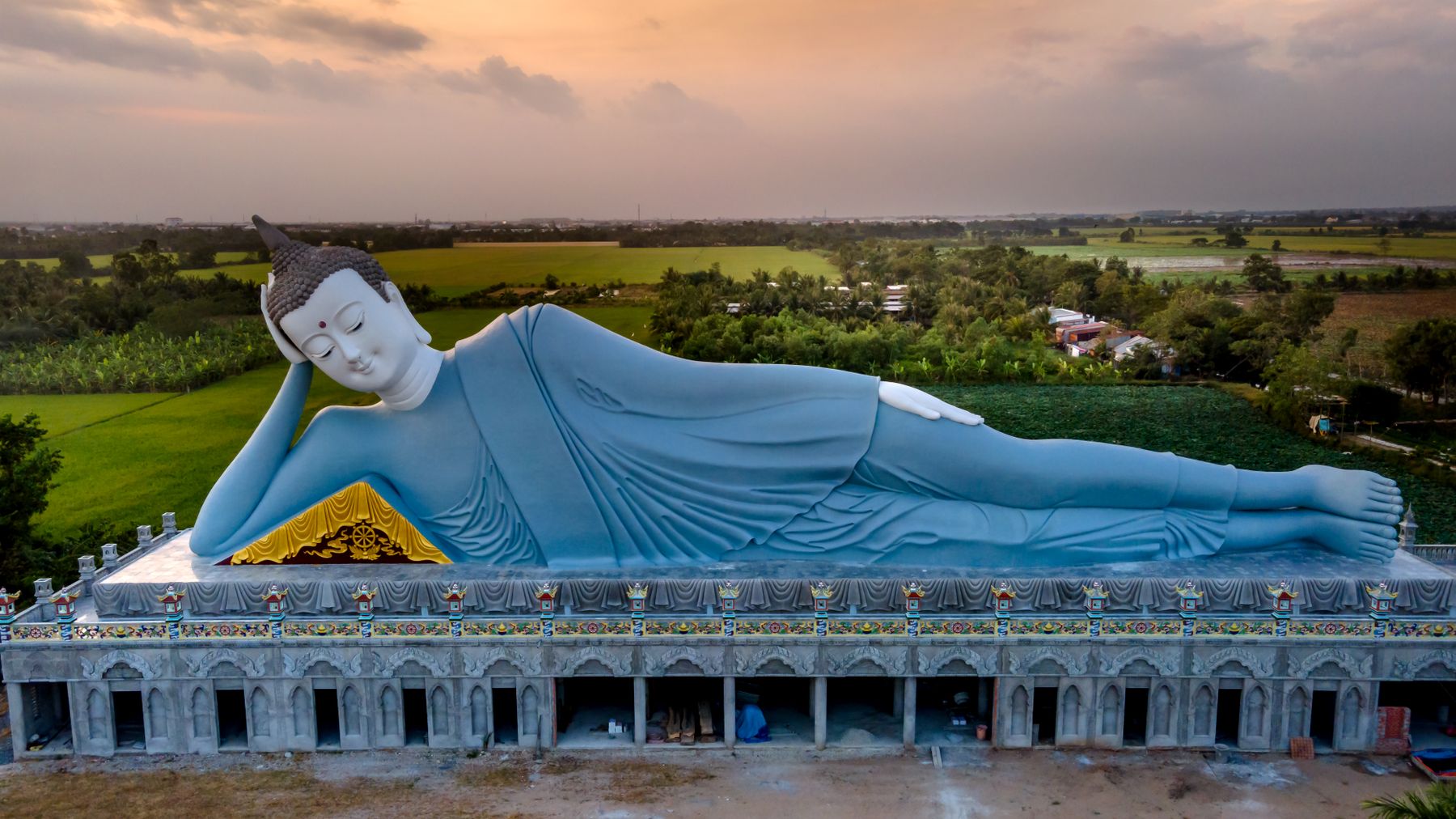
Photo by Quang Nguyen Vinh on Pexels
Practical tips
- Entry fee: Around 10,000–15,000 VND, sometimes free. It varies.
- Language: Labels are in Vietnamese and some Khmer, with minimal English. Download Google Translate's Vietnamese offline pack before you go.
- Dress: Cover your shoulders and knees if you plan to visit pagodas after the museum.
- Cash: Bring small bills. There are ATMs in Soc Trang center but card acceptance at local restaurants and the museum is essentially zero.
- Combining trips: Soc Trang pairs naturally with a Can Tho floating market visit — do the market at dawn, drive to Soc Trang by mid-morning, and return to Can Tho by late afternoon.
Common mistakes
Showing up during the midday closure (11:00–13:30) is the most frequent one. The museum shuts for lunch like most Vietnamese government-run sites, so plan your arrival for morning or early afternoon. Another mistake is skipping the surrounding pagodas — the museum provides context, but the living Khmer culture is in the temples, not behind glass. Budget at least half a day for the full Soc Trang loop.
Final note
The Khmer Museum in Soc Trang is not a blockbuster attraction. It is small, sometimes dusty, and unlikely to appear on any top-ten list. But if you are spending time in Can Tho and want to understand why the Mekong Delta feels different from the rest of Vietnam — why the pagodas look different, why the food tastes different, why the calendar follows different rhythms — this is where that understanding starts.
Last updated · May 29, 2026 · independently researched, never sponsored.