What it is
Bao Tang Nam Dinh (Nam Dinh Museum) sits in the heart of Nam Dinh city, now part of the expanded Ninh Binh (닌빈 / 宁平 / ニンビン) province following Vietnam's 2025 administrative merger. The museum occupies a French-colonial-era building on Tran Hung Dao Street that has served as the province's primary historical repository since 1958. Inside, you'll find roughly 20,000 artifacts spanning Bronze Age "Dong Son" drums, Tran Dynasty ceramics, revolutionary-era documents, and a surprisingly well-curated textile collection documenting Nam Dinh's history as Vietnam's first industrial weaving center.
This isn't a flashy modern museum. It's a provincial collection housed in aging display cases with Vietnamese-language placards and the occasional English summary. That's precisely why it works — you get an unfiltered look at how a northern Vietnamese river-delta city shaped national history without the tourist polish.
Why travelers go
Most visitors to Ninh Binh head straight for Tam Coc or Trang An. Fair enough. But Nam Dinh city — about 60 km northeast of Ninh Binh city center — offers something different: a lived-in Vietnamese city that sees almost zero international tourism. The museum anchors a half-day urban detour that pairs well with the Tran Temple complex and Pho Nhai Cathedral nearby.
The Tran Dynasty collection alone justifies the visit. Nam Dinh was the ancestral homeland of the Tran kings who repelled three Mongol invasions in the 13th century. The museum holds bronze weapons, royal seals, and pottery fragments excavated from Tran-era sites within a 30 km radius. For anyone interested in Vietnamese history beyond what you'll pick up at the Imperial Citadel Thang Long in Hanoi, this fills in a critical chapter.
Best time to visit
November through March offers cool, dry weather — ideal for wandering the museum grounds and nearby streets without melting. January and February can coincide with Tet preparations, when the museum may close for a few days around the holiday itself but the surrounding streets come alive with flower markets and festive energy.
Avoid June through August if possible. Nam Dinh sits in the Red River Delta lowlands and summer combines 38°C heat with heavy humidity. The museum has limited air conditioning — mostly floor fans in the exhibition halls.
How to get there
From Ninh Binh city (the most likely base for travelers exploring the province):
- Bus: Local buses run from Ninh Binh bus station to Nam Dinh bus station. Expect 1.5–2 hours depending on stops. Ticket around 60,000–80,000 VND.
- Motorbike: 60 km via QL10, about 1 hour 15 minutes on flat delta roads. Easy ride, minimal hills, but watch for truck traffic near industrial zones.
- Grab car: Available in Ninh Binh city. One-way fare typically 350,000–450,000 VND. Worth it if splitting with travel companions.
From Hanoi (하노이 / 河内 / ハノイ) (90 km south):
- Train: Reunification Express stops at Nam Dinh station. About 1 hour 45 minutes from Hanoi station. Tickets from 75,000 VND for hard seat.
- Bus: Frequent departures from Giap Bat bus station. 2 hours, around 90,000–120,000 VND.
The museum is a 10-minute walk from Nam Dinh bus station or a 15,000 VND xe om ride from the train station.

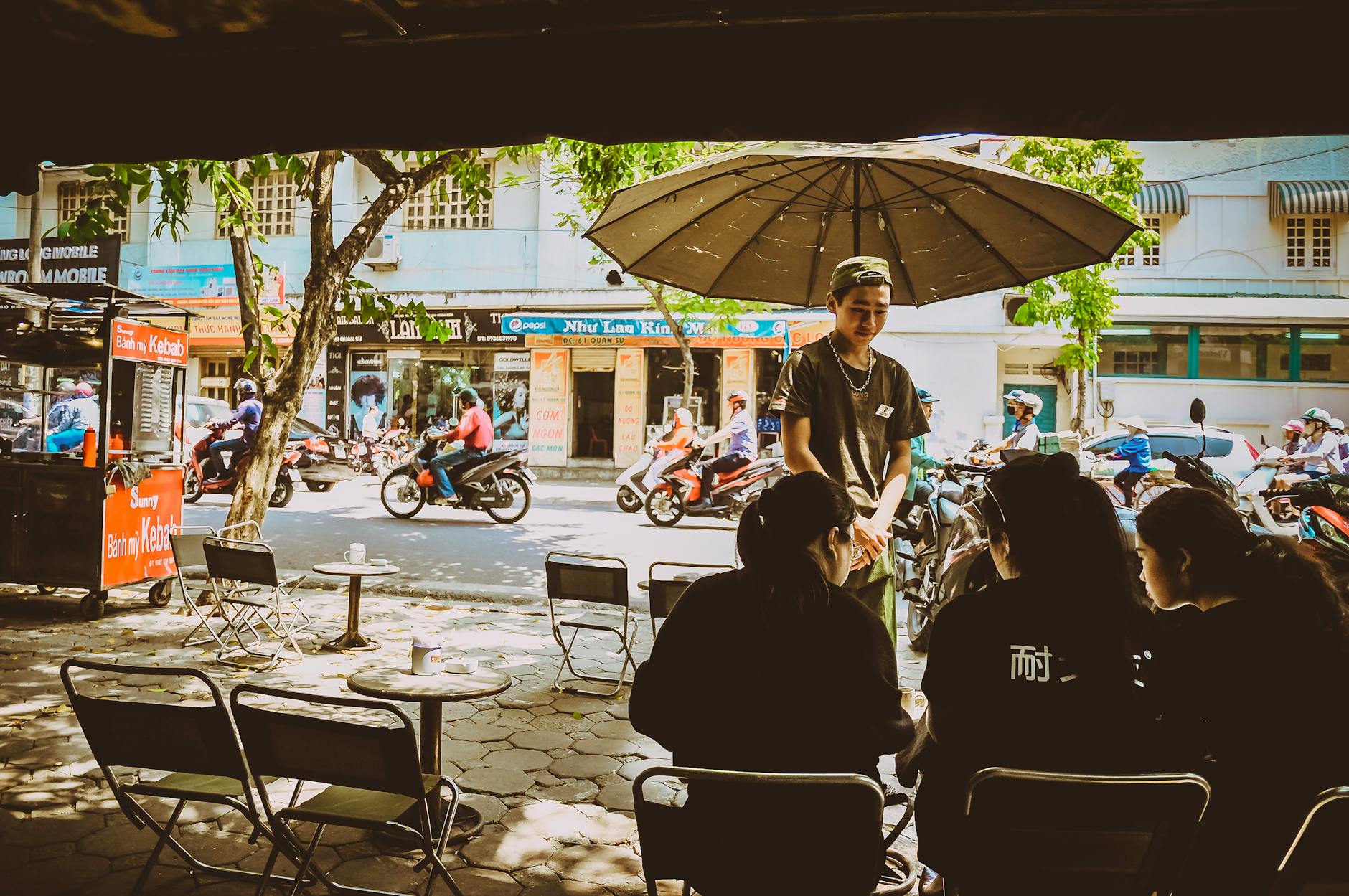
Photo by Thuan Pham on Pexels
What to do
Walk the Tran Dynasty hall
The second-floor gallery dedicated to the Tran Dynasty (1225–1400) is the museum's strongest section. Look for the bronze hand cannons — some of the earliest gunpowder weapons documented in Southeast Asia. The display contextualizing the Bach Dang River battles uses reproduction maps that make the military strategy surprisingly legible even without Vietnamese.
Study the textile and craft exhibits
Nam Dinh was Vietnam's Manchester — the French built major textile mills here in the early 1900s. The ground-floor gallery traces weaving from village silk looms through industrial-era factory production. Original shuttle looms sit alongside propaganda posters from the 1950s encouraging workers. It's a compact history of Vietnamese industrialization.
Check the Bronze Age collection
A small but genuine collection of Dong Son-culture artifacts — drums, axes, and jewelry — excavated from delta burial sites. These pieces are 2,000+ years old and comparable to what you'd see at the Vietnam National Museum of History in Hanoi, just with fewer crowds and shorter ropes.
Visit the garden and colonial architecture
The building itself merits attention. Yellow-washed French colonial facade, tiled corridors, interior courtyard with frangipani trees. Spend 10 minutes in the rear garden where locals practice tai chi in the early morning.
Combine with Tran Temple complex
Den Tran (Tran Temple) is 5 km north of the museum in Tuc Mac village. Dedicated to the Tran Dynasty kings, it hosts a major festival in January (lunar calendar). Even outside festival season, the temple grounds are peaceful and architecturally impressive. A motorbike taxi between the two sites costs about 30,000 VND.
Where to eat nearby
Nam Dinh is famous for two things: "pho" and "banh cuon". This city claims to be the birthplace of pho — specifically the beef version that migrated to Hanoi in the early 20th century. Pho Bo Nam Dinh shops cluster along Truong Chinh Street, 800 meters from the museum. Expect thinner broth and flatter noodles than the Hanoi style. A bowl runs 35,000–50,000 VND.
For banh cuon, look for Banh Cuon Ba Hanh on Hang Tien Street — steamed rice rolls filled with minced pork and wood ear mushroom, served with "nem chua" (fermented pork) on the side. About 30,000 VND per plate.
Where to stay
Nam Dinh city has limited accommodation geared toward domestic business travelers rather than tourists:
- Budget: Nha nghi (guesthouses) near the bus station, 200,000–350,000 VND/night. Basic but clean.
- Mid-range: Vi Hoang Hotel or Nam Dinh Hotel on Tran Hung Dao Street. 500,000–800,000 VND/night. Air conditioning, hot water, adequate wifi.
- Alternative: Stay in Ninh Binh city (more tourist infrastructure, better restaurant variety) and day-trip to Nam Dinh.

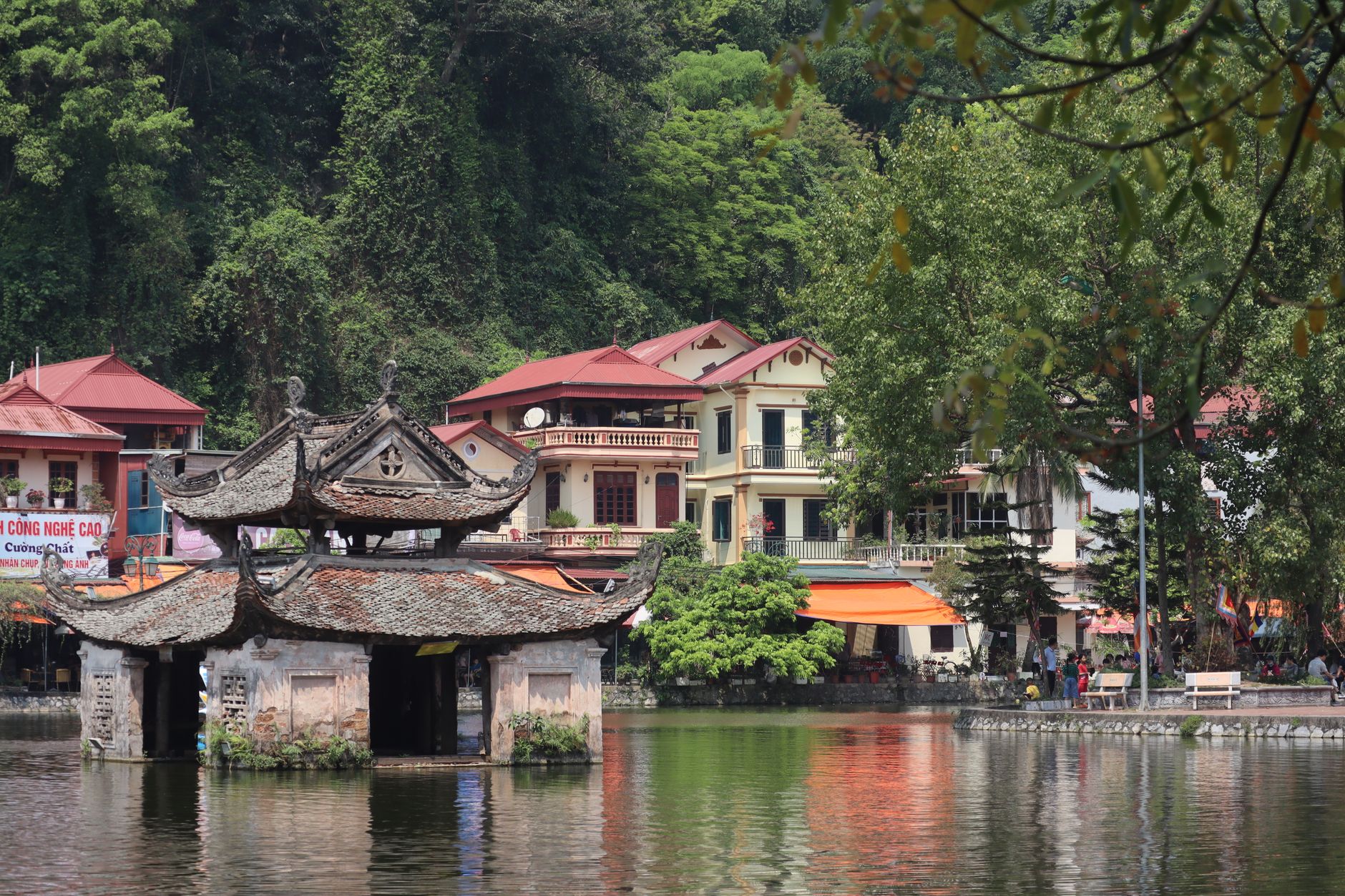
Photo by maxed. RAW on Pexels
Practical tips locals would tell you
- The museum is closed Mondays. Hours are typically 7:30–11:00 and 13:30–17:00 (lunch break enforced).
- Admission is free or nominally 10,000–20,000 VND — it changes periodically.
- Bring your own water. There's no cafe inside, though street vendors sell drinks at the entrance gate.
- Photography is generally allowed but ask at the ticket desk. Flash is prohibited near textiles and paper documents.
- English signage is minimal. Download Google Translate's Vietnamese offline pack before visiting.
Common mistakes to avoid
- Arriving during lunch break: The 11:00–13:30 closure is firm. Staff will politely turn you away.
- Expecting a full day: The museum takes 1–2 hours maximum. Plan it as part of a broader Nam Dinh city visit, not a standalone destination.
- Skipping the upstairs: The ground floor gets most foot traffic, but the Tran Dynasty and revolutionary history galleries upstairs are the real draw.
- Not combining with food: Coming to Nam Dinh without eating pho here is like visiting Hue without trying "bun bo Hue". Build a meal into the visit.
Practical notes
Bao Tang Nam Dinh works best as a morning activity paired with a pho lunch and an afternoon at Tran Temple. It's not a destination that demands overnight planning — a day trip from Ninh Binh city covers everything comfortably. For travelers spending multiple days exploring Ninh Binh province's karst landscapes around Tam Coc and Trang An, the museum offers a useful counterpoint: urban, historical, and entirely crowd-free.
Last updated · May 29, 2026 · independently researched, never sponsored.