What Is Be Chao and Why Does Sapa Own It
"Be chao" — stir-fried veal — is technically a Moc Chau dish, born in Son La province where young cattle graze on the plateau grasslands. But somewhere along the way it crossed the mountains and became the thing people eat in Sapa when the temperature drops and a bowl of "pho" no longer feels like enough. The veal is thinly sliced, tossed hard in a very hot wok with ginger, lemongrass, chili, and fish sauce, then usually finished with a handful of herbs and a squeeze of lime. Done right, the edges char slightly and the meat stays just barely pink inside. Done wrong, it's grey and chewy and smells aggressively of an unaired kitchen.
The question worth asking in Sapa (사파 / 沙坝 / サパ) isn't where to find be chao — it's everywhere — but which format actually delivers.
The Sidewalk Version
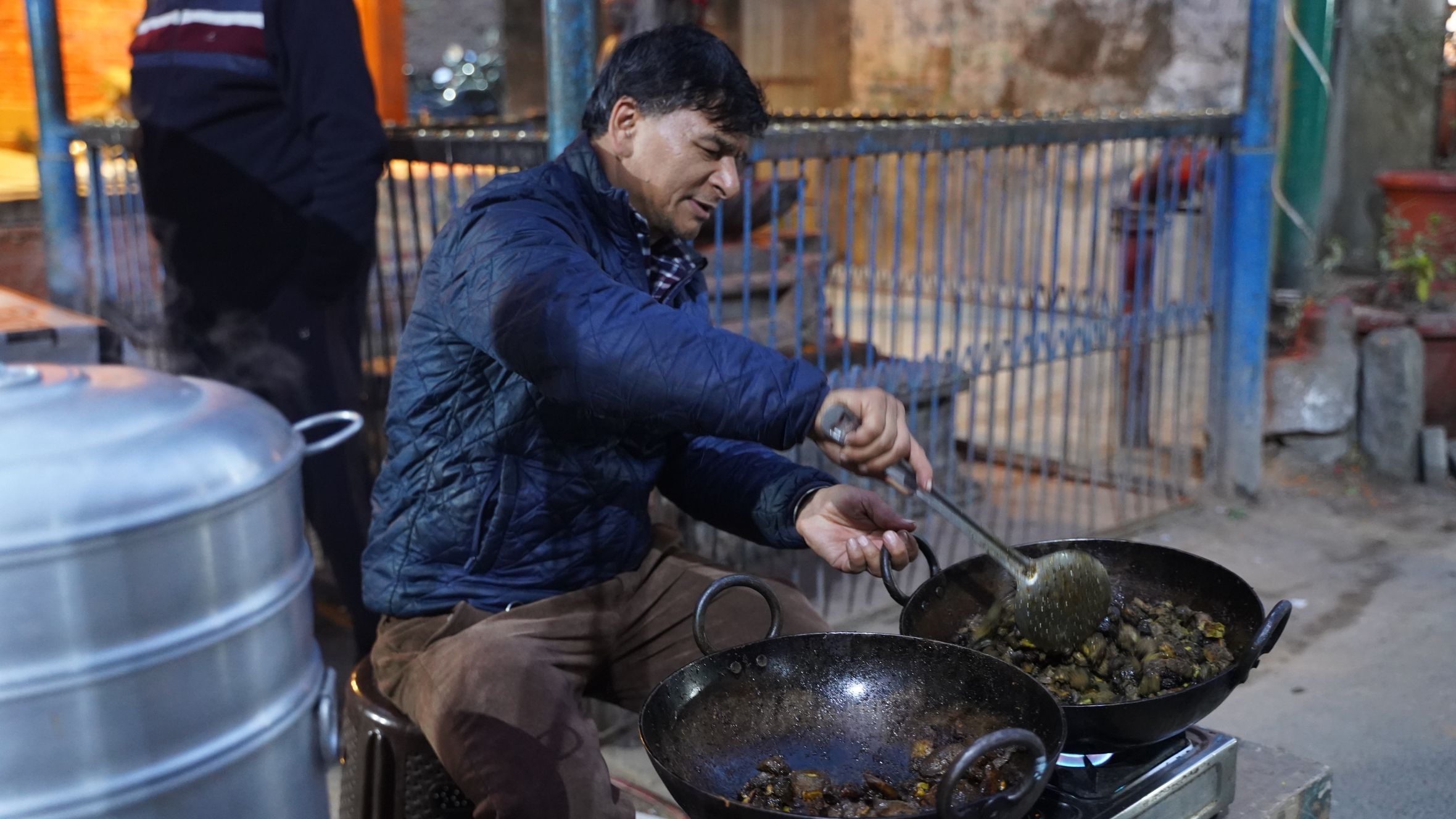
The sidewalk spots cluster around Ham Rong Street and the lower end of Cau May Street, mostly operating from around 5 p.m. until 10 or 10:30 p.m. These are one- or two-burner setups: a propane canister, a blackened wok, a plastic stool, and a woman who has cooked this dish approximately ten thousand times.
A portion runs 60,000–80,000 VND and arrives fast — under five minutes from order to plate. The wok temperature is brutal, which is exactly what be chao needs. You're sitting close enough to feel the heat, which in Sapa's evenings (even in October it can dip to 12–14°C) is not a complaint.
The trade-off is variables. The meat quality shifts depending on what came in that day. Accompaniments are minimal — usually a plate of steamed rice or a small bowl of broth to wash things down, and whatever condiments the vendor keeps in a plastic caddy. Don't expect a menu. Point, nod, and eat.
One stall worth finding is the unmarked cart run by a Hmong woman near the corner of Ham Rong and Muong Hoa — look for the red plastic stools and the wok that has been re-seasoned so many times it's essentially black glass. No name, no sign. Opens around 5:30 p.m. Closed when she runs out, which in high season is sometimes by 8:30.

Photo by Collab Media on Pexels
The Sit-Down Version
The restaurant version plays a different game. Places like Hmong Sisters Restaurant on Fansipan Road and a handful of spots along Thach Son Street offer be chao as part of a broader northwest menu — alongside "banh cuon" with local fillings, grilled corn, and Sa Pa-style hotpot.
Prices here are 90,000–140,000 VND depending on portion and what you add. The room is warmer, the beer is cold, the staff speak enough English to explain the menu. You'll also find that some restaurants marinate the veal longer — a few hours in lemongrass paste before wok-frying — which deepens the flavor but slightly softens that charred edge that makes the street version exciting.
For groups, the sit-down spots make obvious sense. You can order several dishes, someone can get the "bia hoi"-style local beer, and no one has to crouch on a stool in the dark. Hmong Sisters specifically does a solid job with the ginger-forward version of be chao and keeps the portion size honest for the price.
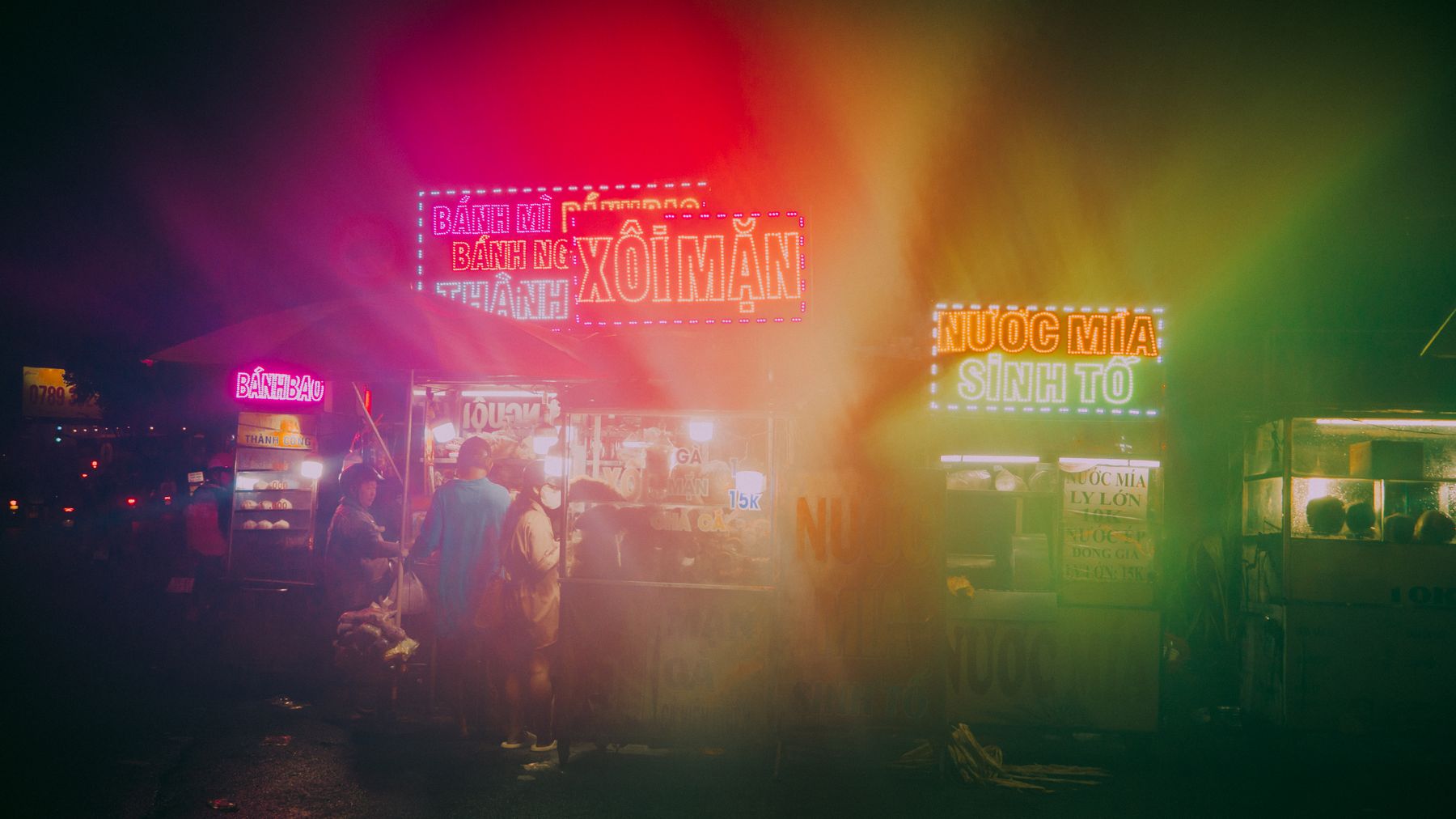
Photo by Nguyễn Hoàng Văn on Pexels
The Real Difference
It's not about quality in the abstract. The sidewalk version has higher ceiling and lower floor — when it's good, the char and the heat and the street noise make it the kind of meal you remember. When the meat is off or the fire isn't hot enough, you're eating mediocre veal on a plastic stool in the cold.
The sit-down version is more consistent. The restaurants have a supply chain, a reputation to protect, and a kitchen that isn't at the mercy of wind and a single burner. You're trading the unpredictability for reliability.
If you're in Sapa for more than two nights, do both. Hit the Ham Rong corner cart one evening when you're wandering after dark — Sapa's night market energy is worth experiencing on foot anyway. Use a sit-down spot for a longer meal when you want to eat slowly and order more than one dish.
Practical Notes
Be chao is an evening dish — don't expect to find it at lunch. Most sidewalk vendors are cash only; bring small bills (20,000–50,000 VND notes). If you're visiting in the wet season (May–August), some sidewalk stalls disappear on heavy-rain nights, so the restaurants are a safer bet.
Last updated · May 18, 2026 · independently researched, never sponsored.