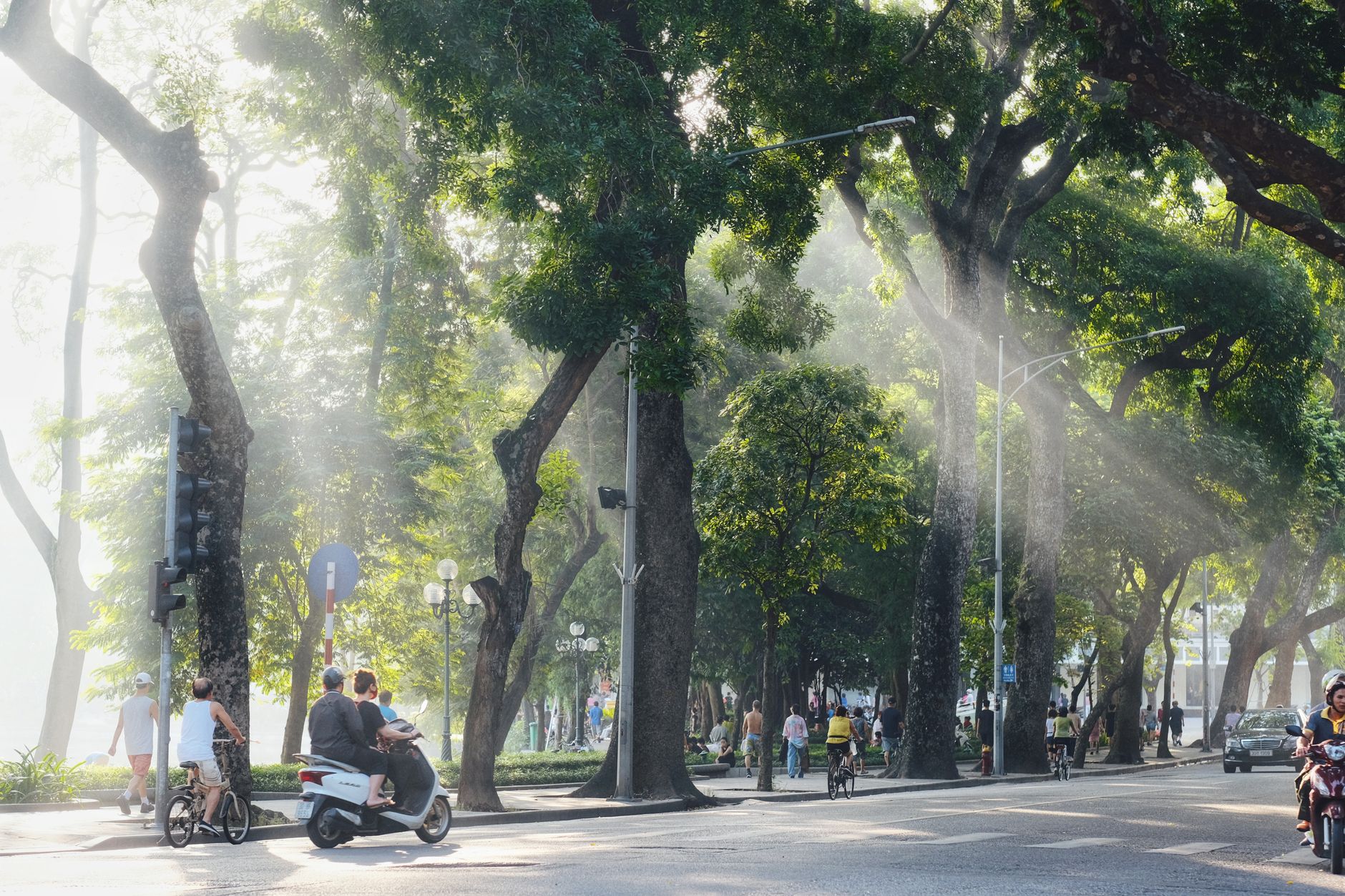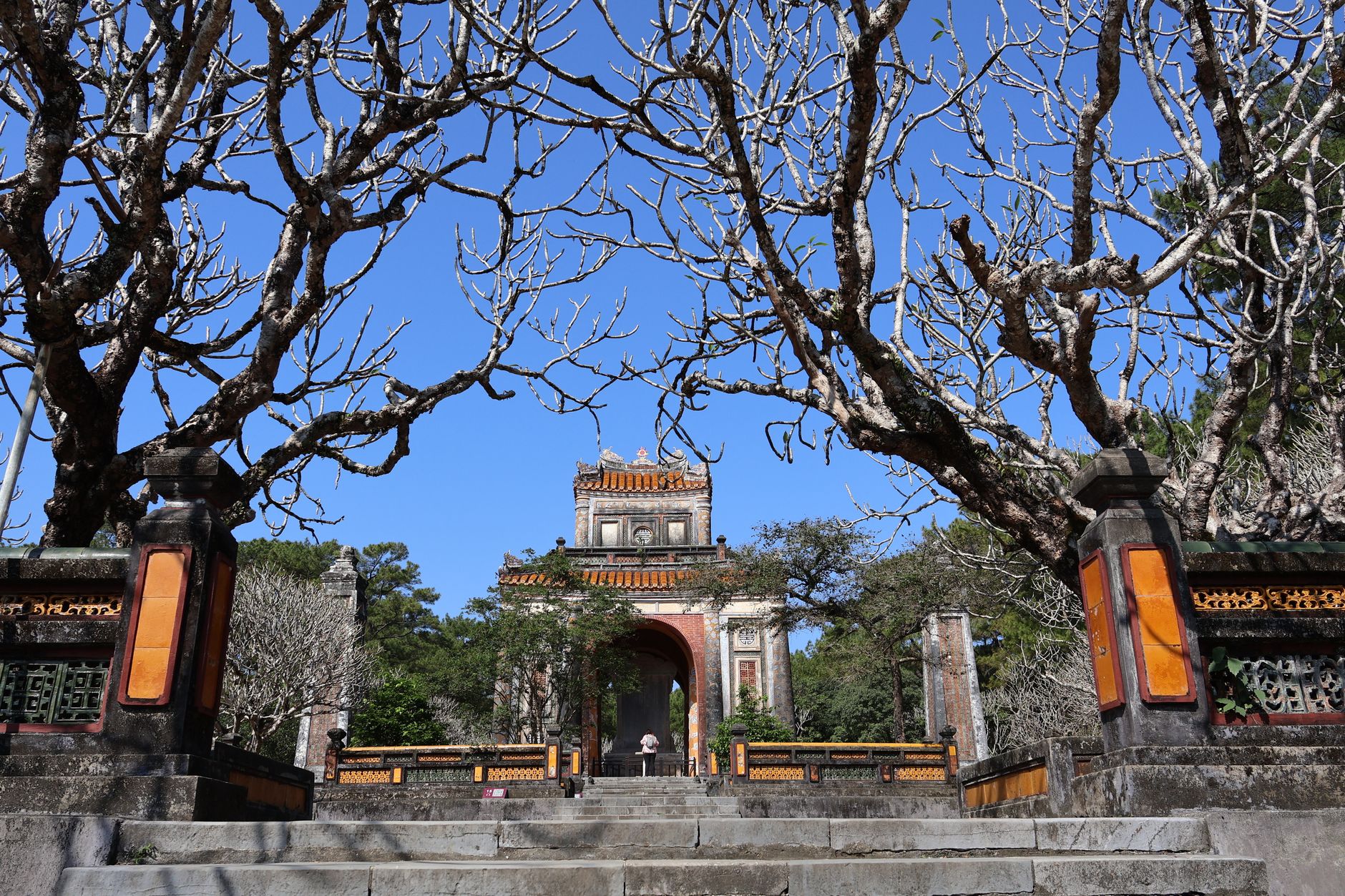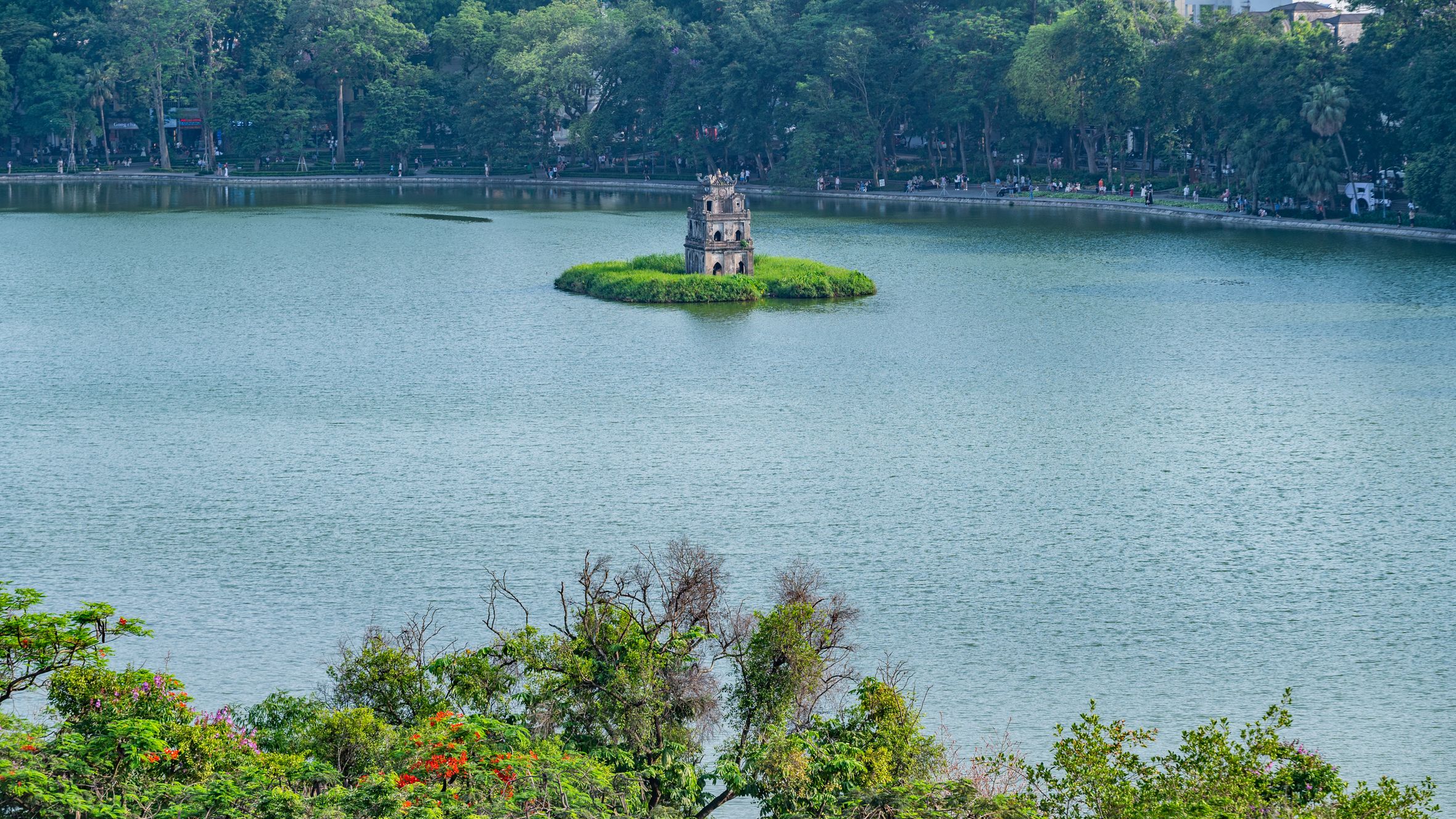
Day 1 — The Hanoi Foundation
Start your journey in the capital, where the coffee culture is as dense as the traffic. Skip the big chains and head straight to the hidden alleys of the Old Quarter. Your first stop is a classic "egg coffee" at Cafe Giang. It is thick, sweet, and tastes like liquid tiramisu. Spend the afternoon walking around the "Temple of Literature" to work off the sugar, then settle into a street-side plastic stool on Hang Hanh street for a "ca phe sua da"—iced coffee with condensed milk. Expect to pay around 30,000 VND to 45,000 VND per cup.
Day 2 — Industrial Heritage and Caffeine
Head toward the "Long Bien Bridge" area. The cafes here are often repurposed from old colonial-era buildings or industrial workshops. Grab a "lotus tea" at a nearby stall before heading to a specialty roaster in the Tay Ho district. Hanoi’s modern coffee scene is moving toward single-origin Arabica grown in the highlands, a sharp contrast to the heavy Robusta tradition. Dinner should be a bowl of "bun thang" to keep things light.
Day 3 — Into the Highlands
Take a morning bus or private car toward Ha Giang. The drive is long—about 6 to 7 hours—but the landscape shifts from flat delta to jagged limestone peaks. Stop in a roadside town for a quick "banh mi" and a black coffee. In Ha Giang, the coffee is simpler, often served in a glass with a metal drip filter, known as a "phin".
Day 4 — The Ha Giang Loop Coffee Stops
This is the heart of the mountain coffee experience. As you navigate the winding roads toward Dong Van, keep an eye out for small wooden shacks. The local ethnic minority communities often grow coffee in small patches. You will find that the coffee here is stronger, darker, and usually served with a side of local hospitality. It is not about the fancy latte art; it is about the caffeine kick needed for the mountain air.
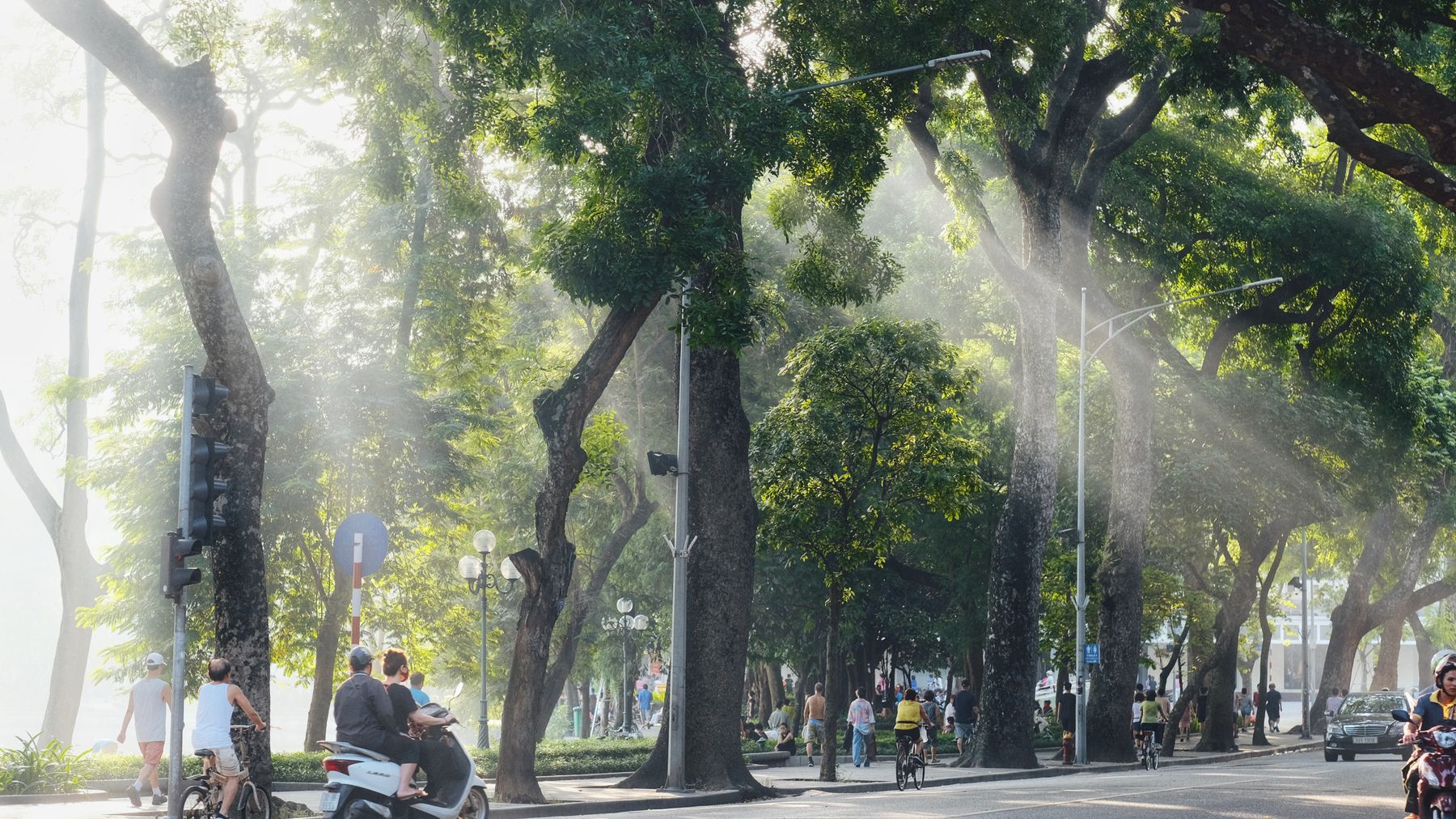
Photo by tu nguyen on Pexels
Day 5 — High Altitude Roasts
Spend the day exploring the plateau around Dong Van. The "Ma Pi Leng Pass" offers views that make you forget the altitude. Stop at a cafe in the town center that sources beans from the surrounding hills. The flavor profile here is earthy and robust. Pair it with "nem chua (넴쭈어 / 酸肉肠 / ネムチュア)" if you can find it at the local market.
Day 6 — Transition to Sapa
Travel from the far north toward Sapa. This is a full day of transit, so keep your caffeine intake steady. The transition from the limestone karst of Ha Giang (하장 / 河江 / ハーザン) to the terraced rice fields of Sapa is dramatic. By the time you reach Sapa, the temperature will have dropped significantly.
Day 7 — Sapa’s Modern Brews
Sapa has become a hub for experimental coffee. You will find cafes built into the sides of cliffs overlooking the Muong Hoa valley. Order a pour-over made with beans sourced from the nearby provinces. It is a different experience than the Hanoi street style. Spend the afternoon walking the trails, then return to town for a warm "pho" to combat the mountain chill.

Photo by Ama Journey on Pexels
Day 8 — The Tea and Coffee Blend
While Sapa is famous for its tea, the coffee here is catching up. Visit a local farm where they process both coffee and tea. It is a fascinating look at how the two industries overlap in the highlands. Spend your evening in a quiet cafe near the central square, watching the mist roll over the mountains.
Day 9 — Back to the Capital
Return to Hanoi. It is a long journey back, but it gives you time to reflect on the different brewing methods you have encountered. Once back in the city, head to a "bia hoi" corner to trade your coffee for a fresh draft beer, a staple of the Hanoi evening ritual.
Day 10 — The Final Cuppa
Spend your last day revisiting your favorite coffee spot from Day 1. Maybe try a "banh cuon" for breakfast before heading to the airport. If you have time, pick up a bag of local beans from a roaster near the "One Pillar Pagoda" to take home.
Practical notes
Carry a reusable cup if you want to reduce plastic waste, though most local shops will insist on using their own glass. Always keep small change (10,000 VND and 20,000 VND notes) for roadside coffee stops, as they rarely have change for large bills.
Last updated · May 30, 2026 · independently researched, never sponsored.