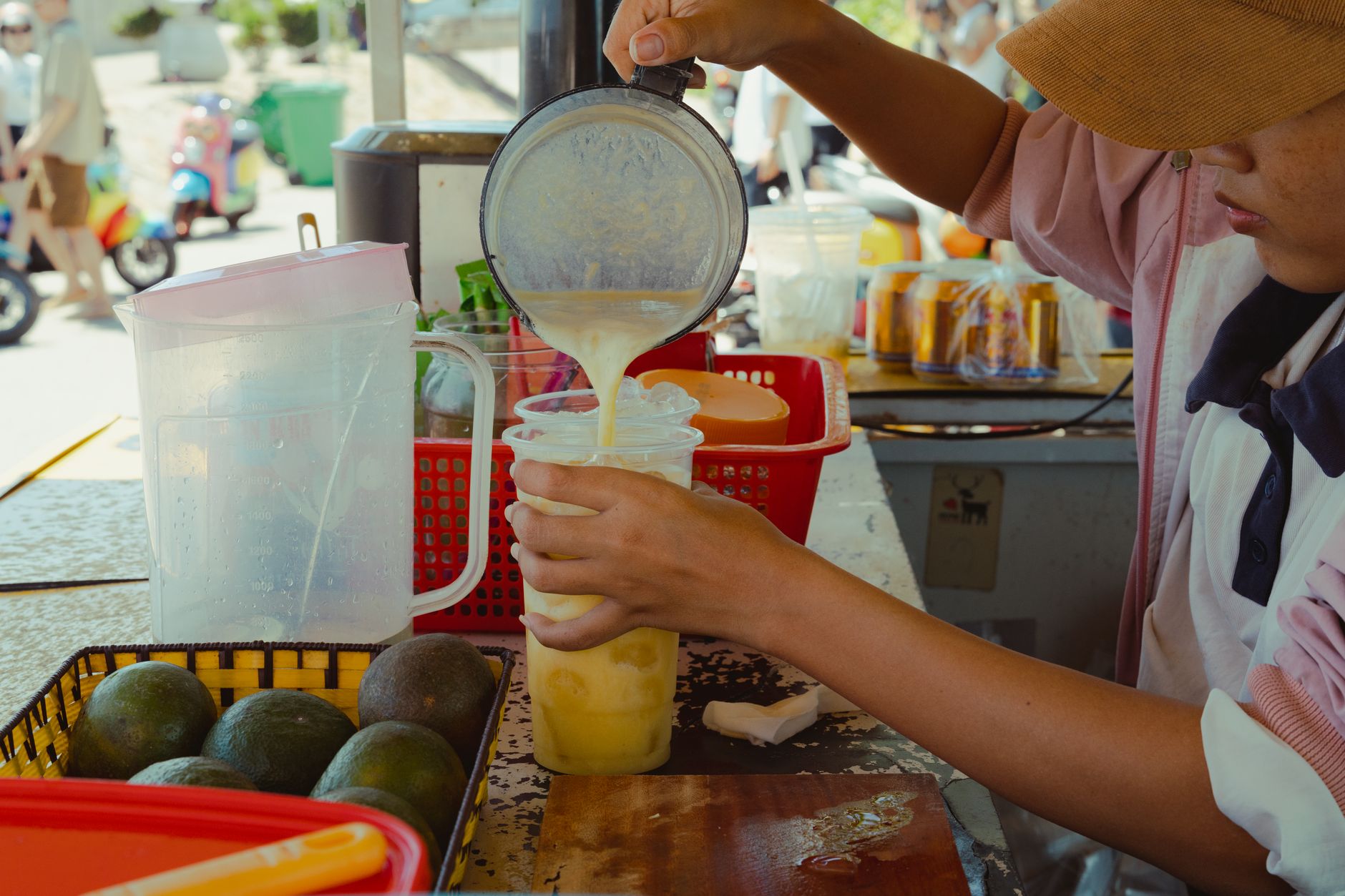
Be Chao in Sapa: Where to Eat Stir-Fried Veal in the Northwest
"Be chao" — stir-fried veal with ginger, lemongrass, and galangal — is technically a Son La specialty, born in the pastures around Moc Chau where young cattle are raised on cool-climate grass. But the dish has migrated north and west, and Sapa now has a solid cluster of places doing it well. If you're coming up here for the trekking and leaving without eating be chao at least once, you've missed the point of the local food scene.
What Makes the Sapa Version Different
Moc Chau-style be chao leans heavily on fresh ginger and a long wok contact time — the veal gets a proper sear, sometimes almost crispy at the edges, with lemongrass bruised rather than minced so it perfumes the oil without turning bitter. Sapa (사파 / 沙坝 / サパ) cooks tend to add a bit more chili and sometimes a splash of local corn wine ("ruou ngo") to the wok, which gives the meat a slightly smoky, almost caramelised finish. The cuts here also skew thinner than you'd get in Son La — better for high-heat wok cooking on a gas burner at 1,500 metres elevation where everything behaves slightly differently.
It's served with a dipping sauce of salt, pepper, lime, and occasionally a fermented shrimp paste variant depending on the cook's background. Sticky rice or steamed white rice on the side is standard.
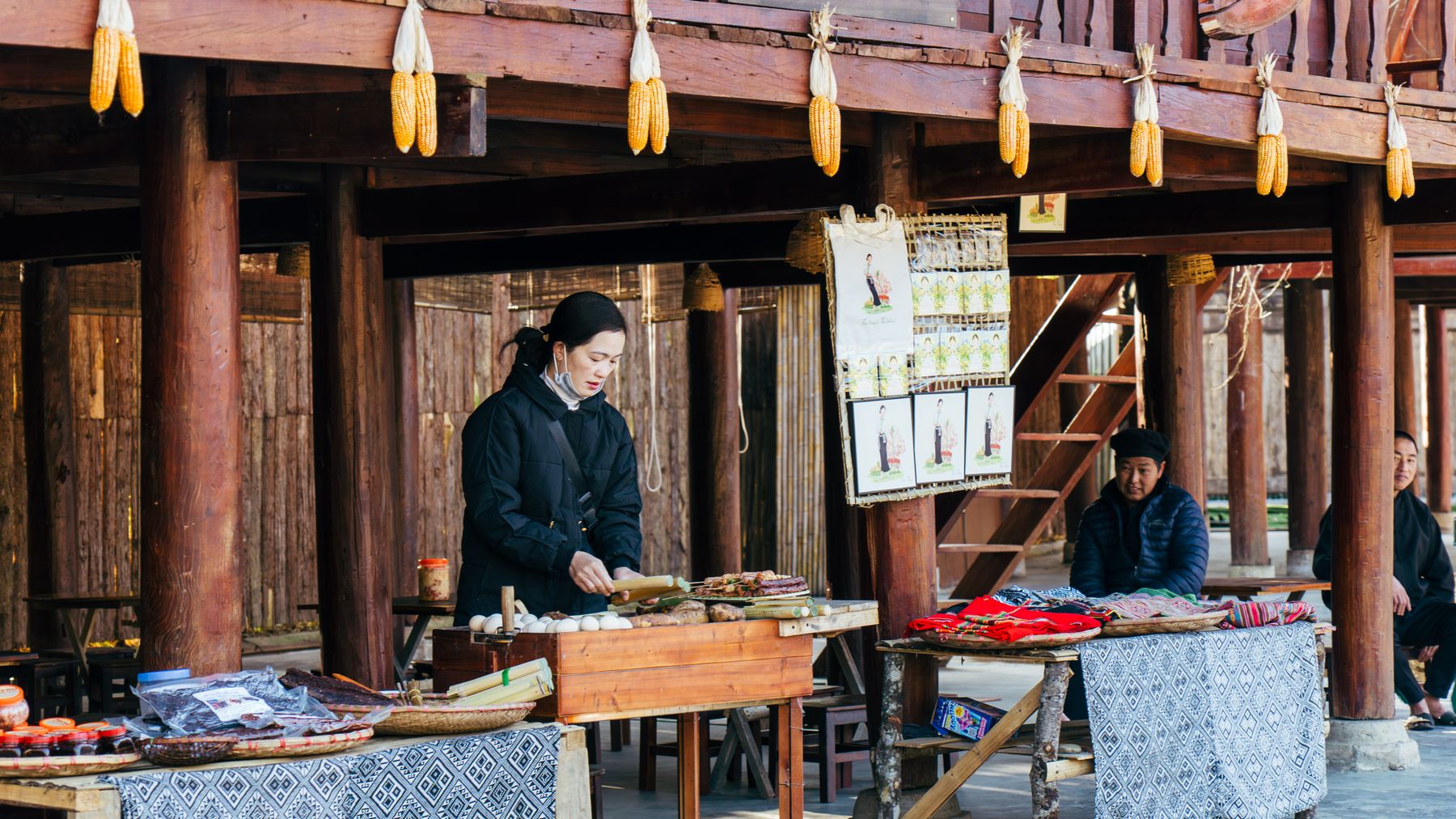
Photo by Gibson Chan on Pexels
Where to Eat: Six Places Worth Your Time
Quan Be Chao Ba Tuyen — 18 Thac Bac, Sapa Town
This is the place most locals point you to first, and for good reason. Ba Tuyen has been running this spot for over a decade and sources her veal from a supplier in Bac Ha rather than importing it from Moc Chau, which keeps the meat genuinely fresh at this altitude. The wok char here is aggressive — some people find it too dry, but if you like texture over tenderness, ask for "be chao gion" (the crispier version). A single portion runs 65,000–80,000 VND. Open from around 10:30am until she sells out, which on weekends is often by 1:30pm. Go early.
Quan An Suoi May — 34 Muong Hoa, near the central market
Smaller, quieter, and slightly cheaper at 55,000–70,000 VND per dish. Suoi May does a version with thinly sliced galangal visible in the wok, which gives the oil a more aromatic, almost floral base. The ruou ngo finish is more pronounced here than anywhere else in town. Open daily 11am–8pm. Good for a solo lunch — the tables are small and the vibe is neighbourhood rather than tourist.
Cho Sapa Night Market Stalls — Ham Rong Street, 6pm–10pm
Three or four stalls in the night market do be chao on portable gas burners. Quality is variable night to night, but the stall nearest the northern entrance — run by a woman in her 50s who sets up around 6:15pm — is consistently the best of them. Her version uses a drier marinade with more turmeric than ginger, which produces a yellower colour and earthier flavour profile. It's 50,000 VND for a small plate. Honest, unpretentious, good with a "bia hoi" from the stall next door.
Nha Hang Viet Bac — 47 Pham Xuan Huan, Sapa Town
This is a full sit-down restaurant rather than a stall, and the be chao is part of a longer menu of northwest mountain dishes. The veal is reliably tender, the sauce more balanced and less aggressive than Ba Tuyen's. Price is higher — 90,000–110,000 VND — but the portions are larger and you can order "rau rung" (foraged mountain greens, around 35,000 VND) to eat alongside. Open 10am–9pm daily. Worth it if you're eating in a group and want a fuller meal.
Quan Nui Xanh — 9 Thach Son, 300m downhill from the main square
A local-facing lunch spot that serves be chao as a daily special rather than a permanent menu item — confirm by phone or just walk in before noon and ask. When they have it, the veal is excellent: thin strips, wok-fried with fresh lemongrass cut on-site, and a chili heat level that actually registers. 60,000 VND. This place closes by 1:30pm on most days and doesn't open for dinner. Cash only, no English spoken.
Skip: The Be Chao on Cat May Street Near the Cable Car Terminal
There are a few tourist-facing stalls on Cat May that advertise be chao with photos on laminated menus. The veal is pre-marinated and sits in trays before cooking — it steams more than sears, and the ginger-lemongrass flavour is largely gone by the time it reaches the table. At 85,000–100,000 VND for a mediocre result, it's not worth it when Ba Tuyen or Suoi May are a ten-minute walk away.

Photo by FOX ^.ᆽ.^= ∫ on Pexels
Best Time to Eat Be Chao in Sapa
Cool-weather months — October through March — are when this dish makes the most sense. Eating a hot wok-fired plate of be chao in a 12-degree evening in Sapa is a different experience from eating it in August humidity. The meat quality also tends to be better in the dry season when highland cattle have had a longer grazing period.
Practical Notes
Most stalls are cash only; bring small bills (20,000–50,000 VND denominations). If you're planning to visit Moc Chau for the original Moc Chau-style version, it's a roughly 180km drive southeast of Sapa — doable as a standalone trip but a different journey entirely. The Sapa versions are their own thing now, and they're worth eating on their own terms.
Last updated · May 1, 2026 · independently researched, never sponsored.