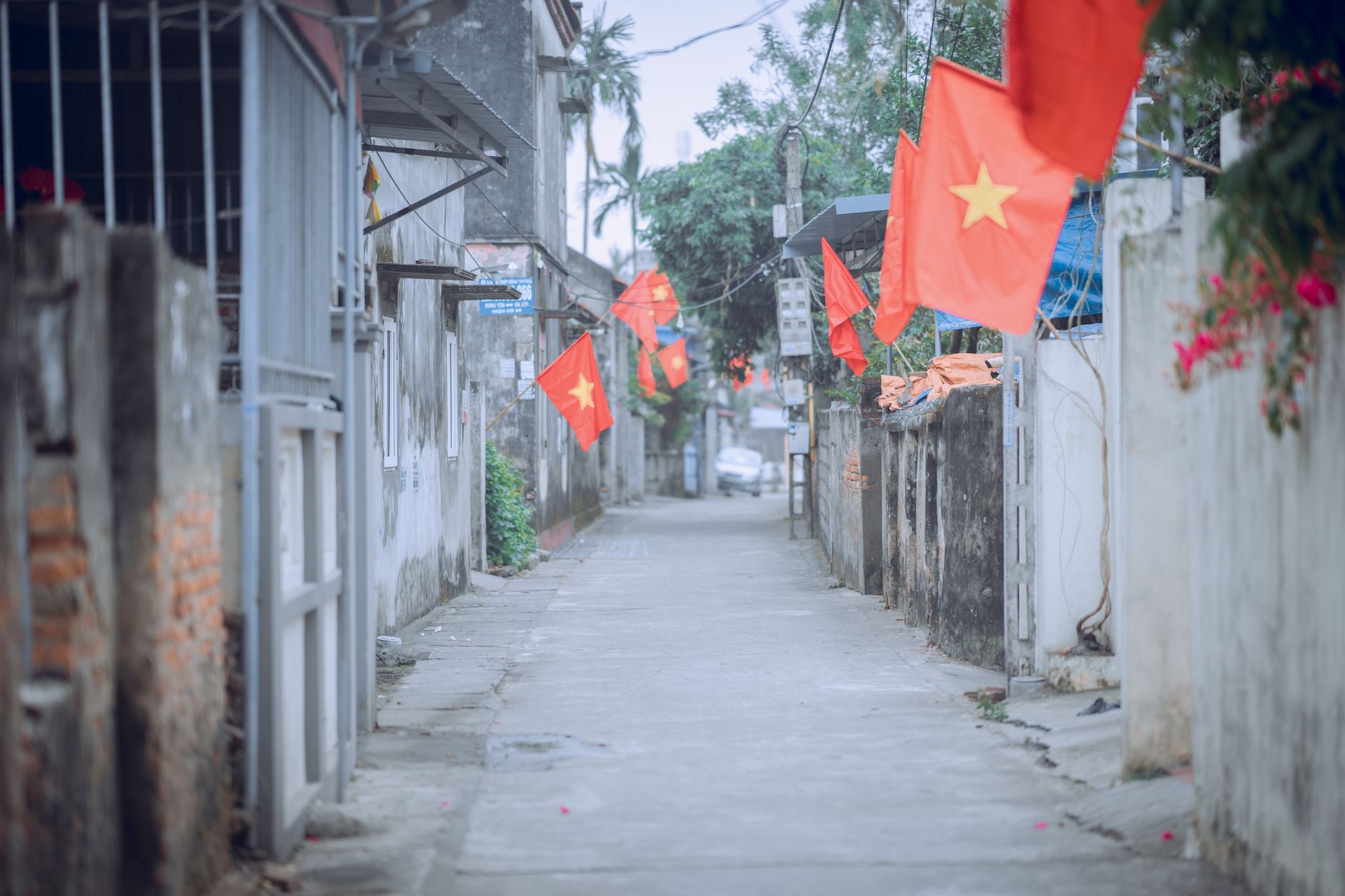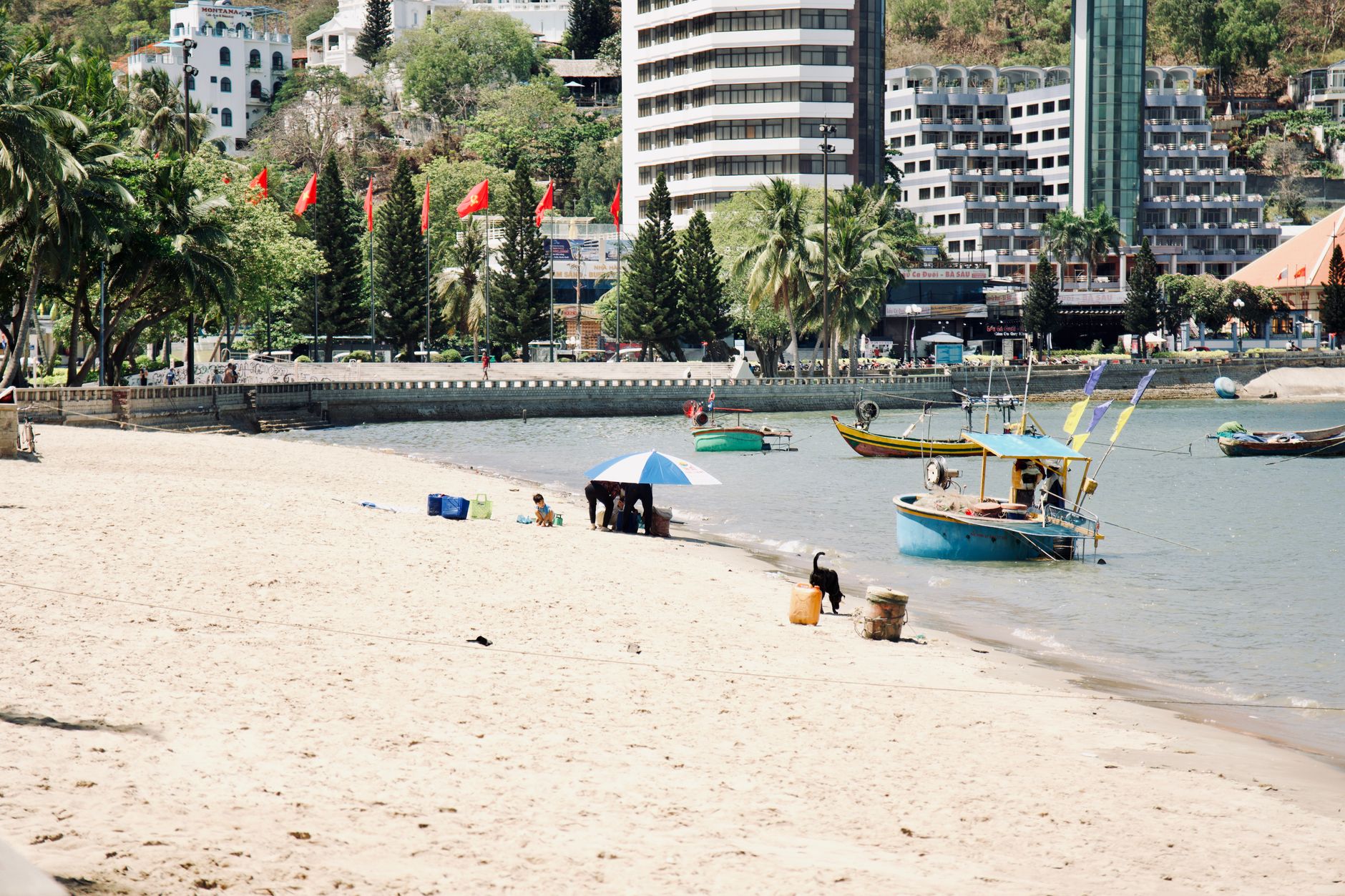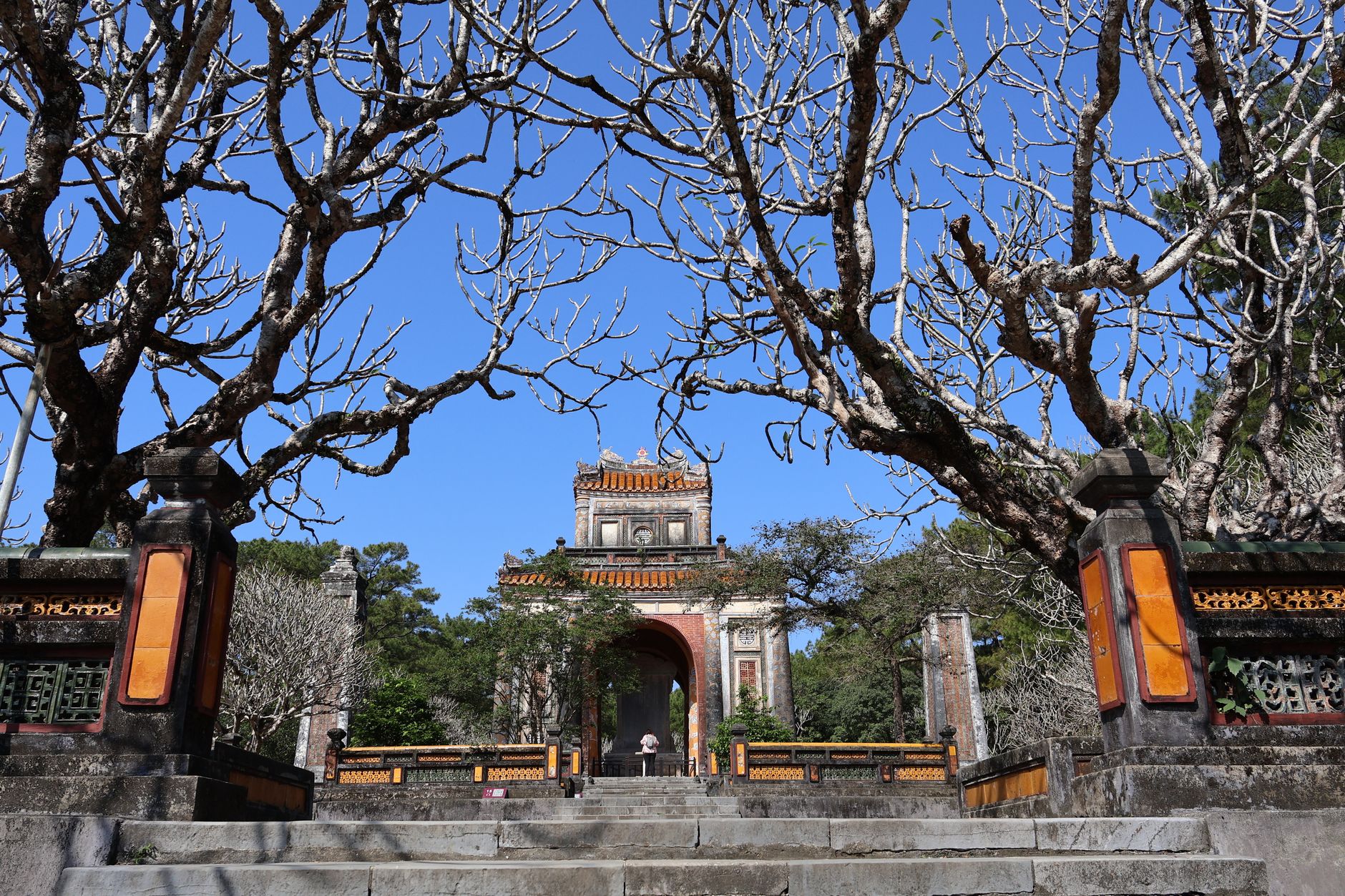
Northern Vietnam (베트남 / 越南 / ベトナム) is defined by its micro-climates, and those micro-climates dictate what goes on the plate. This 10-day itinerary takes you from the crowded alleyways of the capital to the high-altitude valleys of the northwest, ending with the coastal waters of the northeast Gulf of Tonkin.
Instead of just ticking off landmarks, this route uses regional food as your compass. You will transition from hot bowls of street-side noodles in Hanoi to hearty mountain stews in Sapa, and finally to fresh-off-the-boat shellfish in Ha Long Bay.
Day 1 — Hanoi: Old Quarter Street Food Crawl
Start your journey in the maze of the Hanoi (하노이 / 河内 / ハノイ) Old Quarter. Keep your bags at your hotel and head straight to the sidewalks. The best way to orient yourself is through your appetite.
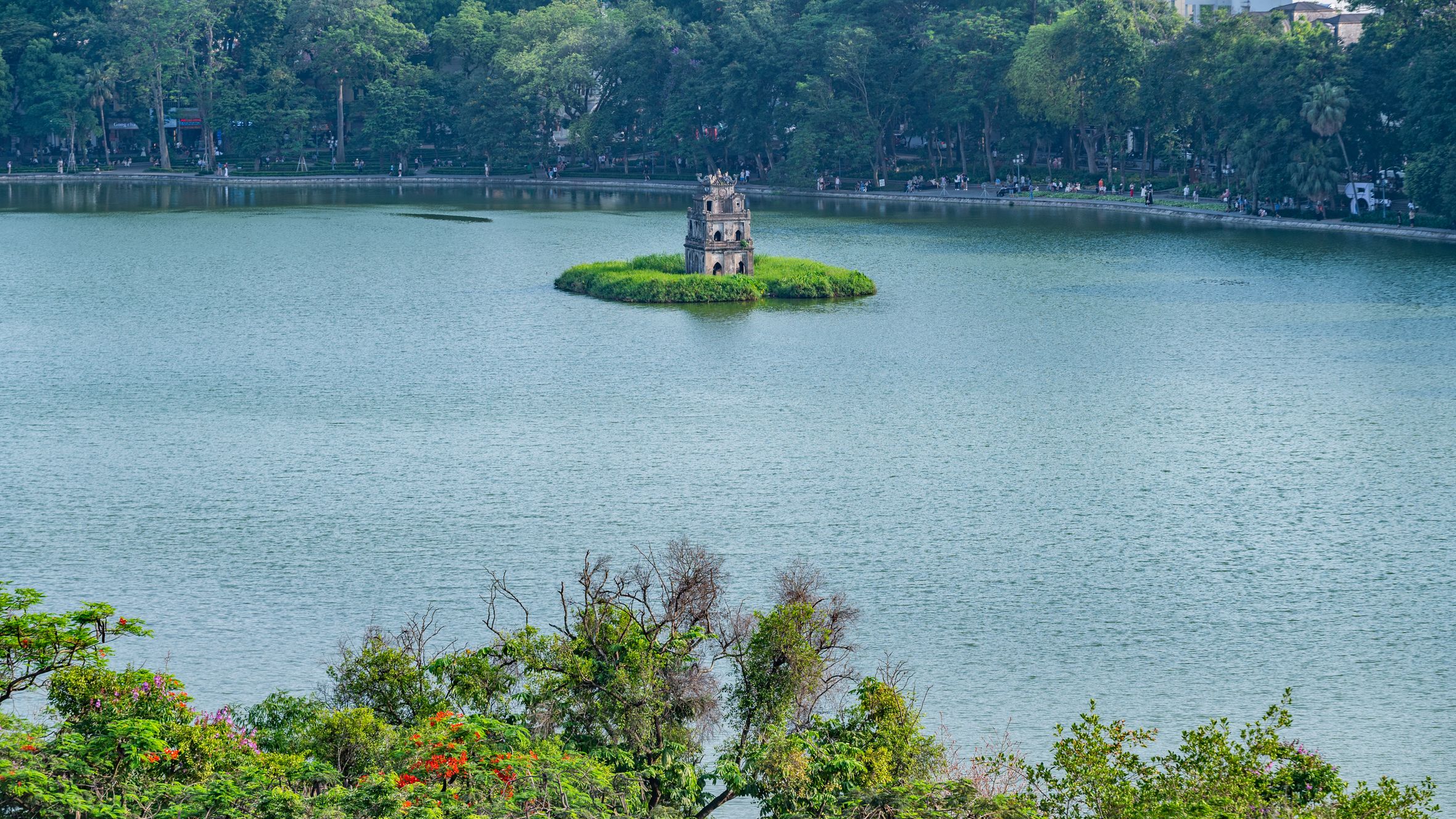
Begin on Hang Dong Street for a bowl of "pho" bo (beef noodle soup). Look for places where the broth is simmered for at least twelve hours and locals are perched on low plastic stools. Spend the afternoon walking off the jet lag around Hoan Kiem Lake, then head to Nguyen Huu Huan Street for a cup of "egg coffee" at Cafe Giang, where whisked egg yolk mimics sweet meringue over robust robusta beans.
For dinner, seek out "banh mi" on Hang Bac Street. Look for a vendor serving them warm from a small charcoal grill, stuffed with pate, pork floss, and fresh herbs.
Day 2 — Hanoi: Classic Lunches and Hidden Cafes
Dedicate today to the heavy hitters of Hanoi lunch culture. By 11:30 AM, make your way to Hang Quat lane for "bun cha". You will smell the pork belly grilling over charcoal before you see the alley. The dish is served as a bowl of warm, sweet-savory fish sauce broth packed with grilled pork patties, accompanied by a plate of cold rice vermicelli and a mountain of fresh herbs.
In the afternoon, escape the heat at a hidden cafe down an alleyway near the Temple of Literature. Order a cold brew or a coconut coffee.
For dinner, book a table at a traditional "cha ca" restaurant on Cha Ca Street. Here, turmeric-marinated catfish is fried at your table with dill and spring onions, then eaten with rice noodles, peanuts, and fermented shrimp paste.
Day 3 — Hanoi to Sapa: West Lake and the Night Train
Spend your morning exploring the quieter neighborhood around West Lake. Walk the grounds of Tran Quoc Pagoda, then stop at a lakeside stall for "banh tom" (crispy sweet potato and shrimp fritters).
In the afternoon, pack your bags and prepare for the journey north. While luxury limousine buses run during the day, the overnight sleeper train from Hanoi to Lao Cai remains the classic route. The train departs around 10:00 PM from Hanoi Railway Station. Book a first-class four-berth cabin for a comfortable night's sleep as the train climbs toward the Chinese border.
Day 4 — Sapa: Mountain Air and Tribal Flavors
You will arrive at Lao Cai station around 6:00 AM. From here, take a shared shuttle bus for the winding 45-minute climb up to Sapa town. The air here is instantly cooler and crisper.
After checking into your hotel, head to the local market. Sapa cuisine is heavily influenced by the Hmong and Red Dao ethnic minorities. For lunch, try "thang co", a traditional horse meat soup seasoned with cardamom, lemongrass, and star anise, or opt for locally raised black chicken grilled with wild forest pepper.
Spend the afternoon walking down into the Muong Hoa Valley to see the terraced rice fields. In the evening, warm up with a local herbal bath followed by a dinner of mountain vegetables and wild mushrooms.
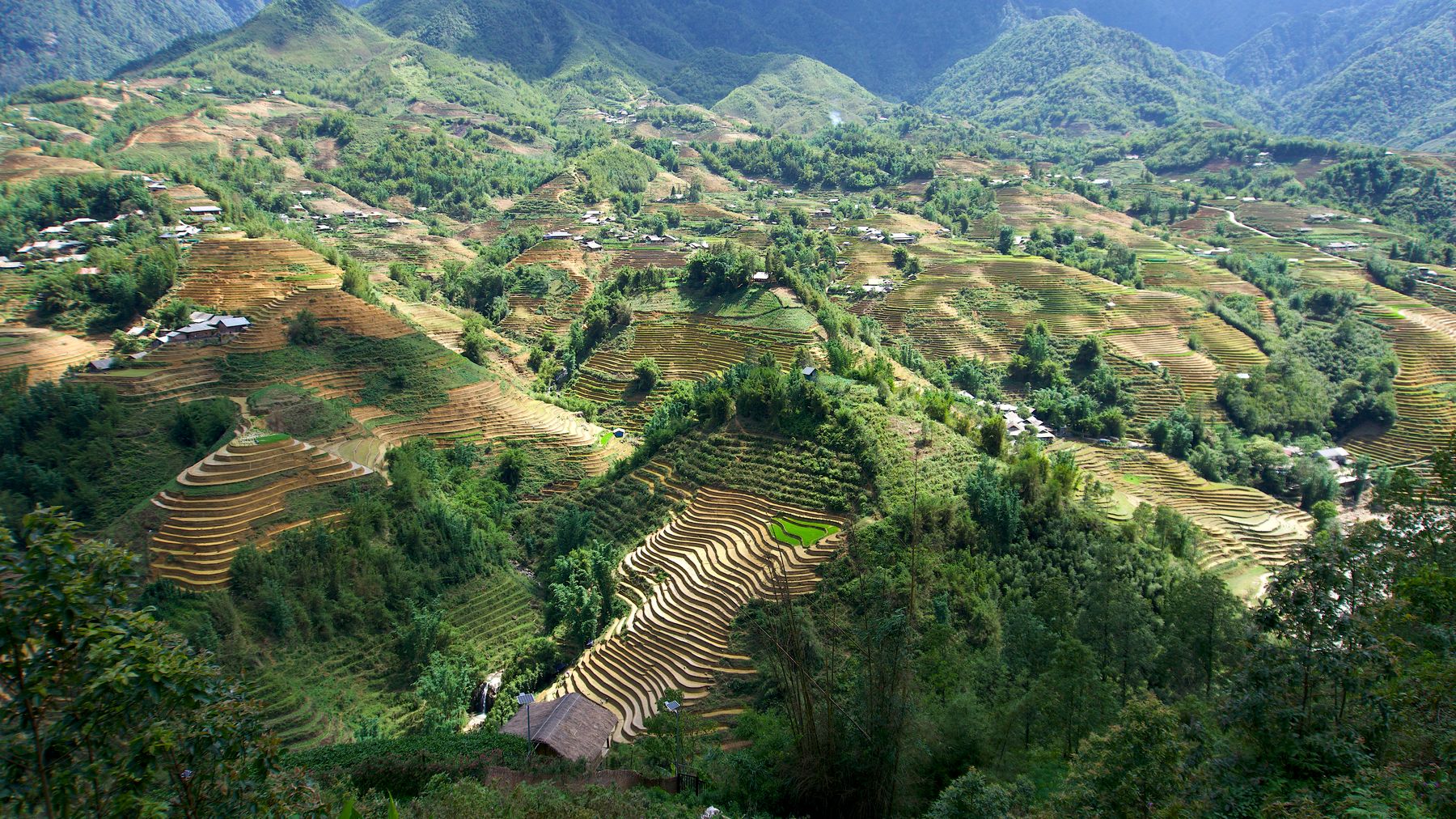
Photo by Duong Nguyen on Pexels
Day 5 — Sapa: Fansipan and Salmon Hotpot
Take the morning cable car up to the peak of Fansipan, the highest mountain in Indochina. If the weather is clear, you will get views across the Hoang Lien Son range; if it is cloudy, you will stand above a sea of white mist.
Head back down to Sapa town for lunch. Because of the cold mountain water, Sapa has successfully farmed rainbow trout and sturgeon. Order a Sapa salmon hotpot ("lau ca hoi"). The fish is sliced thin and cooked at the table in a sour broth flavored with wild tomatoes, pineapple, and local herbs.
Day 6 — Sapa to Hanoi: Forest Foraging and Limousine Return
Spend your last morning in Sapa visiting the village of Ta Phin. Here, you can learn about the medicinal plants gathered by Red Dao women in the surrounding forests.
For lunch, grab some street-side skewers of pork wrapped in mustard leaves, grilled over hot coals. At 2:00 PM, board a shared luxury limousine D-Car for the five-hour drive back to Hanoi via the Noi Bai-Lao Cai highway. You will arrive back in the capital in time for a late-night bowl of "banh cuon" (steamed rice rolls filled with minced pork and wood ear mushrooms).
Day 7 — Hanoi to Ha Long Bay: Coastal Transfer and Cruise Boarding
At 8:30 AM, your cruise shuttle will pick you up from your Hanoi hotel for the 2.5-hour drive to Ha Long Bay. The modern highway cuts through the Red River Delta directly to the coast.
Board your boutique cruise ship at Tuan Chau Harbor by noon. As the boat sails past the towering limestone karsts, lunch is served on deck. The focus here shifts entirely to seafood. Expect steamed blue crabs, grilled oysters with scallion oil, and fresh squid.
Spend the afternoon kayaking through quiet lagoons or visiting a floating pearl farm.

Photo by Vietnam Hidden Light on Pexels
Day 8 — Ha Long Bay: Lan Ha Bay and Squid Patties
Wake up early for tai chi on the sundeck, or simply watch the mist rise off the water. Most high-end cruises will take you deeper into Lan Ha Bay or Bai Tu Long Bay on day two, away from the crowded tourist tracks.
For lunch, look out for "cha muc" (squid ink patties). The squid is hand-pounded to give it a dense, bouncy texture, then deep-fried until golden brown. It is traditionally eaten with sticky rice or rolled in steamed rice cakes.
Spend the afternoon swimming off the side of the boat or exploring hidden caves.
Day 9 — Ha Long Bay to Hanoi: Harbor Eats and Bia Hoi
Disembark the cruise around 11:00 AM. Before heading back to Hanoi, stop at a local restaurant in Ha Long City for a bowl of "banh canh" ghẹ (thick tapioca noodles in a rich crab broth).
Arrive back in Hanoi by late afternoon. Celebrate your final night in Vietnam at a local "bia hoi" corner. Sit on a low plastic stool, order a cold glass of draft beer, and pair it with fried tofu with lemongrass, roasted peanuts, and green mango salad.
Day 10 — Hanoi: Final Bites and Departure
Use your final morning to pick up edible souvenirs. Head to Hang Duong Street to buy "o mai" (salted, spiced dried fruits) or visit a tea shop for wild lotus tea.
Have one last bowl of chicken pho near the Cathedral before heading to Noi Bai International Airport for your flight home.
Practical notes
For transport, book the overnight train to Sapa via reputable operators like Chapa Express or Victoria Express, and use luxury limousine vans for the return leg to Hanoi. Always book Ha Long Bay cruises at least a month in advance during the high season (October to April) to secure reputable operators who source fresh, local seafood. Budget approximately 1,500,000 to 2,500,000 VND per day for mid-range dining, transfers, and activities, excluding high-end cruise costs.
Last updated · May 30, 2026 · independently researched, never sponsored.