What makes Mui Ne's goi ca mai different
"Goi ca mai" — raw anchovy salad — is a dish that tastes like the water it comes from. In Mui Ne (무이네 / 美奈 / ムイネー), that means salt, funk, and the clean mineral bite of the South China Sea. The anchovies here are smaller and more assertive than what you'll find in Hanoi; locals mix them raw with lime, chilies, shallots, and sometimes peanuts or sesame seeds, then pile it on rice crackers or eat it as a side to grilled fish.
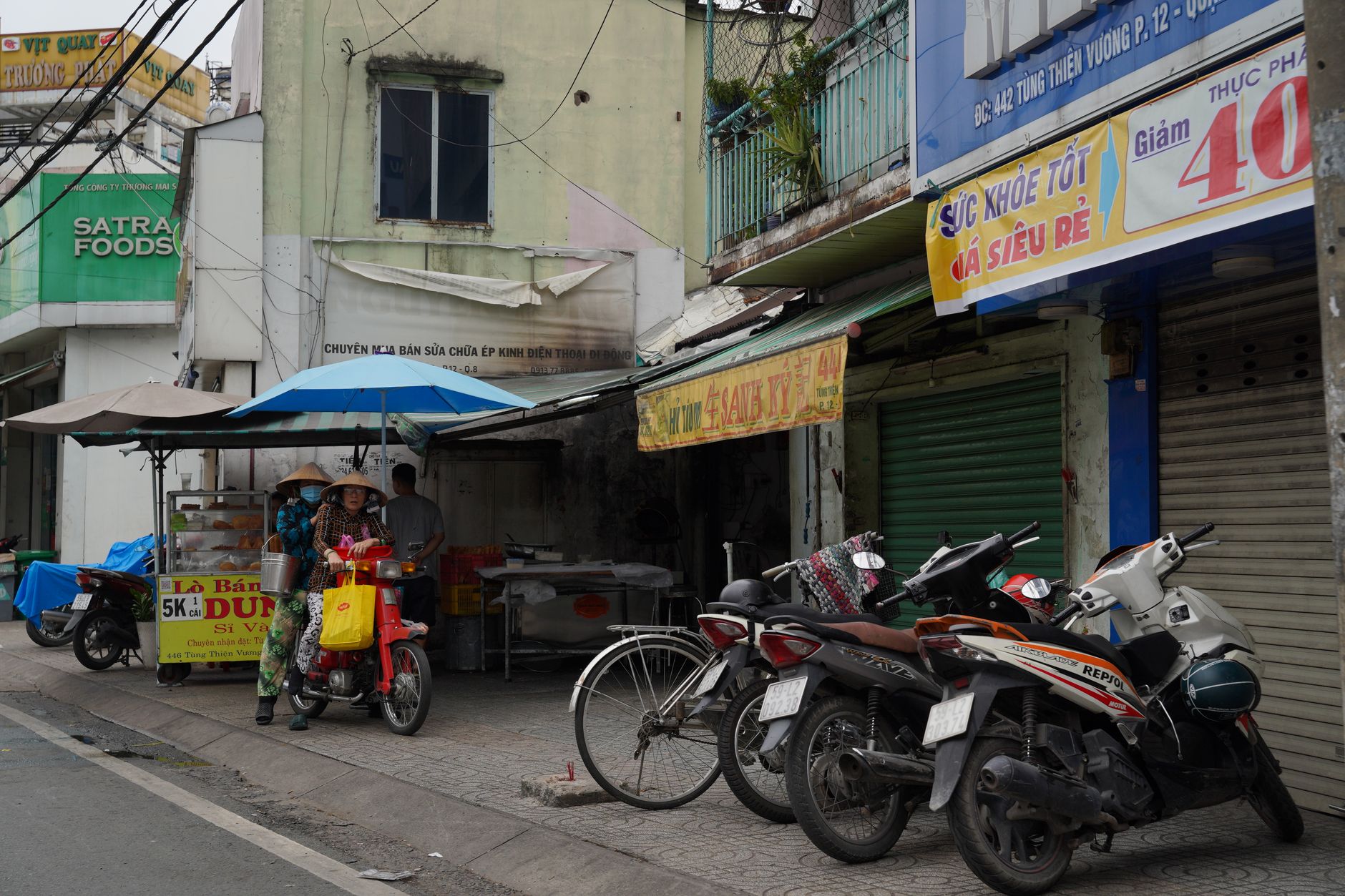
You won't see it on many tourist menus. It's a working-fisherman's lunch, something you grab at a market stall or a no-name seafood shop where the owner's family boat came in that morning. The flavour is intense—funky in the way fermented fish is funky, but fresher, with an edge of sweetness that comes from the fish's diet of krill and microplankton.
Where locals eat goi ca mai in Mui Ne
Mui Ne Market (Cho Mui Ne)
Start here on a weekday morning around 7–8 AM. The market sits on Nguyen Hue Street, a 10-minute walk north of the main beach strip. You'll see a few stalls on the eastern side selling loose anchovies packed in ice, and a couple of older women prepping salads in plastic bowls. Ask for "goi ca mai"—they'll know. A bowl costs 40,000–60,000 VND and comes with a small heap of fish crackers on the side. The fish changes daily; if the catch was light, you might only find it some mornings. The woman in the red apron (ask other stall owners to point her out) has been selling it for years and doesn't dilute the flavour with sugar or fish sauce adjustments.
Bà Hồng's Seafood Stall (near Phan Thiet Harbour)
About 15 km north of central Mui Ne, in the working port area of Phan Thiet, there's a cluster of plastic-chair seafood shacks where fishermen eat their own catch. Bà Hồng runs one of the oldest. She makes "goi ca mai" in a metal bowl right in front of you—anchovies, fresh lime juice, bird's-eye chilies, shallots, a pinch of sugar, and a splash of fish sauce. No oil, no peanuts. Just the salad. It costs 50,000 VND and is best eaten immediately, spooned onto rice paper or eaten straight with a spoon. The flavour is sharp enough to make your eyes water. Go for lunch (11 AM–1 PM); after 2 PM she often sells out. Her stall doesn't have a name—ask harbour staff or taxi drivers for "qua-an-ba-hong-o-cang-ca-mai" (Bà Hồng's place at the anchovy port).
Nha Hang Thanh Huong (Rach Dia)
On the road to Rach Dia fishing village, about 8 km from Mui Ne town, Thanh Huong is a family-run restaurant with a small bar and a kitchen open to the street. They source anchovies from their own boat and prepare "goi ca mai" with vinegar and a touch of sugar—slightly sweeter than the market version, but still clean. A serving (about 150 g) costs 70,000 VND. The best time to order is 11:30 AM–12:30 PM, right after the morning boats dock. Pair it with their grilled squid or black pomfret; locals often order a plate of salad and two grilled fish to share. The restaurant is cash-only and closes by 4 PM.
Fisherman's Cooperative Canteen (Tran Hung Dao)
This is a working canteen for active fishermen, not a tourist spot. It's on Tran Hung Dao Street, a 5-minute walk inland from the main beach. They serve "goi ca mai" only on certain days—ask your hotel or a local taxi driver if today is a catch day. Cost is 35,000–45,000 VND. The salad is basic, sometimes with just lime and chilies, sometimes with roasted sesame. You'll eat at a plastic table next to fishermen in salt-crusted clothes. No English menu. Point at what others are eating, or ask the server "goi ca mai co khong?" (Do you have anchovy salad?). Go for breakfast or lunch; by evening the stall often closes early.
Salty Fish Cafe (Pham Van Dong)
A newer spot, Salty Fish has become popular with younger locals over the past year. They make "goi ca mai" in a more refined way—anchovies, lime, bird's-eye chili, toasted sesame, and a very light hand with fish sauce. The dish costs 65,000 VND and comes with rice crackers and fresh herbs on the side. The atmosphere is casual; a mix of locals and backpackers. They're open 7 AM–9 PM and the salad is consistent throughout the day, but it tastes best at lunch when the fish is freshest.

Photo by Quang Nguyen Vinh on Pexels
How to order and what to expect
If you're at a market stall or canteen, simply say "một tô goi ca mai" (one bowl of anchovy salad). At a sit-down restaurant, point to what others are eating or ask "co goi ca mai khong?" (do you have goi ca mai?).
When it arrives, the salad will be loose—raw anchovies mixed with lime juice and chilies, sometimes with shallots, peanuts, or sesame seeds. There's usually no oil. Eat it immediately; the longer it sits, the more the anchovies soften and lose their edge. Use rice crackers as a vehicle, or eat spoonfuls straight. The heat builds with each bite; the lime cuts the funk, and the salt is intense.
If you find it too strong, ask for "goi ca mai chua" (less salty) or request extra lime juice. Some stalls will add a touch of sugar if you ask, but locals don't recommend it.

Photo by Sergey Guk on Pexels
When to go
Best time: weekday mornings, 7–9 AM or 11 AM–1 PM.
Anchovies are a seasonal catch; they're most abundant May–September. Winter months (November–March) can be hit-or-miss. Morning is always better—the overnight catch is fresh, stalls are fully stocked, and you'll eat alongside local fishermen before they head back out.
Weekends see more tourists at the touristy spots, which can mean stalls run out faster or prep the dish a bit earlier in the morning to stay ahead of demand. Weekday lunch is your best bet for consistency and authenticity.
Practical notes
Mui Ne's "goi ca mai" is best experienced as a casual, working-class meal—expect plastic chairs, no frills, and cash-only payment at most stalls. The flavour is polarizing; if you don't like funk or strong fish flavour, this isn't your dish. But if you do, this is some of the finest raw seafood Vietnam (베트남 / 越南 / ベトナム) has to offer, caught and eaten within hours of landing.
Last updated · Apr 4, 2026 · independently researched, never sponsored.