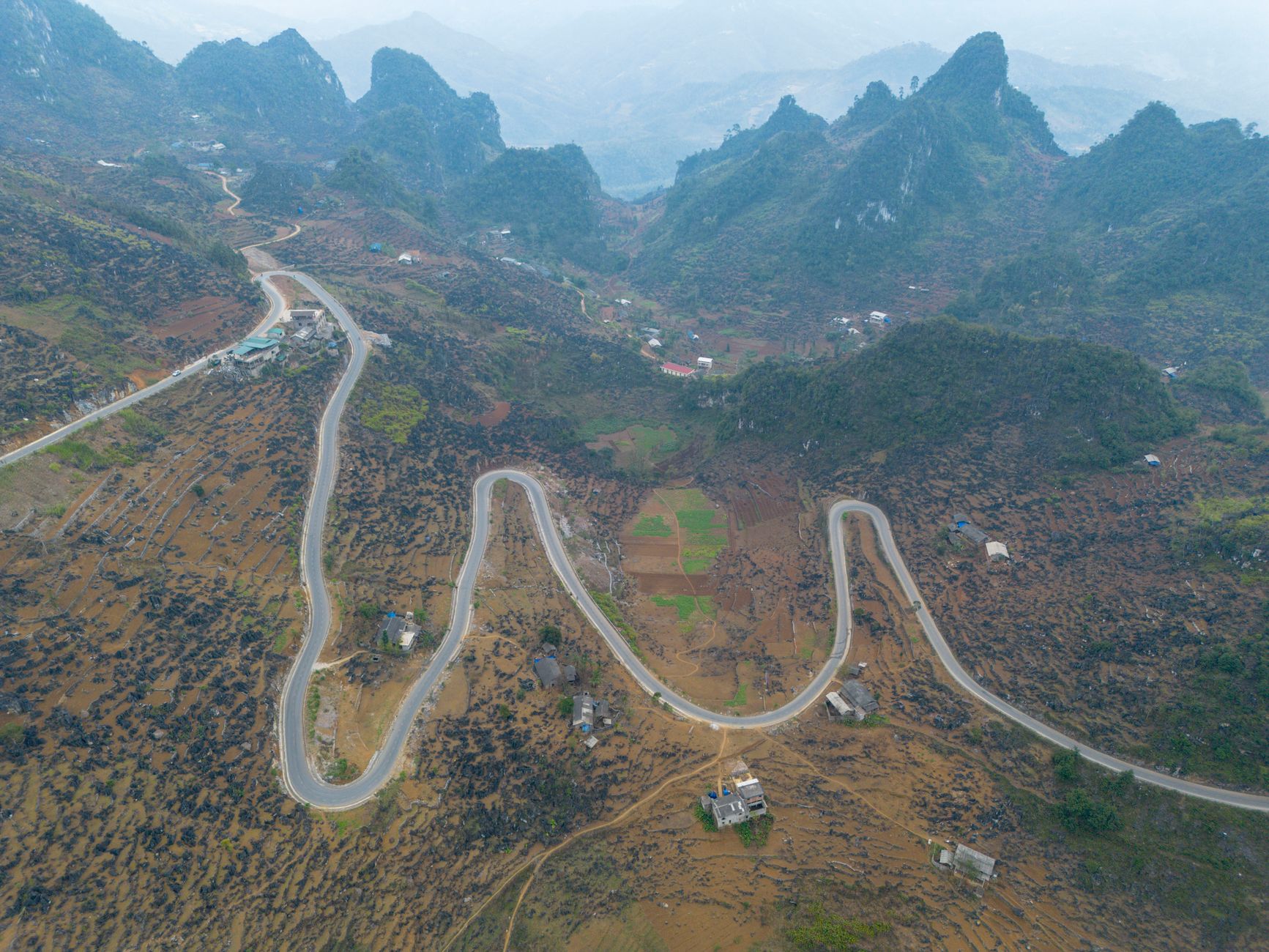
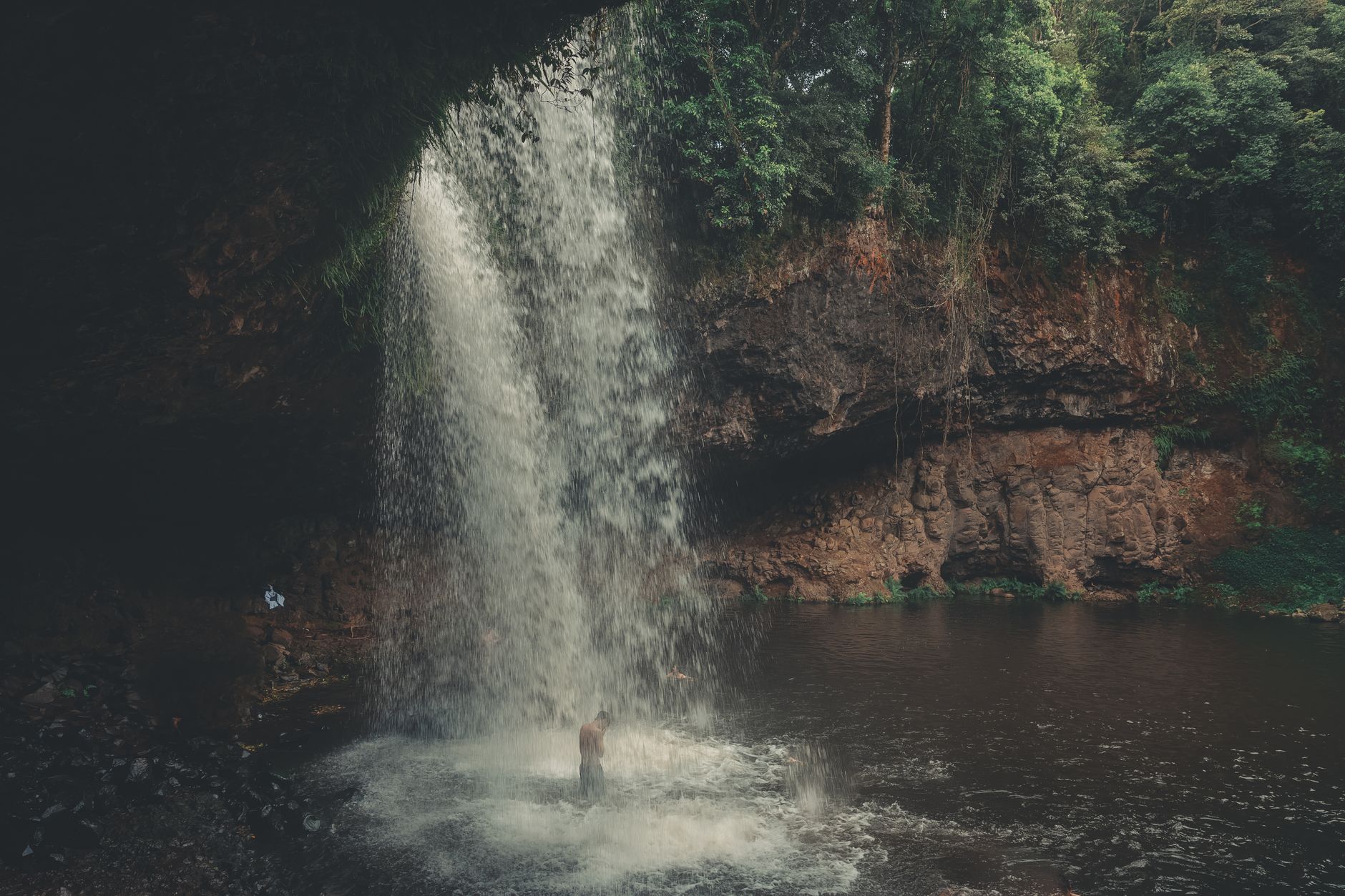
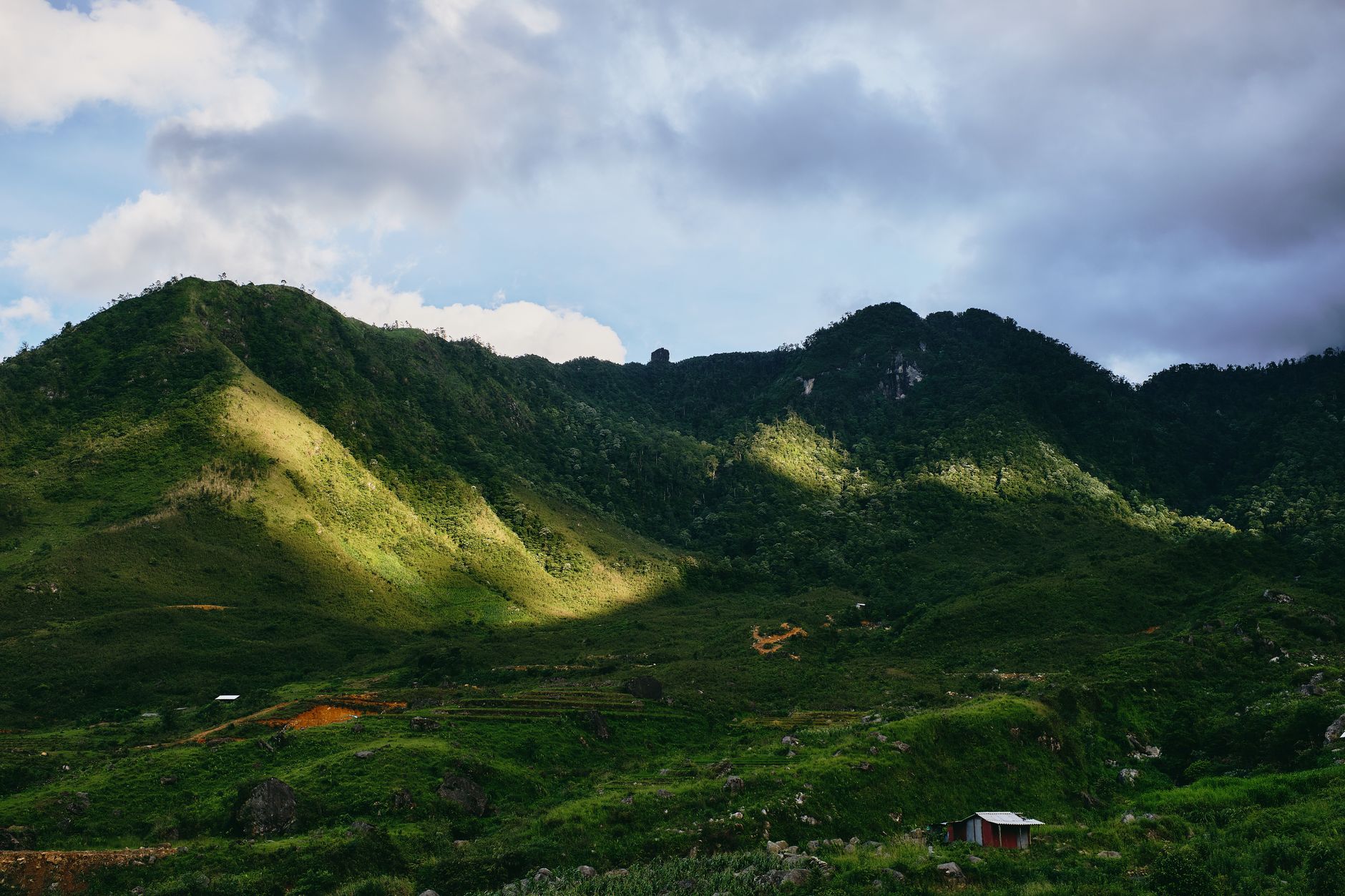
Cao Bang doesn't get the tourist traffic that Sapa or Ha Giang does, and that's part of what makes it worth visiting. Khu di tich Kim Dong — the Kim Dong Historical Site — sits in Truong Ha commune, Ha Quang district, about 55 km north of Cao Bang city, surrounded by limestone karst and rice paddies that feel genuinely untouched by tourism infrastructure.
What it is
The site commemorates Kim Dong (real name Nong Van Den), a teenage messenger for the Viet Minh who died in 1943 at the age of 14. He's considered the founder of the Ho Chi Minh (호치민 / 胡志明 / ホーチミン) Pioneer Organization, and his story is taught in every Vietnamese school. The memorial complex includes his tomb, a small museum, a statue, and the surrounding area where he grew up and operated as a courier in the mountains along the Sino-Vietnamese border.
For Vietnamese visitors, this is a pilgrimage site — school groups come here regularly. For foreign travelers, it's a window into a piece of Vietnamese history that rarely gets discussed in English-language travel writing, set in some of the most striking landscape in the north.
Why travelers go
Honestly, most foreign visitors end up here as part of a broader Cao Bang loop rather than making a dedicated trip. But the site earns its stop. The museum is small but well-maintained, with photographs and artifacts from the 1940s resistance period. The real draw, though, is the setting: the drive from Cao Bang city through Ha Quang district passes through valleys that rival anything on the Ha Giang loop, minus the motorbike convoys.
If you're interested in Vietnamese history beyond the usual Cu Chi Tunnels and war museums in Saigon, this gives you context for the independence movement's earliest days in the northern mountains.
Best time to visit
September through November is ideal — the rain has mostly stopped, the rice terraces around Ha Quang are golden before harvest, and temperatures hover around 20-25°C. December through February gets properly cold up here (down to 5-8°C at night), and fog can obscure the mountain views that make the drive worthwhile.
March to May is pleasant but drier, with less green in the landscape. Avoid June through August if you can — heavy rain makes the mountain roads slower and occasionally impassable in spots.

Photo by Valeria Drozdova on Pexels
How to get there
From Hanoi (하노이 / 河内 / ハノイ), you have two options to reach Cao Bang city:
Bus: Direct sleeper buses run from My Dinh bus station to Cao Bang city, taking about 7-8 hours. Expect to pay 250,000-350,000 VND depending on the operator. Hung Thanh and Thanh Ly are reliable companies on this route. Buses depart throughout the day, with the most convenient being evening departures that arrive early morning.
Private car/motorbike: The drive is roughly 270 km via National Highway 3 (QL3). On a motorbike, budget a full day with stops. The road is in decent condition but winds through mountain passes after Thai Nguyen.
From Cao Bang city to the Kim Dong site, it's about 55 km north on the road toward Ha Quang. A "xe om" (motorbike taxi) will charge around 200,000-300,000 VND one way, but the better option is renting a motorbike in Cao Bang city (150,000-200,000 VND/day) so you can stop along the route. The road is paved but narrow in sections — confident riders only.
What to do
Visit the museum and memorial
The museum is free to enter and takes about 30-45 minutes. Exhibits are mostly in Vietnamese, but the photographs and maps are self-explanatory. Kim Dong's tomb sits on a hillside above the museum with views across the valley. The statue at the entrance is where most Vietnamese visitors take photos.
Walk the courier trail
A marked path leads from the memorial into the surrounding hills, tracing part of the route Kim Dong used as a messenger. It's an easy 2-3 km walk through forest and along rice paddy edges. No guide needed, though signage is in Vietnamese.
Drive the Ha Quang valley loop
The road between Cao Bang city and the memorial site passes through Ha Quang town and some of the best karst scenery in the province. Budget extra time to stop at the smaller Tay and Nung ethnic minority villages along the way. People are friendly but not accustomed to tourists — a smile and a "xin chao" goes further than a camera lens.
Explore Pac Bo Cave nearby
Pac Bo Cave, another historical site about 50 km from Cao Bang city, is often paired with Kim Dong on a day trip. It's where Ho Chi Minh lived after returning to Vietnam in 1941. The Lenin Stream and Karl Marx Mountain nearby have names that feel surreal in the middle of pristine jungle. Allow 1-2 hours.
Catch the weekly market
If your timing works, the Ha Quang market (typically Sunday mornings) draws Tay, Nung, and Dao ethnic groups from surrounding villages. It's a working market, not a tourist attraction — expect tobacco, livestock, local rice wine, and handwoven textiles at local prices.
Where to eat nearby
Cao Bang has a regional specialty worth seeking out: "pho chua" (sour pho), a cold rice noodle dish tossed with roasted pork, peanuts, herbs, and a tangy sauce. It's nothing like the "pho" you know from Hanoi — closer to a noodle salad. Try it at the stalls around Cao Bang's central market for 30,000-40,000 VND.
Also look for "banh cuon" here — the Cao Bang version uses buckwheat and has a chewier, darker wrapper than the Hanoi style. Street vendors near Xuan Truong street in Cao Bang city serve it for breakfast.
Around Ha Quang itself, options are limited to basic "com binh dan" (rice plate meals) for 30,000-50,000 VND. Eat in Cao Bang city before or after.
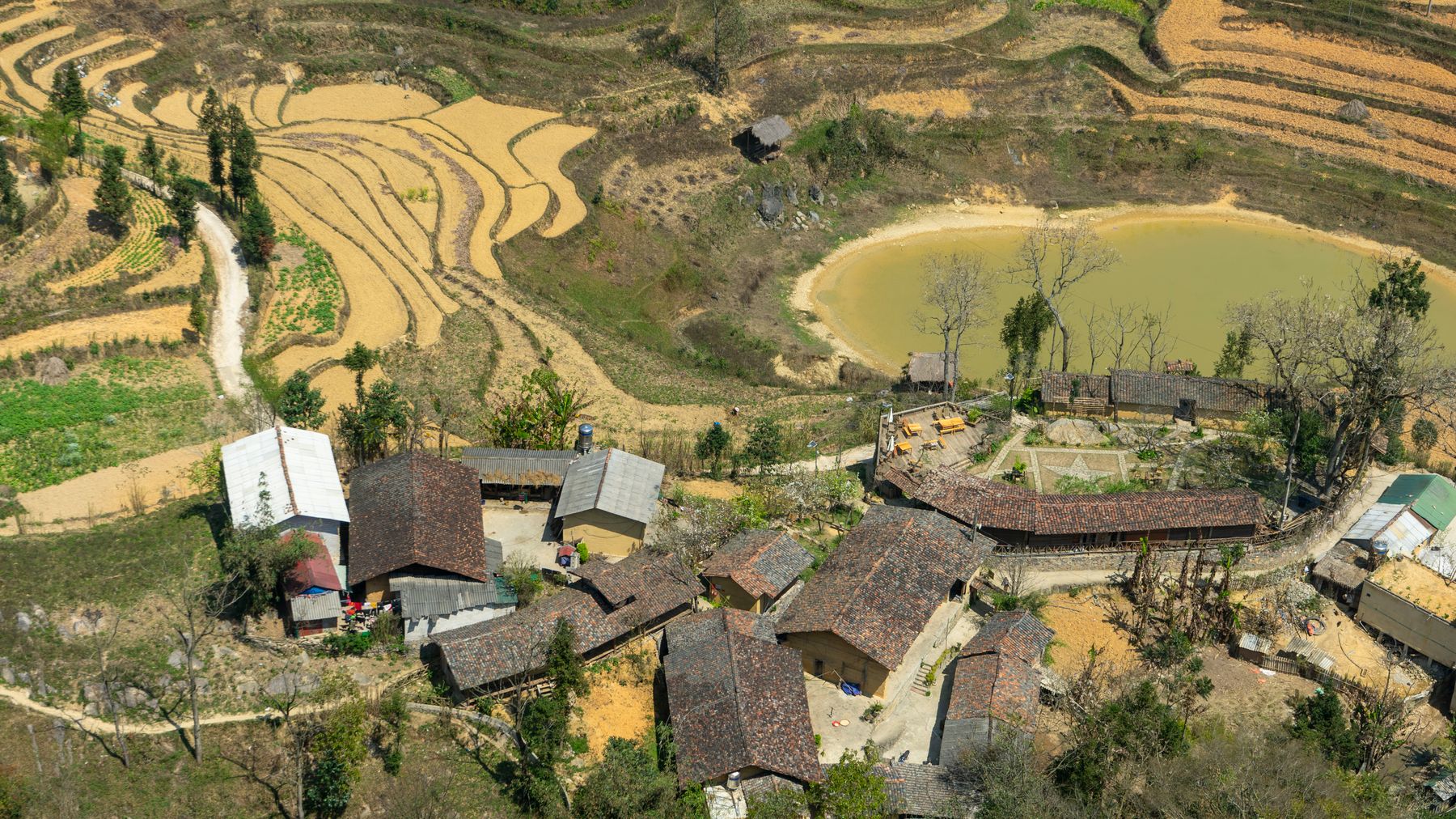
Photo by Vietnam Hidden Light on Pexels
Where to stay
Cao Bang city has the nearest decent accommodation:
- Budget: Guesthouses and "nha nghi" around the bus station run 150,000-300,000 VND/night. Basic but clean enough.
- Mid-range: Hotels like Duc Trung or Bang Giang Hotel offer air-conditioned rooms with hot water for 400,000-600,000 VND/night.
- Homestays: A few homestays have opened in Ha Quang district, typically 200,000-350,000 VND including dinner and breakfast. Ask at the Cao Bang tourism office near the central square for current options — these change seasonally.
Practical tips
- Bring cash. There are ATMs in Cao Bang city, but nothing in Ha Quang district.
- The memorial site has basic toilet facilities but no cafe or shop. Carry water and snacks.
- If you're riding a motorbike, fill up in Cao Bang city. Petrol stations thin out past Ha Quang town.
- Phone signal (Viettel works best up here) is patchy between Cao Bang city and the site. Download offline maps before you leave.
- Dress modestly at the memorial — it's a place of respect for Vietnamese visitors, especially school groups.
Common mistakes to avoid
Don't try to day-trip from Hanoi. The 7-8 hour bus ride each way makes this miserable as a round trip. Give Cao Bang province at least two nights — combine Kim Dong with Pac Bo, Ban Gioc Waterfall, and the Nguom Ngao Cave system.
Don't skip the drive. Some travelers hire a car and sleep through the scenery. The road from Cao Bang city to Ha Quang is half the experience.
Don't expect English signage or English-speaking staff at the memorial. A basic Vietnamese phrasebook or translation app makes the museum visit significantly more rewarding.
Last updated · May 29, 2026 · independently researched, never sponsored.