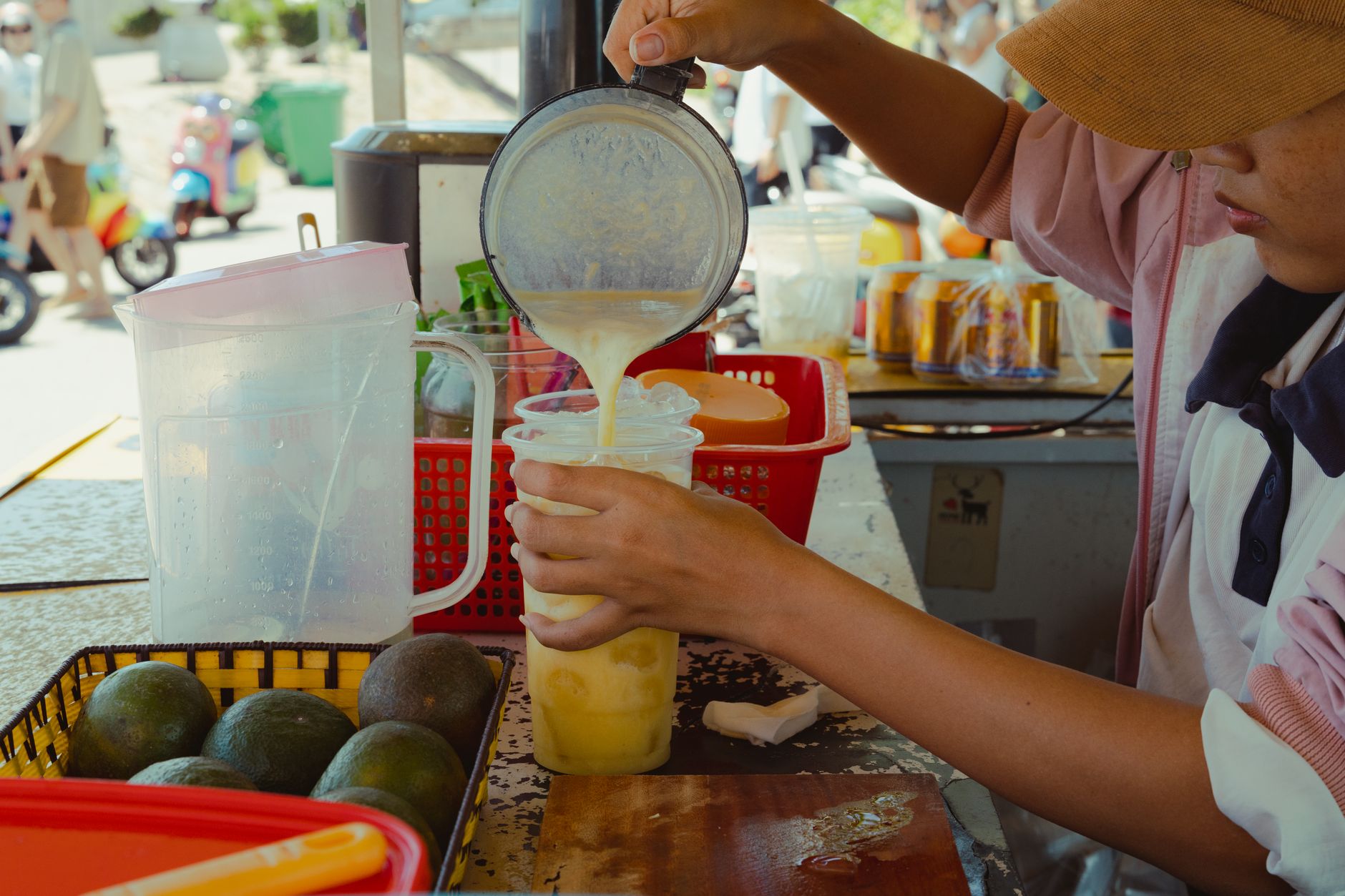
Jellyfish noodles are one of those dishes that sounds alarming until you actually eat one — then you wonder why you waited. "Bun sua" is hyperlocal to the Khanh Hoa coast, sold mostly at small street stalls in Nha Trang (냐짱 / 芽庄 / ニャチャン), and almost completely absent from restaurant menus elsewhere in Vietnam. If you're here for a few days, it's worth going out of your way to find it.
What You're Actually Eating
The bowl arrives cold or at room temperature — that's normal, not a mistake. The base is thin rice vermicelli (the same style used in "goi cuon"), topped with translucent jellyfish strands that have been processed to remove their sting, blanched briefly, then chilled. The broth is light and slightly sweet, made from pork or shrimp stock, nothing heavy. Garnishes typically include fresh herbs, bean sprouts, sliced chili, a squeeze of lime, and a spoonful of shrimp paste ("mam tom") on the side — use that last one sparingly if you're not used to it.
The jellyfish texture is the thing people worry about. It's firm and slightly crunchy, somewhere between glass noodles and thinly sliced calamari. It doesn't taste of much on its own; it absorbs the seasoning around it. Once you're past the initial curiosity, it's a refreshing, low-effort bowl — exactly what you want in Nha Trang's coastal heat.
Where to Go
The highest concentration of bun sua stalls is around the Cho Dam market area and along Nguyen Thi Minh Khai street, roughly 1.5 km west of the main beach strip. This is a working neighbourhood, not a tourist precinct, so prices stay honest.
Bun Sua Ba Tuoi on Nguyen Thi Minh Khai is one of the most consistently recommended spots among locals. It's a small setup — plastic stools, a few tables — and it fills up fast between 6:30 and 9:00 a.m. A bowl runs 25,000–35,000 VND depending on portion size. They close when the pot runs out, often before 10:00 a.m., so don't plan a late morning visit.
Another reliable option is the cluster of stalls inside and just outside Cho Xom Moi (Xom Moi Market) on Phan Boi Chau, about 10 minutes by xe om from the centre. Multiple vendors sell bun sua side by side here, which is useful if one is sold out. Same price range, same early-morning hours.
If you're staying near the beach and don't want to travel far, a few stalls appear along Nguyen Dinh Chieu street from around 6:00 a.m., though selection is smaller and they sell out even faster.
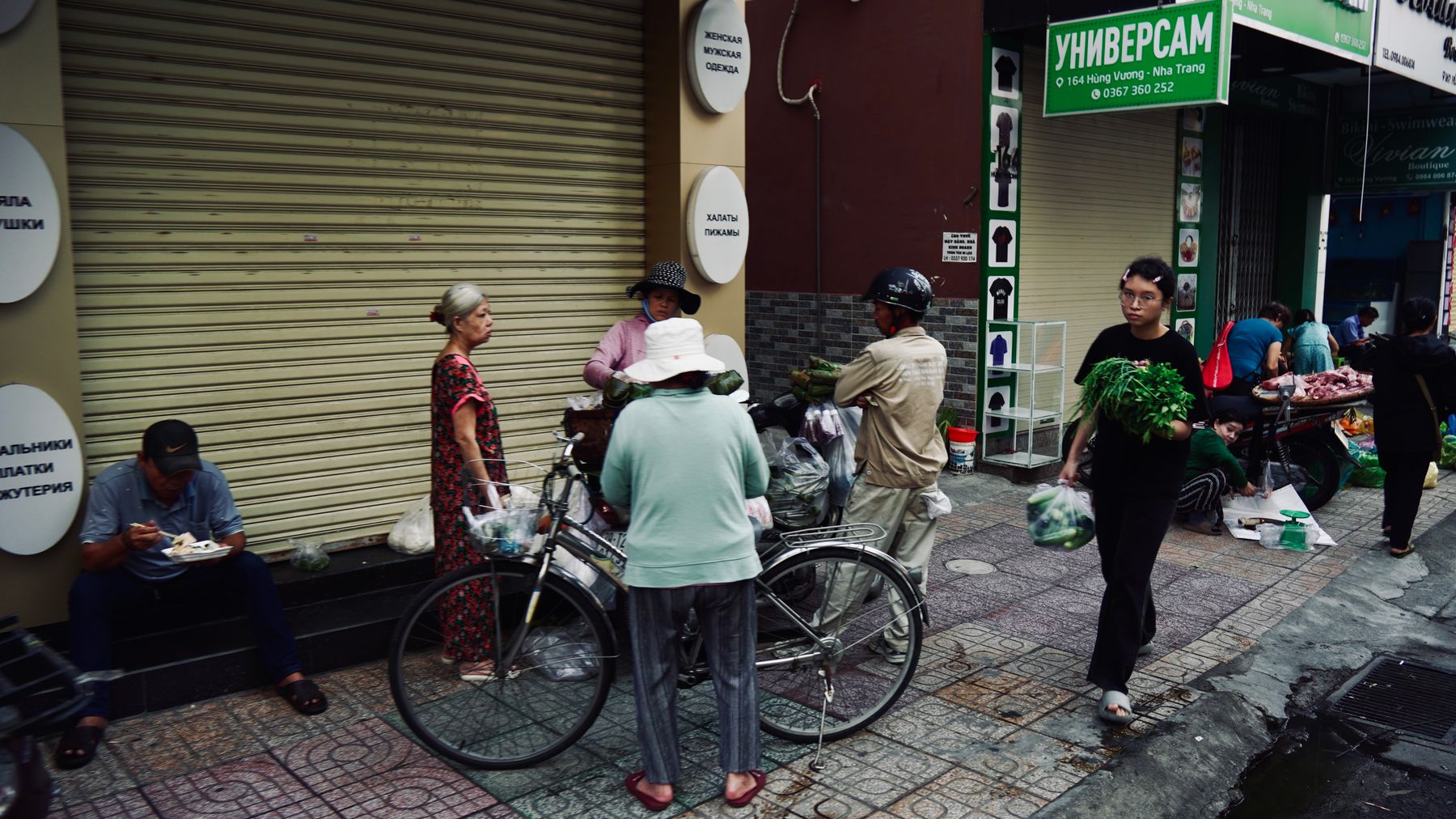
Photo by Tuan Vy on Pexels
How to Order
This is where first-timers stall. The vendors usually speak minimal English, but the ordering process is simple once you know the pattern.
Walk up, hold up fingers for the number of bowls. If asked a follow-up question (usually about size), say "nho" (small) or "lon" (large). Sit down. The bowl comes to you.
On the table you'll find:
- Fresh chili slices — add freely
- Lime wedges — squeeze half in immediately
- Fish sauce or light soy for salt
- Mam tom (shrimp paste) — a small dab if you want it, skip if you don't
- Fresh herbs — tear them in
Mix everything together from the bottom up before eating. The jellyfish sinks.
To ask for the bill: "Tinh tien" or just mime writing on your palm. Pay cash — these stalls don't take cards.
Timing and Logistics
Bun sua is a breakfast and early-morning snack dish. Most stalls open between 6:00 and 7:00 a.m. and shut by 10:00 or 10:30 a.m. at the latest. Trying to find it at lunch is usually a dead end.
It's seasonal in a loose sense — jellyfish availability fluctuates, and some stalls close during slow months (roughly May to August can see shorter hours). If you're visiting in peak season (December to March), supply is reliable.
Nha Trang's street food scene clusters in pockets away from the seafront hotels. Getting to the good bun sua spots means a short xe om or Grab ride — budget 20,000–40,000 VND for a one-way trip from the main beach road.
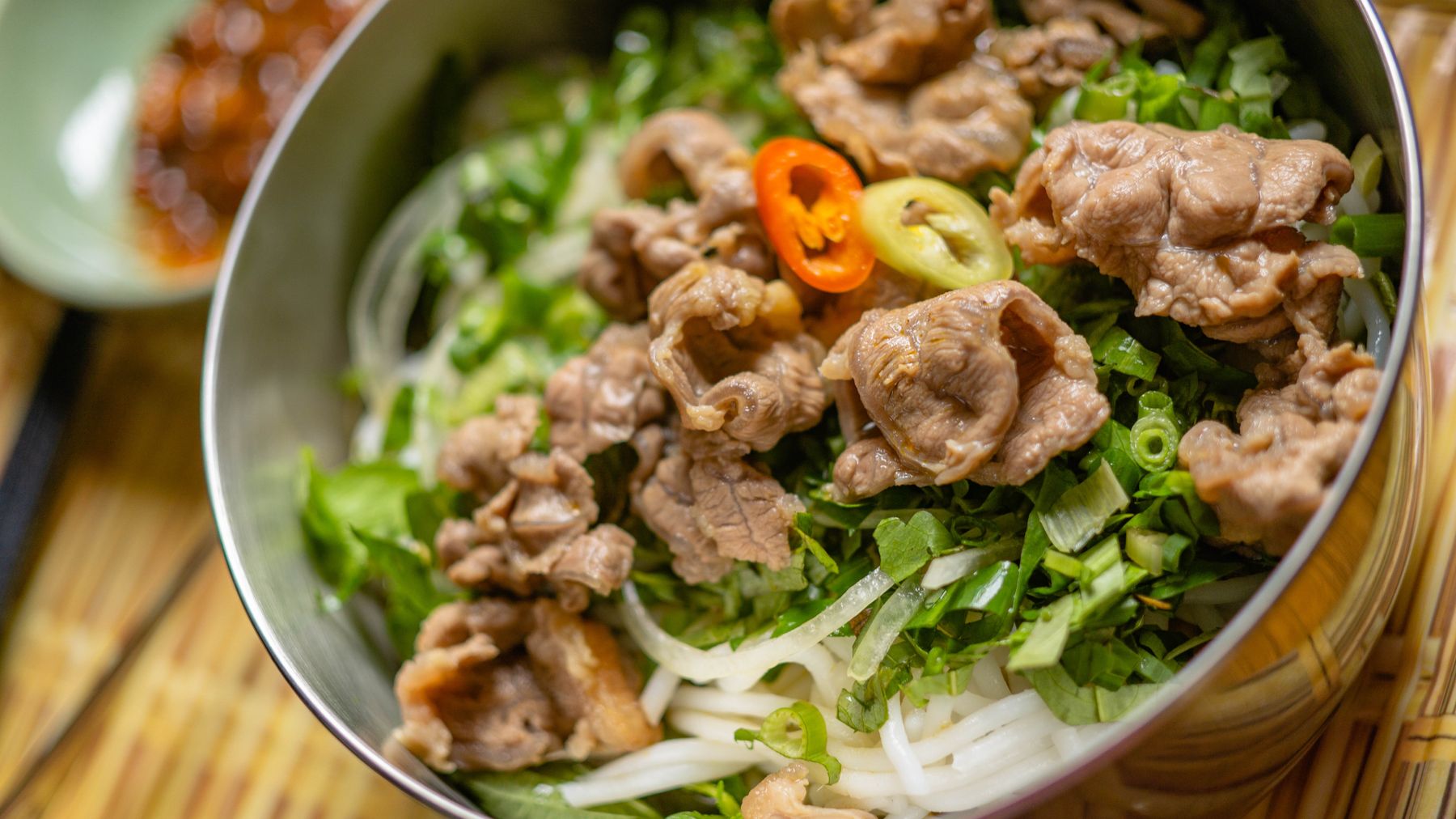
Photo by FOX ^.ᆽ.^= ∫ on Pexels
One Thing to Know Before You Go
Don't confuse bun sua with "bun ca" (fish noodle soup), which is also popular in Nha Trang and sometimes sold at the same stalls. Bun ca is hot, heavier, and more widely available. If you sit down and the bowl arrives steaming with a clear orange broth and fish chunks, that's bun ca — still excellent, but not what you came for. Point to someone else's cold bowl if needed, or say "bun sua" clearly when you order.
Practical Notes
Bring small bills — 20,000 and 50,000 VND notes work best. Most stalls open no later than 7:00 a.m. and are gone by mid-morning, so set an alarm. The Cho Dam and Nguyen Thi Minh Khai area is the safest bet for finding it consistently.
Last updated · May 26, 2026 · independently researched, never sponsored.