Most of the "vietnamese coffee" you've drunk anywhere in the country — thick, dark, served in a small glass over a pile of ice — started life on a farm within a two-hour radius of Buon Ma Thuot. The city sits at roughly 540 meters elevation in Dak Lak province, surrounded by red basalt soil that coffee trees love. If you care about where your food comes from, this is worth the detour.
Getting There
Buon Ma Thuot has a domestic airport (BMV) with direct flights from Hanoi, Saigon, and Da Nang — typically 60–90 minutes. Budget carriers run fares from around 500,000–900,000 VND each way if you book two or three weeks ahead. By bus from Saigon it's roughly 10–11 hours on a sleeper coach (about 200,000–280,000 VND); comfortable enough, but the flight makes more sense unless you're on a tight budget or enjoy overnight buses.
Rent a motorbike in town for 120,000–180,000 VND per day. Most farms are 15–40 km out, and the roads through the highlands are decent and largely flat. A car with driver runs 800,000–1,200,000 VND for a full day if you'd rather not ride.
What the Farms Actually Look Like
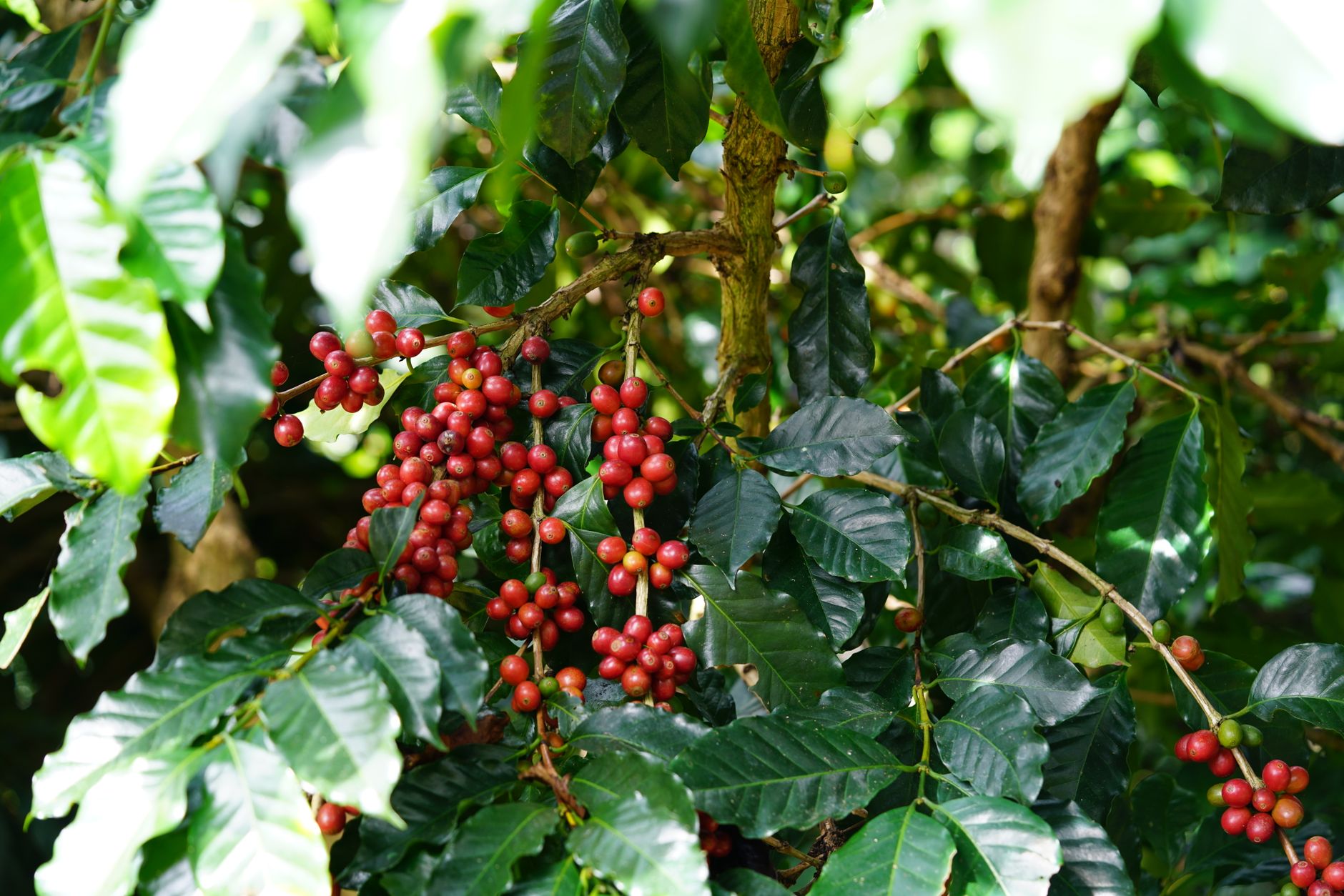
The coffee grown here is almost entirely Robusta — Coffea canephora — which thrives at lower altitudes than the Arabica you find up in Sapa or Da Lat. Robusta has more caffeine, more body, and a sharper bitterness, which is exactly why it suits the traditional Vietnamese brewing style: a slow drip through a "phin" filter into sweetened condensed milk.
Several farms around Buon Ma Thuot welcome visitors without requiring advance reservations, though calling ahead is polite and ensures someone is around to explain the process. Trung Nguyen Coffee Village (Lang Ca Phe Trung (에그커피 / 蛋咖啡 / エッグコーヒー) Nguyen), about 8 km from the city center on the road toward the airport, is the most developed option — essentially a theme park version of a coffee farm, with demonstration plots, processing equipment on display, and a tasting room. It's slick and a little commercial, but genuinely informative if you've never seen coffee cherry-to-cup before.
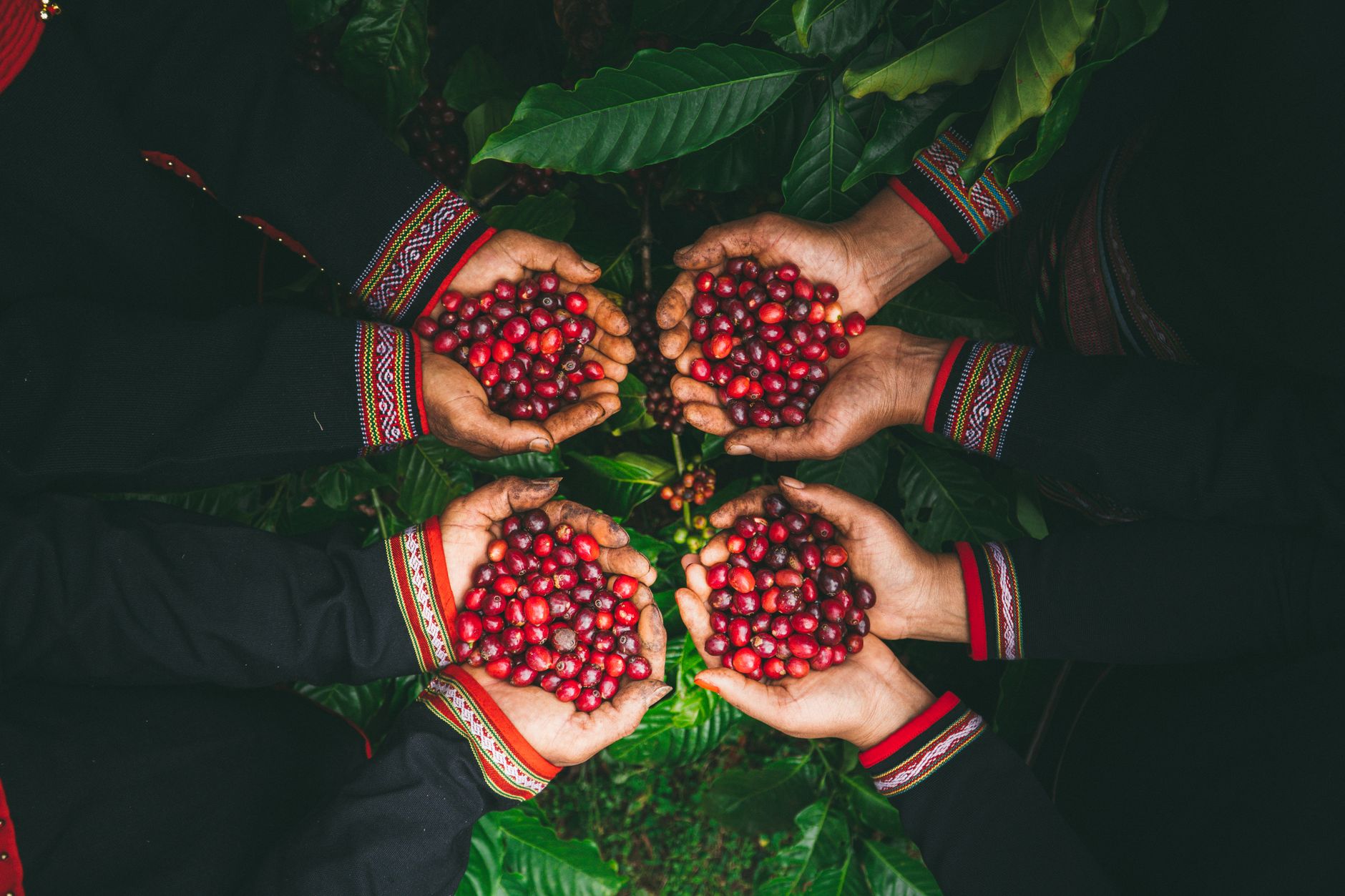
For something less curated, head 25–30 km south toward Krong Ana district. Family-owned farms here process coffee in small wet or dry mills beside their homes. Harvest season runs October through January; if you visit then, you can watch — and sometimes help — with cherry picking. Outside harvest, the farms are quieter but the trees are still there and farmers are generally happy to talk if you come with a basic phrase or two and a willingness to drink whatever they put in front of you.

Photo by Sóc Năng Động on Pexels
The Coffee Festival
Buon Ma Thuot hosts a Coffee Festival (Le Hoi Ca Phe Buon Ma Thuot) every two years, held in March, typically in odd-numbered years. It's a week-long event that mixes agricultural trade fair with street celebration — competition cupping, farm tours organized by the provincial government, cultural performances from Ede and M'nong communities, and a lot of free coffee distributed from booths around Hung Vuong Square in the city center.
The festival pulls in buyers from across Southeast Asia and draws domestic tourists in numbers that strain the city's limited hotel stock, so book accommodation at least six to eight weeks early if you plan around it. Rooms that normally go for 350,000–500,000 VND per night can double during festival week.
What to Taste
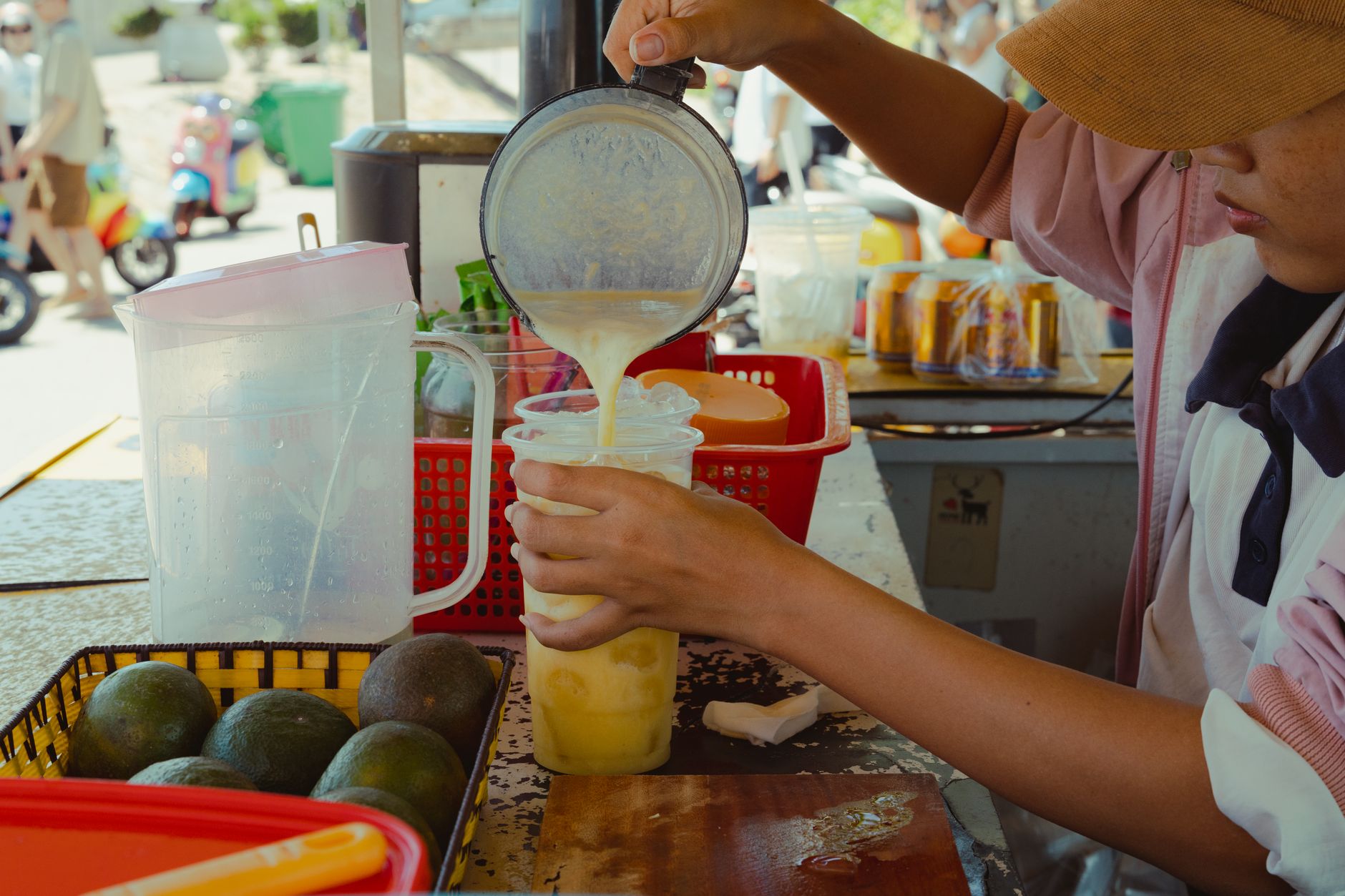
Beyond the standard "ca phe sua da (연유커피 / 越南冰咖啡 / ベトナムアイスコーヒー)" — iced coffee with condensed milk — Buon Ma Thuot has a few things worth seeking out specifically:
Weasel coffee ("ca phe chon") has a reputation that exceeds its reality, and most of what's sold in tourist shops is fake or comes from caged animals under poor conditions. The genuine article — coffee cherries eaten and passed by wild civets — does exist here, but it's rare, expensive (2,000,000–5,000,000 VND per 100g for the real thing), and ethically complicated. Worth knowing about; not necessarily worth buying.
Robusta single-origin drip is more interesting than it sounds. When processed well and brewed without burning, Buon Ma Thuot Robusta has chocolate and tobacco notes that are completely different from the harsh instant blends most people associate with the variety. Several small roasters in town — look around the streets near Nguyen Tat Thanh and Le Duan — sell 100g bags for 80,000–150,000 VND and will brew you a cup on the spot.
Egg coffee is a Hanoi invention, not a Central Highlands one, but you'll find it here now — a sign of how thoroughly it's colonized Vietnamese cafe menus nationwide. Skip it in Buon Ma Thuot and drink what's actually local.
For food alongside your coffee, the city has solid Ede-influenced grilled meats and sticky rice dishes, plus the usual Central Vietnamese staples. A bowl of "banh canh" at a morning market stall runs 25,000–35,000 VND and pairs well with a phin of black coffee.

Photo by Nay Sa Muel on Pexels
Where to Buy Beans
The Dakmark supermarket chain has branches in the city with a decent selection of locally roasted beans from smaller producers — more variety than airport shops at lower prices. For premium single-origins, K'Ho Coffee (sold online and at select Buon Ma Thuot cafes) and the roastery at Aeroco Coffee are worth hunting down. Expect to pay 150,000–300,000 VND for a 250g bag of quality whole-bean from local producers.
Vacuum-sealed beans travel fine in checked luggage. Ground coffee in sealed foil packs is also widely available if you don't have a grinder at home.
Practical Notes
Buon Ma Thuot needs one full day minimum to get a real feel for the farms and city; two days lets you range further and catch a second morning at the markets. The city is not a particularly polished tourist destination — infrastructure for international visitors is basic — which is most of its appeal. Accommodation runs 300,000–600,000 VND per night for a clean guesthouse; a handful of business hotels sit in the 800,000–1,200,000 VND range.
Last updated · May 29, 2026 · independently researched, never sponsored.