What it is
Chua Bon Mat — the Four-Faced Pagoda — is a Khmer Buddhist pagoda located in what was formerly Soc Trang province, now part of the expanded Can Tho administrative area. The name comes from its central shrine featuring a four-faced Brahma statue, each face looking out in a cardinal direction. The pagoda blends Khmer Theravada Buddhist architecture with elements borrowed from Thai and Cambodian religious design, which makes it feel distinct from the Mahayana pagodas you'll find across most of the Mekong Delta (메콩 델타 / 湄公河三角洲 / メコンデルタ).
The complex dates back several decades and has been expanded and renovated over the years with contributions from the local Khmer community. The Mekong Delta has a significant Khmer population — around 1.3 million people — and their pagodas serve as community centers, schools, and places of worship all at once. Chua Bon Mat is one of the more visually striking examples in the region.
Why travelers go
Most visitors to Can Tho (껀터 / 芹苴 / カントー) head straight to Cai Rang floating market, eat some "hu tieu", and leave. That's fine, but it means the Khmer pagodas in the surrounding area get almost no foreign visitors. Chua Bon Mat is worth the detour for a few reasons.
First, the architecture is genuinely different from what you see elsewhere in Vietnam. The pointed roofs, naga serpent carvings, and multi-tiered spires are closer to what you'd find in Phnom Penh than in Hanoi or Saigon. Second, the four-faced Brahma statue is large, ornate, and photographable from every angle — it's the kind of thing that looks better in person than in photos, which is rare. Third, the grounds are usually quiet. You might be the only non-local there, which means you can actually talk to the monks or caretakers without competing with tour groups.
If you've visited Khmer pagodas in Soc Trang proper — like Chua Doi (the Bat Pagoda) or Chua Dat Set (the Clay Pagoda) — Chua Bon Mat fits the same cultural circuit and adds another layer to understanding Khmer life in southern Vietnam.
Best time to visit
The dry season — roughly November through April — is the most comfortable time. December to February is ideal: lower humidity, cooler mornings, and almost no rain. The pagoda is outdoors with limited shade in the courtyards, so visiting during the wet season (May–October) means you'll likely get caught in an afternoon downpour.
If you time it right, visiting during Khmer festivals adds a completely different dimension. The Khmer New Year ("Chol Chnam Thmay") in mid-April and the Ok Om Bok festival in October or November bring ceremonies, traditional music, and community gatherings to pagodas across the delta. Chua Bon Mat gets lively during these periods, and the monks are generally happy to have respectful visitors observe.
How to get there
From central Can Tho — specifically from Ninh Kieu Wharf area — the pagoda is roughly 50-60 km depending on exact location, which translates to about 1.5 hours by motorbike or car. The roads are flat delta highways, mostly good asphalt with some narrow stretches through villages.
By motorbike: Renting a semi-automatic scooter in Can Tho runs 120,000–150,000 VND per day. This is the best option because it lets you stop at other Khmer pagodas, rice paddies, and roadside "com tam" stalls along the way. Google Maps navigation works fine here.
By Grab car: A one-way Grab from Can Tho center will cost around 300,000–400,000 VND. The catch is getting a return ride — Grab drivers are scarce outside the city, so negotiate a round-trip wait or arrange pickup in advance.
By local bus: Possible but slow. Buses from Can Tho's central bus station head toward Soc Trang regularly (around 60,000–80,000 VND), but you'll need a xe om (motorbike taxi) for the last stretch to the pagoda. Budget 2–2.5 hours each way.

Photo by Kirandeep Singh Walia on Pexels
What to do
Walk the main shrine hall
The interior murals depict scenes from the Jataka tales — stories of the Buddha's past lives. They're painted in bright primary colors with a folk-art quality. Look up at the ceiling for carved wood panels that the local Khmer artisans are particularly proud of.
Circle the four-faced Brahma statue
The central Brahma shrine sits in the courtyard. Each face represents a different quality — compassion, kindness, sympathy, and equanimity. Locals walk clockwise around it three times while making wishes. You're welcome to do the same. There's usually incense and lotus flowers available for a small donation.
Talk to the monks
This isn't a tourist-facing pagoda with English signage. If a monk is around and willing to chat (many younger monks speak some English or can use a translation app), ask about the pagoda's role in the community. Khmer pagodas in Vietnam operate differently from the typical Vietnamese Buddhist pagoda — they're often the place where boys study, community decisions get made, and cultural traditions are preserved.
Photograph the naga staircases
The serpent-lined staircases and exterior carvings catch early morning and late afternoon light beautifully. If you're into photography, arrive before 8 AM or after 4 PM.
Visit a nearby Khmer village
The surrounding area is home to Khmer farming families. A short motorbike ride through the back roads reveals a pace of life that feels untouched by the tourist circuit in Can Tho proper.
Where to eat nearby
Khmer-influenced food in the delta is underrated. Look for "bun nuoc leo" — a Khmer-style fish noodle soup with a pungent fermented fish broth, pork, and fresh herbs. It's nothing like "pho" or "bun rieu" — more intense, earthier, and usually served with banana blossom and water spinach on the side. A bowl runs 25,000–35,000 VND at local stalls.
For something sweeter, Khmer desserts using palm sugar, coconut milk, and sticky rice are common at small markets near the pagoda. Ask for "che" — the catch-all term for Vietnamese sweet soups and puddings — and point at whatever looks good.
Where to stay
There's no accommodation at the pagoda itself. Your best bet is basing yourself in Can Tho city and day-tripping out.
- Budget: Guesthouses along Hai Ba Trung Street in Can Tho run 200,000–350,000 VND per night.
- Mid-range: Decent hotels near Ninh Kieu Wharf go for 500,000–900,000 VND with breakfast included.
- Splurge: A few boutique options along the riverfront charge 1,200,000–2,000,000 VND and offer pool access.

Photo by HONG SON on Pexels
Practical tips
- Dress modestly. Cover shoulders and knees. This applies to everyone, not just women. Monks may not say anything, but locals will notice.
- Remove shoes before entering any building. Follow the lead of anyone already inside.
- Bring cash. There are no ATMs near the pagoda. Small donations (20,000–50,000 VND) in the donation boxes are appreciated.
- Bring water and sunscreen. There's no convenience store at the pagoda. The nearest shop might be a few kilometers away.
- Don't fly drones without asking. Pagodas are religious sites, and unauthorized drone use can cause genuine offense.
Common mistakes to avoid
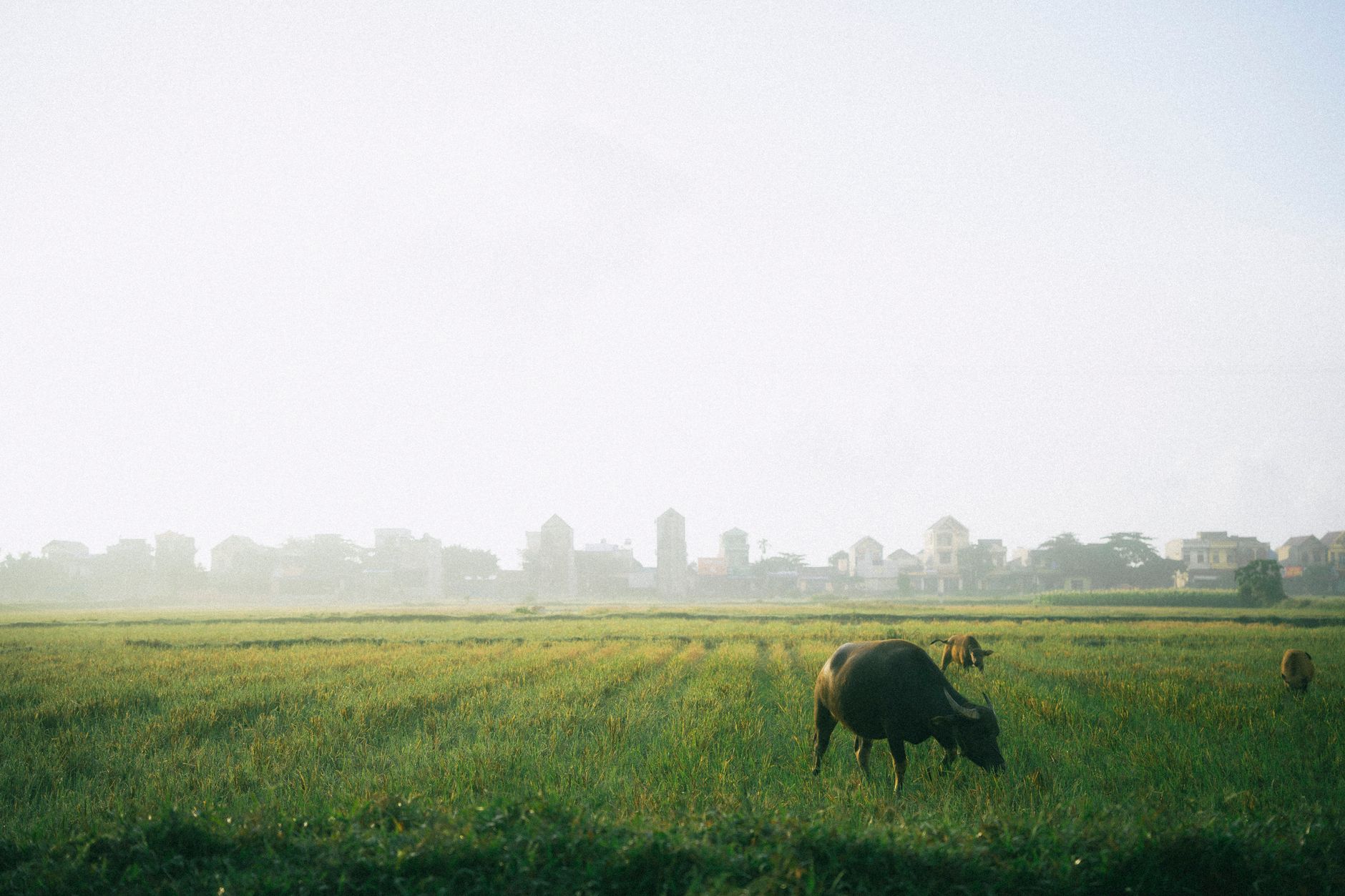
Don't confuse this pagoda with the Chua Bon Mat in Soc Trang city — administrative boundaries shifted, and GPS listings can be unreliable. Double-check the pin on Google Maps before you ride out. Don't plan this as a quick 30-minute stop either. Between travel time and actually exploring the grounds, you need a half-day minimum. And don't skip the surrounding countryside — the ride itself, through coconut palms and rice fields, is half the reason to make the trip.
Practical notes
Chua Bon Mat pairs well with a broader Mekong Delta loop. Combine it with a morning at Cai Rang floating market and an afternoon at the pagoda for a full day from Can Tho. If you're heading further south, the Khmer pagodas around Soc Trang and Tra Vinh form a loose circuit that most travelers never touch.
Last updated · May 29, 2026 · independently researched, never sponsored.