What it is
Cot Co Nam Dinh — the Nam Dinh Flag Tower — is a hexagonal brick tower built in 1843 under Emperor Thieu Tri's reign, originally part of the old Nam Dinh Citadel's defensive complex. It stands about 23.4 meters tall, constructed in three tiers of diminishing width, with an interior spiral staircase leading to a lookout platform at the top. The citadel itself was largely destroyed during French colonial attacks in the 1880s, but the flag tower survived — one of only a handful of such structures still standing in northern Vietnam (베트남 / 越南 / ベトナム), alongside the more famous one in Hanoi.
Since the 2025 provincial merger, the tower now falls within the expanded Ninh Binh (닌빈 / 宁平 / ニンビン) province, though it's physically located in Nam Dinh city center, about 90 km northeast of Tam Coc and the limestone karst areas most travelers associate with Ninh Binh.
Why travelers go
This isn't a major tourist circuit stop — and that's part of the appeal. You'll likely be the only foreigner there. The tower sits in a small public park on Tran Hung Dao Street, surrounded by tamarind trees and locals doing morning exercises. It's a genuinely peaceful spot in a busy provincial city.
For anyone interested in Vietnamese military architecture or the Nguyen Dynasty period, it's a rare intact example. The brickwork is original, the proportions are elegant, and climbing the interior staircase gives you a view over Nam Dinh's low-rise rooftops that hasn't changed much in decades.
It pairs well with a half-day exploring Nam Dinh city — the old cathedral, Tran Temple complex, and the local food scene — before heading south to Ninh Binh's better-known karst landscapes.
Best time to visit
October through March gives you cooler, drier weather. Nam Dinh city sits in the Red River Delta, so summers (June–August) are brutally hot and humid — 35°C-plus with afternoon downpours. The tower is outdoors with minimal shade on the approach, so mornings before 9 AM or late afternoons after 4 PM are most comfortable year-round.
If you time it around the Tran Temple Festival (mid-January lunar calendar, usually February or March), you get the flag tower plus one of the north's liveliest temple festivals in the same trip.
How to get there
From Hanoi, Nam Dinh city is roughly 90 km south — about 1.5 hours by car or bus on the Cau Gie–Ninh Binh expressway, exiting at Nam Dinh.
Bus: Regular departures from Hanoi's Giap Bat bus station. Tickets run 80,000–120,000 VND. Journey time: 1.5–2 hours depending on traffic. Buses drop you at Nam Dinh bus station, from which the flag tower is a 3 km xe om or taxi ride (around 25,000–40,000 VND).
From Ninh Binh city: If you're already based in the Tam Coc / Ninh Binh area, it's about 90 km northeast — roughly 1.5 hours by motorbike or car. No direct public bus runs this route efficiently; a Grab car costs approximately 350,000–450,000 VND one-way.
By train: Nam Dinh has a railway station on the north-south line. Trains from Hanoi take about 2 hours and cost 50,000–85,000 VND for a hard seat. The station is 2 km from the flag tower.

Photo by Thuan Pham on Pexels
What to do
Climb the tower
The interior staircase is narrow — single-file in places — and dimly lit. Wear shoes with grip. At the top, the platform is open-air with views in every direction. Entry is free, though occasionally the gate is locked; mornings are most reliable for access.
Walk the former citadel grounds
The park surrounding the tower occupies part of the old citadel footprint. Trace the remaining earthwork contours and a few sections of original wall foundation. Information boards (Vietnamese only) explain the layout.
Visit Tran Temple complex
About 5 km north of the city center, this is the ancestral temple of the Tran Dynasty (13th–14th century) — the rulers who repelled the Mongol invasions. Impressive carved wooden architecture, usually quiet on non-festival days.
Photograph the French-era cathedral
Nam Dinh Cathedral (Khu Phat Diem style, late 1800s) is a 10-minute walk from the flag tower. The blend of European Gothic and Vietnamese temple design is worth a look even if churches aren't your thing.
Morning market circuit
Cho Rong (the city's central market) operates from early morning. It's a working market, not a tourist one — good for photography if you're respectful, and for picking up local snacks.
Where to eat nearby
Nam Dinh is famous for two things you should eat:
"Pho" Nam Dinh — the local style uses a lighter, clearer broth than Hanoi's version, with thinner noodles and generous fresh herbs. Try any shop on Truong Chinh Street within walking distance of the tower. A bowl runs 35,000–50,000 VND.
"Banh cuon" — steamed rice rolls filled with minced pork and wood ear mushroom, served with fried shallots and dipping sauce. Nam Dinh's version uses particularly thin, delicate wrappers. Street stalls near Cho Rong market serve it for 25,000–40,000 VND per plate.
Where to stay
Nam Dinh city has limited tourist infrastructure — no hostels, no boutique hotels. Options:
- Budget: Local nha nghi (guesthouses) around the bus station, 200,000–350,000 VND/night. Basic but clean enough for a night.
- Mid-range: Vi Hoang Hotel or Nam Dinh Hotel on the main boulevard, 500,000–800,000 VND/night. Air-con, hot water, Wi-Fi.
- Alternative: Stay in Ninh Binh city (more tourist-friendly accommodation) and day-trip to Nam Dinh.

Photo by lhthoai on Pexels
Practical tips locals would tell you
- The tower gate is sometimes padlocked with no posted hours. Go between 7–11 AM for the best chance of access. If locked, ask at the small cultural office building adjacent to the park.
- Bring water — there's no vendor inside the park grounds.
- The area around the tower is safe for solo travelers, including women traveling alone.
- If you're combining this with Ninh Binh karst country, do Nam Dinh first (morning), then drive south to Tam Coc in the afternoon.
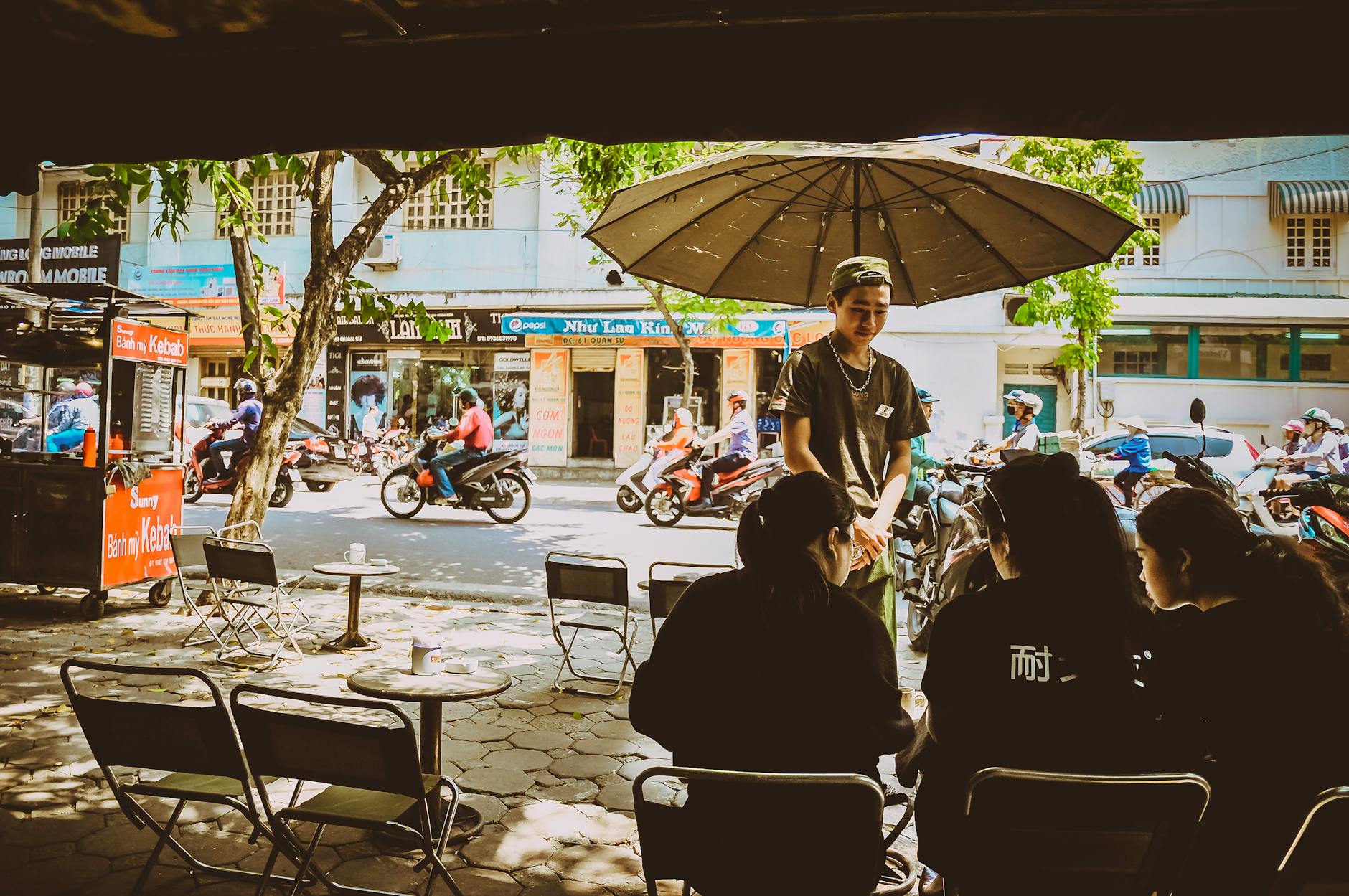
- Vietnamese coffee in Nam Dinh is strong and cheap — 15,000–20,000 VND at sidewalk cafes. Fuel up before the tower visit.
Common mistakes to avoid
- Expecting a major attraction: This is a quiet historical monument, not an amusement park. Manage expectations — it's rewarding for people who appreciate architecture and history, less so if you need Instagram spectacle.
- Coming in the afternoon heat: The tower's interior is unventilated. Climbing in midday summer heat is miserable.
- Not combining it with other stops: Nam Dinh city alone doesn't justify a full day for most travelers. Pair it with Tran Temple, the cathedral, and local pho for a satisfying half-day before moving on.
- Skipping the train option: The Hanoi–Nam Dinh train is cheap, reliable, and more comfortable than the bus. Worth considering if you're not in a rush.
Practical notes
Cot Co Nam Dinh works best as a half-day detour — either en route between Hanoi and Ninh Binh, or as a side trip from a Tam Coc base. It's not a destination you build a trip around, but for history-inclined travelers already in the region, the combination of intact Nguyen-era architecture, excellent pho, and zero tourist crowds makes it worth the 90-minute drive.
Last updated · May 29, 2026 · independently researched, never sponsored.