What It Is and Why It Matters
At the far southern end of mainland Vietnam (베트남 / 越南 / ベトナム), planted in the flat, mangrove-laced landscape of Ca Mau province, sits a concrete marker that most travelers have never heard of: "Cot Moc Toa Do Quoc Gia GPS 0001." It's the country's primary geodetic coordinate point — the origin reference for Vietnam's national GPS grid. Think of it as Vietnam's cartographic anchor, the spot from which all other survey coordinates are measured.
The marker was established as part of Vietnam's national coordinate system modernization. It's not ancient or architecturally impressive — it's a modest monument surrounded by flat delta land. But for geography nerds, completionists, and travelers who like collecting unusual waypoints, GPS 0001 is one of those quietly satisfying destinations. You won't find crowds here. You will find the kind of deep-south Mekong Delta (메콩 델타 / 湄公河三角洲 / メコンデルタ) quiet that's hard to come by closer to Saigon.
Why Travelers Go
Let's be honest: this isn't a place you visit for spectacle. People come here because they're already exploring Ca Mau — Vietnam's southernmost province — and GPS 0001 adds a concrete reason to get out into the countryside beyond the cape. It pairs well with a trip to Dat Mui (Ca Mau Cape) and the surrounding mangrove forests.
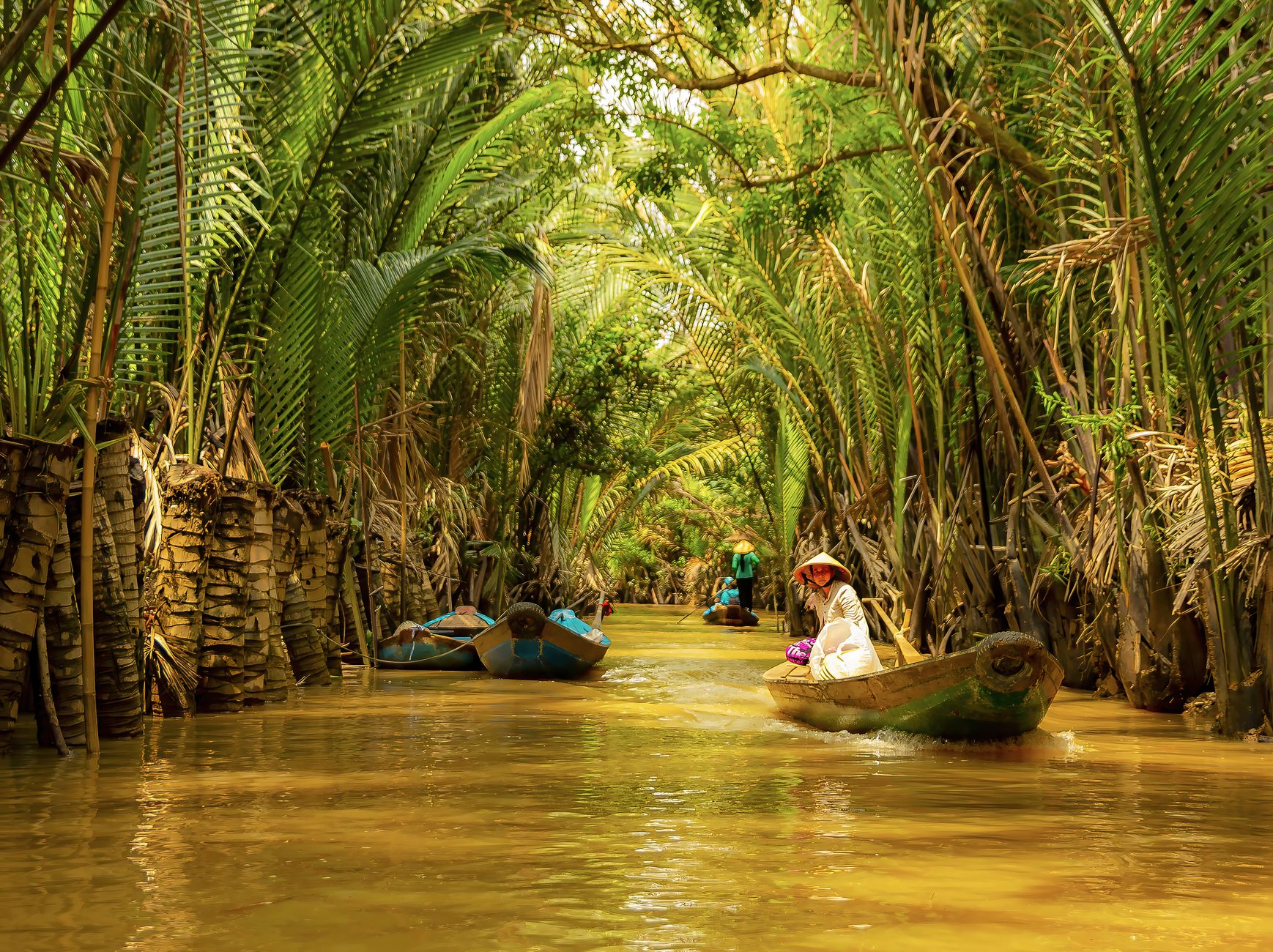
The appeal is geographic novelty. Standing at the reference point for an entire country's coordinate system has a certain quiet weight to it. Photographers like the open delta skies. And the drive out gives you a window into everyday life in one of Vietnam's least-touristed provinces — shrimp ponds, skinny bridges, water coconut palms, and almost zero other foreign visitors.
Best Time to Visit
The dry season from December through April is your best window. Ca Mau's wet season (May to November) brings heavy afternoon rains and occasional flooding on smaller roads. The landscape is greener in the wet months, but access roads can get muddy, and mosquitoes are relentless.
January through March is ideal — cooler mornings (by Mekong Delta standards, so still around 25-28°C), less humidity, and clearer skies for photos. If you're combining with Ca Mau Cape, aim for a weekday to avoid the modest domestic tourist traffic that shows up on weekends.
How to Get There
Ca Mau city is your staging point.
From Saigon to Ca Mau:
- Bus: Phuong Trang (FUTA) runs daily sleeper buses from Saigon's Mien Tay bus station. The ride takes about 8-9 hours and costs around 200,000-250,000 VND. Overnight departures are common.
- Flight: There are direct flights from Tan Son Nhat (Saigon) to Ca Mau Airport with Vietnam Airlines. Flight time is about 1 hour; tickets range from 800,000 to 1,500,000 VND depending on how far ahead you book.
- Driving: About 350 km via National Highway 1A and then Highway 63. Expect 7-8 hours with breaks.
From Ca Mau city to GPS 0001: The marker is located in the rural outskirts of Ca Mau. You'll need your own wheels — rent a motorbike in Ca Mau city (150,000-200,000 VND/day from most guesthouses) or hire a "xe om" (motorbike taxi) for a half-day trip. The ride takes roughly 20-30 minutes depending on the exact route and road conditions. Ask locals for "cot moc GPS" — they'll know what you mean.

Photo by maxed. RAW on Pexels
What to Do
1. Visit the Marker Itself
The GPS 0001 monument is a simple but well-maintained structure. There's usually a small information board explaining its geodetic significance. Take your photo, read the plaque, appreciate the flatness of everything around you. It takes about 15-20 minutes.
2. Combine with Ca Mau Cape (Dat Mui)
Most travelers pair GPS 0001 with a trip to Dat Mui — the actual southernmost tip of Vietnam, about 110 km from Ca Mau city. You can reach Dat Mui by speedboat from the Nam Can area (around 350,000 VND round trip) or by road and then a shorter boat transfer. The cape has a landmark monument of its own and sits inside the Mui Ca Mau National Park, where the mangrove ecosystem is dense and intact.
3. Explore the Mangrove Forests
Ca Mau's mangrove forests are among the largest remaining in Southeast Asia. Boat tours through the U Minh Ha or Mui Ca Mau mangrove areas run from around 200,000-400,000 VND per person. You'll see mudskippers, monitor lizards, and the kind of tangled root systems that make you understand why the delta looks the way it does from the air.
4. Watch Shrimp Farming Up Close
The area around GPS 0001 is deep in shrimp country. If you're on a motorbike, stop at any of the ponds along the road. Farmers are generally friendly and sometimes willing to show you how the ponds work. Ca Mau produces a significant chunk of Vietnam's shrimp exports — seeing it firsthand is more interesting than it sounds.
5. Catch Sunset Over the Delta Flats
The terrain here is pancake-flat, which means sunsets spread wide and low. Find any elevated spot — a bridge, a levee — and watch the sky turn orange over the water coconut palms. No entrance fee required.
Where to Eat Nearby
Ca Mau city is where you'll find proper meals. Two things to seek out:
- "Banh canh" with crab: Ca Mau's version uses local mud crab and thick tapioca noodles. Stalls around the central market serve it for 30,000-50,000 VND per bowl. Rich, briny, and completely different from the central Vietnamese version.
- Grilled shrimp: You're in the shrimp capital. Street-side places grill fresh river shrimp over charcoal for 80,000-150,000 VND per plate depending on size. Pair it with cold beer and you've got a proper delta dinner.
Where to Stay
Ca Mau city has a decent range:
- Budget: Local guesthouses ("nha nghi") run 150,000-300,000 VND/night. Basic but clean. Ask for air conditioning — not all rooms have it.
- Mid-range: Hotels like Anh Nguyet or Quoc Te offer rooms from 400,000-700,000 VND with breakfast, Wi-Fi, and hot water.
- Upper mid-range: Muong Thanh Ca Mau is the most comfortable option in town, around 800,000-1,200,000 VND/night.
There's no accommodation near the GPS 0001 marker itself — plan to base yourself in Ca Mau city.

Photo by tran duy anh on Pexels
Practical Tips Locals Would Tell You
- Bring cash. Card payments barely exist outside Ca Mau city. ATMs are available in town but not in rural areas.
- Sunscreen and a hat are non-negotiable. There's zero shade at the marker and minimal shade on delta roads.
- Fuel up your motorbike before leaving town. Petrol stations thin out quickly once you leave the city center.
- Carry water. Convenience stores disappear fast outside Ca Mau city.
- Learn the phrase "cot moc GPS" — it's how locals refer to the marker. Google Maps coordinates are reliable but signage is minimal.
Common Mistakes to Avoid
- Trying to do GPS 0001 and Ca Mau Cape in a single rushed day. They're in different directions from the city. Give each a half-day or split across two days.
- Skipping Ca Mau city entirely. Some travelers treat it as just a transit point. The central market and waterfront are worth a morning walk.
- Underestimating the heat. The southern delta is consistently hot year-round. Start early — by 7 AM if possible — and take a midday break.
- Expecting English signage or English-speaking locals. This is deep Vietnam. A translation app on your phone goes a long way.
Practical Notes
GPS 0001 is a niche destination, and that's exactly the point. It works best as part of a broader Ca Mau trip — combine it with the cape, the mangroves, and the seafood, and you've got two to three days of genuine delta immersion. Can Tho is a natural next stop heading back north, about 180 km away, if you're working your way through the Mekong Delta.
Last updated · May 29, 2026 · independently researched, never sponsored.