The Dien Bien Phu Victory Museum sits in the same valley where French colonial forces surrendered in May 1954, ending a conflict that reshaped Southeast Asia. If you're making the long trip to Dien Bien, this museum is the anchor of the visit — the thing that ties together the scattered hillside bunkers, the reconstructed command post, and the enormous cemetery across town.
What it is
The museum — officially Bao Tang Chien Thang Dien Bien Phu — opened its current building in 2014, replacing a much smaller facility that had been running since the 1980s. It's a modern, purpose-built structure shaped to echo the surrounding hills, located on Vo Nguyen Giap Street in the center of Dien Bien Phu city.
Inside, exhibits run chronologically through the 56-day siege of 1954. You'll find original artillery pieces, field radios, medical kits, personal effects from soldiers on both sides, and a large collection of photographs. The centerpiece is a massive 360-degree panoramic painting — roughly 132 meters in circumference — depicting the final assault on the French positions. It's painted in a socialist-realist style and took Vietnamese artists several years to complete. Love the genre or not, the sheer scale of the thing is worth the entrance fee alone.
Admission is 40,000 VND for adults. A guided tour in Vietnamese is included; English-speaking guides are sometimes available but not guaranteed. Budget about 90 minutes for a thorough visit.
Why travelers go
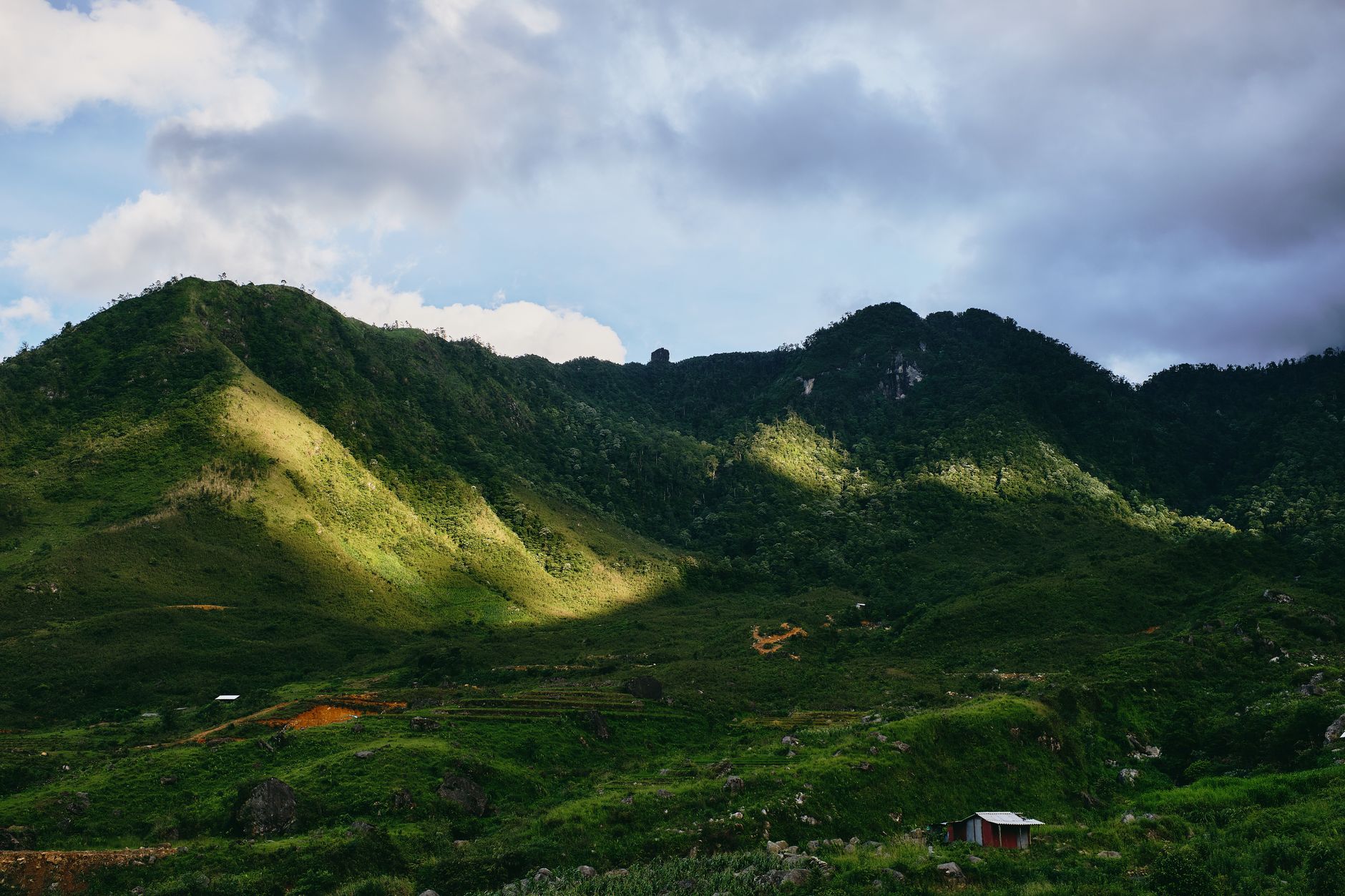
Most visitors come for a combination of history and remoteness. Dien Bien sits in the far northwest, close to the Lao border, surrounded by rice paddies and Thai ethnic minority villages. It's not on the standard tourist loop, which means you'll share the museum with Vietnamese school groups and the occasional history buff rather than tour buses. The valley itself is the exhibit — the museum just gives you context to understand what you're looking at when you drive past Hill A1 or De Castries' bunker afterward.
Best time to visit
The most comfortable months are October through March, when temperatures hover between 15-25°C and rainfall is low. The valley can get genuinely hot from April through June, with temperatures pushing past 35°C. If you visit in early May, you'll catch anniversary commemorations around May 7th — the town fills up with veterans, officials, and domestic tourists, so book accommodation well ahead.
Avoid late July through September if you can. Heavy rains turn some of the outlying battlefield sites muddy and harder to access.

Photo by Quang Nguyen Vinh on Pexels
How to get there
Dien Bien Phu is roughly 480 km from Hanoi by road. Your options:
- Flight: Vietnam (베트남 / 越南 / ベトナム) Airlines operates daily turboprop flights from Noi Bai Airport in Hanoi to Dien Bien Phu Airport. Flight time is about 70 minutes. Tickets run 900,000–1,800,000 VND one way depending on how far ahead you book. The airport is 3 km from the museum — a xe om (motorbike taxi) costs around 30,000 VND.
- Bus: Several sleeper buses depart from Hanoi (하노이 / 河内 / ハノイ)'s My Dinh bus station each evening. The ride takes 10-12 hours via the QL6 highway through Son La. Expect to pay 280,000–350,000 VND. It's a winding mountain road, so motion-sickness pills are worth packing.
- Motorbike: A popular option for riders doing the northwest loop from Hanoi through Mai Chau, Moc Chau, Son La, and onward to Dien Bien. Most riders split this into two or three days. The roads are paved but steep and curvy — not for beginners.
What to do
Walk the 360-degree panorama room
Don't rush this. The circular viewing platform places you at the center of a painting that wraps completely around you, combined with a sculpted terrain model in the foreground. Stand there for five minutes and let details emerge — supply lines, individual soldiers, specific French fortifications. It's propaganda art, sure, but it's also technically impressive and genuinely immersive.
Study the logistics exhibits
The most fascinating section of the museum, for my money, covers the supply chain. Thousands of porters used modified bicycles to haul rice and ammunition hundreds of kilometers through mountain jungle. The original bikes are on display — reinforced frames loaded with 200-300 kg of cargo, steered by a long bamboo pole attached to the handlebars. It makes the scale of the operation visceral.
Visit Hill A1 after the museum
Hill A1 (known to the French as Eliane 2) is a 10-minute walk east of the museum. Trenches, bunkers, and a massive bomb crater from a tunnel mine remain largely intact. Seeing it after the museum means you'll understand what happened here rather than just looking at old concrete.
Check De Castries' command bunker
The reconstructed bunker of the French commander, Christian de Castries, is a few hundred meters from the museum. It's small — you can see it in 15 minutes — but standing inside it after viewing the panorama painting gives you a sense of how compressed the battlefield was.
Walk the Dien Bien Phu Cemetery
Across the road from the museum, this military cemetery holds the graves of Vietnamese soldiers killed during the battle. It's a quiet, well-maintained space. Local families often leave incense. Respectful behavior and appropriate dress apply.
Where to eat nearby
Dien Bien isn't a food destination on the level of Hanoi or Hue, but the local Thai ethnic cuisine is worth seeking out. Look for "com lam" — sticky rice cooked inside bamboo tubes over charcoal — served alongside grilled stream fish and dipping sauces made with "mac khen" (a local wild pepper). Nha Hang Muong Thanh, about 1 km from the museum on the main road, does a solid version of this spread for around 80,000–120,000 VND per person. In the morning, "pho" shops near the central market serve bowls for 30,000–40,000 VND — nothing revolutionary, but reliable and hot.

Photo by Q. Hưng Phạm on Pexels
Where to stay
Dien Bien Phu city has a limited but functional hotel scene:
- Budget: Guesthouses near the market run 200,000–350,000 VND per night for a clean room with air conditioning and hot water.
- Mid-range: Muong Thanh Hotel Dien Bien Phu (part of the domestic chain) is the most comfortable option in town, with rooms from 500,000–900,000 VND. It's a 5-minute drive from the museum.
- Homestays: A few Thai stilt-house homestays operate in villages outside town, typically 150,000–250,000 VND including dinner. Ask at your hotel or search locally — online booking coverage is thin here.
Practical tips
- Bring cash. ATMs exist in Dien Bien Phu city, but card payments are rare at smaller restaurants and guesthouses.
- The museum closes for lunch, typically 11:30–13:30. Arrive in the morning or mid-afternoon.
- Hire a local guide for the full battlefield circuit if you can. The sites are spread across the valley and signage in English is minimal. Hotels can arrange this for roughly 500,000–800,000 VND for a half-day.
- Sunscreen and water are essential if you're walking the outdoor sites — shade is limited on the hillsides.
Common mistakes to avoid
Don't try to squeeze Dien Bien into a day trip from Hanoi. The flight schedule technically allows it, but you'd spend more time in airports than at the museum. One full day in the valley is the minimum to see the museum and the major battlefield sites without rushing.
Don't skip the outdoor sites and only do the museum. The museum provides context, but standing in the actual trenches on Hill A1 is what makes the trip feel worth the journey. They work together.
Don't expect English signage or English-speaking staff everywhere. A translation app on your phone goes a long way.
Last updated · May 26, 2026 · independently researched, never sponsored.