Navigating Dien Bien Phu is straightforward if you stay within the flat basin of the valley, but the moment you head into the surrounding highlands of Dien Bien province, the logistics change completely. Unlike Hanoi or Saigon, you cannot rely on ride-hailing apps or English-speaking drivers here; getting around requires a mix of local taxis, rented motorbikes, and realistic expectations about travel times.
Whether you are flying into the local airport or arriving by bus from Sapa, this guide covers the practicalities of moving around this historic northwestern outpost.
The Lay of the Land: Valley vs. Province
To plan your transport, you must distinguish between Dien Bien Phu city and the broader Dien Bien province.
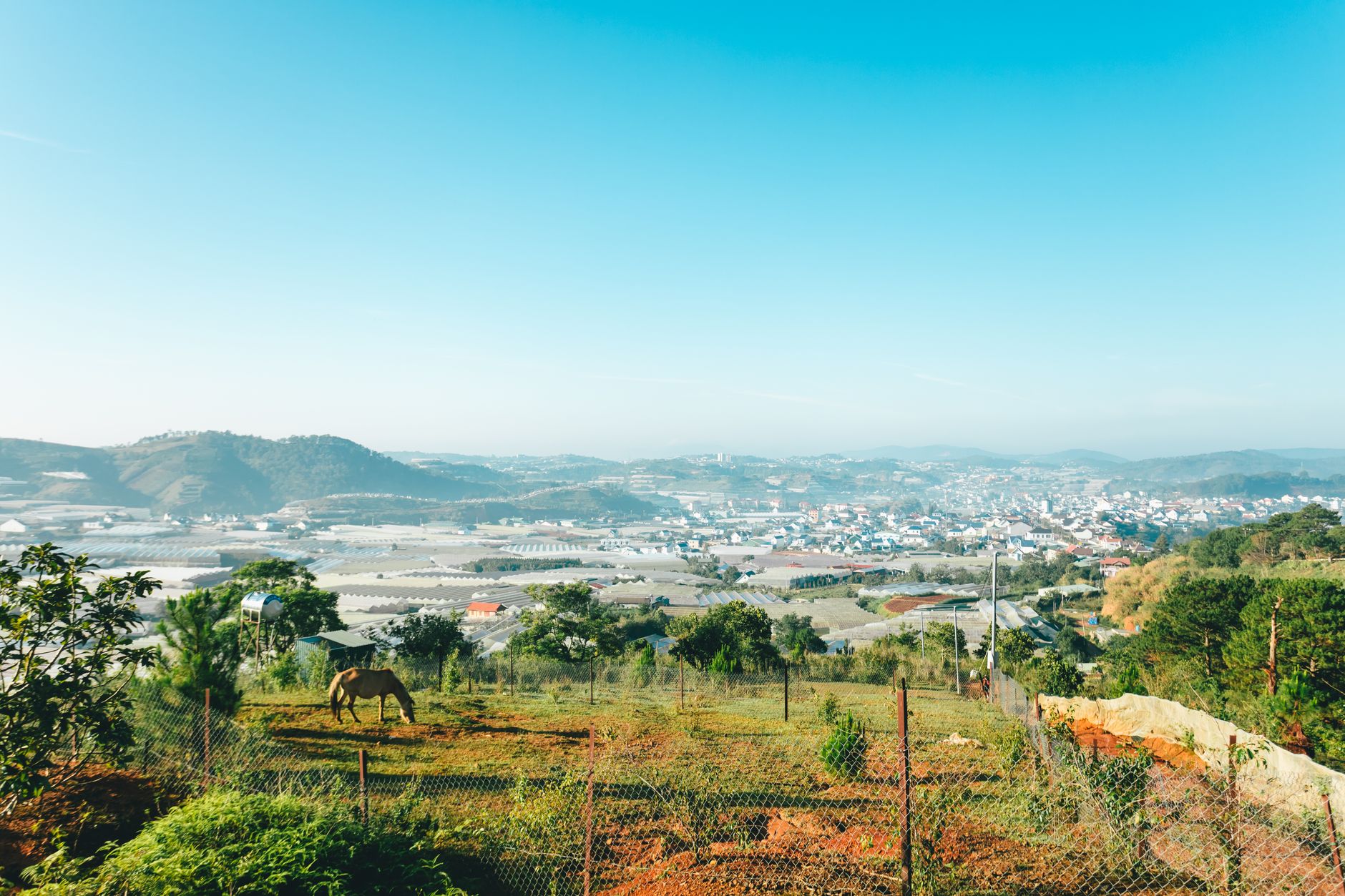
The city itself sits in the Muong Thanh valley, a flat basin surrounded by high hills. Most of the major historical landmarks—including the war memorials, museums, and old bunkers—are clustered within a 5-kilometer radius. You can easily navigate the city center on foot, on a bicycle, or with short taxi rides.
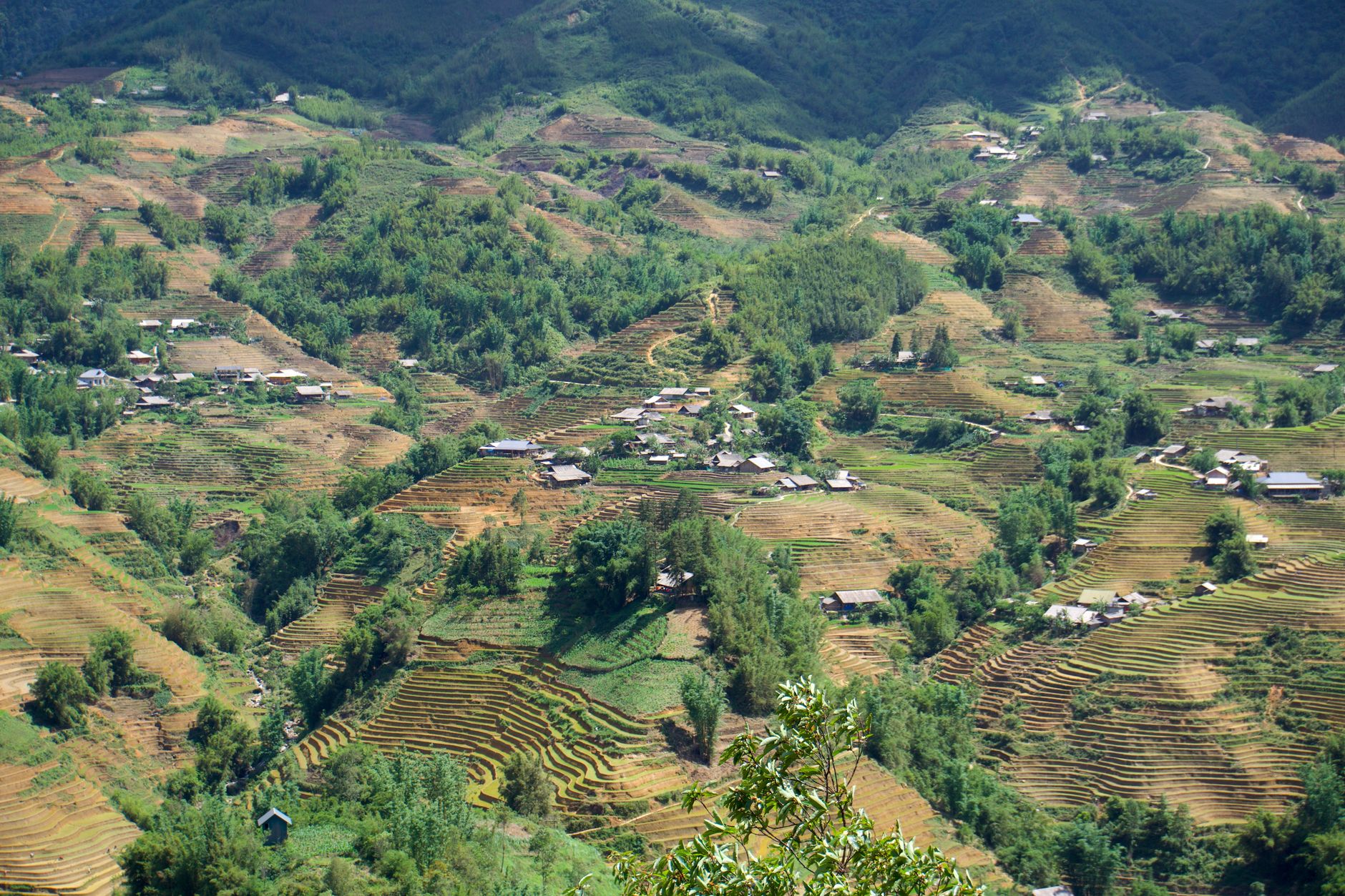
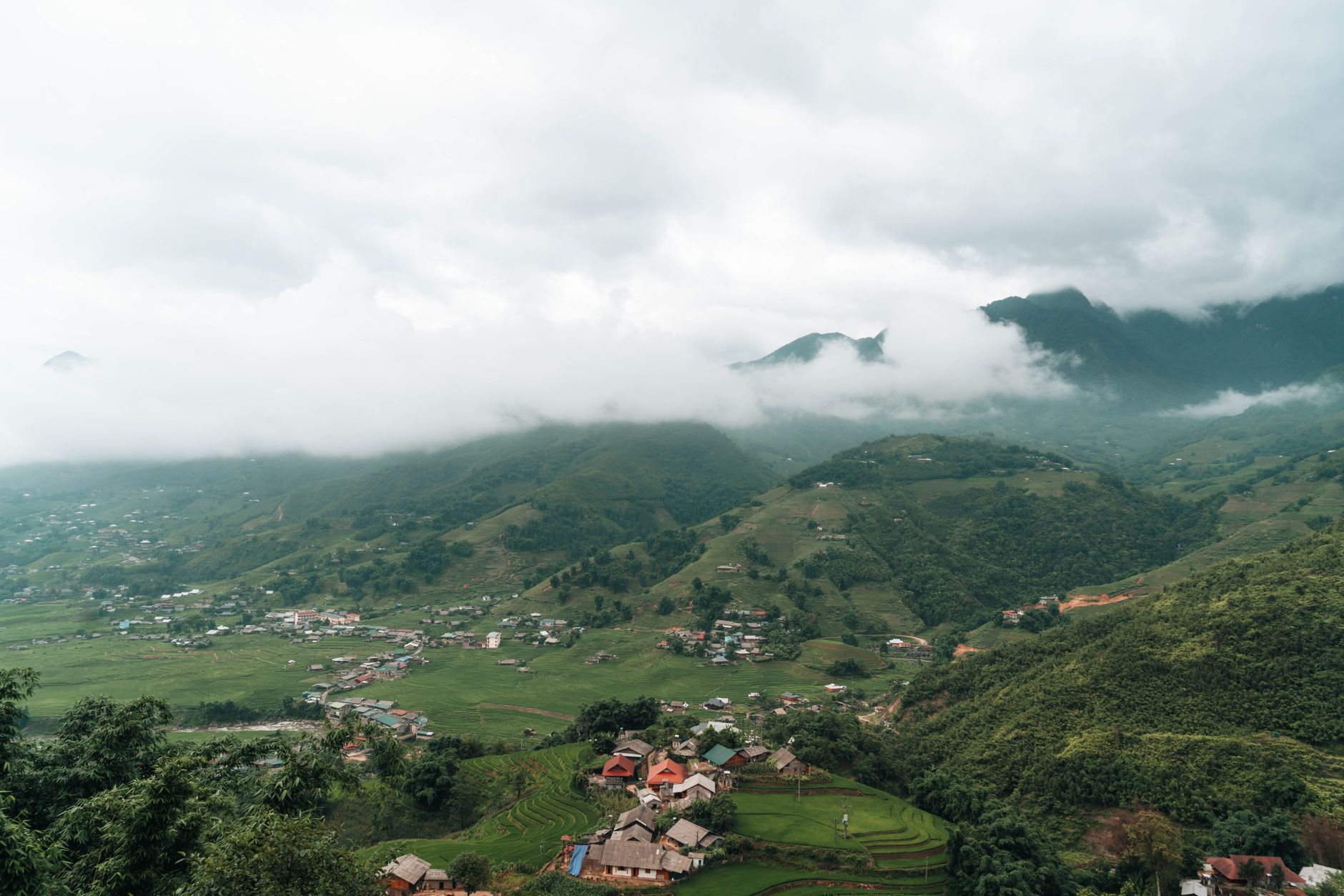
Once you step outside the valley, the terrain turns rugged. Destinations like the Muong Phang victory headquarters (30 km away), Pa Khoang Lake (20 km away), or the remote highland district of Tua Chua (130 km away) require dedicated motorized transport. Do not let the distances fool you; a 100-kilometer drive in this province can easily take three to four hours due to winding mountain roads and occasional landslides during the rainy season.
Is Grab Available in Dien Bien?
No. As of today, ride-hailing giants like Grab, Be, or Gojek do not operate in Dien Bien province. You will not be able to open an app to summon a car or a motorbike ride.
Instead, you have two main options for point-to-point travel within the city:
- Traditional Taxis: Green Mai Linh taxis and local Him Lam taxis are common. You can flag them down near major hotels, the market, or the airport. They run on meters, with rates starting at around 12,000 to 15,000 VND per kilometer. Most drivers do not speak English, so have your destination written down or pinned on a map.
- Local "Xe Om": Traditional motorcycle taxis cluster around the Dien Bien Phu bus station and the central market. Always agree on the price before you mount the bike. A short trip within the city center should cost between 20,000 and 40,000 VND.
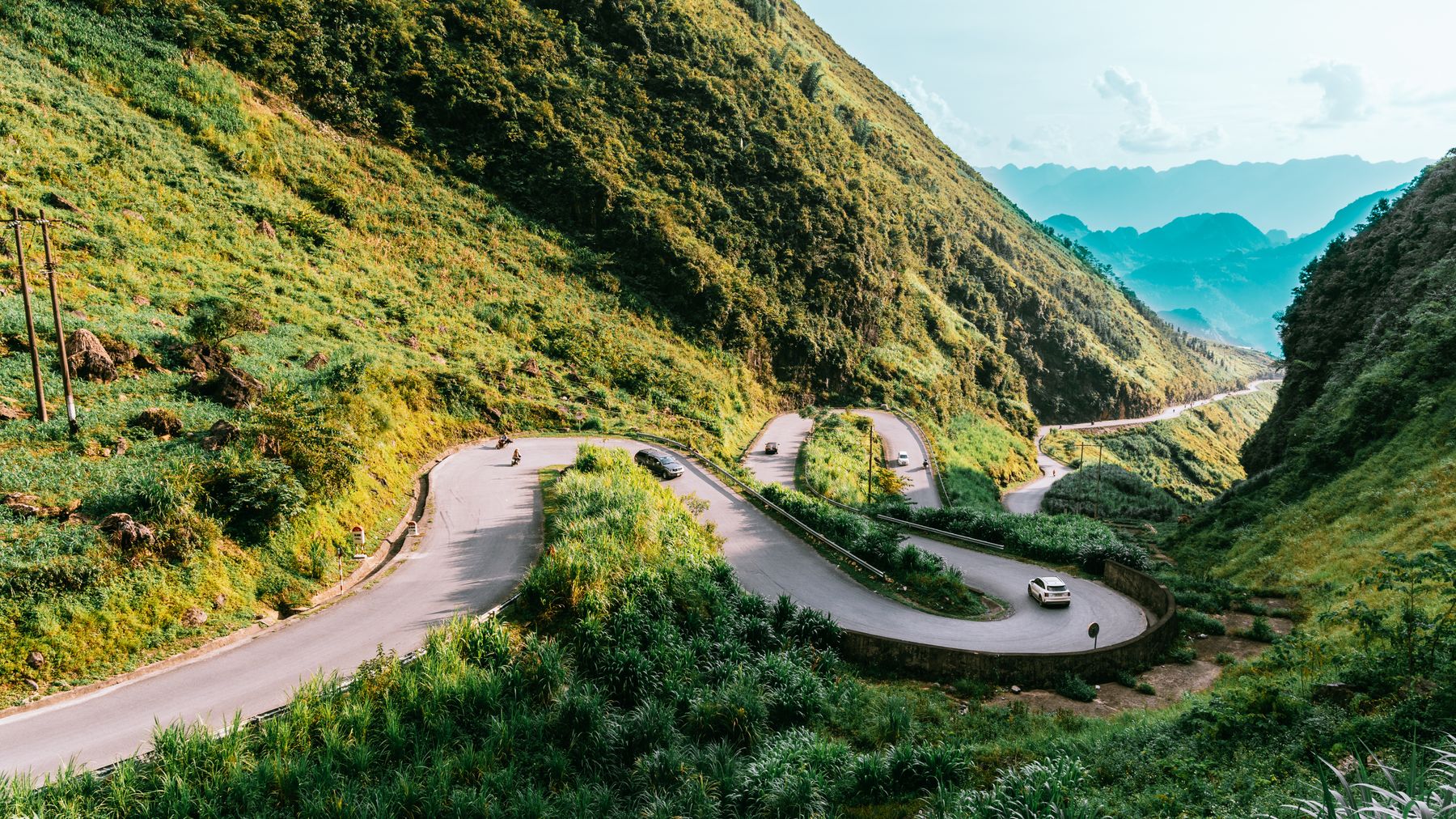
Photo by Nguyễn Sơn Tùng on Pexels
Renting a Motorbike in Dien Bien
For maximum flexibility, renting a motorbike is the best way to explore the valley and the nearby hills.
Where to Rent
Motorbike rental shops are not as ubiquitous here as they are in Ha Giang or Sapa (사파 / 沙坝 / サパ), but most hotels and homestays in the Muong Thanh and Him Lam wards can arrange a rental for you. Expect to pay between 120,000 and 150,000 VND per day for a semi-automatic bike (like a Honda Wave) and 180,000 to 200,000 VND for an automatic.
Choosing Your Bike
If you plan to stay within the flat city limits, an automatic scooter is fine. However, if you intend to ride to Muong Phang or tackle the mountain passes toward Lai Chau, request a semi-automatic bike. They offer better engine braking on steep descents and have more power for climbing.
Fuel and Navigation
Petrol stations (mostly Petrolimex) are easy to find in the city center, but they become sparse once you head into the mountains. Always top up your tank before leaving the valley. Keep in mind that mobile signals can drop in deep valleys, so download offline maps of the region before you set out.
Hiring Private Cars and Drivers
If you are traveling in a group or prefer to avoid the dusty mountain roads on a bike, hiring a private car with a driver is highly efficient. This is particularly useful for visiting Muong Phang or traveling between Dien Bien Phu and neighboring provinces.
Your hotel is the most reliable broker for this. A private car for a day trip to Muong Phang and Pa Khoang Lake typically costs between 1,200,000 and 1,500,000 VND, including fuel and the driver's fee. If you plan to travel one-way to Sapa or Muong Lay, negotiate a flat rate beforehand.

Photo by Quang Nguyen Vinh on Pexels
Navigating the Mountain Passes
If you are driving yourself out of the valley, you will likely encounter the Pha Din Pass, one of the famous mountain passes of northwestern Vietnam (베트남 / 越南 / ベトナム). Connecting Son La and Dien Bien provinces, this pass reaches elevations of over 1,000 meters.
While the road has been significantly widened and paved in recent years, it remains a challenging drive. Watch out for large sleeper buses and container trucks that often cut corners on blind bends. During the winter months (November to February), heavy fog can reduce visibility to less than five meters. If you get caught in the fog, turn on your hazard lights, stay close to the mountain side of the road, and pull over at a local roadside stall for a hot cup of "vietnamese coffee" or "ca phe sua da" until the air clears.
Practical notes
Always carry cash in Vietnamese Dong (VND), as taxi drivers, motorbike rental shops, and rural petrol stations do not accept credit cards. Keep a physical copy of your passport and international driving permit handy if you plan to rent a motorbike, as local police occasionally set up checkpoints along the main highways leading out of the city.
Last updated · May 30, 2026 · independently researched, never sponsored.