Do Son sits at the tip of a hilly peninsula about 20 km southeast of central Hai Phong, where the Red River Delta meets the Gulf of Tonkin. It's not the kind of beach that ends up on magazine covers, but it's been a coastal retreat since the French colonial period, and it still draws crowds from Hanoi and Hai Phong every summer weekend. If you're passing through northern Vietnam (베트남 / 越南 / ベトナム) and want a day or two by the sea without flying south, Do Son is the most accessible option you've got.
What Do Son actually is
Do Son is a district of Hai Phong, built across a narrow peninsula with nine low hills — locals call them the "Cuu Long Son" range, though "range" is generous. The French turned this into a seaside resort in the early 1900s, building villas along the hillsides and a casino that still operates today. You can see traces of that era in the faded colonial architecture scattered between newer hotels and karaoke bars.
The town divides into three main beach zones, numbered simply: Zone 1, Zone 2, and Zone 3. Zone 1 is the most central and developed. Zone 2 is quieter, with a longer stretch of sand. Zone 3 sits furthest out toward the tip of the peninsula and has the least infrastructure.
Why travelers go
Most foreign visitors skip Do Son entirely, which is part of the appeal if you prefer places that haven't been optimized for tourism. The reasons to come are straightforward: seafood that's genuinely cheap and fresh, a slower pace than Hai Phong city, and the chance to see how northern Vietnamese families actually spend their holidays. The beach water is brown-green from river sediment — this is the Gulf of Tonkin, not Phu Quoc — so adjust expectations accordingly. People come here to eat, drink [bia hoi](/posts/bia-hoi-hanoi (하노이 / 河内 / ハノイ)-street-beer) on plastic chairs facing the water, and escape the city heat.
Do Son also works as a half-day detour if you're already in Hai Phong before catching a ferry to Cat Ba island.
Best time to visit
June through August is peak season. The weather is hot and humid (32-35°C), the water is warmest, and the town fills up on weekends with domestic visitors. If you want energy and full restaurants, come then — but book accommodation ahead for Saturday nights.
April to May and September to October are shoulder months with decent weather, fewer crowds, and lower prices. Some seafood restaurants scale back hours outside summer, so weekdays can feel quiet.
Avoid November through March unless you enjoy grey skies and 15°C drizzle. Most beachfront places go semi-dormant.

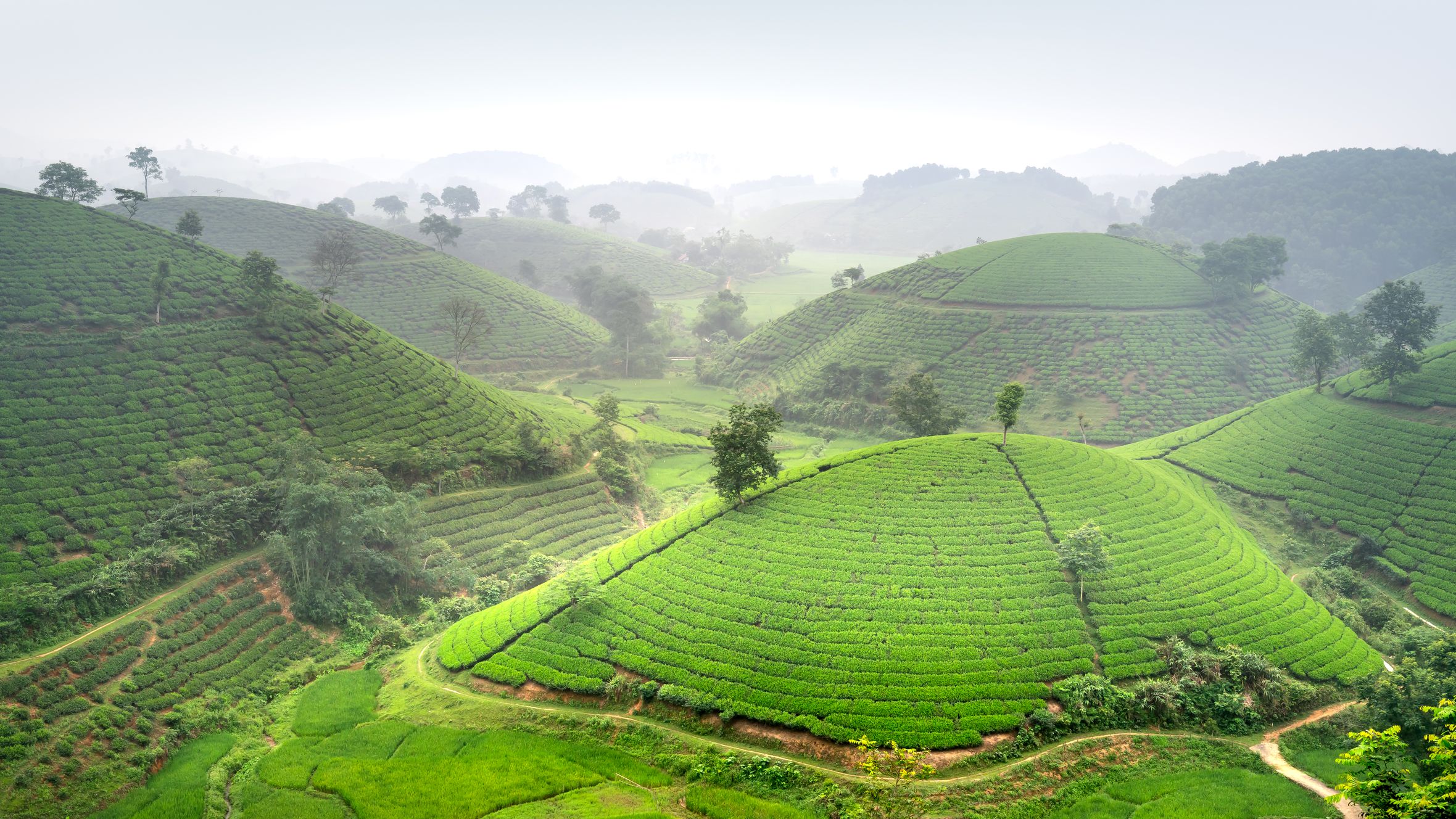
Photo by Đạt Nguyễn on Pexels
How to get there
From Hanoi, the fastest route is to take the highway to Hai Phong (about 2 hours by bus, 90,000-120,000 VND from Giap Bat or My Dinh stations), then continue to Do Son. From central Hai Phong, local buses run to Do Son for around 15,000-20,000 VND and take 40-50 minutes. A Grab car from Hai Phong city center costs roughly 150,000-200,000 VND.
If you're coming from Cat Ba or Ha Long Bay, ferries connect to Hai Phong's Got port, and Do Son is a short ride south from there.
What to do
Walk the hilltop trails around Zone 1
The hills behind Do Son's beachfront have paved paths winding through pine trees and past old French villas in various states of decay and renovation. The views from the top look out over the peninsula, the harbor, and — on clear days — the islands offshore. It's a 30-40 minute loop and the closest thing to a hike in the area.
Visit Hon Dau island
A short boat ride from the tip of Zone 3 takes you to Hon Dau, a small island with a lighthouse, a temple, and not much else — which is exactly the point. Boats run regularly in summer (around 50,000-80,000 VND round trip). The island is compact enough to walk in an hour.
Catch the buffalo fighting festival
Do Son's "le hoi choi trau" (buffalo fighting festival) happens on the 9th day of the 8th lunar month, usually falling in September or October. It's a centuries-old tradition tied to local fishing culture. The atmosphere is loud, crowded, and very local. If your timing lines up, it's worth seeing — just don't expect a sanitized spectator experience.
Wander the seafood market near Zone 2
The morning market along the road approaching Zone 2 sells the day's catch directly off boats. Even if you're not cooking, it's worth walking through to see what's in season. Vendors will steam or grill shellfish on the spot for a small fee.
Rent a motorbike and ride the coastal road
The road from Hai Phong through Do Son and along the peninsula is flat, easy riding with water on both sides for the last stretch. Rentals in Hai Phong run about 120,000-150,000 VND per day. The ride gives you flexibility to stop at smaller seafood shacks between the main zones.
Where to eat
Do Son's thing is seafood, and the best move is picking a beachfront restaurant in Zone 1 or Zone 2 where you choose live shellfish from tanks. Expect to pay 150,000-400,000 VND per person depending on what you order — mantis shrimp, blood cockles, and grilled squid are reliable picks.
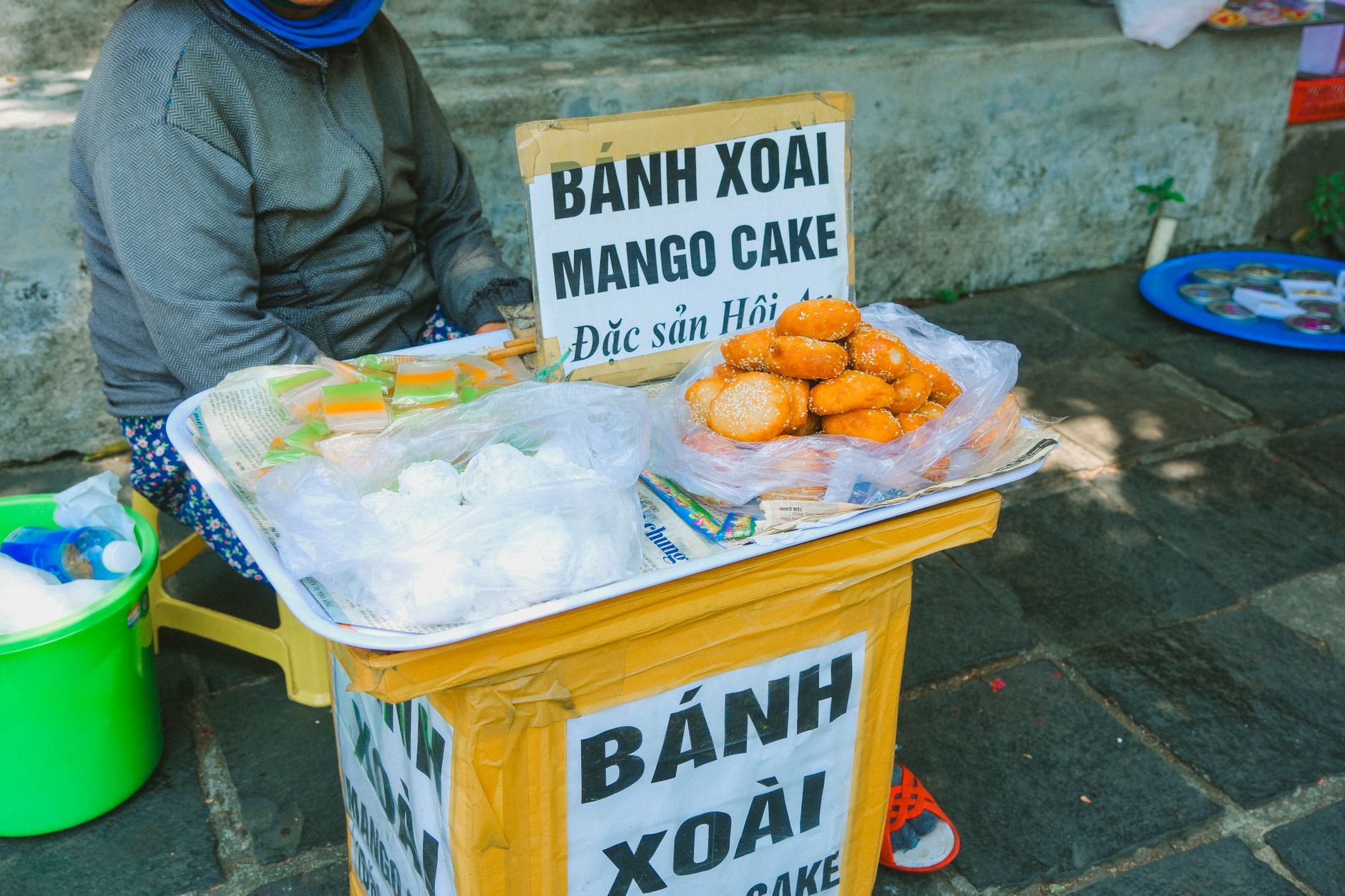
For something specific, look for "banh da cua" — Hai Phong's signature flat red noodle soup with crab. It's the regional equivalent of "pho" in Hanoi, and several small shops near the Do Son market serve solid bowls for 35,000-50,000 VND. Also try "bun ca" (fish noodle soup), another Hai Phong specialty that shows up at breakfast stalls throughout town.

Photo by Quang Nguyen Vinh on Pexels
Where to stay
Do Son has a wide range, mostly geared toward domestic tourists. Budget guesthouses along the road behind Zone 1 start at 250,000-400,000 VND per night. Mid-range hotels with sea views run 600,000-1,200,000 VND. The Do Son Resort and a few larger hotels push into the 1,500,000-2,500,000 VND range for nicer rooms with pools.
Weekend rates in summer can double. If you visit midweek, you'll have leverage to negotiate.
Practical tips
- Cash is king. ATMs exist but aren't abundant. Bring enough VND from Hai Phong, especially if you plan to eat at smaller seafood places or take boats.
- Sunscreen and a hat matter more than swimwear. The beach isn't pristine enough for long swims, but you'll spend time outdoors eating and walking.
- Karaoke volume peaks after 8 PM. If you're a light sleeper, ask for a room away from the street or bring earplugs.
- Jellyfish show up in late summer. Ask locals before swimming in August and September.
Common mistakes
Don't come expecting a postcard beach. Do Son's appeal is the food, the atmosphere, and the fact that it's a real working town — not a resort. Travelers who arrive expecting clear water and white sand leave disappointed. Travelers who arrive hungry and curious tend to enjoy it.
Don't eat only at the big restaurants with English menus on the beachfront. Walk one block inland and the prices drop by half for the same quality.
Don't try to do Do Son and Cat Ba in the same day. They're close on a map but the ferry logistics eat up time. Give each place its own day at minimum.
Last updated · May 26, 2026 · independently researched, never sponsored.