What it is
Kenh Ga Hot Spring sits at the base of a limestone karst hill in Gia Vien district, about 21 km northwest of Ninh Binh (닌빈 / 宁平 / ニンビン) city. The spring pushes naturally heated water — averaging 53°C at the source — up through cracks in the rock, feeding a stream that locals have bathed in for generations. The name "Kenh Ga" (Chicken Canal) comes from the nearby floating village, not the spring itself, but the two have become inseparable in the local tourism vocabulary.
The spring was documented by French geologists during the colonial period, though villagers had been soaking here long before anyone wrote it down. The water is mineral-rich — calcium, magnesium, sulfur — and locals swear by it for joint pain and skin conditions. Whether or not you buy the therapeutic claims, the warm soak surrounded by quiet karst scenery is reason enough to visit.
Why travelers go
Most visitors to Ninh Binh head straight for Tam Coc or Trang An and miss everything else. Kenh Ga offers something different: a half-day trip that combines a boat ride through a floating village with a hot spring soak, all without the tour-bus crowds. The landscape here is classic Ninh Binh — sheer limestone towers rising from flat rice paddies — but you share it with fishermen and duck farmers rather than selfie sticks.
It works well as a morning or afternoon excursion when you need a break from temple-hopping, or as a deliberate slow-travel stop if you have three or more days in the province.
Best time to visit
November through March is ideal. The cooler dry-season weather (15–22°C) makes soaking in hot mineral water actually appealing rather than redundant. January and February can dip below 15°C on overcast mornings — perfect hot spring conditions.
Avoid July and August if possible. The heat is oppressive (35°C+), the spring feels less refreshing, and afternoon downpours can make the access road muddy. Weekdays year-round are quieter; weekend mornings bring domestic tour groups from Hanoi.
How to get there
From Ninh Binh city center, you have a few options:
- Motorbike: The most flexible choice. Head north on QL1A, then turn left onto DT477 toward Gia Vien. Total distance is about 21 km, taking 35–40 minutes. Road quality is fine — paved the entire way, with some narrow sections through villages.
- Grab/taxi: Around 180,000–220,000 VND one way. Ask the driver to wait (negotiate 50,000–80,000 VND per hour waiting fee) since return rides from the spring area are unreliable.
- Local bus: Bus 11 runs from Ninh Binh bus station toward Gia Vien but drops you about 3 km from the spring. From there you walk or hop on a xe om (motorbike taxi, 20,000–30,000 VND).
If you are coming from Hanoi (하노이 / 河内 / ハノイ), the drive is roughly 95 km south — about two hours by car or bus to Ninh Binh, then onward to the spring.
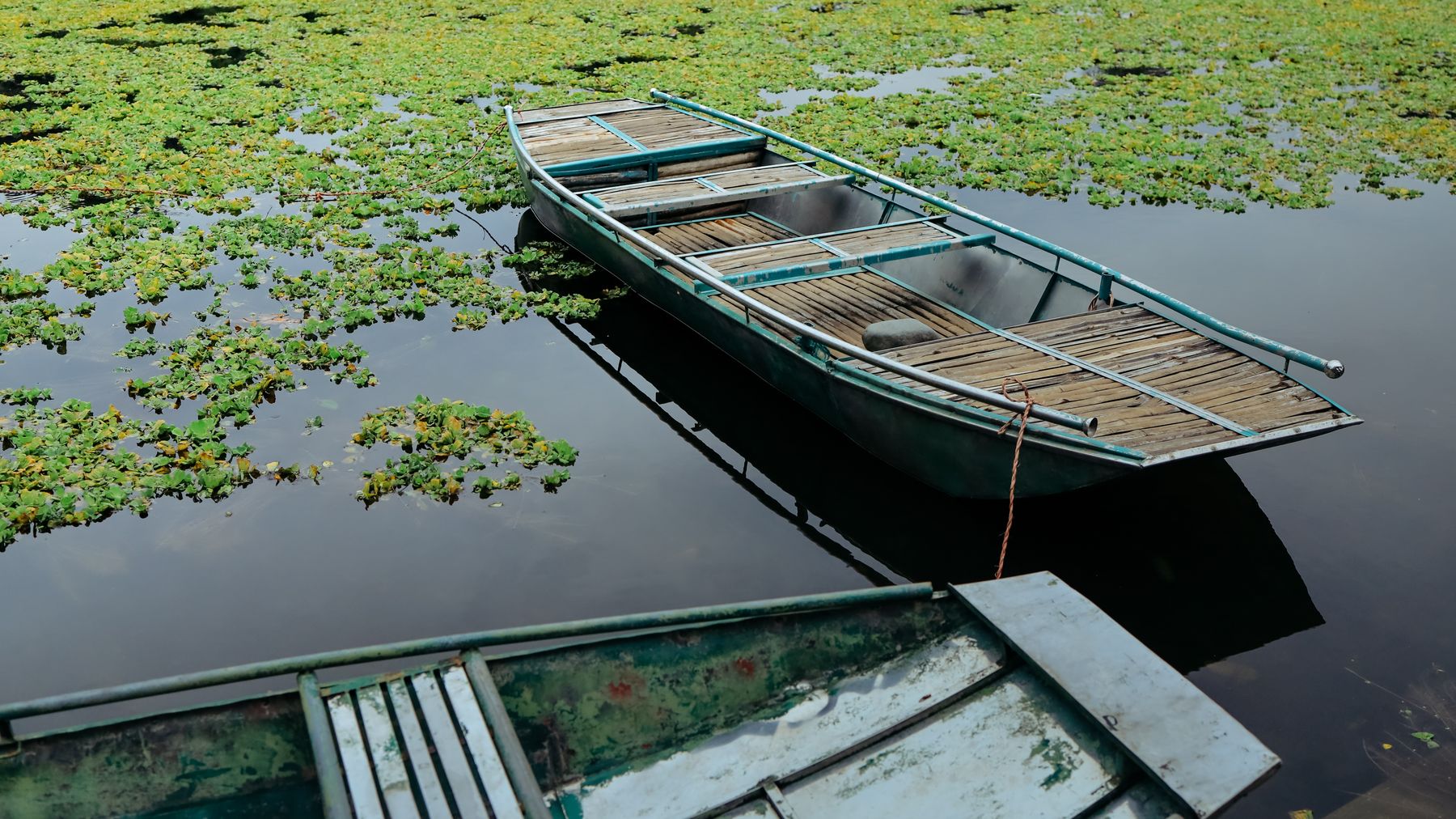
Photo by Lộc Nguyễn on Pexels
What to do
Soak in the mineral pools
The main attraction. A bathing complex channels the spring water into pools of varying temperatures. Entry runs 50,000–80,000 VND depending on which pool area you choose. The hotter pools closest to the source hit around 40°C; the cooler downstream pools are gentler at 32–35°C. Bring your own towel — rental towels exist but are thin and overpriced.
Take the boat through Kenh Ga floating village
Rowboats depart from a small dock near the spring area. A one-hour circuit costs around 100,000–150,000 VND per boat (fits 2–4 people). The route winds through the village where families live on houseboats, raise fish in net pens, and herd ducks along the canal. Early morning is best — the light is soft and the village is active.
Hike to the spring source
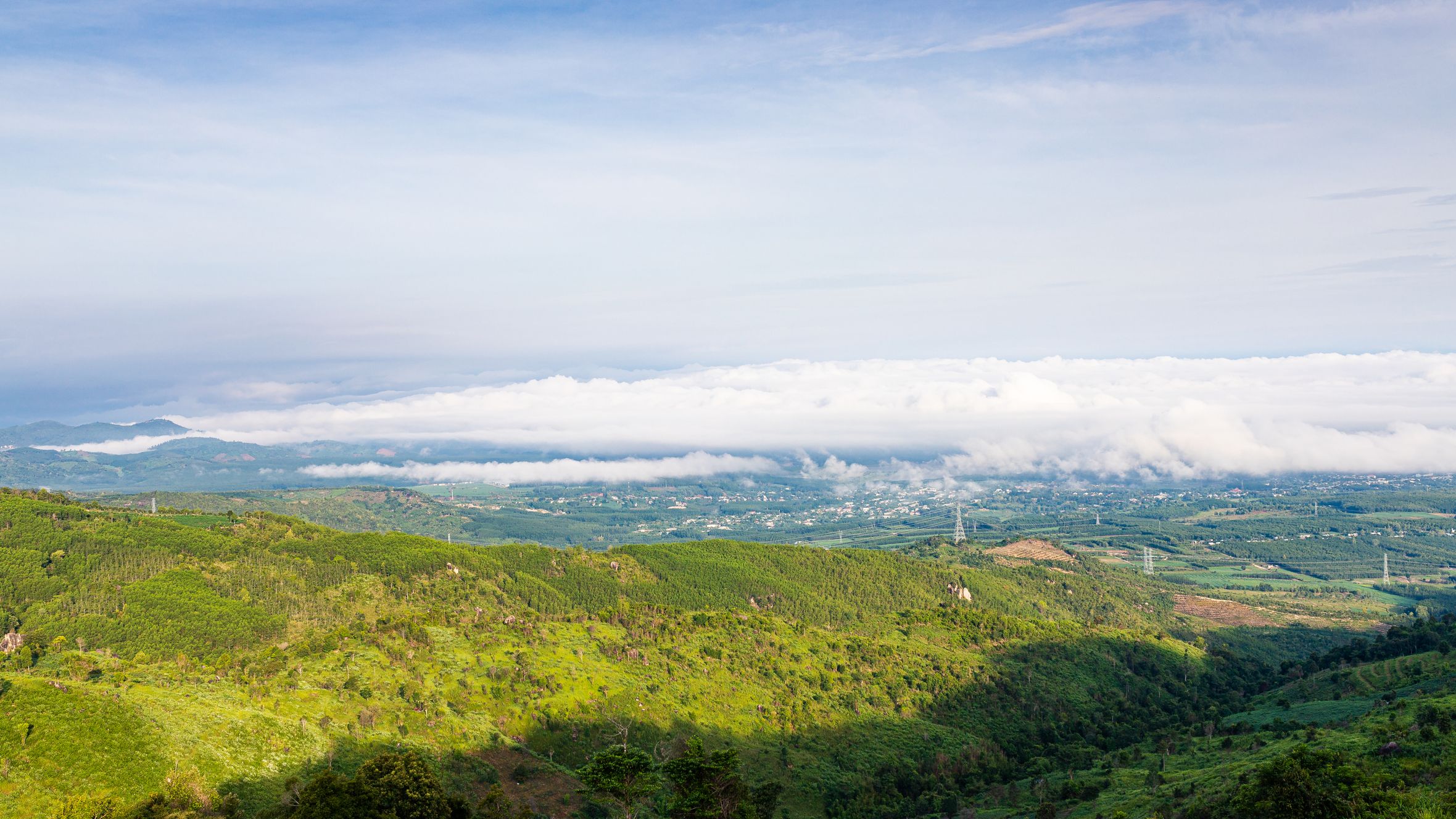
A short trail (about 800 meters) leads uphill to where the water emerges from the rock face. The path is uneven but manageable in sneakers. At the source, you can feel the heat radiating from the stone — steam rises visibly in the cooler months. The viewpoint at the top gives a decent panorama of the surrounding karsts.
Cycle the surrounding rice paddies
Rent a bicycle from your hotel in Ninh Binh and ride out. The flat terrain between the city and Kenh Ga is almost entirely rice fields, interrupted by limestone hills. The stretch along DT477 past Gia Lam and Gia Thinh communes is particularly photogenic, especially during the green rice season (May–June) or golden harvest (September–October).
Visit Van Trinh Pagoda
A small pagoda tucked against a cliff face, about 2 km from the spring. Not a major monument, but it is peaceful, usually empty, and gives you an excuse to explore the surrounding trails.
Where to eat nearby
The area around the spring has a handful of local restaurants — nothing fancy, plastic chairs on concrete floors. Two things worth ordering:
- "De tai chanh" (goat with lime leaves): Ninh Binh is famous for goat meat, and the restaurants near Kenh Ga source it from herds that graze on the limestone hills. Expect 120,000–180,000 VND per plate.
- "Com chay" (scorched rice): A Ninh Binh specialty — crispy rice crackers topped with stir-fried meat or vegetables. The version here is simpler than what you get at tourist restaurants in Tam Coc, but it is honest and cheap (60,000–90,000 VND).
For more variety, eat in Ninh Binh city before or after your trip.
Where to stay
Most travelers base themselves in Ninh Binh city or Tam Coc and visit Kenh Ga as a day trip. But if you want to stay close:
- Budget: A couple of nha nghi (guesthouses) in Gia Vien town, 200,000–350,000 VND/night. Basic but clean.
- Mid-range: Homestays along DT477 have popped up in recent years. 400,000–700,000 VND/night gets you a private room, often with breakfast included.
- Comfort: Stay in Ninh Binh city where options run from 500,000 VND business hotels to 1,500,000+ VND boutique properties near the Tam Coc area.

Photo by Hugo Guillemard on Pexels
Practical tips locals would tell you
- Bring flip-flops or sandals you do not mind getting wet. The pool areas have slippery tile floors.
- The spring water has a faint sulfur smell. It is normal, harmless, and washes off easily.
- If you are visiting Ninh Binh for multiple days — doing Tam Coc, Trang An, Hoa Lu, Bai Dinh — slot Kenh Ga into a morning when you want something low-effort.
- Weekday mornings before 9 AM give you the quietest experience at both the spring and the floating village.
- Carry cash. No card payments out here.
Common mistakes to avoid
- Skipping the boat ride: Some visitors only do the hot spring soak and leave. The floating village boat trip is the more memorable part — do both.
- Arriving midday in summer: The heat plus hot water is an unpleasant combination. Morning or late afternoon works better.
- Expecting a spa: This is a natural mineral spring with basic facilities, not a resort. Adjust expectations accordingly — the charm is in the setting, not the amenities.
- Not negotiating boat price in advance: Agree on the fare before boarding. The posted price at the dock is the reference point; do not pay more than that.
Practical notes
Kenh Ga works best as a half-day addition to a broader Ninh Binh itinerary. Pair it with a morning at Hoa Lu or an afternoon cycling near Tam Coc. Budget around 300,000–500,000 VND total for transport, entry, boat, and a meal — one of the cheaper half-days you will have in northern Vietnam.
Last updated · May 29, 2026 · independently researched, never sponsored.