Khai Long sits at the tail end of Vietnam, a long stretch of sand and casuarina trees where the Mekong Delta (메콩 델타 / 湄公河三角洲 / メコンデルタ) finally gives way to open sea. It's not a resort beach. It's the kind of place you go because you want to stand at the southernmost point of the country and feel the wind come off the Gulf of Thailand with nothing between you and Malaysia.
What Khai Long actually is
Khai Long (sometimes written Khai Long Tourist Area, or "Khu du lich Khai Long" in Vietnamese) is a coastal stretch in Ngoc Hien district, Ca Mau province — the very bottom of Vietnam (베트남 / 越南 / ベトナム)'s map. The beach runs for roughly 3 km along the coast, backed by casuarina forest and mudflat mangroves. Ca Mau province recently merged administratively with Bac Lieu, but for travelers the distinction barely matters; Khai Long is still accessed from Ca Mau city.
The area was developed in the early 2000s as a domestic tourism spot, and it still caters mostly to Vietnamese visitors making the pilgrimage to Dat Mui — Vietnam's southernmost cape. Infrastructure is basic. That's part of the appeal.
Why travelers go
Three reasons, mostly:
- Geography. Standing at Ca Mau Cape and Khai Long beach means you've reached the end of Vietnam. If you've traveled from Sapa or Ha Giang down through the country, this is where the road stops. There's a symbolic weight to it.
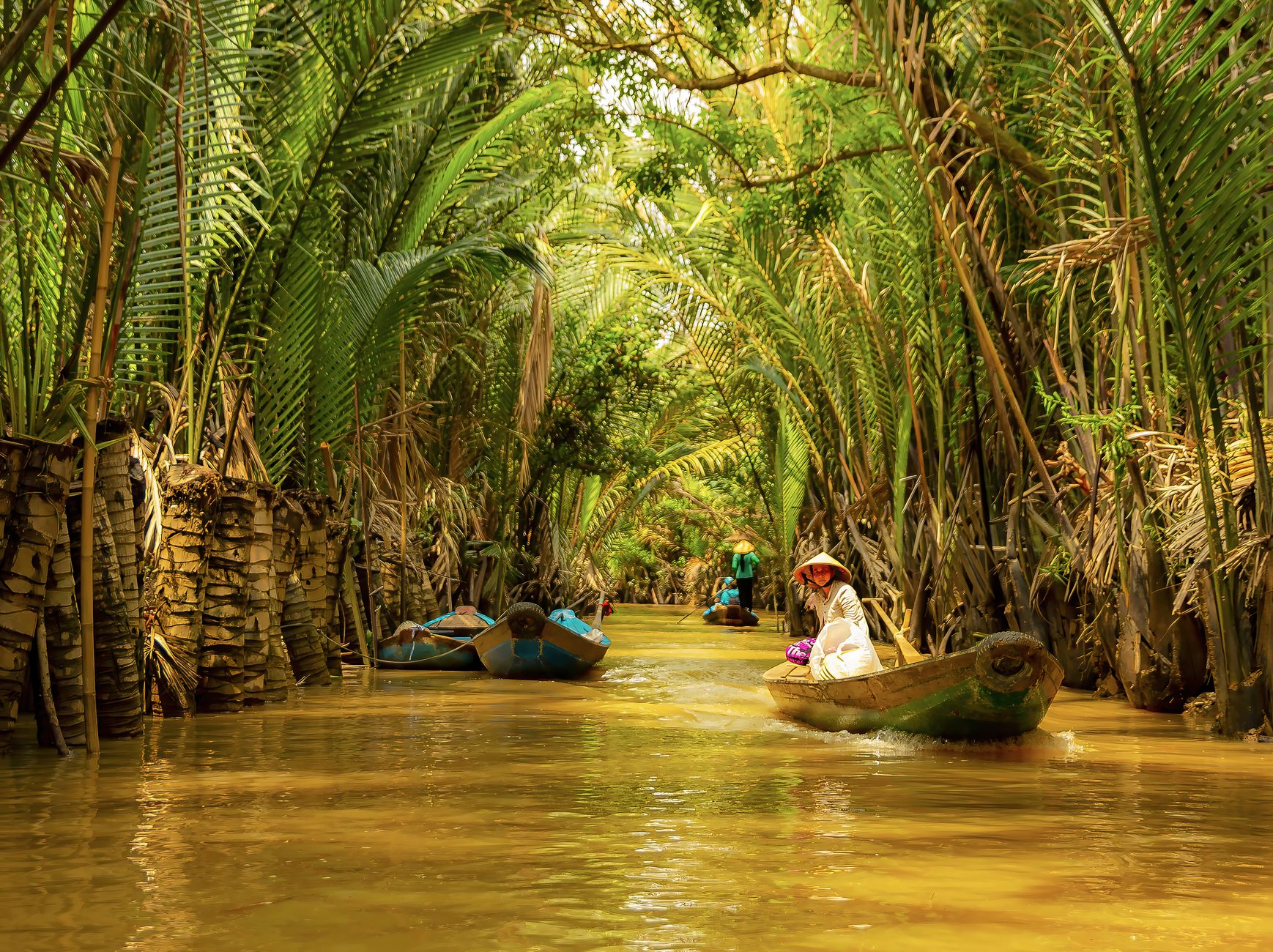
- Mangrove ecosystems. The Mui Ca Mau National Park surrounds the area — one of the largest mangrove forests in Southeast Asia. It's a UNESCO Biosphere Reserve, and the birdwatching is genuinely good.
- Quiet. Khai Long doesn't have jet skis, banana boats, or thumping speakers. The beach is wide and often empty on weekdays. If you've just come from the chaos of Saigon or the tourist density of Phu Quoc, the silence is the point.
Best time to visit
The dry season runs from November to April. December through February is ideal — less rain, lower humidity, and the winds off the coast keep temperatures around 26-30°C. Avoid June through September if you can; the southwest monsoon brings heavy rain and the roads in Ngoc Hien district can flood or turn to mud. The beach itself gets battered by waves and isn't great for swimming in monsoon months.
Weekdays are always better than weekends. Vietnamese holiday periods — especially Tet and the April 30 reunification holiday — bring domestic tour groups, and the limited accommodation fills fast.
How to get there from Saigon
Ca Mau city is your staging point. From there, Khai Long is another 100 km south.
Saigon to Ca Mau
- Bus: Several companies run sleeper buses from Ben Xe Mien Tay (Western Bus Station) in Saigon. The trip takes about 8-9 hours. Tickets run 200,000-280,000 VND. Phuong Trang (FUTA) is the most reliable operator.
- Flight: There are domestic flights from Tan Son Nhat to Ca Mau Airport (roughly 1 hour, from around 800,000 VND one-way if booked early on VietJet or Bamboo). The airport is small and 5 km from town.
Ca Mau to Khai Long
- Motorbike: The most practical option. Rent in Ca Mau city for 150,000-200,000 VND/day. The ride to Khai Long takes about 2.5-3 hours via National Road 1 south to Nam Can, then east toward Ngoc Hien. The road is paved but narrow in sections.
- Boat: From Nam Can town, you can hire a boat through the mangrove canals to reach the cape area. This is slower (2+ hours) but gives you a closer look at the mangrove forest. Expect to pay 500,000-1,000,000 VND for a private boat depending on your negotiation skills.
- Local bus + xe om: Possible but slow. Minibuses run from Ca Mau to Nam Can; from there you'll need a motorbike taxi ("xe om") for the final stretch.

Photo by maxed. RAW on Pexels
What to do
Walk the beach at dawn
Khai Long beach faces east, so sunrise is the main event. The sand is coarse and dark — this isn't powdery white sand like Phu Quoc — but the light over the water at 5:30 AM makes it worth setting an alarm.
Visit the Ca Mau Cape landmark
The stone marker at Dat Mui (Ca Mau Cape) is about 20 km from Khai Long. It's the official southernmost point of Vietnam, marked by a GPS coordinate post and a modest monument. Tour groups come here to take photos, but early morning or late afternoon you can have it mostly to yourself.
Explore the mangroves by boat
Hire a small wooden boat from the local pier to navigate the mangrove channels of Mui Ca Mau National Park. A 2-3 hour trip costs around 400,000-600,000 VND. You'll see mudskippers, monitor lizards, and if you're lucky, a few species of heron and egret. The boatmen know where the birds nest.
Try crab fishing with locals
Ca Mau is famous for its mud crabs ("cua Ca Mau"), and some homestay operators near Khai Long will take you out to check crab traps at low tide. It's not a polished tourist experience — you'll get muddy — but it's real.
Cycle the coastal road
If you have a bicycle (some guesthouses lend them), the flat road along the coast between Khai Long and Dat Mui is a good morning ride — roughly 20 km one way, passing shrimp ponds, mangrove edges, and very few cars.
Where to eat nearby
Don't expect restaurant rows. Eating here means small local spots and guesthouse kitchens.
- Mud crab is the thing to eat. Ca Mau crabs are sold by weight — expect to pay around 300,000-500,000 VND per kg depending on size and season. Steamed with beer or grilled with salt and chili is the local way.
- Banh canh with crab — a thick noodle soup loaded with crab meat — is a Ca Mau staple. Look for it at small shops in Nam Can or near the Khai Long entrance. A bowl runs 40,000-60,000 VND.
- Grilled "goi cuon" (fresh spring rolls) stuffed with local shrimp are common at roadside stalls along the coast road.
Where to stay
Options are limited. This isn't a place with boutique hotels.
- Khai Long Resort is the main accommodation right on the beach — basic rooms with AC, hot water, and sea views. Expect 400,000-800,000 VND/night.
- Homestays in Ngoc Hien offer cheaper beds (200,000-350,000 VND/night), often with meals included. Conditions are simple — fan rooms, shared bathrooms — but the hospitality is genuine.
- Nam Can town has a few budget hotels if you'd rather base yourself there and day-trip to Khai Long. Rooms from 250,000 VND.
Book ahead during Tet / 越南春节 / テト) and public holidays. Outside peak times, you can usually just show up.

Photo by maxed. RAW on Pexels
Practical tips locals would tell you
- Bring cash. There are no ATMs at Khai Long and very few in Ngoc Hien. Withdraw in Ca Mau city before heading south.
- Mosquito repellent is non-negotiable. Mangrove coast plus shrimp ponds equals serious mosquitoes after 4 PM.
- Fuel up in Nam Can. Petrol stations are sparse on the final stretch to Khai Long. Don't ride past Nam Can on a half-empty tank.
- Wear shoes you don't mind ruining if you plan to walk the mudflats or go crab fishing. Flip-flops get sucked off your feet.
Common mistakes to avoid
- Trying to do it as a day trip from Can Tho. Can Tho to Khai Long is 300+ km of delta roads. It's not a day trip. Budget at least one overnight in Ca Mau city and one near Khai Long.
- Expecting a swimming beach. The water is murky — delta sediment — and currents can be strong. Locals swim, but it's not a clear-water beach experience.
- Skipping the mangroves. Some visitors drive straight to the cape marker, snap a photo, and leave. The mangrove boat trip is the best part of the area. Don't skip it.
Practical notes
Khai Long rewards patience. It takes effort to reach, the infrastructure is rough, and the beach won't make anyone's Instagram highlight reel. But if you care about seeing Vietnam beyond the tourist corridor — from Hanoi to Hoi An to Saigon — this is about as far from that circuit as you can physically get while still being in the country. Bring cash, bug spray, and low expectations for comfort. The geography does the rest.
Last updated · May 29, 2026 · independently researched, never sponsored.