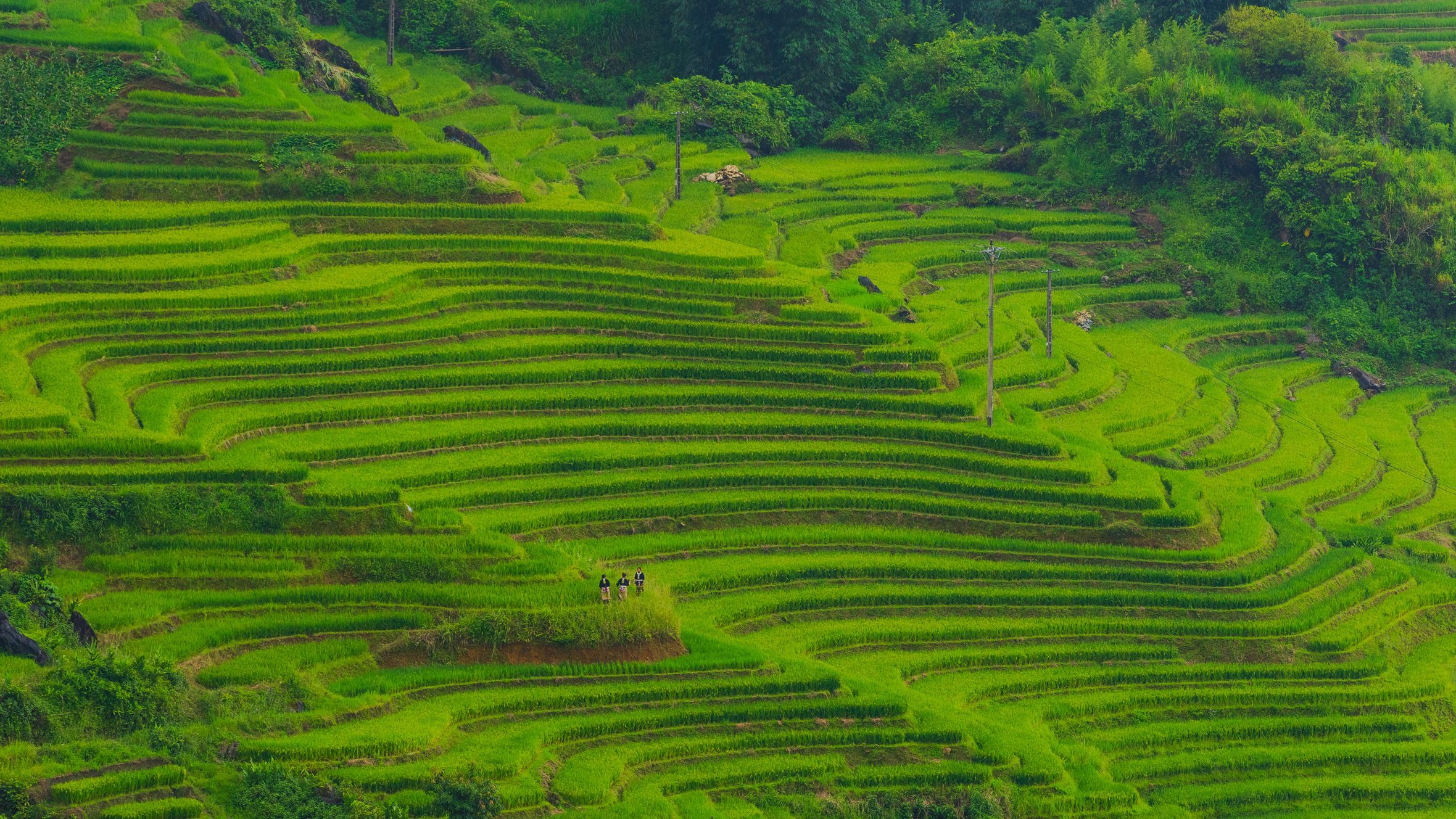
Khu Di Tich Binh Thanh is one of those places that rarely appears on any tourist map, which is exactly the kind of thing that makes it worth the trip. This archaeological site in Tay Ninh province dates back to the Oc Eo civilization — roughly the 1st to 7th centuries — and it sits quietly on a hill surrounded by rubber plantations and scrubby forest, largely unbothered by crowds.
What it is
Binh Thanh is an excavated settlement and religious complex tied to the Oc Eo culture, which was part of the broader Funan kingdom that once controlled much of southern Vietnam and the Mekong Delta (메콩 델타 / 湄公河三角洲 / メコンデルタ). The site covers a hillside area in what was formerly part of Long An province's administrative reach but now falls within Tay Ninh's expanded boundaries after the 2025 provincial merger.
Archaeologists have uncovered foundations of brick structures, fragments of Hindu-Buddhist statuary, ceramics, and tools that suggest this was a significant inland trading or ritual center. Think of it as a distant cousin to the better-known Oc Eo site in An Giang — smaller in scale, but with its own character. If you've visited My Son in Quang Nam and found yourself wanting to understand more about pre-Cham and Funan-era civilizations in the south, Binh Thanh fills in a piece of that puzzle.
Why travelers go
Honestly, not many do — and that's part of the appeal. There's no ticket queue, no selfie stick gauntlet. You get crumbling brick foundations, informational signage (mostly in Vietnamese), a small exhibition area with excavated artifacts, and the kind of quiet that lets you actually think about what you're looking at. History-focused travelers, archaeology nerds, and anyone doing a deeper dive into Tay Ninh beyond the Cao Dai Holy See will find it worthwhile. It pairs well with a day exploring the province's other sites — Ba Den Mountain is about 30 km away and makes a natural combo.
Best time to visit
November through March is ideal. This is southern Vietnam (베트남 / 越南 / ベトナム)'s dry season, and the site is largely outdoors on unshaded terrain, so you want to avoid the worst of the rain and the swampy humidity that peaks from June to September. Mornings are best — arrive before 9 AM if possible. By midday the heat on that exposed hillside is serious, even in the cooler months. Weekdays are quieter than weekends, though "crowded" is a relative term here.
How to get there
The nearest major hub is Saigon, about 100 km to the southeast.
From Saigon by bus
Catch a bus from An Suong bus station (western Saigon) to Tay Ninh city. Buses run frequently throughout the day, take around 2.5 hours, and cost 70,000–90,000 VND. From Tay Ninh city, you'll need to hire a "xe om" (motorbike taxi) or arrange a Grab bike for the remaining 15–20 km to the site. Expect to pay around 50,000–80,000 VND for the ride, though negotiation is standard.
By motorbike
If you're renting a motorbike in Saigon — which is the most flexible option for this kind of trip — take Highway 22 (Xuyên Á) northwest toward Tay Ninh. The ride is about 2.5 hours in reasonable traffic. Roads are decent the whole way, mostly flat with some truck traffic near the industrial zones outside Saigon. From Tay Ninh city, follow signs toward the Binh Thanh area. Google Maps has the pin, but the final few kilometers on local roads can be a bit vague — ask locals for "Khu di tich Binh Thanh" and you'll get pointed in the right direction.
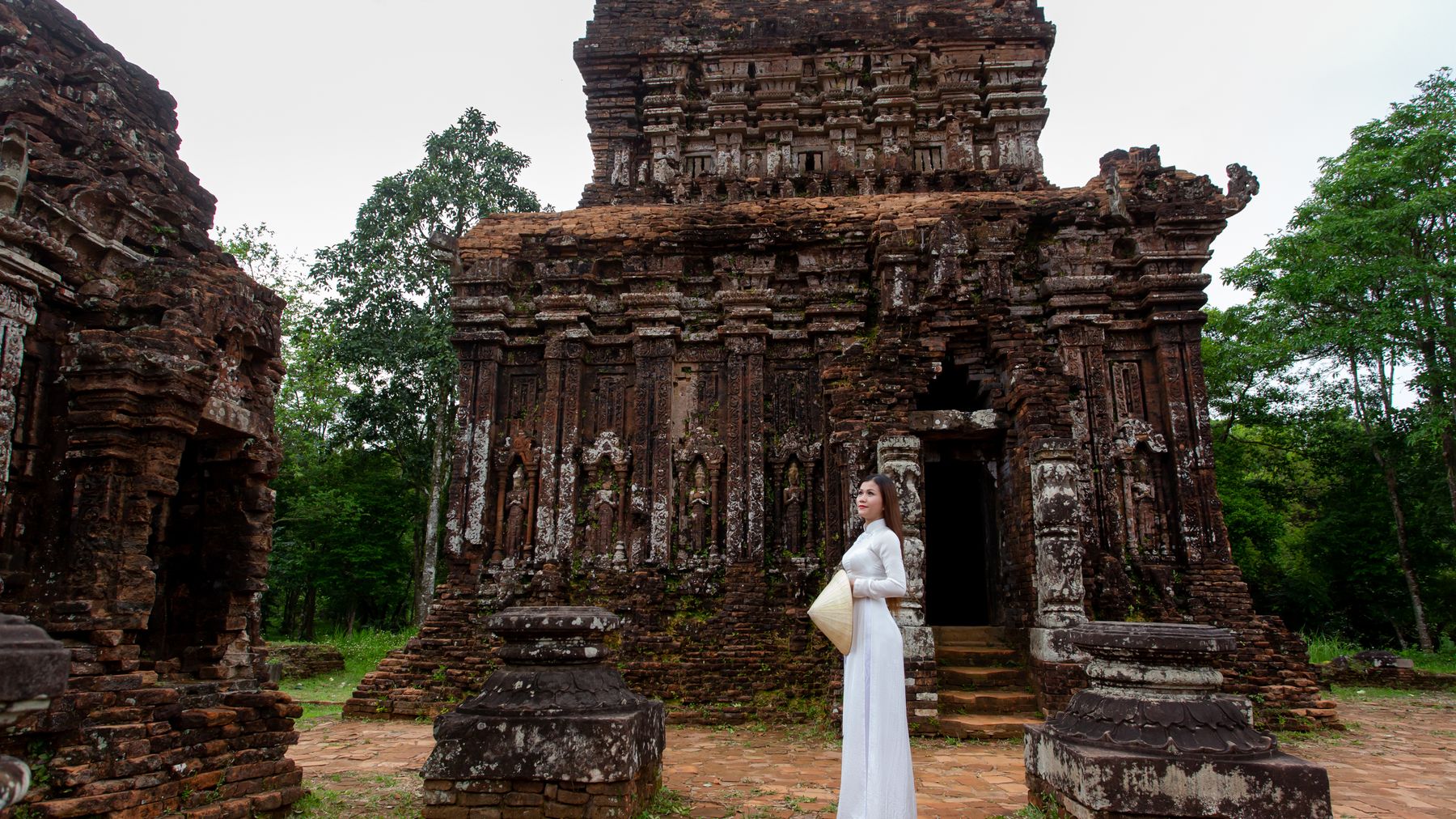
Photo by Võ Văn Tiến on Pexels
What to do
Walk the excavation areas
The main attraction is the exposed brick foundations spread across the hillside. These aren't grand temples — they're low walls and floor plans, the bones of buildings that were already ancient when Angkor Wat was being built. Take your time. The layout tells you something about how space was organized for worship and daily life in this part of the Funan world.
Visit the small museum
There's a modest exhibition space near the entrance displaying pottery shards, stone tools, fragments of statuary, and some explanatory panels about the Oc Eo civilization. Labels are primarily in Vietnamese, so having Google Translate's camera mode ready on your phone helps.
Explore the surrounding landscape
The site sits amid rubber plantations and light forest. Walking the perimeter paths gives you a sense of the terrain and why this hilltop location was chosen — it has natural elevation and would have been defensible and visible from a distance. Early morning light through the rubber trees is genuinely pleasant.
Combine with Ba Den Mountain
Nui Ba Den, Tay Ninh's iconic black-granite mountain, is a short ride away. The cable car to the summit runs daily, and the views over the southern plains are wide and clear on a good day. It's a natural pairing — ruins in the morning, mountain in the afternoon.
Stop at the Cao Dai Holy See
If you're already in Tay Ninh, the Cao Dai Great Temple in the city center is hard to skip. The noon prayer ceremony (around 12:00 PM) is open to respectful visitors and is one of the more visually striking religious experiences in southern Vietnam.
Where to eat nearby
Tay Ninh city is the closest place for a proper meal. The province is known for its version of "banh canh" — thick tapioca-flour noodles served in a pork-bone broth with crab or pork. Stalls along Trang Bang town (on the highway between Saigon and Tay Ninh) serve the regional classic "banh trang phoi suong" — rice paper dried in the night dew, eaten with herbs and grilled meat. It's a Tay Ninh specialty you won't find done the same way elsewhere. A bowl of banh canh runs 30,000–45,000 VND; a banh trang plate with all the fixings is around 40,000–60,000 VND.
Where to stay
Most travelers base themselves in Tay Ninh city, where budget guesthouses start around 200,000–350,000 VND per night. Mid-range hotels with air conditioning and hot water run 400,000–700,000 VND. There's nothing luxury-tier in the immediate area — if you want that, Saigon is your base and Tay Ninh becomes a day trip. For the full experience, one night in Tay Ninh city is enough.
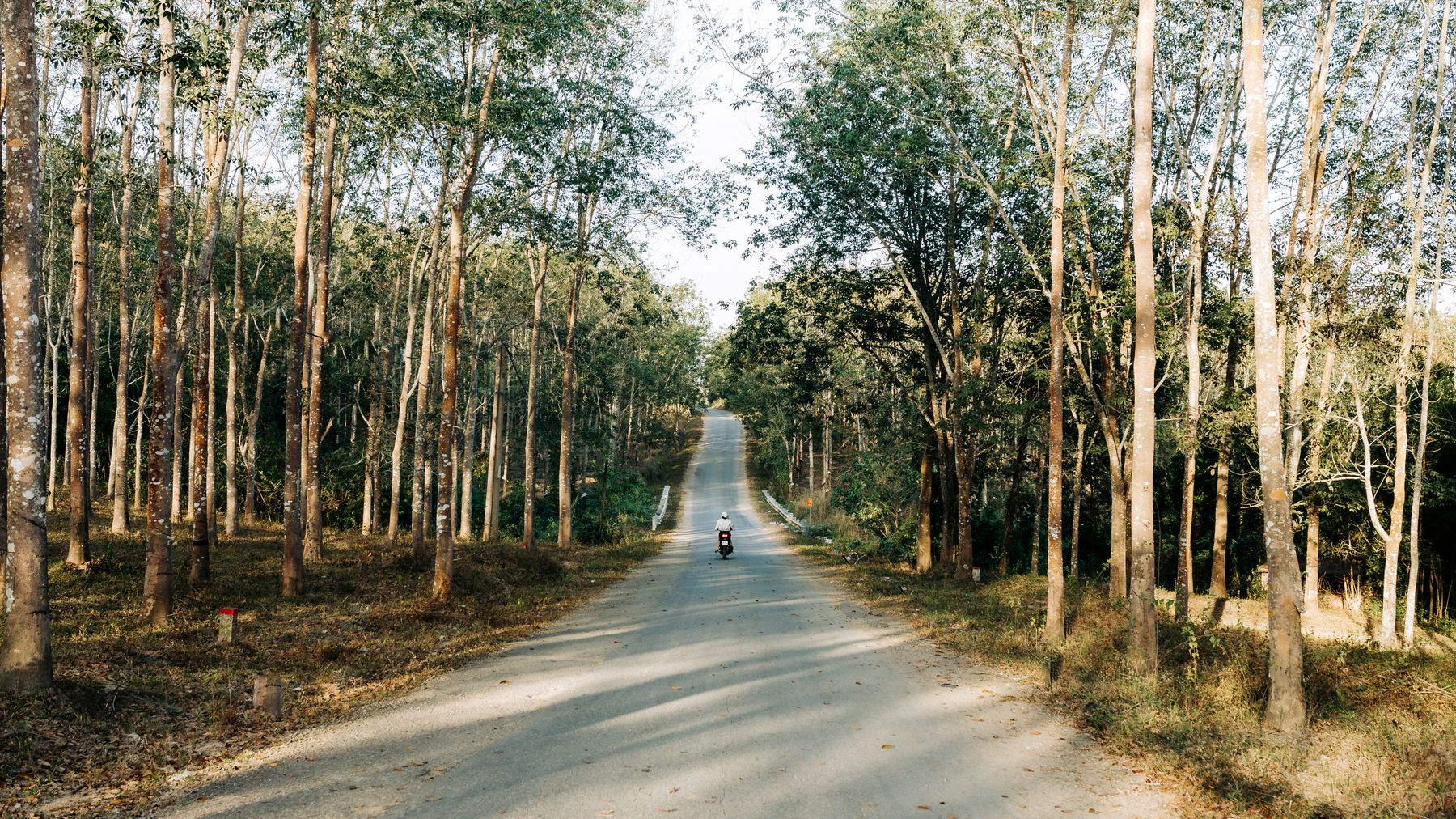
Photo by Thái Trường Giang on Pexels
Practical tips locals would tell you
- Bring water and sun protection. There's minimal shade at the site and no reliable vendor nearby.
- Wear closed shoes — the terrain is uneven, with loose brick and dirt paths.
- The site has no entrance fee as of early 2025, but check locally in case that changes.
- If you're on a motorbike, fill up in Tay Ninh city. Fuel stops get sparse on the smaller roads heading to the site.
- Vietnamese coffee in Tay Ninh city's local cafes is strong and cheap — 15,000–20,000 VND for a "ca phe sua da" — and a good way to recharge before or after the visit.
Common mistakes to avoid
Don't expect a polished, ticketed attraction with English-speaking guides. This is an archaeological site, not a theme park. Adjust your expectations accordingly and you'll enjoy it more. Don't try to visit during heavy rain — the exposed hillside gets slippery and the dirt paths turn to mud. And don't leave it as a late-afternoon afterthought; give yourself at least 1.5 hours to walk the site properly without rushing.
Practical notes
Binh Thanh works best as part of a broader Tay Ninh day trip from Saigon — combine it with Ba Den Mountain and the Cao Dai temple for a full day. If you're the kind of traveler who finds empty ruins more interesting than crowded ones, this one's for you.
Last updated · May 29, 2026 · independently researched, never sponsored.








