
Ho Be Eco-Tourism Area sits about 60 km southeast of central Can Tho, in a district that was formerly part of Soc Trang province before the administrative merger. It's the kind of place Mekong Delta (메콩 델타 / 湄公河三角洲 / メコンデルタ) locals go on weekends — a sprawling freshwater lake surrounded by fruit orchards, cajuput forest, and fish ponds — but it barely registers on the foreign tourist circuit. That's part of what makes it worth the trip.
What It Is
Khu Du Lich Sinh Thai Ho Be is built around a natural freshwater lake — Ho Be itself — covering roughly 100 hectares when you include the surrounding gardens and waterways. The area was developed in the early 2000s as a low-key eco-tourism site, leaning into what the Mekong Delta already does well: fruit gardens, canal boat rides, and outdoor eating spots shaded by coconut palms. It's not a theme park. Think of it more as a rural recreation area with some tourism infrastructure layered on top — floating pavilions, hammock zones, fishing ponds, and a network of walking paths through orchards.
The lake itself is fed by a web of smaller canals connected to the broader Mekong river system. During the rainy season, the water level rises and the surrounding landscape turns almost absurdly green.
Why Travelers Go
Most visitors are domestic — families from Can Tho (껀터 / 芹苴 / カントー) or Soc Trang looking for a day out. For foreign travelers, the appeal is different. If you've already done the Cai Rang Floating Market and the standard Can Tho city loop, Ho Be gives you a reason to get further into the delta countryside without committing to a multi-day trip. It's quiet, the scenery is genuinely rural, and you can eat well for almost nothing.
It also works as a half-day stop if you're traveling overland between Can Tho and Soc Trang or heading toward Bac Lieu.
Best Time to Visit
The sweet spot is December through April — the dry season in the Mekong Delta. Skies are mostly clear, the roads are in better shape, and the fruit orchards are heavy with seasonal produce. January and February overlap with Tet, so expect domestic crowds on the holiday itself, but the weeks around it are fine.
Avoid September and October if you can. That's peak flooding season in the delta. The lake area can get waterlogged, paths turn muddy, and some facilities close or reduce hours. The upside of a wet-season visit is that the landscape is at its most lush, and you'll have the place almost entirely to yourself.
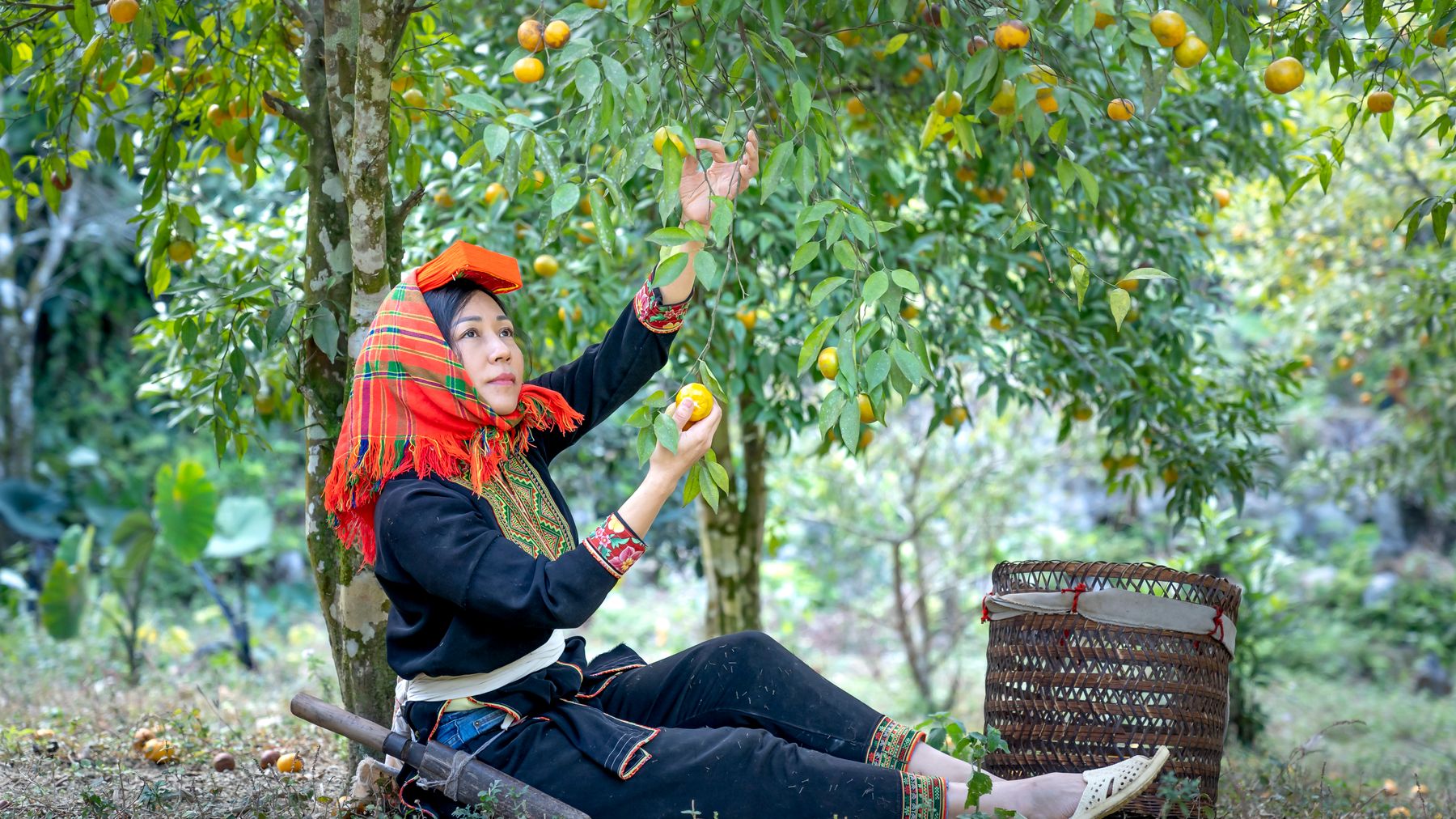
Photo by Quang Nguyen Vinh on Pexels
How to Get There from Can Tho
From central Can Tho, Ho Be is roughly 60 km by road — about 1.5 hours by motorbike, a bit longer by car depending on traffic through the smaller towns along the way.
- Motorbike: The most common option. Rent a semi-automatic in Can Tho for 120,000–150,000 VND/day. Head southeast on QL1A toward Soc Trang, then follow local signage. The roads are paved but narrow in spots.
- Grab car / private taxi: Around 350,000–450,000 VND one way from central Can Tho. Agree on the price beforehand if using a local taxi — metered fares can climb on rural routes.
- Bus: There's no direct bus to Ho Be. You can take a Can Tho–Soc Trang bus (around 60,000–80,000 VND, 1.5–2 hours) and arrange a local "xe om" (motorbike taxi) from the nearest town for the last stretch, roughly 30,000–50,000 VND.
Google Maps has the location pinned, but cell signal gets patchy on the smaller roads. Download offline maps before you leave Can Tho.
What to Do
Boat Rides on the Lake
Small wooden boats take you around Ho Be and into the surrounding canal network. Rides run about 30–45 minutes and cost 50,000–80,000 VND per person. The boatmen are local and sometimes double as informal guides, pointing out bird species and fishing techniques. It's not a polished tour — more of a slow float through cajuput trees and lotus patches.
Fruit Orchard Walks
The orchards around the lake grow longan, mango, rambutan, and sapodilla depending on the season. Some garden owners let visitors pick and eat fruit on the spot for a small fee — usually 20,000–30,000 VND. This is a common setup across the Mekong Delta, but the Ho Be orchards feel less staged than some of the tourist gardens closer to Can Tho.
Fishing Ponds
Several ponds are stocked with catfish and tilapia. You rent a rod and basic tackle for around 30,000 VND, and whatever you catch, the on-site kitchen will cook for you — grilled, fried, or in a sour soup. It's a surprisingly satisfying way to spend an hour.
Walking and Cycling Paths
Flat dirt and concrete paths wind through the property and along the lakeshore. The terrain is dead flat — this is the delta, after all — so it's easy going. Some visitors rent bicycles on-site for 30,000–50,000 VND. Early morning is the best time, before the midday heat sets in.
Hammock Zones
This sounds minor, but it's half the point for Vietnamese visitors. Covered pavilions with hammocks line parts of the lake. Grab a coconut (15,000–20,000 VND), claim a hammock, and do nothing for a while. Underrated.
Where to Eat Nearby
The on-site restaurants serve standard Mekong Delta fare — grilled fish, hot pot, stir-fried morning glory, rice. Prices are reasonable: a full meal for two runs 150,000–250,000 VND.
For something more specific, look for "bun nuoc leo" — a Khmer-influenced noodle soup with fish and peanut-based broth that's a signature of Soc Trang province and the surrounding area. It's rich, slightly sweet, and completely different from the noodle soups you'll find in Hanoi or Saigon. "Banh pia" — flaky pastries filled with durian and mung bean — are another local specialty worth picking up from roadside stalls on the drive back.
If you're heading back through Can Tho, the city has excellent "bun rieu" and "com tam" spots along Hai Ba Trung and Nguyen Van Cu streets.

Photo by Nhi Huynh on Pexels
Where to Stay
Ho Be itself doesn't have proper hotels. Most visitors treat it as a day trip from Can Tho, which has the widest range of accommodation in the region.
- Budget: Guesthouses and hostels in central Can Tho run 200,000–400,000 VND/night.
- Mid-range: Clean hotels along Ninh Kieu waterfront go for 500,000–900,000 VND/night.
- Splurge: A few boutique riverside places in Can Tho charge 1,200,000–2,000,000 VND/night.
If you want to stay closer to Ho Be, ask locally about homestays in the surrounding villages. They exist, but availability is informal — don't count on booking online.
Practical Tips
- Bring cash. There are no ATMs at Ho Be, and card payments are not accepted. Bring enough VND for the day.
- Sunscreen and a hat are non-negotiable. Shade exists in the hammock areas, but the boat rides and orchard walks are exposed.
- Mosquito repellent matters here. The lake and surrounding waterways mean bugs, especially around dusk.
- Vietnamese language helps. Almost no one at Ho Be speaks English. A few basic phrases — or a translation app downloaded for offline use — will make things smoother.
Common Mistakes
- Arriving too late. The area is best enjoyed in the morning. By early afternoon the heat is punishing and most of the boat operators wind down.
- Expecting resort-level facilities. This is a rural eco-tourism site, not a resort. Toilets are basic. Food is simple. That's the deal.
- Skipping the drive itself. The road from Can Tho to Ho Be passes through some of the most scenic delta countryside you'll see — rice paddies, small villages, canal crossings. Don't treat it as dead time. Stop when something looks interesting.
Last updated · May 29, 2026 · independently researched, never sponsored.










