What it is
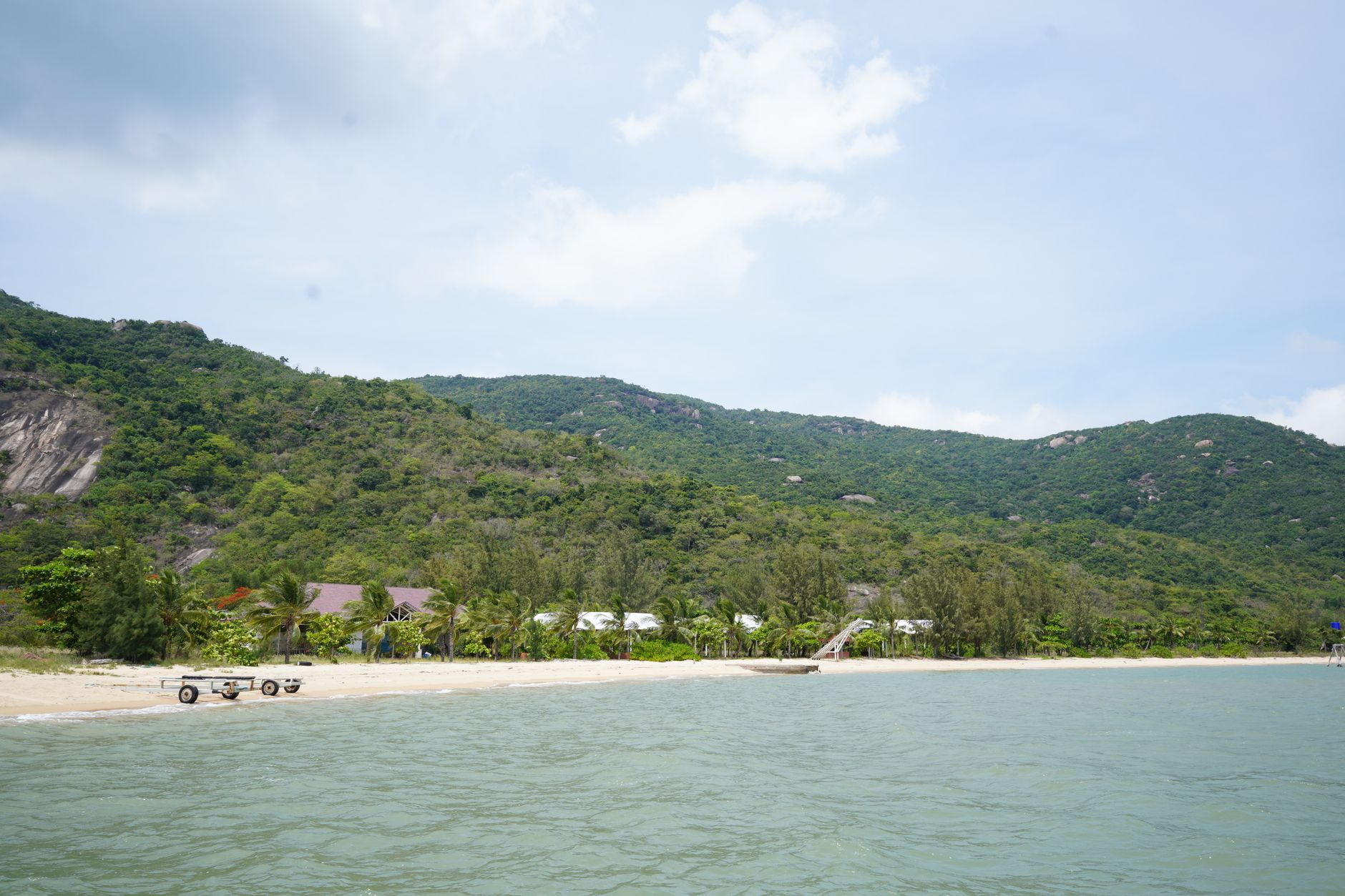
Khu Du Lich Sinh Thai Rung Duoc — literally "mangrove forest ecotourism area" — sits in the coastal stretch of Vinh Long province, in territory that was formerly part of Tra Vinh before the provincial merger. The park protects a belt of "rung duoc" (mangrove forest) along the shoreline where the Mekong's freshwater finally meets the sea. It's not a manicured resort. It's a working conservation zone with boardwalks, boat routes, and a handful of rustic facilities built into the forest canopy.
The mangrove here is dense — mostly Rhizophora and Avicennia species whose tangled root systems hold the coastline together. The area was replanted after decades of shrimp farming cleared out large sections, and what you see now is a mix of old-growth trees and newer restoration plots. Local Khmer communities have been involved in the reforestation effort, and that cultural layer adds something you won't find in a typical nature park.
Why travelers go
Most visitors come for two things: the quiet and the birds. This part of the Mekong Delta (메콩 델타 / 湄公河三角洲 / メコンデルタ) doesn't see heavy tourist traffic. You'll share the boardwalks with a few domestic visitors and maybe a birdwatching group, but it's nowhere near as busy as places like Can Tho's floating markets or the boat tours around Ninh Binh.
The mangrove ecosystem supports herons, egrets, kingfishers, and during migration season, several species that pass through from further north. Photographers set up at dawn along the waterways. For everyone else, the appeal is simpler — walking through a forest that grows out of water, with crabs scuttling across mud flats and the smell of salt and leaf decay in the air. It's an honest slice of delta ecology.
Best time to visit
The dry season — roughly November through April — is the most comfortable window. Temperatures hover around 27-32°C, rain is infrequent, and the trails stay passable. January and February tend to be the driest months.
The wet season (May to October) brings afternoon downpours that can flood the lower boardwalks. The forest looks greener and the birdlife is more active after rain, but access gets trickier and mosquitoes multiply. If you visit during the wet months, go in the morning before the rain hits, usually around 2-3 PM.
Avoid the days right around Tet if you want a quiet experience — domestic visitors spike during the holiday week, and some facilities may close or run on reduced hours.

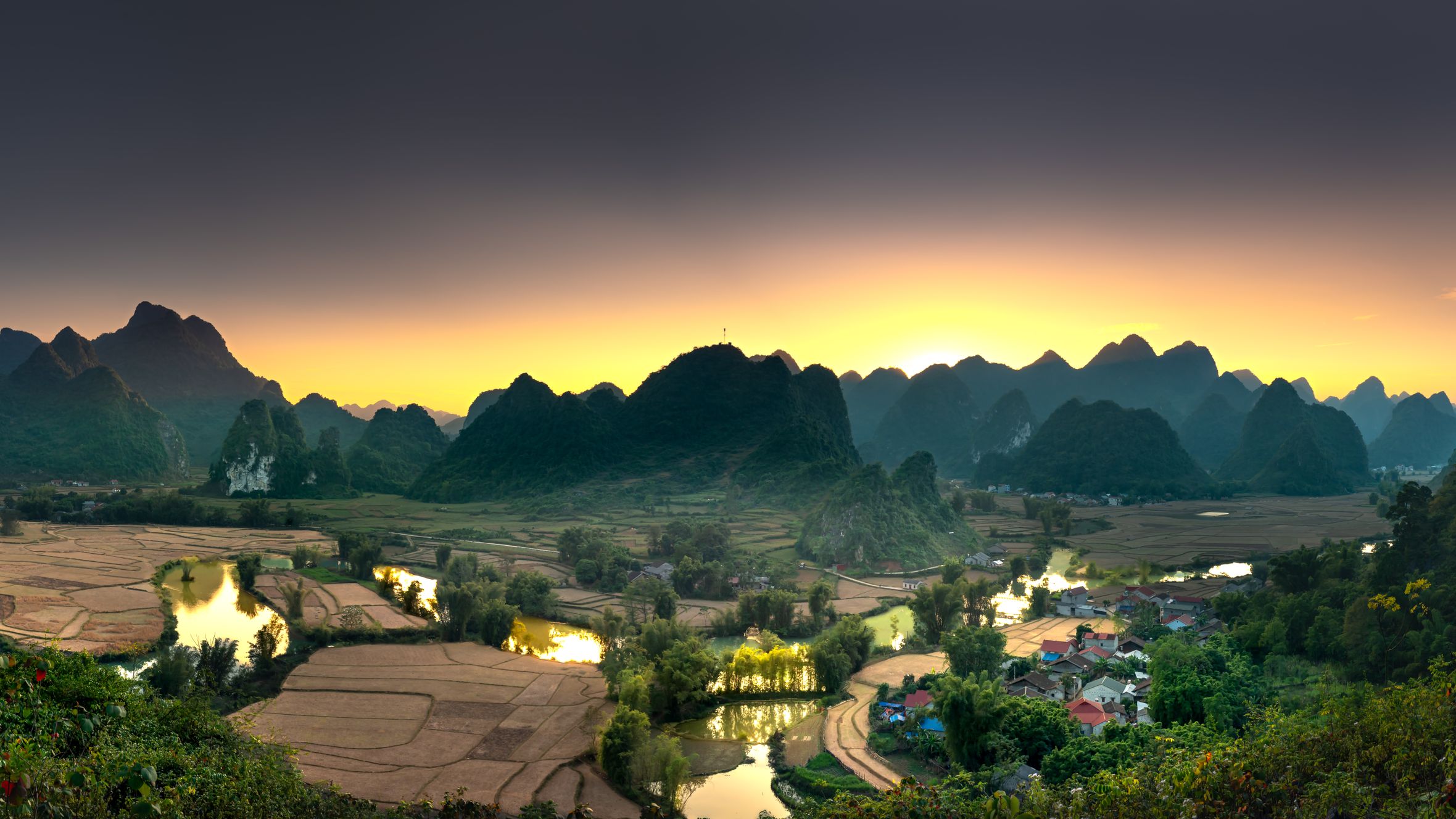
Photo by Flint Huynh on Pexels
How to get there
The park is roughly 100 km southeast of Can Tho (껀터 / 芹苴 / カントー) and about 130 km from Saigon.
From Can Tho: Take a bus or drive east along QL54 toward the coast. The ride is about 2.5 hours by motorbike or private car, depending on ferry crossings. Local buses run from Can Tho's bus station toward Tra Vinh town (now part of Vinh Long province) for around 80,000-120,000 VND; from Tra Vinh town center, you'll need a xe om (motorbike taxi) for the last 30 km to the park, roughly 100,000-150,000 VND.
From Saigon: Buses from Mien Tay bus station run to Tra Vinh town in about 3-3.5 hours, costing around 130,000-180,000 VND. From there, same xe om situation. Alternatively, rent a motorbike and ride the whole route — the delta roads are flat and the scenery along the way is part of the experience.
There's no Grab coverage out here. Arrange return transport in advance or swap numbers with your xe om driver.
What to do
Walk the boardwalk loop
The main boardwalk winds through the mangrove canopy for about 2 km. It's elevated above the mud flats on concrete stilts. Go early — 6:30 to 8:00 AM — when the birds are feeding and the light filters sideways through the trees. The loop takes 45 minutes at a relaxed pace.
Take a boat through the channels
Small wooden boats run through the narrower waterways where the boardwalk doesn't reach. Expect to pay around 50,000-80,000 VND per person for a 30-minute circuit. The boatmen are local fishermen, not tour guides, so don't expect commentary — but they know where the birds roost.
Visit the Khmer pagoda nearby
Several Khmer communities live in the surrounding area, and their pagodas are architecturally distinct from Vietnamese Buddhist temples — more color, more ornamental detail, Theravada rather than Mahayana. Ask locally for directions to the nearest one; it's usually within a few kilometers of the park entrance.
Try shrimp fishing
Some of the ponds adjacent to the park offer catch-and-cook shrimp fishing. You rent a rod, catch what you can, and they'll grill it for you on the spot. It's low-key and costs around 100,000-200,000 VND depending on your catch.
Photograph the mud flats at low tide
When the tide pulls back, the exposed root systems create geometric patterns across the mud. Low tide plus golden hour is the combination photographers come for.
Where to eat nearby
The park itself has basic food stalls selling rice plates and drinks, but nothing memorable. For better eating, head back toward Tra Vinh town.
Look for "bun nuoc leo" — a Khmer-influenced noodle soup with a fermented fish broth, pork, and shrimp. It's the signature dish of this area and tastes nothing like "pho" or "hu tieu". A bowl runs 30,000-45,000 VND at local shops. "Banh tet" stuffed with banana or mung bean is another local specialty, especially around Tet season but available year-round at market stalls.
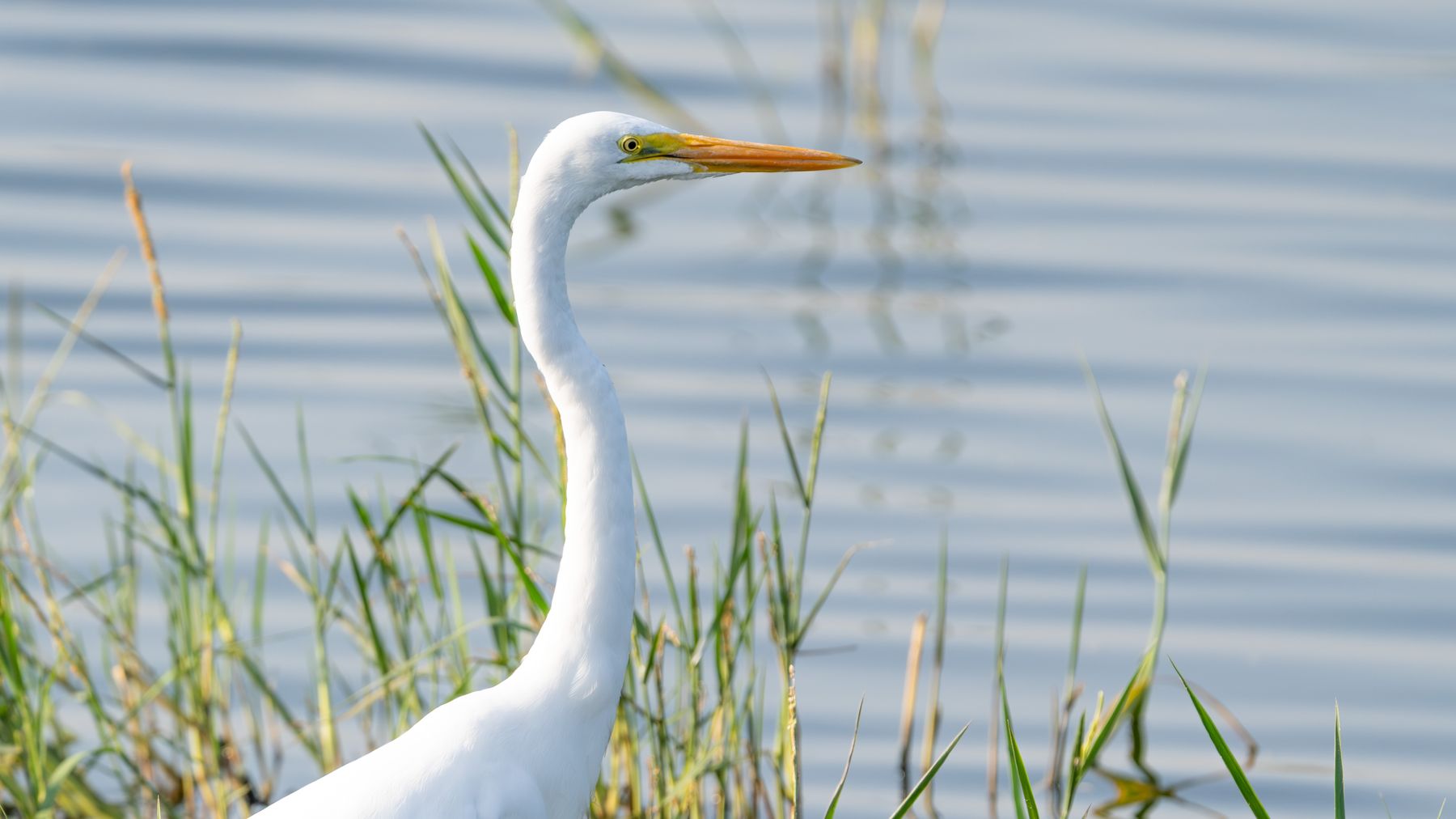
Photo by Abhishek Navlakha on Pexels
Where to stay
Accommodation near the park is limited. Your options:
- Homestays near the park: Basic rooms, fan or AC, 200,000-400,000 VND/night. Don't expect hot water or English-speaking hosts. Do expect genuine hospitality and strong coffee in the morning.
- Tra Vinh town hotels: A wider range, from budget guesthouses at 250,000 VND to mid-range hotels around 500,000-800,000 VND with AC, Wi-Fi, and proper bathrooms.
- Can Tho: If you'd rather have a comfortable base with restaurants and nightlife, stay in Can Tho and day-trip to the park.
Practical tips
- Bring mosquito repellent. The mangrove environment breeds them year-round, worse in the wet season.
- Wear shoes you don't mind getting muddy. Flip-flops work on the boardwalk but not if you step off it.
- Cash only — no ATMs at the park. Load up in Tra Vinh town before heading out.
- Sunscreen matters even on overcast days. The water reflects UV off the channels.
- If you're combining this with a broader delta trip, the route pairs well with a visit to Can Tho's Cai Rang floating market the morning before or after.
Common mistakes
- Arriving midday. The heat between 11 AM and 3 PM is oppressive, the birds are hiding, and the light is flat. Morning or late afternoon only.
- Not arranging return transport. Getting here is easy enough; getting back without a pre-arranged driver can leave you stranded. Confirm your pickup before your driver leaves.
- Expecting a polished eco-resort. This is a conservation site with basic infrastructure. That's the charm, but set your expectations accordingly — no spa, no pool, no cocktail bar.
- Skipping Tra Vinh town entirely. The Khmer cultural presence here is distinct from anything else in the delta. The temples and the food alone are worth a half-day.
Last updated · May 29, 2026 · independently researched, never sponsored.