Phu Quoc gets most of its attention for white sand and sunsets, but the island's food culture — rooted in fishing, fermentation, and Mekong Delta (메콩 델타 / 湄公河三角洲 / メコンデルタ) influence — is reason enough to visit. This two-day itinerary skips the resort buffets and focuses on where locals actually eat.
Day 1 — Fish Sauce, Markets, and the Waterfront
Start with the source: a fish sauce factory
Phu Quoc (푸꾸옥 / 富国岛 / フーコック)'s "nuoc mam" is arguably the most prized in Vietnam — darker, saltier, and more pungent than the mass-produced versions on supermarket shelves. The island's producers still use the old method: whole anchovies layered with sea salt in giant wooden barrels, fermented for 12 to 15 months. Khai Hoan and Hung Thanh are both open to visitors, no ticket required. Hung Thanh, on Nguyen Van Cu street in Duong Dong town, is the more atmospheric of the two — the barrel room is dim, cool, and smells exactly like you'd expect.
Plan for 30 minutes. They'll let you taste a few grades, from the amber first-press down to the saltier later extractions. Buy a bottle of nhi-grade (first press) to take home — around 50,000–80,000 VND for 500ml. Check airline liquid rules before packing it.
Duong Dong Market — mid-morning
A 10-minute walk from Hung Thanh, Duong Dong Market is the island's main wet market and the fastest way to understand what Phu Quoc actually eats. The seafood hall is the main event: live mud crabs, mantis shrimp, sea urchins, and clams sold by the kilo. The prepared food section out back is where you want breakfast. Look for "banh canh" — thick rice-flour noodles in a peppery broth with chunks of fish or crab. A bowl runs 30,000–40,000 VND. The version here uses locally caught fish and noticeably more black pepper than you'll find on the mainland, a regional habit worth noting.
There's also good "bun quay" here — a Phu Quoc specialty where you dip raw seafood into a boiling broth pot at your table, similar to hot pot but simpler and cheaper. Several stalls cluster near the market's north entrance.
Afternoon: Ham Ninh fishing village
Ham Ninh is 15 km east of Duong Dong, a 25-minute ride by motorbike or xe om. It's one of the few fishing villages on the island that hasn't been substantially redeveloped, and the pier is still working — boats come in mid-morning, and by noon the catch is being sorted and iced on the docks.
A row of seafood restaurants lines the waterfront — all similar menus, all very fresh. Order grilled scallops with spring onion and peanuts (so diep nuong mo hanh), steamed clams in lemongrass, and whatever whole fish the owner recommends that day. Budget around 250,000–350,000 VND per person for a full meal with rice and a cold beer. Ham Ninh is also known for its small, sweet crabs harvested from the mangroves — "ghe Ham Ninh" — best eaten steamed with ginger dipping sauce. They're seasonal but available most of the year.

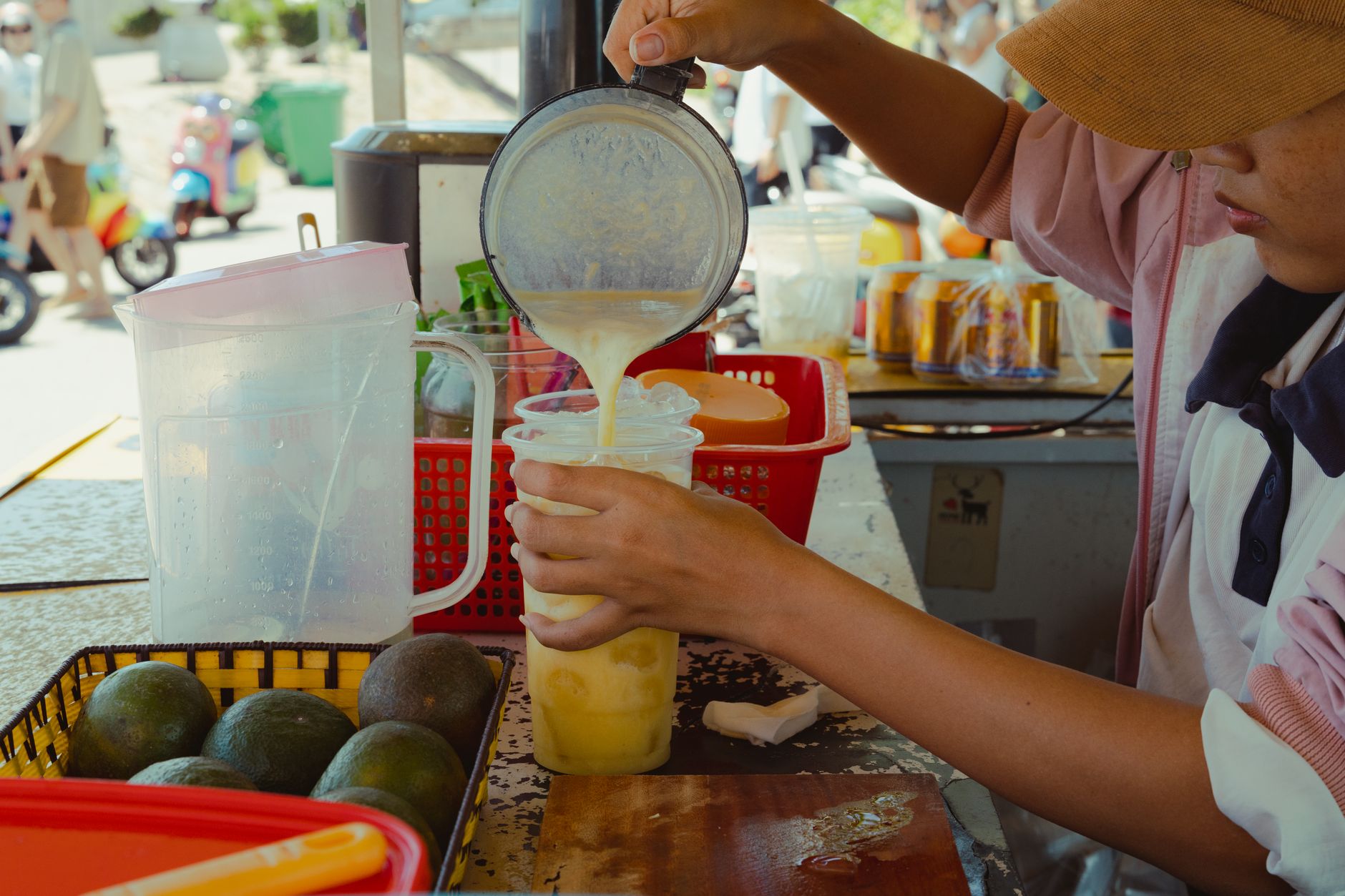
Photo by Quang Nguyen Vinh on Pexels
Day 2 — Night Market, Pepper Farms, and Southern Plates
Morning: Phu Quoc pepper
The island produces "ho tieu" — black pepper — that has a geographical indication protected status. The vines grow on wood stakes across the island's central interior; Khu Tuong village, about 8 km northeast of Duong Dong, has several small farms that welcome visitors. The pepper here is noticeably more floral and less harsh than Dak Lak pepper, and it ends up in almost every dish you'll eat on the island. A 100g bag of freshly dried Phu Quoc pepper costs around 60,000–90,000 VND at the farms — considerably less than airport shops.
Lunch: Southern comfort food in town
Back in Duong Dong, lunch is a good moment to try "hu tieu" — a southern Vietnamese noodle soup with clear pork broth, thin rice noodles, and a selection of toppings (minced pork, shrimp, quail eggs, fried shallots). It's lighter than pho and more common in the south. Several small shophouses on Bach Dang street near the night market entrance serve it from around 11am. A bowl is 40,000–50,000 VND.
Evening: Dinh Cau Night Market
The Dinh Cau Night Market on Vo Thi Sau street opens at 5pm and runs until around 10pm. It's touristy — there's no pretending otherwise — but the seafood quality is genuinely good because supply is local and daily. Navigate past the T-shirt stalls to the food rows. Highlights: whole grilled squid (muc nuong) brushed with a fish sauce and chili glaze, fresh "goi cuon" with prawns, grilled corn with butter and dried shrimp, and coconut ice cream served in the shell for 30,000 VND.
Drink "bia hoi" — draft beer dispensed from a keg — or order a fresh young coconut. The seafood at the market sells by weight; ask the price before you order, not after, and agree on the cooking method. A full seafood dinner for two with drinks will run 400,000–600,000 VND depending on what you pick.
The market is also a reasonable place to stock up on packaged nuoc mam, dried squid, and pepper to take home — prices are fair if you shop mid-market rather than at the entrance stalls.

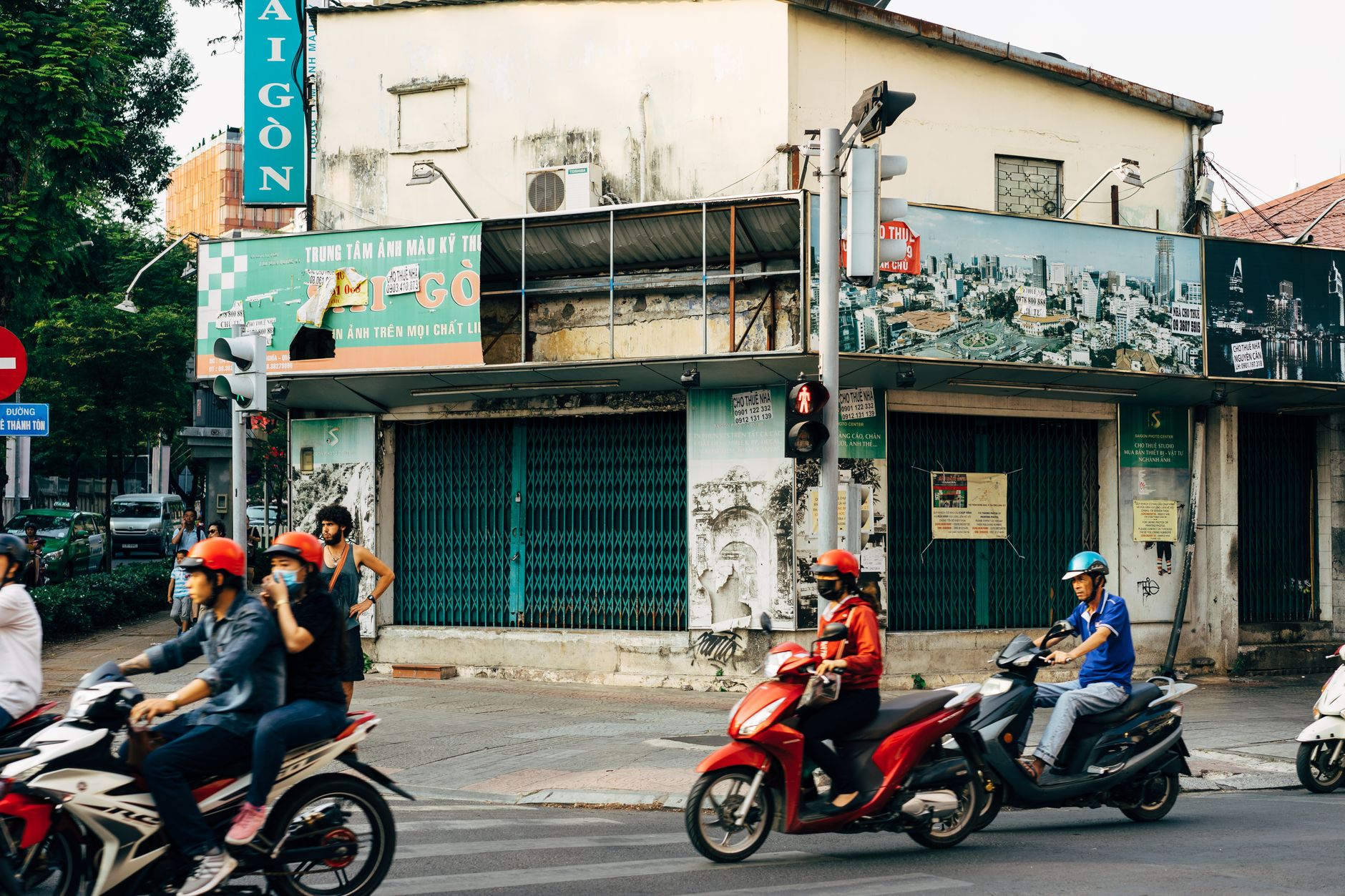
Photo by Luke Dang on Pexels
Practical notes
Best months to visit for food and weather: November through April, when seas are calm and the fishing fleet is most active. Getting between Duong Dong, Ham Ninh, and the pepper farms is easiest on a rented motorbike — 150,000–200,000 VND per day from any guesthouse. Most market and street food vendors are cash only; keep small notes on hand.
Last updated · May 26, 2026 · independently researched, never sponsored.