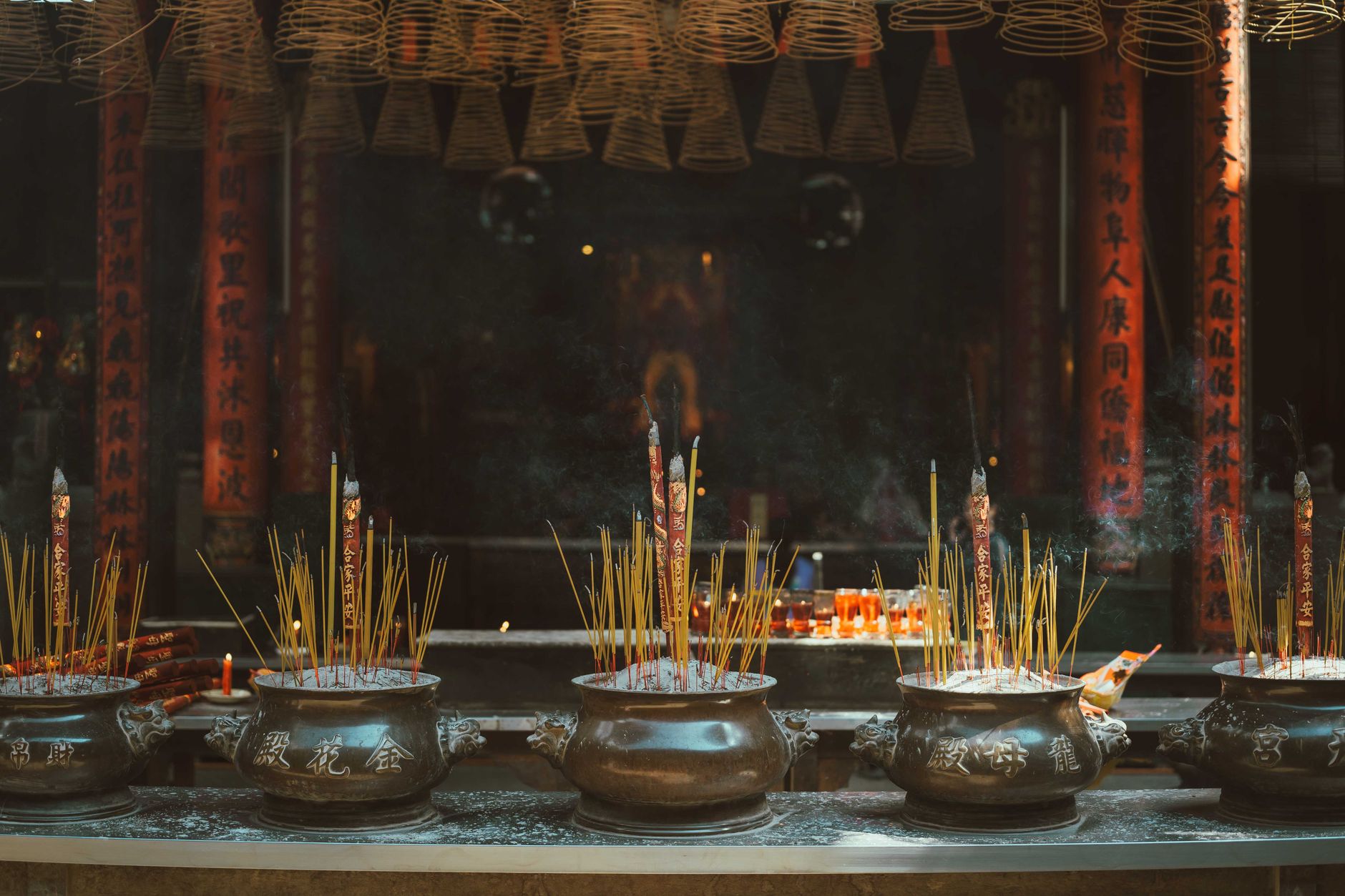
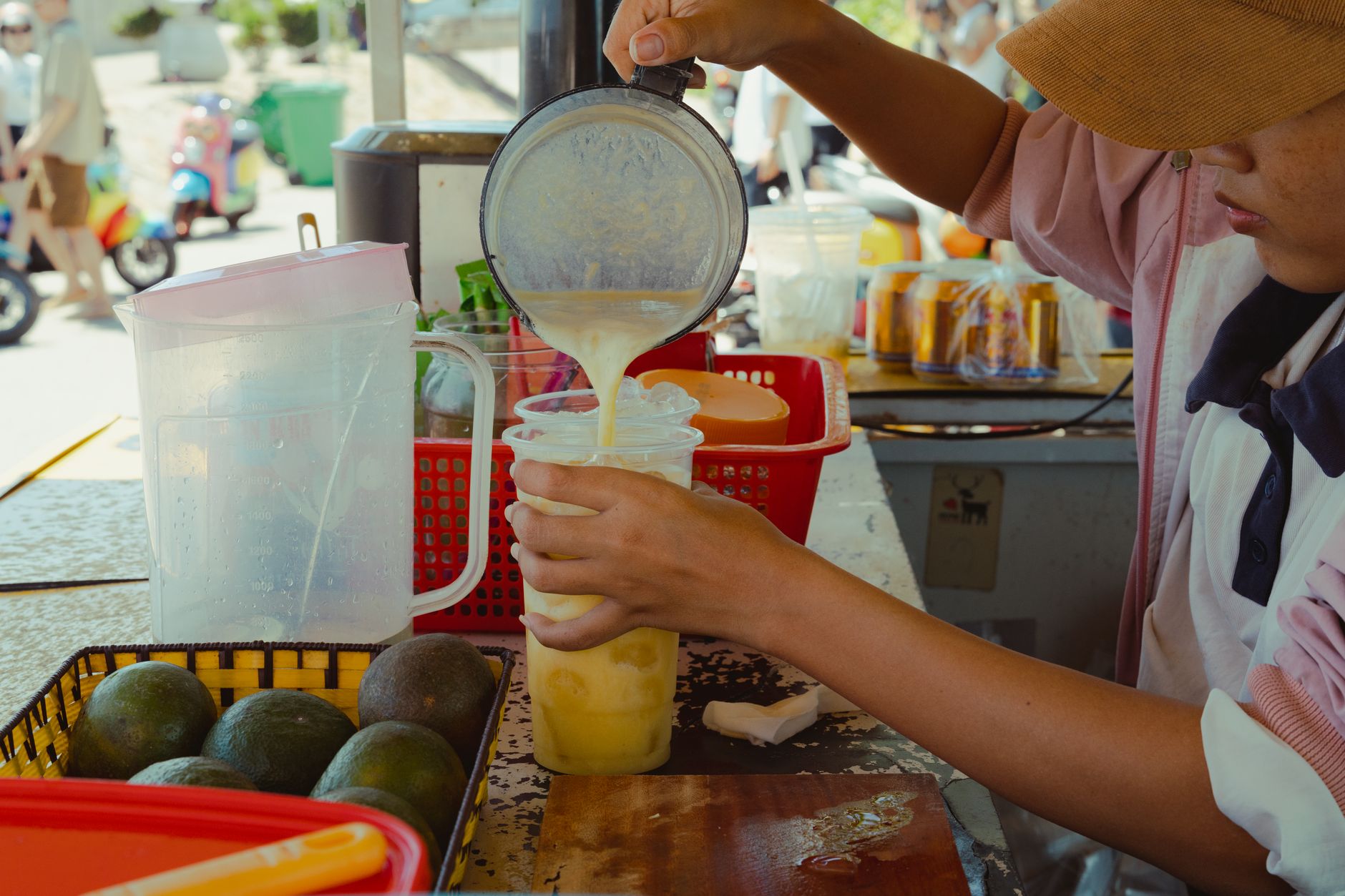
Pyramid-shaped, banana-leaf-wrapped, and deeply savory — "banh gio" is one of Hanoi's best street breakfasts, and most visitors walk right past it. It's not photogenic in the Instagram sense, it doesn't have an English sign, and it costs about 15,000 VND. That's exactly why it's worth hunting down.
What You're Actually Eating
Banh gio is a steamed rice flour dumpling shaped into a three-cornered pyramid, wrapped tight in banana leaf. The dough is silky and slightly translucent when cooked right — closer to a rice-flour skin than a bread. Inside: a filling of ground pork, wood ear mushroom, and occasionally a slice of lean pork or a quail egg. It's served warm, unwrapped at the table, usually with a splash of nuoc cham and sometimes a wedge of cha lua (Vietnamese pork sausage) on the side.
The tourist-facing version — found near Hoan Kiem Lake or in banh mi shops targeting backpackers — tends to be stodgy. The dough is too thick, the filling is underseasoned, and the whole thing sits under a heat lamp. The real banh gio is lighter, the pork is fragrant with shallots and pepper, and it arrives straight off a rolling steam cart or out of a pot that's been going since 5 a.m.
Where to Find the Real Thing
Banh Gio Ba Thin — 30 Hang Giay
This is the one locals in the Old Quarter actually eat. Ba Thin runs a cart-style setup from a narrow shopfront on Hang Giay, open from around 6 a.m. until she sells out — typically by 9:30 a.m. on weekdays, earlier on weekends. The dough-to-filling ratio is exactly right: thin, almost translucent skin with a generous pork and wood ear filling. One piece is 15,000 VND; most people eat two. Cash only, no seating beyond a couple of plastic stools on the pavement.
Hang Than Street Carts — Near the Junction with Quan Thanh
Hang Than is Hanoi (하노이 / 河内 / ハノイ)'s de facto cake street, and banh gio is part of the morning rotation. Two or three women set up steam carts between 6 a.m. and 10 a.m. near the Quan Thanh end of the street. No fixed stall name — you follow the steam. Prices here run 12,000–15,000 VND per piece. The version sold here is slightly smaller than Ba Thin's but notably cheaper and just as well made. This stretch also sells "banh cuon" and "banh duc" if you want to keep eating.
Cho Dong Xuan Market — Inner Stalls, Ground Floor
Dong Xuan Market has a food section most tourists never enter. Go past the fabric and household goods vendors toward the interior ground-floor stalls near the northern end. Two or three stalls here sell banh gio alongside hot soy milk and sticky rice. Open from around 5:30 a.m. to 11 a.m. The banh gio here is notably firmer — some locals prefer this texture, others don't. Worth trying for context. Price: 13,000–15,000 VND.
Banh Gio 96 Tue Tinh
This one operates in the Hai Ba Trung district, which puts it off the Old Quarter tourist circuit entirely. The woman running the stall has been at this address for over a decade; the cart appears around 6 a.m. and is gone by 8:30 a.m. most days. What's different here: she adds a small piece of cha lua inside each dumpling, which elevates the filling considerably. 18,000 VND per piece, which is the top of the price range for street banh gio but justified.
Late-Night Option — Pho Co Area, Around 26 Hang Buom
Banh gio is not only a breakfast food in Hanoi — it also appears as a late-night snack around 9 p.m. to midnight. A cart usually parks near the Hang Buom and Luong Ngoc Quyen intersection after dark, serving a slightly denser, more filling version aimed at people coming out of bia hoi sessions. The dough is a bit thicker at night (some say it's repurposed from unsold morning stock, others dispute this), but the price — 15,000 VND — and the atmosphere make it worth the stop.
Skip This Place
Any banh gio served in a tourist-facing cafe around Hoan Kiem that also sells "banh mi (반미 / 越式法包 / バインミー)", spring rolls, and pho on a laminated English menu. These are convenience purchases, not representative of the dish. The dough is invariably too thick, the filling bland, and you'll pay 25,000–35,000 VND for a worse product. It's not a scam, just a compromise — skip it if you can.

Photo by Quang Nguyen Vinh on Pexels
What Makes the Hanoi Version Distinct
Banh gio exists in other parts of Vietnam but the Hanoi version is the benchmark. The rice flour dough here is made with a specific ratio that keeps it soft without becoming gummy after cooling. The filling leans on white pepper and shallots rather than garlic, which gives it a more restrained, aromatic flavor. Further south, you'll find sweeter, heavier versions. Hanoi's is drier, more delicate, and falls apart cleanly when you cut it — a sign the flour ratio and steaming time are correct.
If you're exploring Hanoi's broader breakfast culture, banh gio fits naturally alongside a morning bowl of "pho" or a stop for "egg coffee" around 8 a.m. Most banh gio stalls are done by mid-morning, so build your day around an early start.
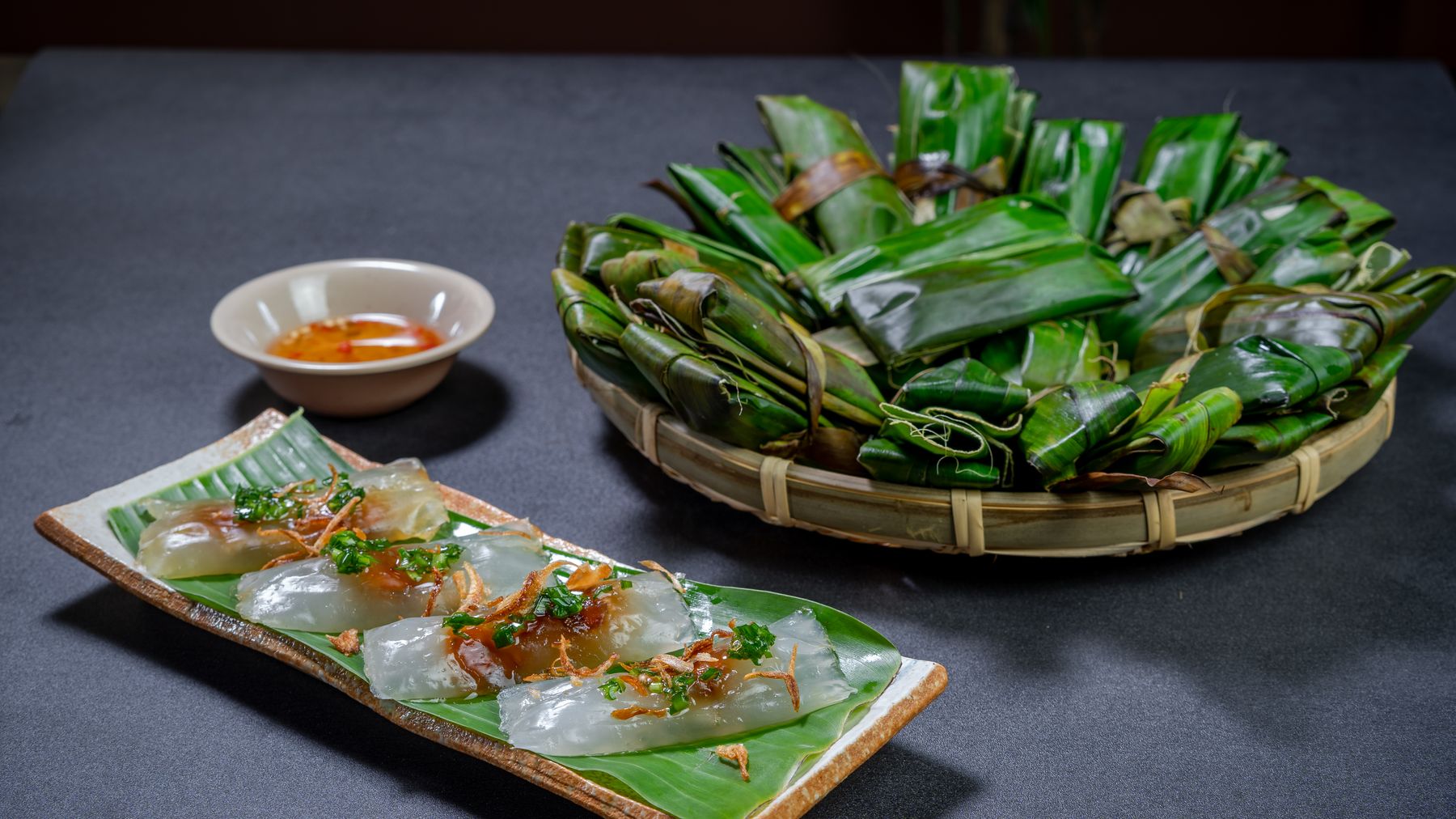
Photo by Hải Nguyễn on Pexels
Practical Notes
Bring exact change — 10,000 and 20,000 VND notes work fine. Most cart vendors don't speak English but the transaction is simple: hold up fingers for the number you want. Eat it warm, ideally within a few minutes of unwrapping; banh gio stiffens noticeably as it cools.
Last updated · May 29, 2026 · independently researched, never sponsored.