What Sapa is and why it matters
Sapa sits at roughly 1,500 meters elevation in the Hoang Lien Son range, about 350 km northwest of Hanoi. For decades it was a hill station — the French built villas here in the 1920s to escape delta heat — and today it functions as the main gateway to Fansipan (3,143 m), Vietnam (베트남 / 越南 / ベトナム)'s highest peak, and to the terraced valleys where Hmong, Dao, Tay, and Giay communities farm rice on near-vertical slopes.
Administratively, Sapa (사파 / 沙坝 / サパ) now falls under the expanded Lao Cai province (which merged with the former Yen Bai province in early 2025). For travelers, nothing changes on the ground — same roads, same town, same treks.
Why travelers go
Three reasons, mostly:
- Trekking through rice terraces — Muong Hoa Valley, Ta Van, Lao Chai, and the less-visited Nam Cang area offer walks from 2 hours to multi-day routes.
- Ethnic-minority homestays — sleeping in a Black Hmong or Red Dao wooden house, eating home-cooked dinners, and waking up inside a cloud.
- Fansipan — either the 2-day climb or the cable car (the world's longest tri-cable at 6.3 km), depending on your fitness and time.
Beyond that, Sapa works as a cool-weather reset. If you've been sweating through Hanoi or the coast, a few nights at 20°C with fog rolling through your window is genuinely restorative.
Best time to visit
Sapa has two standout windows:
- September to mid-October — rice terraces turn gold before harvest. The crowds are manageable, rain is tapering off, and the light is spectacular.
- March to May — dry, warming up, wildflowers blooming. Terraces are green but not yet flooded.
Avoid late December through February if you dislike cold fog. Temperatures drop to 5-8°C at night, visibility can be zero for days, and the terraces look brown and bare. That said, if you want Sapa without tourists, January midweek is almost empty.
The Tet holiday (late January or early February) brings domestic tourists in huge numbers — book well ahead or skip that window.
How to get there
From Hanoi
Sleeper bus (most common): Several operators run nightly sleeper buses from My Dinh or Nuoc Ngam stations. The ride is 5-6 hours, costs 250,000-350,000 VND, and drops you in Sapa town by early morning.
Train + transfer: Take the overnight train from Hanoi to Lao Cai city (8 hours, from 500,000 VND for a soft berth). From Lao Cai station, minibuses and taxis cover the 35 km up to Sapa in about 45 minutes (100,000-150,000 VND shared, or 400,000 VND private car).
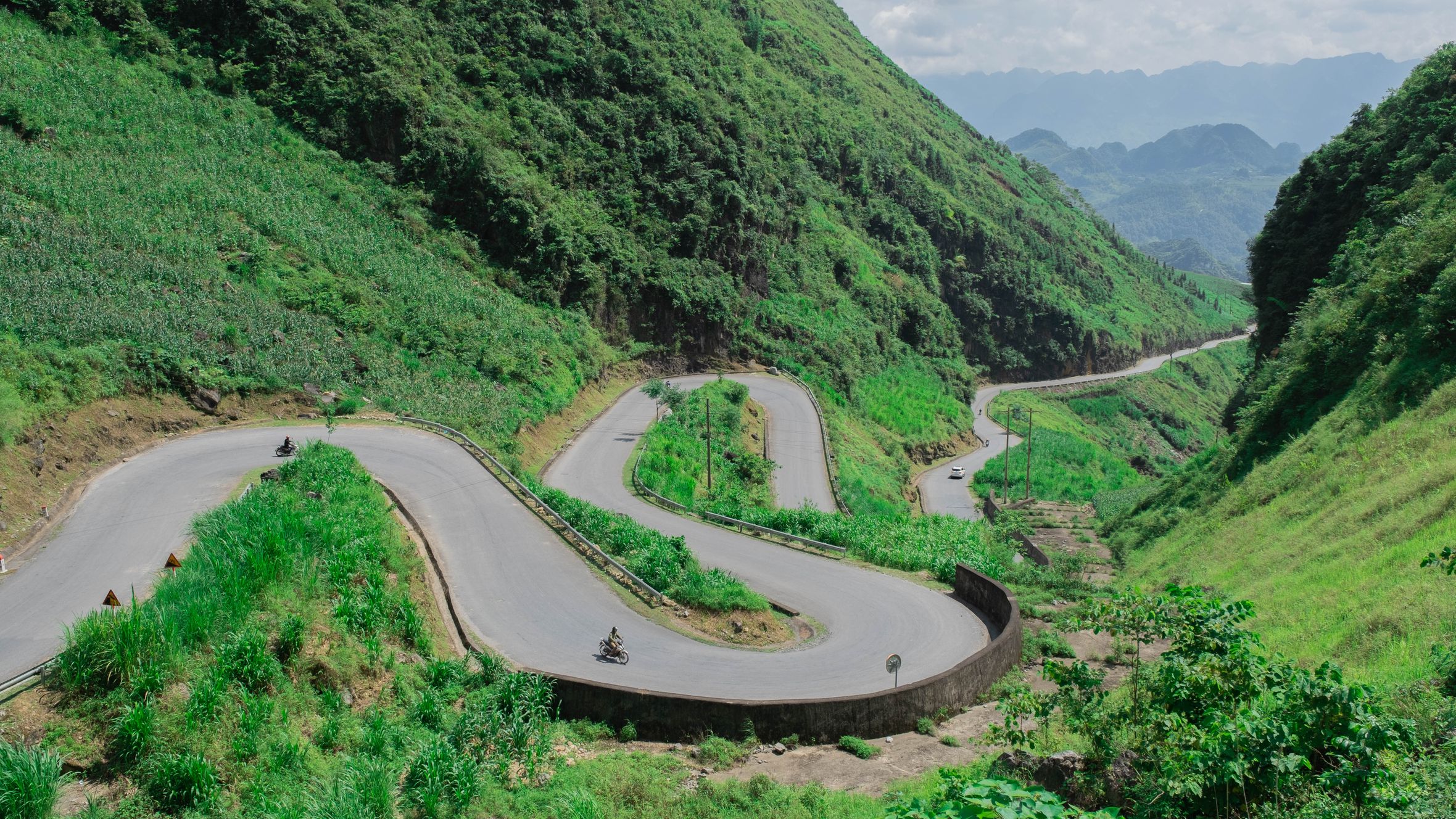
Private car or motorbike: Driving yourself takes about 5 hours via the Noi Bai–Lao Cai expressway. The final stretch from Lao Cai to Sapa is winding mountain road — beautiful but demanding if you're not used to Vietnamese traffic.
From Ha Giang or other northern points
No direct public bus connects Ha Giang to Sapa efficiently. Most travelers return to Hanoi or take a complicated local bus via Lao Cai. A private car transfer runs around 3,500,000 VND and takes 7-8 hours.
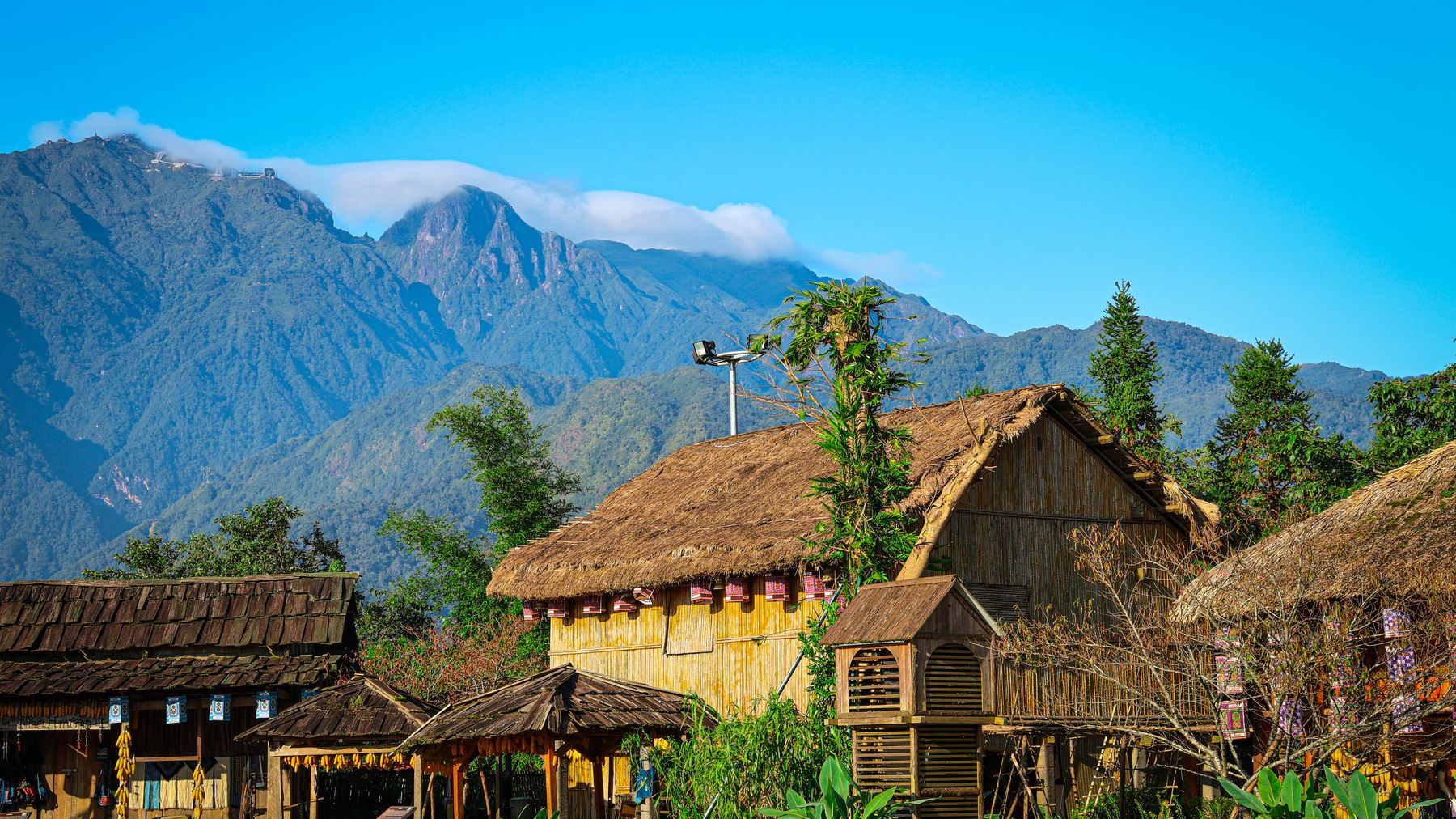
Photo by Haneul Trac on Pexels
What to do
Trek Muong Hoa Valley — The classic route from Sapa town down to Lao Chai village and on to Ta Van takes 4-5 hours one way. Hire a local Hmong guide (300,000-500,000 VND/day) rather than going through a big agency — more money stays in the community, and the conversation is better.
Fansipan summit — The cable car (750,000 VND round trip) gets you to the top in 20 minutes. The hiking route takes 2 days with a porter/guide and overnight camp. Both are worthwhile for different reasons.
Visit Cat Cat Village — Closest to town (2 km walk), touristy but still photogenic. Entry 100,000 VND. Go early morning before bus groups arrive.
Soak at Ta Phin hot springs — A 12 km drive from town. Red Dao herbal baths in wooden tubs cost around 150,000 VND per session. Good for post-trek legs.
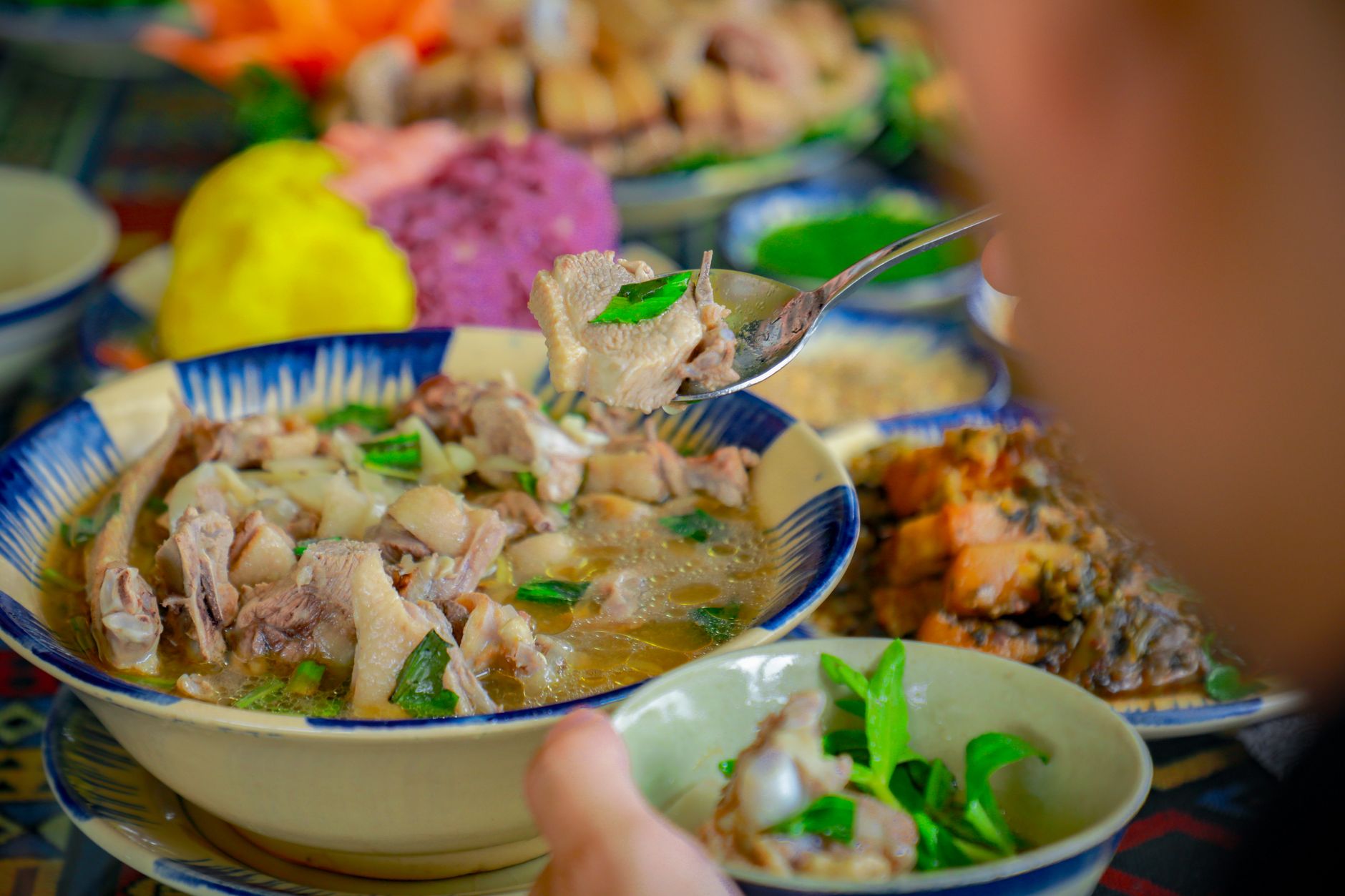
Sunday market at Bac Ha — Technically 90 minutes from Sapa, but many travelers combine it. Flower Hmong traders sell livestock, textiles, and "thang co" (horse meat stew) from massive cauldrons.
Where to eat
Sapa town has a surprisingly decent food scene for its size:
- "Thang co" — the Hmong horse-meat hotpot. Intense, herbal, not for the timid. Try the stalls on Thach Son Street near the market.
- "Com lam" — sticky rice cooked inside bamboo tubes, sold by Tay women along the trekking paths. About 20,000 VND per tube.
- Grilled stream fish — trout farms dot the valley. Little Sapa restaurant on Muong Hoa Street does a good one with ginger and turmeric.
- Vietnamese coffee is everywhere, but The Hill Station Deli and Boutique on Muong Hoa does a proper drip setup with Sapa-grown beans.
- For something familiar, A Quynh on Cau May Street serves solid pho and bun with mountain mushrooms.
Budget around 80,000-150,000 VND per meal at local spots. Tourist-facing restaurants charge 200,000-400,000 VND.
Where to stay
Budget (300,000-600,000 VND/night): Hostels and basic guesthouses line Cau May and Muong Hoa streets. Sapa Capsule is clean and social. Many homestays in Ta Van or Lao Chai villages fall in this range too.
Mid-range (800,000-1,500,000 VND): Sapa Clay House and Sapa Horizon have valley views and decent breakfast. Book rooms facing the valley — the town-facing side gets street noise.
Upper (2,000,000+ VND): Topas Ecolodge (20 km out, stunning terrace position), Hotel & Spa Victoria Sapa (colonial style, pool, central), or Silk Path Grand.
Homestays
The best Sapa experience, honestly. Hmong and Dao families in Ta Van, Lao Chai, and Nam Cang host travelers for 250,000-500,000 VND including dinner and breakfast. Conditions are basic — shared bathroom, thin mattress, possibly a rooster alarm at 4 AM — but the setting and hospitality are real.

Photo by Quý Nguyễn on Pexels
Practical tips
- Layers. Even in summer, mornings and evenings are cool. In winter, bring a proper jacket — not just a hoodie.
- Cash. ATMs exist in Sapa town (Agribank, BIDV on Cau May) but villages are cash-only. Bring enough VND before trekking.
- Leeches appear on wet trails June-August. Tuck pants into socks, carry salt or a lighter.
- Altitude is mild (1,500 m) but if you're coming straight from sea level and doing Fansipan, drink water and take it slow on day one.
- Bargaining at the market is expected, but don't grind Hmong textile sellers down to nothing. Their embroidery takes weeks. Paying a fair price is part of being here.
Common mistakes
- Booking a one-night tour from Hanoi — you arrive exhausted, rush through a half-day trek, and leave. Two nights minimum; three is better.
- Only staying in Sapa town — the town itself is a construction site of hotels. The magic is in the valleys. Sleep in a homestay at least one night.
- Ignoring weather forecasts — Sapa fog can last days. Check Windy or Yr.no before committing to Fansipan if clear views matter to you.
- Skipping Bac Ha for Cat Cat — Cat Cat is fine, but Bac Ha's Sunday market is one of the most genuine ethnic-market experiences left in northern Vietnam.
Practical notes
Sapa works as a 2-4 night side trip from Hanoi, or as a stop on a longer northern loop that includes Ha Giang or Mai Chau. The sleeper bus makes it easy to slot in without losing a daytime travel day. Go for the terraces, stay for the cold mornings and the sound of water running through rice paddies at dawn.
Last updated · May 29, 2026 · independently researched, never sponsored.