What Tam Chuc actually is
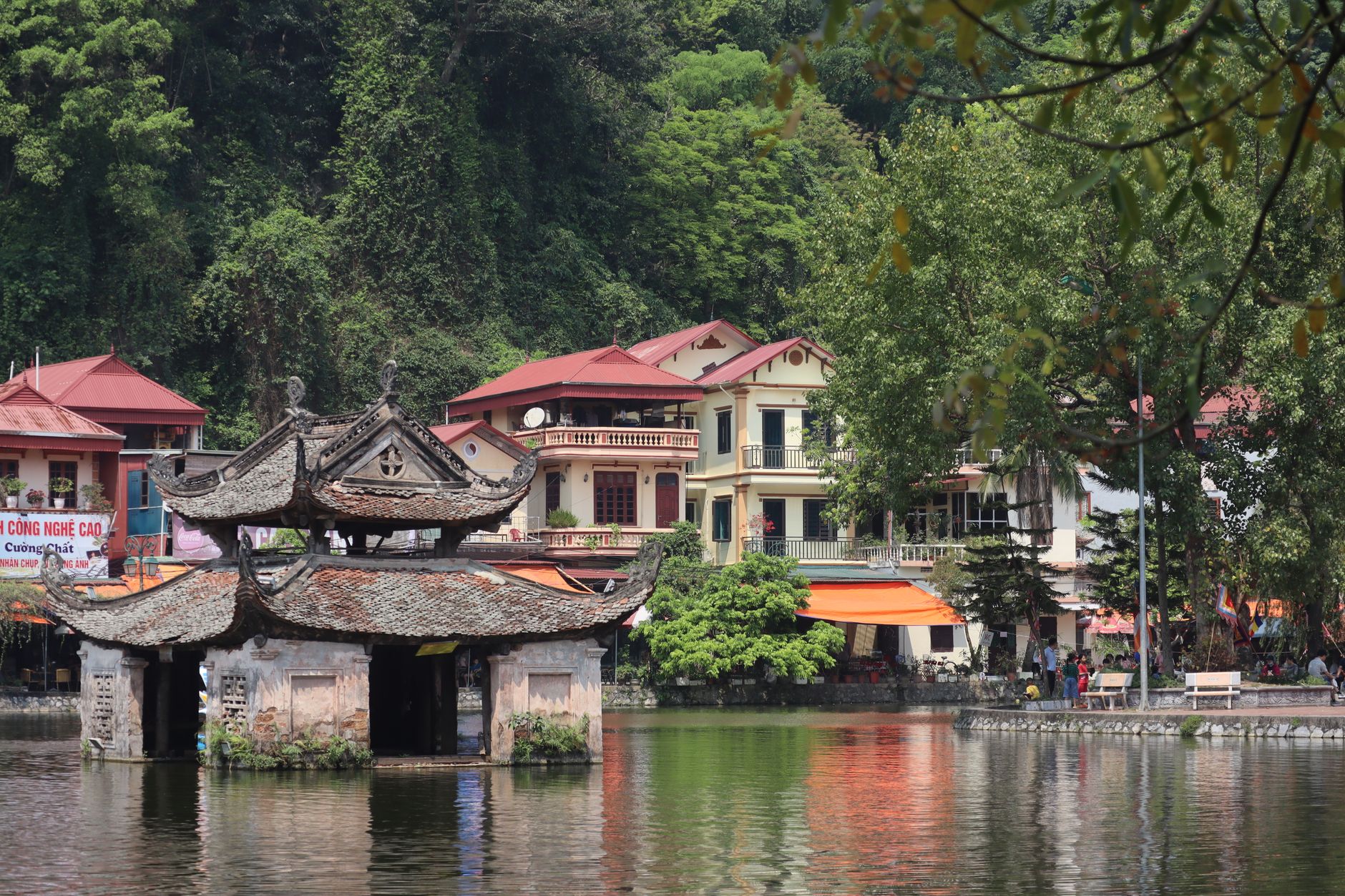
Tam Chuc is a sprawling Buddhist complex built around a series of limestone karsts and a 600-hectare lake, roughly 60 km south of Hanoi. It holds the title of the largest pagoda complex in Vietnam, and depending on who you ask, one of the largest in Southeast Asia. The site covers about 5,000 hectares in total — the pagoda buildings themselves are only a fraction of the area. Most of the space is water, rice paddies, and karst formations that look a lot like the scenery around Ninh Binh (닌빈 / 宁平 / ニンビン)'s more famous Tam Coc boat rides.
The complex was inaugurated in 2019, built to host the United Nations Day of Vesak celebration that year. So unlike most Vietnamese pagodas, Tam Chuc doesn't have centuries of incense smoke layered into its walls. It's modern, enormous, and deliberately designed as a pilgrimage-scale destination. The main structures — Ngoc pagoda, Tam The pagoda, and the Dharma Hall — sit at different elevations along the karst ridgeline, connected by stone paths and electric cart routes.
Why travelers go
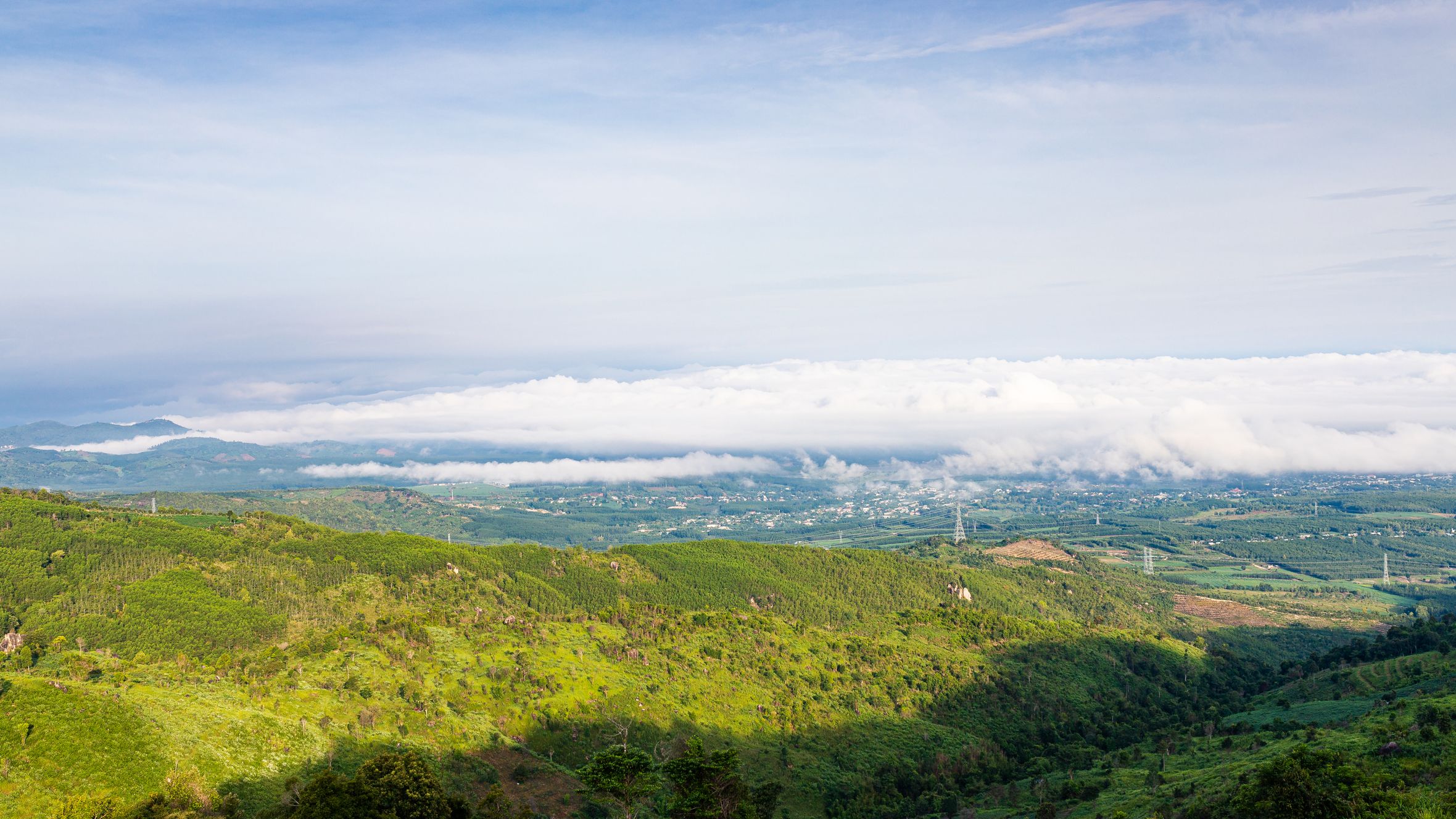
The honest answer: the setting. The pagoda architecture is impressive in scale but brand-new, so if you're after ancient temple atmosphere, Bai Dinh or the temples around Hoa Lu will feel more lived-in. What Tam Chuc has is location. The lake, the karsts rising out of it, the mist that sits low on winter mornings — the geography does the heavy lifting here.
It's also significantly less crowded than Ninh Binh's core attractions on normal weekdays. During Tet and the spring festival season (roughly January through March), that changes dramatically — hundreds of thousands of domestic pilgrims visit, and the site gets genuinely packed. Outside those windows, you can have long stretches of the lake paths mostly to yourself.
Best time to visit
The sweet spot is October through December or April through May. You get cooler or mild weather without the peak festival crowds.
- January–March: Lunar New Year and spring pilgrimage season. Expect massive crowds, long queues for boats, and a festive but chaotic atmosphere. If you want to experience a Vietnamese Buddhist pilgrimage at full intensity, this is when to come. Otherwise, avoid.
- June–September: Hot and humid. Afternoon rain is common. The lake looks good in moody weather, but walking between pagodas in 38°C heat is rough.
- October–December: Dry, cooler temperatures (18–25°C), thin crowds. Best window for photography and actually enjoying the site at a relaxed pace.
How to get there from Hanoi
Tam Chuc is about 60 km southwest of central Hanoi (하노이 / 河内 / ハノイ), in what was formerly Ha Nam province (now administratively part of the greater Ninh Binh area).
- By car or motorbike: Take the route via National Highway 1A south, then cut west toward Kim Bang. Expect about 1.5 hours from central Hanoi depending on traffic. If you're riding a motorbike, the last stretch through rice paddies is pleasant.
- By bus: Catch a bus from Giap Bat station heading toward Phu Ly (around 60,000–80,000 VND). From Phu Ly, you'll need a local taxi or Grab to Tam Chuc, about 12 km further — roughly 80,000–120,000 VND.
- By private car/Grab: A one-way Grab from Hanoi runs around 400,000–550,000 VND. Probably the most comfortable option if you're not renting a motorbike.
If you're already based in Ninh Binh city for visiting Tam Coc or Hoa Lu, Tam Chuc is about 30 km north — an easy 40-minute drive.
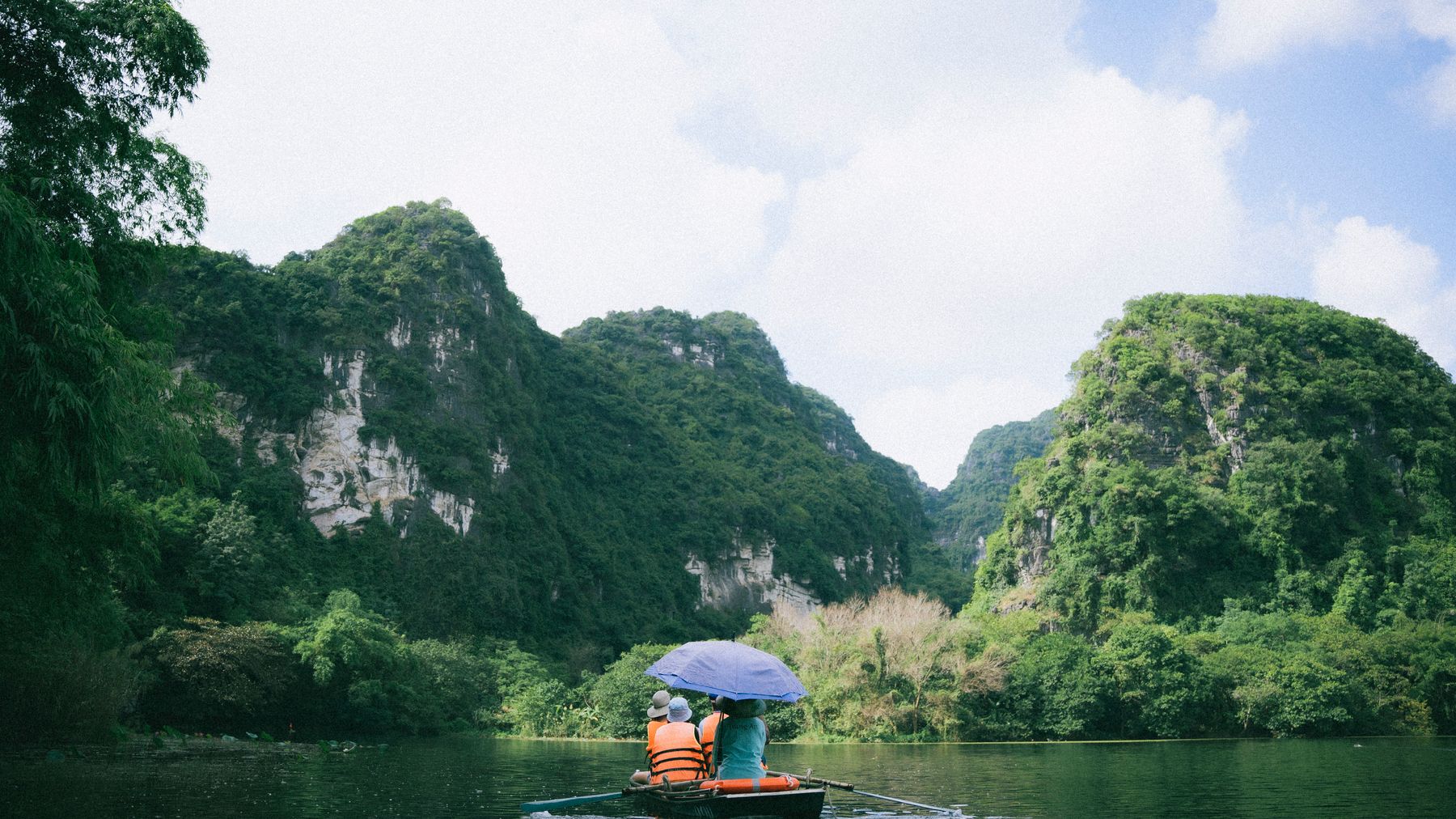
Photo by Bid on Pexels
What to do
Take the electric boat across the lake
This is the main experience. Boats cross the lake from the visitor center to the pagoda complex, weaving between karst islands. The ride takes about 15–20 minutes. Ticket price is 200,000 VND per person (as of 2024), which includes the return trip and electric cart access within the complex. The boats are quiet — electric, not diesel — and the route passes close enough to the karsts to see the vegetation clinging to the rock faces.
Walk up to Ngoc Pagoda
The highest point in the complex. It's a stone-step climb (or you can take an electric cart partway), and the view from the top covers the full lake and surrounding valleys. On a clear day, the karst formations stretch out in every direction. Get there early in the morning for the best light and the fewest people.
Explore the Dharma Hall
The Tam The hall houses three enormous bronze Buddha statues, each around 12 meters tall. The interior is dim and deliberately imposing. Whether or not you're interested in Buddhism, the craftsmanship of the stone carvings on the exterior walls — depicting scenes from Buddhist scripture — is worth a slow walk around.
Cycle or walk the lake perimeter
Most visitors stick to the boat-to-pagoda route and leave. If you have time, the paths around the lake's edges pass through quieter areas with views of the karsts reflected in the water. There's no formal bike rental at the complex, but if you came by motorbike, you can ride sections of the perimeter road.
Visit during a ceremony
If your timing overlaps with a full moon or new moon day (the 1st and 15th of the lunar month), the pagoda holds ceremonies that draw local worshippers. It's a more atmospheric experience than visiting on a random Tuesday.
Where to eat nearby
Tam Chuc itself has a handful of overpriced food stalls inside the complex — functional but forgettable. Better to eat before or after.
In the surrounding area, look for "com binh dan" (everyday rice) shops along the main road approaching Tam Chuc, where a filling plate of rice with pork, vegetables, and broth runs 35,000–50,000 VND. The region is also known for goat meat — "thit de" — served grilled on hot stones or in a hotpot. There are several goat restaurants along the road between Phu Ly and the Tam Chuc area, with meals running 150,000–250,000 VND per person.
If you're heading back toward Ninh Binh after, the city has solid "bun cha" and "com tam" options along Tran Hung Dao street.
Where to stay
Most travelers visit Tam Chuc as a day trip from Hanoi or as a stop en route to Ninh Binh. There's limited accommodation right at the complex.
- Budget: Guesthouses in Phu Ly town, 10–12 km away. Basic but clean rooms from 250,000–400,000 VND/night.
- Mid-range: Homestays around the Ninh Binh area, 30 km south. Expect 500,000–900,000 VND/night with breakfast.
- Comfortable: Hotels in Ninh Binh city or the Tam Coc area offer more variety, from 700,000 VND up to 2,000,000 VND for nicer boutique spots.
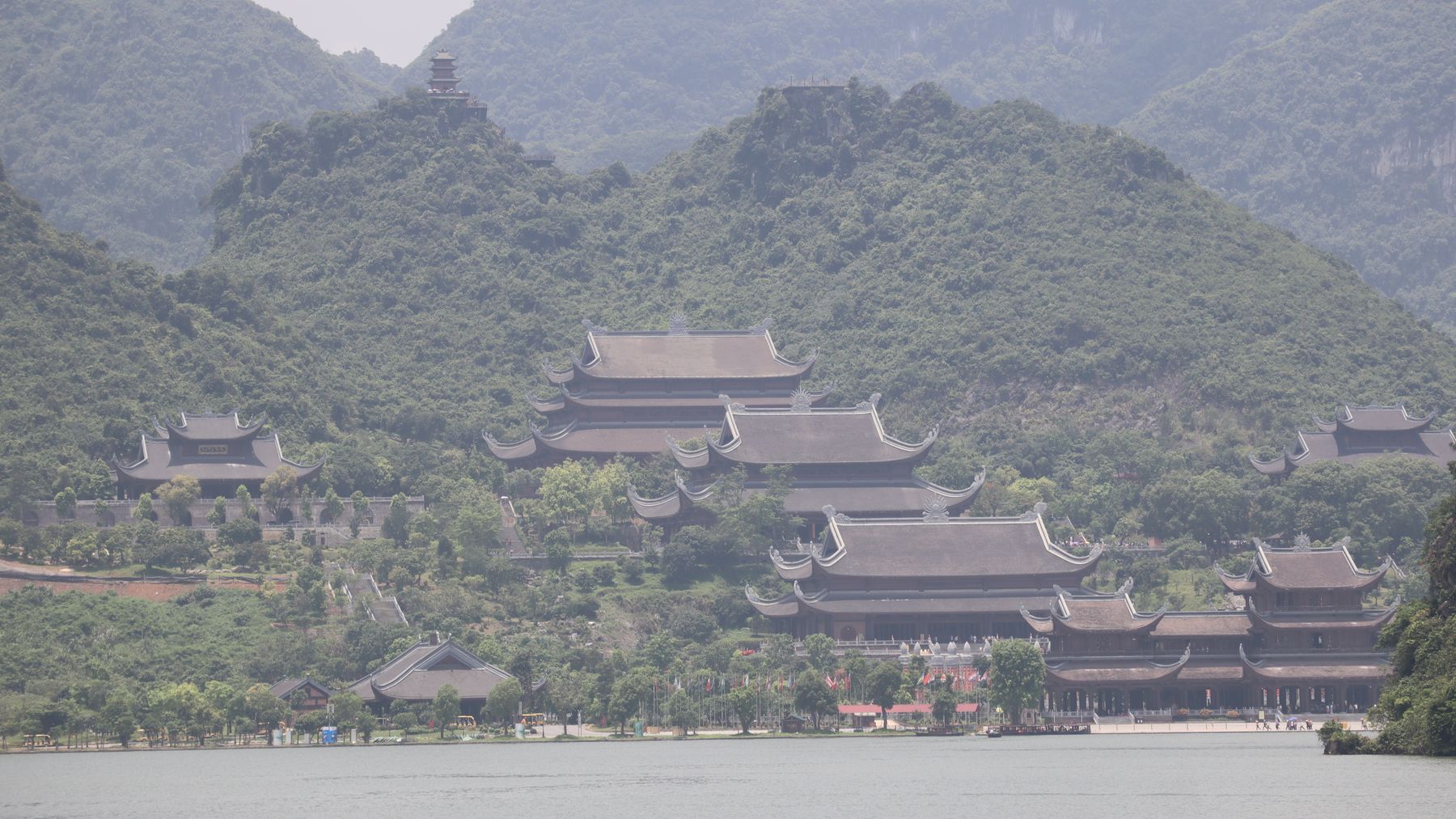
Photo by Hoàng Anh on Pexels
Practical tips locals would tell you
- Bring your own water and snacks. Prices inside the complex are marked up significantly.
- Wear shoes you can walk in. The stone paths between pagodas involve steps and uneven surfaces. Flip-flops will slow you down.
- Start early. Gates open at 6:00 AM. Arriving by 7:00–7:30 means shorter boat queues and softer morning light on the lake.
- Dress modestly. This is an active religious site. Shoulders and knees covered — you'll see signs, and staff may turn away visitors in shorts or tank tops at the pagoda entrances.
Common mistakes to avoid
- Coming during Tet / 越南春节 / テト) week without expecting the crowds. The site can receive over 50,000 visitors in a single day during peak pilgrimage season. If that's not your thing, check the lunar calendar before booking.
- Treating it as a quick stop. Rushing through in an hour means you'll ride the boat, glance at one pagoda, and leave. Give it at least 3–4 hours to walk between the main sites and enjoy the lake.
- Skipping it because it's new. Yes, Tam Chuc lacks the patina of older Vietnamese pagodas. But the landscape it sits in has been here for millions of years. The karsts and the water are the real attraction — the pagoda complex just gives you a reason to be among them.
Practical notes
Tam Chuc pairs well with a broader Ninh Binh trip — hit Tam Coc, Hoa Lu, and Bai Dinh over two to three days and add Tam Chuc as a half-day. Entry and boat fees may change, so confirm at the gate. If you're coming from Hanoi without your own wheels, a private car for the day (round trip plus waiting time) typically runs 1,200,000–1,500,000 VND — split between two or three people, it's reasonable.
Last updated · May 29, 2026 · independently researched, never sponsored.