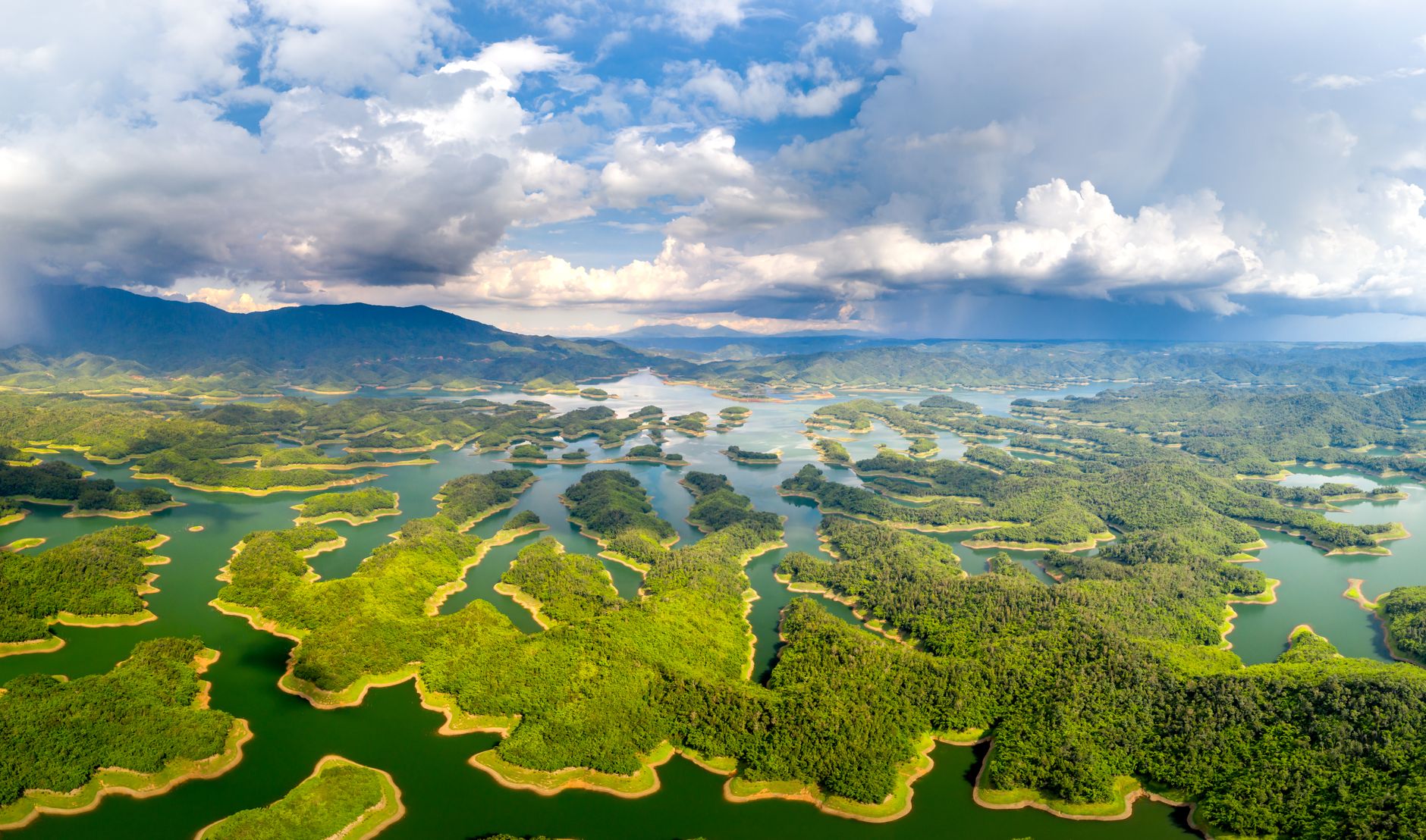
What Tam Dao Is and Why It Matters
Tam Dao is a small hill station town perched at roughly 900 meters along the Tam Dao mountain range, about 80 km northwest of Hanoi. The French built it in 1904 as a summer retreat — a miniature Da Lat for the Tonkin region — and you can still spot the bones of old colonial villas crumbling into the fog along the main road. The town itself is compact, basically one street that curves along a ridgeline, lined with hotels, restaurants, and vendors selling grilled corn and "su su" (chayote), the local crop that grows on seemingly every available surface.
For decades, Tam Dao has been a weekend escape for Hanoians. It doesn't get the international attention that Sapa or Da Lat (달랏 / 大叻 / ダラット) pull in, which is part of what keeps it interesting. The crowd here is almost entirely Vietnamese — families, couples, groups of university students — and the town has a domestic holiday atmosphere that feels distinctly different from the backpacker circuit.
Why Travelers Go
The draw is simple: cool air and proximity to Hanoi (하노이 / 河内 / ハノイ). In the summer months, when the capital sits at 38°C with 90% humidity, Tam Dao hovers around 18-25°C. The temperature difference is immediate and physical — you feel it the moment you step out of the car at the top of the mountain pass. Beyond the climate, the surrounding Tam Dao National Park covers over 36,000 hectares of forest, and the town is a base for day hikes and birdwatching. There's also a particular pleasure in wandering a Vietnamese hill town that hasn't been redesigned for foreign tourists.
Best Time to Visit
Tam Dao works year-round, but each season has trade-offs.
April to June is the sweet spot. Temperatures are comfortable (18-22°C), the forest is green, and weekday crowds are thin. July and August bring the heaviest domestic tourism — weekends get packed and hotel prices spike 30-50%. September to November offers cool weather and occasional clear days with long views across the delta. December to February is genuinely cold, sometimes dropping to 5-8°C with thick fog that can last days. If you like that moody, socked-in atmosphere, winter has a particular appeal. Just bring layers — most budget hotels don't have heating.
Avoid major Vietnamese holidays, especially Tet and the April 30 long weekend, unless you enjoy gridlock on a mountain road.
How to Get There from Hanoi
Tam Dao is one of the easiest hill stations to reach from Hanoi. The drive takes about 1.5-2 hours depending on traffic.
By motorbike: The most popular option for independent travelers. Head northwest on the highway toward Vinh Yen, then follow signs up the 24 km mountain road (QL2B). The climb is scenic, with sharp switchbacks through forest — experienced riders only. Fuel up before the ascent.
By car or taxi: A private Grab car from central Hanoi runs roughly 800,000-1,200,000 VND one way. Some drivers are reluctant to make the mountain climb, so confirm before booking.
By bus: Catch a bus from My Dinh station to Vinh Yen (about 60,000-80,000 VND, 1.5 hours), then take a local bus or xe om (motorbike taxi) the remaining 24 km up the mountain (around 100,000-150,000 VND).
There's no direct tourist shuttle. This is a DIY destination.

Photo by Dongdilac on Pexels
What to Do
Walk the Main Strip at Dusk
Tam Dao's single main road is the social center. In the late afternoon, fog often rolls in and the town takes on a cinematic quality — vendors fire up charcoal grills, families stroll, and visibility drops to about 50 meters. It's a good place to just be present. Pick up grilled "ngo" (corn) or roasted sweet potatoes from street vendors for 15,000-20,000 VND.
Hike to the Silver Waterfall (Thac Bac)
A well-marked trail leads from the town center to Thac Bac, about a 2 km walk through national park forest. The waterfall is modest but the trail itself is the point — dense canopy, mossy rocks, birdsong. Allow 1-1.5 hours round trip. Entry to the national park area costs 20,000 VND.
Visit the Ruined French Villas
Scattered along the ridgeline are the remains of early 20th-century French colonial buildings, most reduced to stone walls and empty window frames swallowed by vegetation. They're not restored or signposted — you just stumble on them. The largest cluster sits near the old church ruins at the western end of town.
Climb to Thien Thi Peak
For a more serious hike, the trail to Thien Thi (one of the three peaks that give Tam Dao — "Three Islands" — its name) takes 3-4 hours round trip and requires decent fitness. The path gets slippery after rain. Hire a local guide at the national park office for around 300,000-500,000 VND — the trail isn't always obvious.
Tam Dao National Park Birdwatching
The park is home to over 200 bird species. Early morning, before the tourist crowds arrive, is prime time. Serious birders sometimes arrange multi-day trips through Hanoi-based nature guides.
Where to Eat
Tam Dao's signature ingredient is "su su" — chayote — which appears in stir-fries, soups, and salads at every restaurant in town. The young shoots are the prized part, tender and faintly sweet. Order "su su xao" (stir-fried chayote shoots) at any local spot for 40,000-60,000 VND.
The other local specialty is "ga doi" (hill chicken), free-range birds from surrounding farms. Grilled or steamed with lime leaves, it's leaner and more flavorful than lowland chicken. A whole chicken runs 250,000-400,000 VND at most restaurants along the main road. Pair it with sticky rice and a cold Hanoi beer.
For something familiar, a few places serve decent "pho" and "bun cha", though these aren't the reason to eat here.
Where to Stay
Accommodation ranges from basic guesthouses to mid-range hotels. Don't expect luxury — this is a domestic hill station, not a resort town.
- Budget (300,000-500,000 VND/night): Simple rooms with hot water and blankets. Midweek you can negotiate. Many are family-run with minimal English.
- Mid-range (600,000-1,200,000 VND/night): Cleaner rooms, sometimes with valley-facing balconies. A few have fireplaces or space heaters for winter.
- Upper range (1,500,000-3,000,000 VND/night): A handful of newer boutique-style hotels with better fixtures. Belvedere Resort is the most established upscale option.
Book ahead for weekends May-August. Midweek in shoulder season, you can walk in and pick a room.
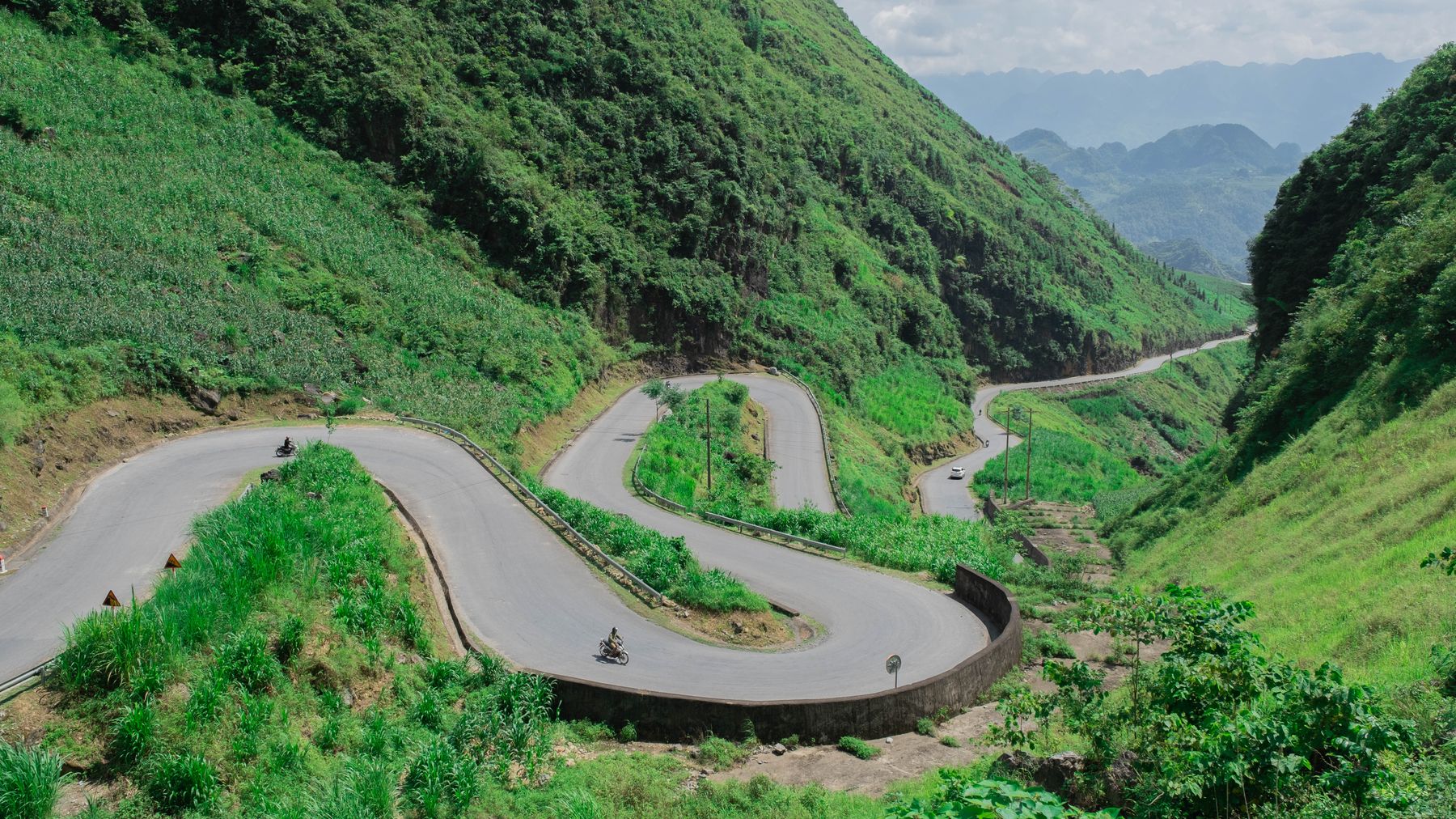
Photo by Quang on Pexels
Practical Tips Locals Would Tell You
- Bring a rain jacket regardless of forecast. Tam Dao generates its own weather. Clear skies in Hanoi mean nothing up here.
- The mountain road has no guardrails in places. If you're on a motorbike, take the switchbacks slowly, especially in fog. Locals drive this road fast.
- Cash is king. ATMs exist but aren't always reliable. Bring enough VND for your stay.
- Weekday visits are dramatically better. The difference between a Tuesday and a Saturday in summer is the difference between a quiet mountain town and a parking lot.
Common Mistakes to Avoid
- Treating it as a full-week destination. One night, two days is the right amount for most travelers. There's not enough to fill a longer stay unless you're a serious hiker or birder.
- Expecting Sapa or Da Lat. Tam Dao is smaller, simpler, and less developed for tourism. That's the appeal, but calibrate your expectations.
- Driving up in heavy fog without experience. The mountain road in zero visibility is genuinely dangerous. If the fog is thick, wait it out or take a car with a local driver.
- Skipping the forest for the town. The main strip is fine for an evening, but the national park trails are where Tam Dao earns its reputation.
Practical Notes
Tam Dao works best as a short escape from Hanoi — close enough for an overnight trip, different enough to feel like you've gone somewhere. It's not trying to compete with the bigger destinations, and that's exactly what makes it worth the drive up.
Last updated · May 29, 2026 · independently researched, never sponsored.