"Thang co" is a horse-meat stew that has been simmered over open fires at Hmong and Dao markets in the northern highlands for generations. It is not a dish that was designed with tourists in mind, and that tension — between something genuinely local and a town now built around visitors — is exactly what you navigate when you try to eat it in Sapa.
What Thang Co Actually Is
The base is horse meat, sometimes supplemented with organ cuts — liver, intestine, lung — cooked low and slow in a cast-iron pot with a spice mix that typically includes "mac khen" (Sichuan pepper from the mountains), ginger, lemongrass, and dried chili. At the original market setting in Bac Ha, a town about 60 km east of Sapa (사파 / 沙坝 / サパ), vendors have been ladling it out of communal pots since dawn on Sunday market days. The flavor is deep, faintly gamey, and warming in a way that makes sense at 1,500 meters in the cold season.
Sapa's versions are tamer. Most restaurants targeting foreign visitors tone down the organ content and increase the broth-to-meat ratio. Whether that bothers you depends on what you came for.
The Family Question
Traveling with children does not disqualify you from eating thang co, but it does narrow your options. The Sunday market at Bac Ha — the most authentic context — involves crowded alleys, butchered animals in plain view, and no child-sized portions. It is a great experience for older kids who are curious about where food comes from; less ideal if yours are under seven or easily overwhelmed.
In Sapa town itself, a handful of spots serve thang co in a sit-down environment with tables, menus in English, and enough distance from the prep work that the meal stays calm.

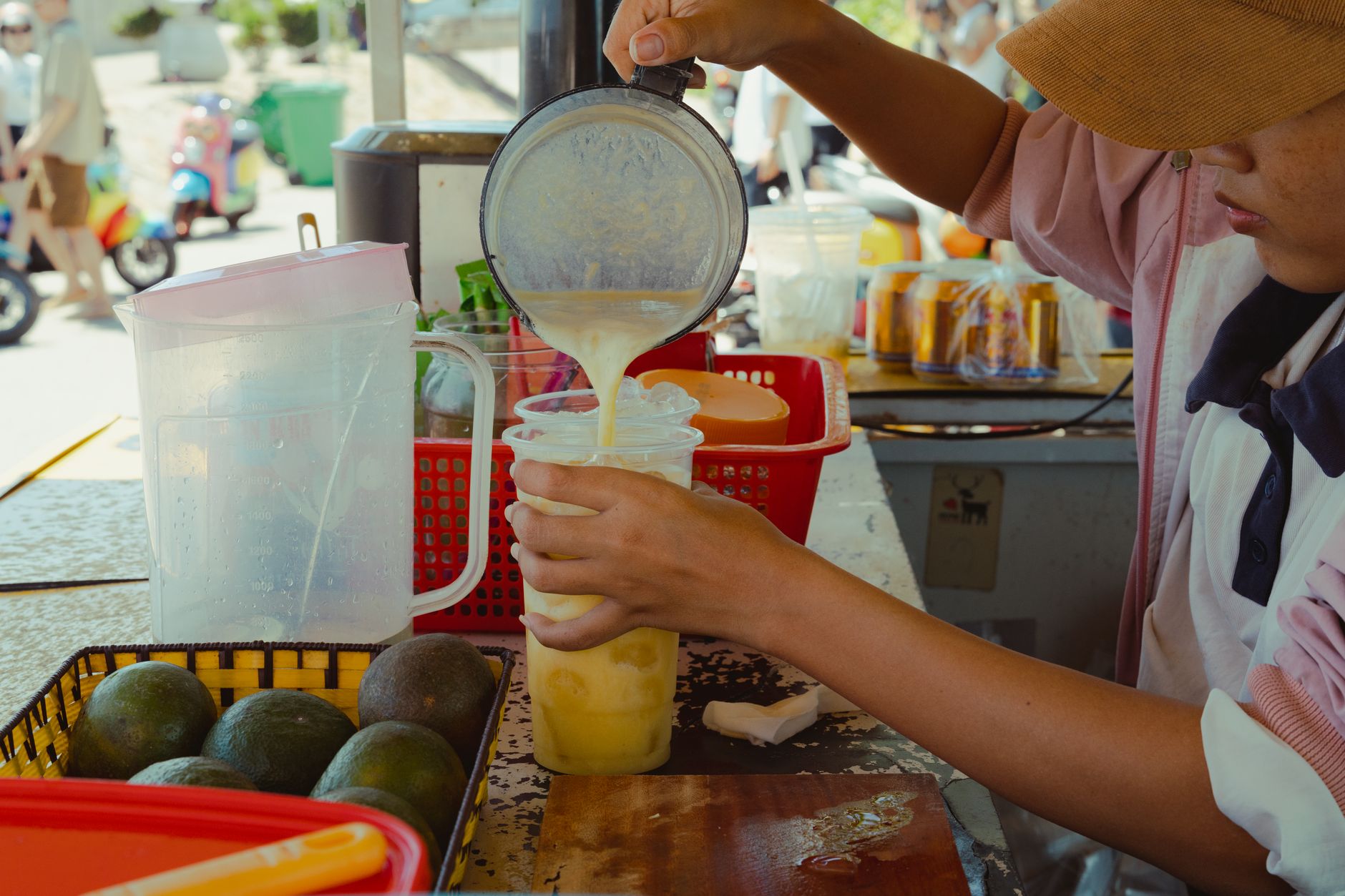
Photo by Duong Nguyen on Pexels
Where to Eat
Co May Restaurant
On Dong Loi street, a short walk uphill from the main market square, Co May has been serving thang co to a mixed crowd of local Kinh visitors and foreign tourists for several years. They use horse meat with minimal offal — you can ask for a pot without organ cuts and they will accommodate it. A clay pot for two people runs around 120,000–150,000 VND and comes with a plate of fresh herbs, a small dish of chili salt, and steamed rice or corn cake on the side. The dining room is enclosed and heated in the cold months, which matters more than you might think in January.
Families with younger children tend to do well here because the staff are used to explaining the dish and the pacing is unhurried. Open from around 10:00 to 21:00 daily.
Hmong Sisters
Closer to the church plaza on Cau May street, Hmong Sisters runs a short menu of northern highland dishes that includes thang co alongside "banh cuon" and grilled corn. The thang co here leans slightly sweeter than Co May's — they add more star anise — and the portion sizes are generous. Around 100,000 VND per person. It is a smaller space, maybe eight tables, and can fill up around 12:30–13:30 on weekends, so arriving before noon or after 14:00 is the move. Open daily 09:00–20:00.
Market Stalls on Saturday
If you are in Sapa on a Saturday, the lower market area near the town center has a cluster of Hmong vendors who set up communal pots from around 08:00 to sell thang co by the bowl. Expect to sit on a low plastic stool, share a table with strangers, and pay 40,000–60,000 VND per bowl. This is closer to the Bac Ha experience. Not all kids will go for it, but adventurous ones often enjoy the novelty. Bring your own extra patience for the wait if it is busy.
A Word on Bac Ha
If your itinerary has any flexibility, consider building a Sunday around Bac Ha market. The drive from Sapa takes roughly 90 minutes on winding provincial roads — doable with older children, rough with toddlers who get carsick. Thang co at Bac Ha costs 50,000–80,000 VND a bowl and tastes noticeably different: heavier spicing, more char from an open fire, more of the full-animal approach. It is the original context, and it shows.

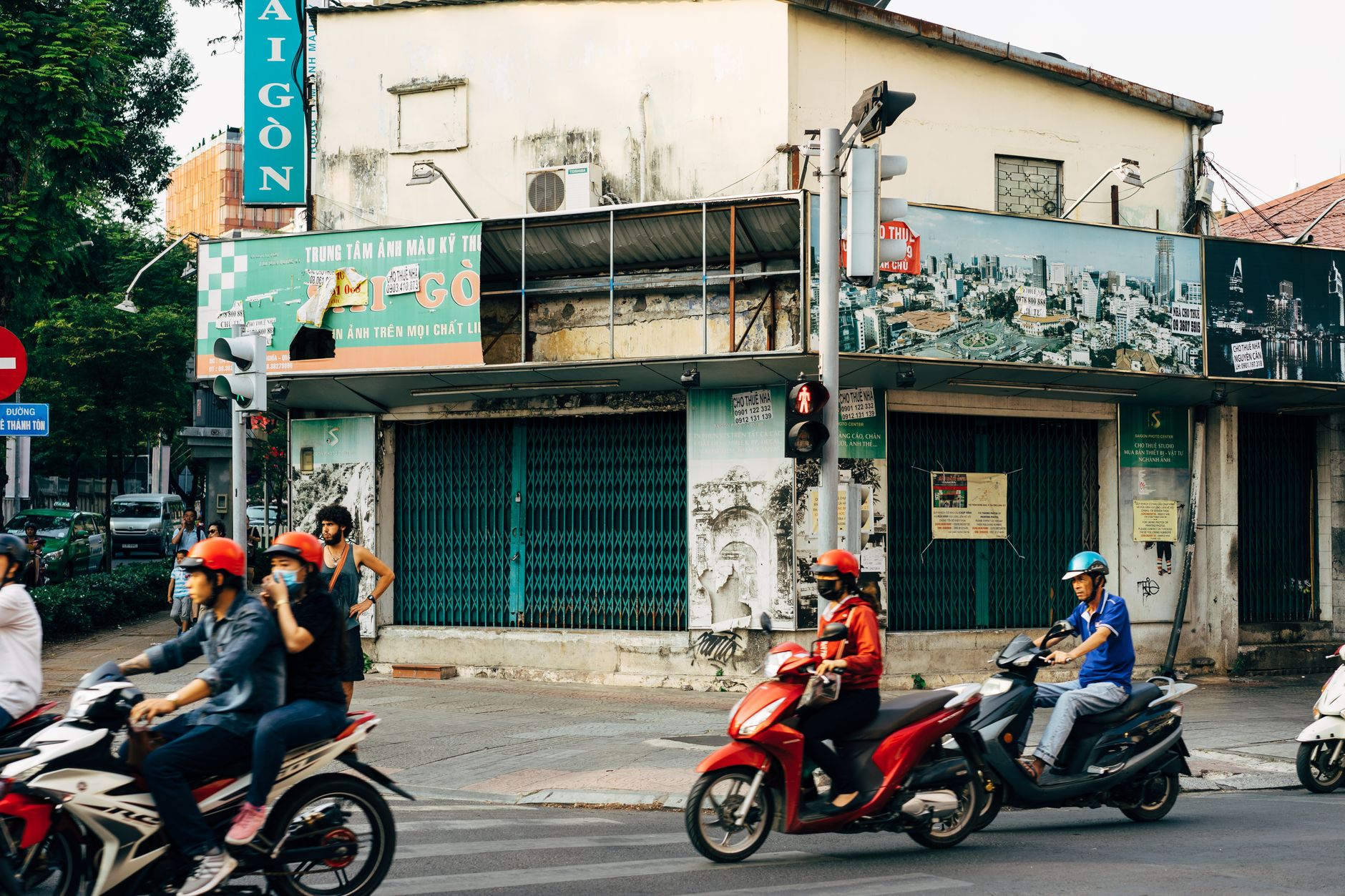
Photo by Thu Huynh on Pexels
What to Drink With It
Locally, thang co is eaten with "ruou ngo" — corn wine, around 40–50% ABV — which is firmly adult territory. For children, warm green tea or bottled water is the realistic option. Most sit-down spots in Sapa will have both.
Practical Notes
Thang co is a cold-weather dish at heart; eating it in July when Sapa is warm and humid is fine but slightly beside the point. The October–March window is when it makes the most sense. Prices at sit-down restaurants in Sapa town are higher than market stalls but still modest by any standard — budget 100,000–160,000 VND per adult for a full pot with sides.
Last updated · Sep 17, 2026 · independently researched, never sponsored.