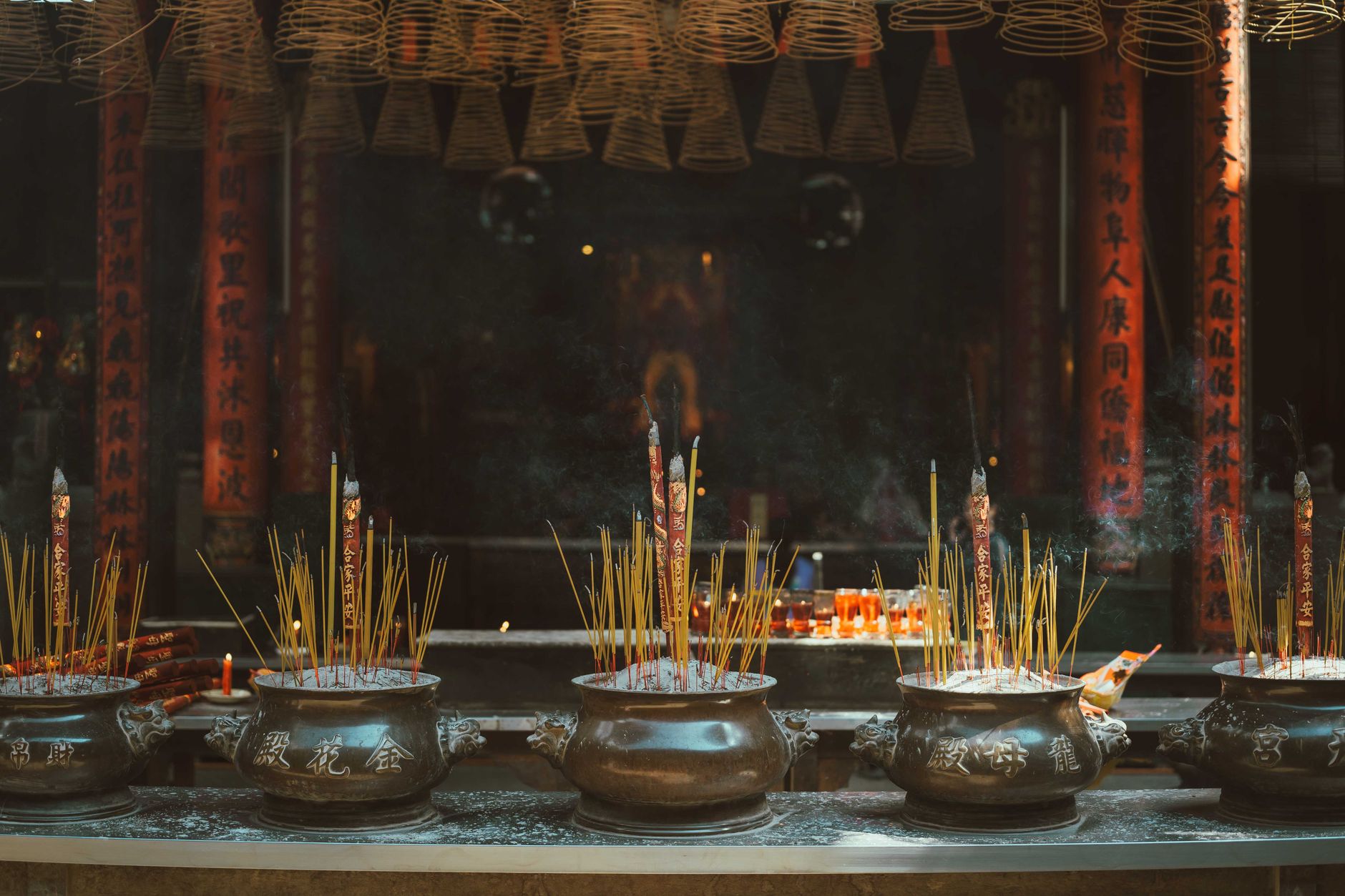
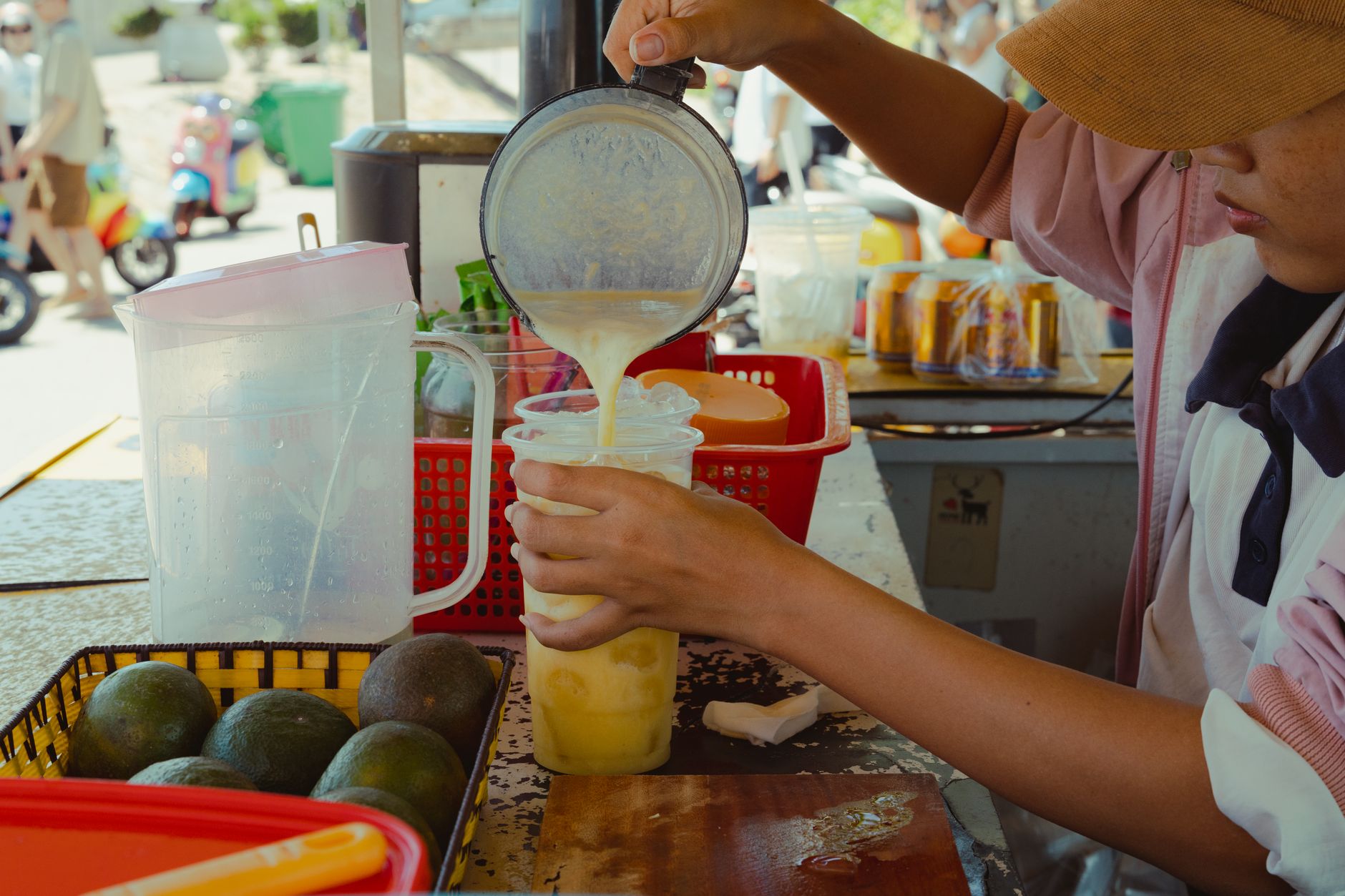
Around 7 p.m. on any given evening near Nha Tho Street, the pavement fills up faster than any restaurant. Rows of low plastic stools appear, glasses of iced tea sweat in the humidity, and nobody seems to be in any particular hurry to leave.
This is "tra chanh" culture — and if you only experience Hanoi through its pho spots and coffee shops, you're missing one of the more honest slices of how the city actually unwinds.
What Tra Chanh Actually Is
Tra chanh is brewed green tea, shaken or poured over crushed ice, spiked with fresh lemon juice and enough sugar to make your dentist nervous. It costs between 10,000 and 20,000 VND a glass — sometimes less. There's no craft-beverage story attached to it. Nobody is talking about single-origin tea leaves or cold-brew ratios. The drink is the vehicle; the point is the sitting.
It shares some DNA with "ca phe sua da" in the sense that both are Vietnamese drinks built as much around a social occasion as a flavour profile. But tra chanh skews younger and louder. You'll find it surrounded by university students, groups of office workers post-shift, and couples who've run out of things to do but aren't ready to go home yet.
The Nha Tho Street Scene
The stretch of Nha Tho Street running from St. Joseph's Cathedral down toward Hang Trong is probably the most photographed tra chanh corridor in the city, and with good reason. The cathedral's French colonial facade provides a backdrop that vendors have quietly monetised for decades. Stalls set up by 6 p.m. and stay until midnight or later on weekends.
What makes Nha Tho work as a hang spot is the density of it. Within 200 metres you have half a dozen tra chanh vendors competing on price and snack selection, which brings us to the thing that matters almost as much as the tea itself.
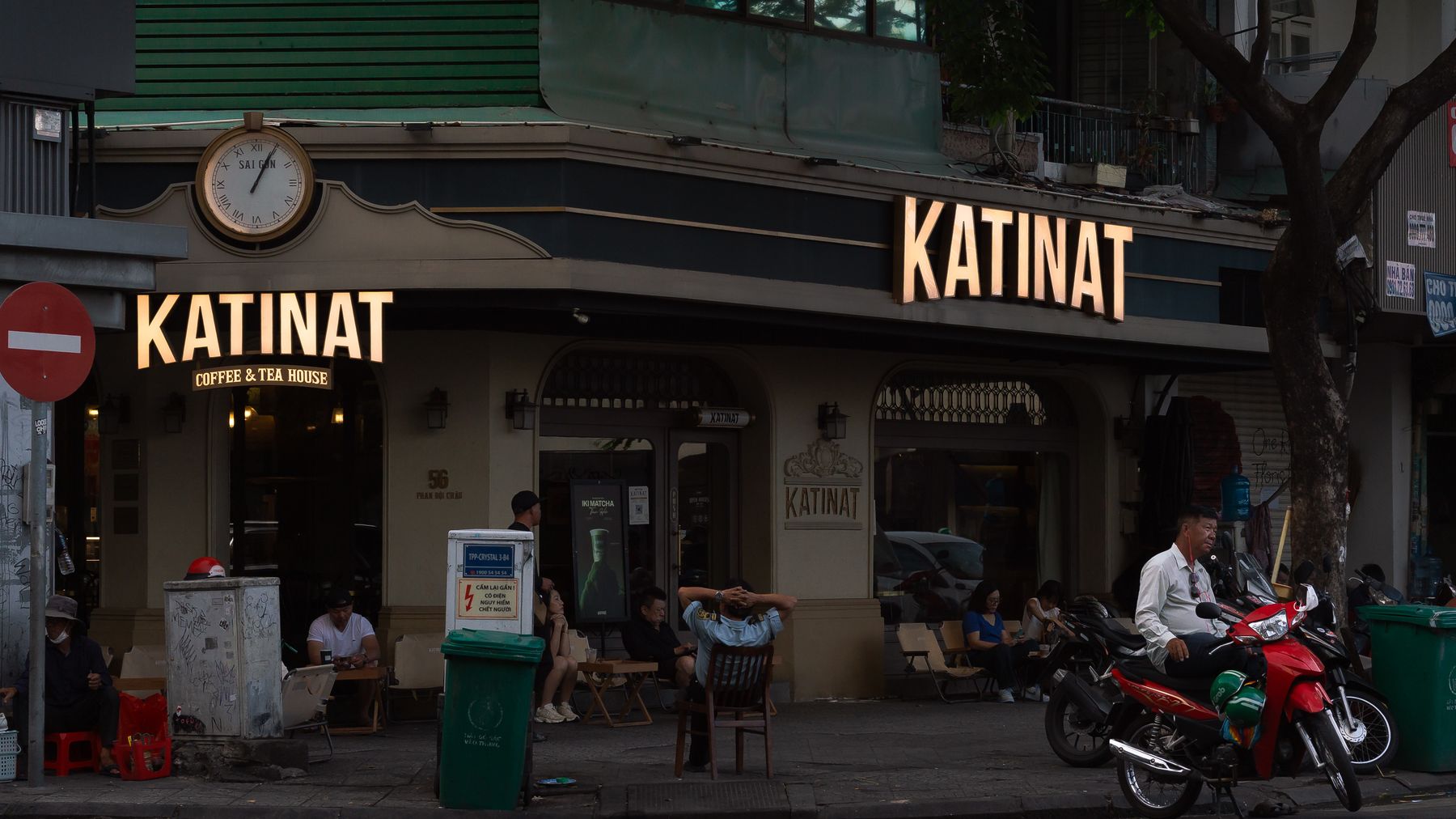
Photo by Thien Phuoc Phuong on Pexels
Huong Duong: The Sunflower Seed Ritual
"Huong duong" — sunflower seeds — are the default snack companion to tra chanh, and eating them is a skill that takes longer to acquire than it looks. You crack the shell with your front teeth, extract the seed, discard the husk onto the pavement (entirely acceptable), and repeat for approximately ninety minutes while talking about nothing in particular. Vendors sell small bags for 5,000 to 10,000 VND.
Other common table additions include dried squid (muc kho), salted plum candy, and occasionally a plate of "goi cuon" picked up from a nearby cart. The snack economy around tra chanh spots is its own micro-ecosystem.
Other Spots Worth Knowing
Nha Tho gets the tourist traffic, but it's far from the only neighbourhood where this plays out.
Hoan Kiem Lake perimeter
The walking streets around Hoan Kiem on weekend evenings turn into one large outdoor living room. Tra chanh vendors set up near the Ngoc Son Temple entrance and along Dinh Tien Hoang. Prices here are similar, atmosphere is more mixed — locals, domestic tourists, a few foreigners who've wandered off the Old Quarter main drag.
Truc Bach Lake
Less crowded, more residential. The vendors along the Truc Bach embankment tend to stay open later and attract an older crowd. It's quieter, which either appeals to you or it doesn't.
The Old Quarter backstreets
Ma May, Hang Bac, and the alleys off Luong Ngoc Quyen all have informal tra chanh setups — often just a woman with a thermos, a cooler of ice, and four stools. These are the least scenic and the most local. Worth finding.

Photo by thuy le on Pexels
How the Evening Actually Works
There's a loose rhythm to a tra chanh session that first-timers sometimes don't pick up on. You arrive, you claim your stools, someone takes your order within about thirty seconds. Refills are usually automatic unless you signal otherwise. Nobody rushes you. The vendor's business model is volume and turnover, but the unspoken social contract is that you stay as long as you like.
Conversation is the main activity. Vietnamese coffee (베트남 커피 / 越南咖啡 / ベトナムコーヒー) culture — particularly "vietnamese coffee" shop culture — tends toward individual consumption even in groups. Tra chanh is more communal. The glasses are small, they go fast, and the shared bowl of huong duong keeps hands busy in the pauses.
If you're visiting Hanoi (하노이 / 河内 / ハノイ) and want a low-cost, low-pressure way to spend an evening that involves zero planning, this is it. Sit down somewhere near Nha Tho around 7:30 p.m., order by pointing if your Vietnamese isn't there yet, and give it an hour. The city will do the rest.
Practical Notes
Most tra chanh vendors are cash only; keep small bills (5,000 and 10,000 VND notes) handy. The drink itself is harmless but the ice is street ice — if your stomach runs sensitive, ask for it without (khong da). Peak evenings are Thursday through Sunday; Monday and Tuesday the scene thins out considerably.
Last updated · May 26, 2026 · independently researched, never sponsored.