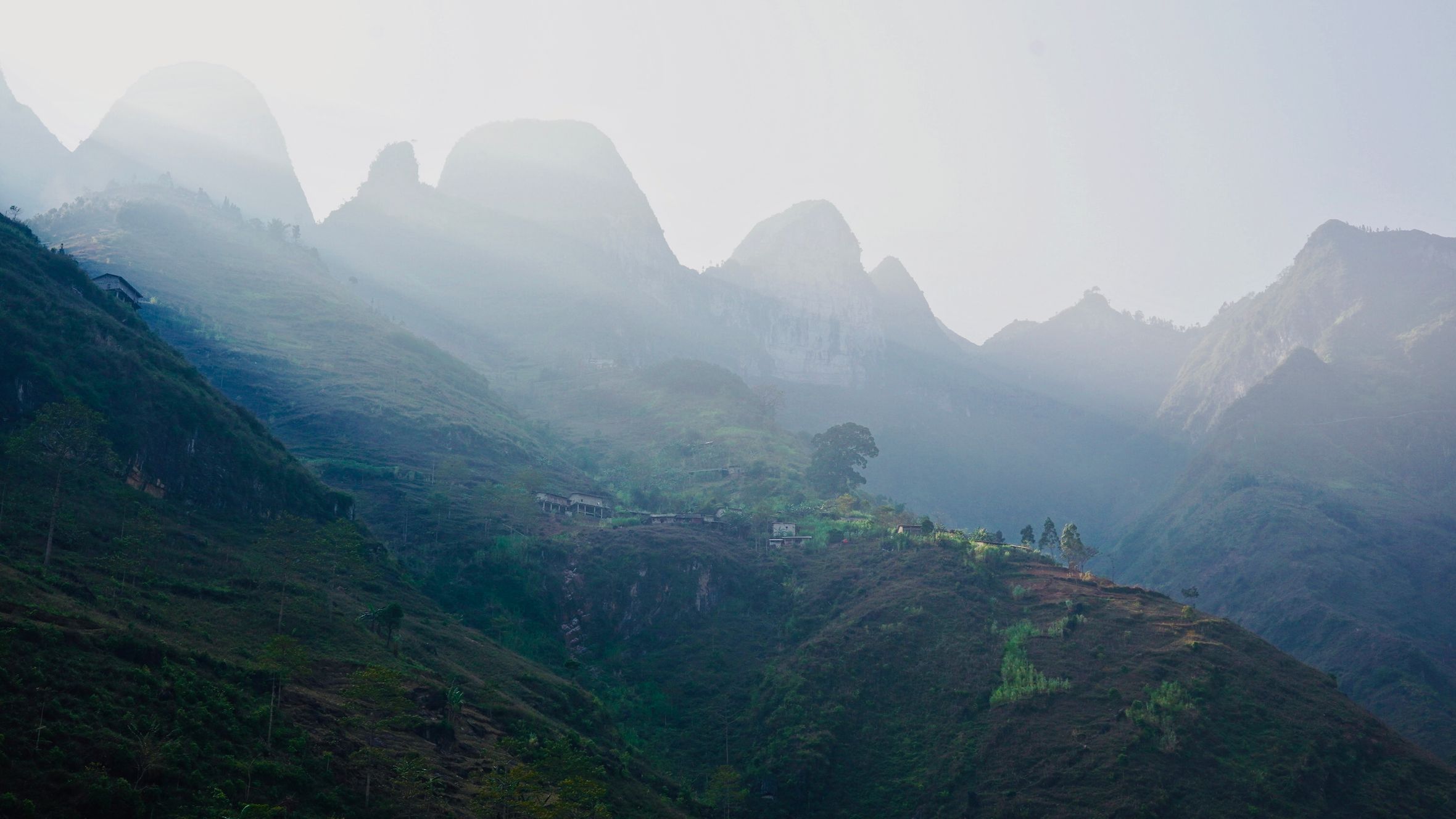
"Xoi ngu sac" — five-color sticky rice — is one of those dishes that looks almost too considered to be casual food. Five mounds of glutinous rice, each a different color, each from a different plant: turmeric yellow, gac-fruit red, pandan green, purple cabbage indigo, and plain white. In Sapa's H'Mong and Tay communities, it's festival food, morning food, market food. In the tourist shops along Cau May street, it's often something else entirely: food dye, rushed prep, three colors instead of five, and twice the price. This guide covers the real version — where to find it, what to pay, and what you're actually tasting.
What Makes the Local Version Different
The coloring method is the whole point. Each shade comes from a specific plant soaked overnight with the glutinous rice. Turmeric root gives the yellow — a warm, slightly earthy tone. Gac fruit (the spiky red-orange gourd found at northern markets in winter months) gives the red, along with a faint fatty richness from the fruit's membrane. Pandan leaves — bruised and steeped — produce the green. Purple cabbage or magkham leaves handle the indigo. White is just the rice itself, unaltered.
At market stalls run by H'Mong or Tay women, you can usually smell the pandan and turmeric before you see the dish. The rice is steamed in a conical bamboo basket directly over a wood fire, which gives it a slightly smoky, sticky-firm texture nothing like the microwave-reheated versions sold in resealable takeaway boxes. The local version is almost always sold in the morning, often gone by 9 a.m.
Where to Buy It — Specific Stalls and Shops
Sapa Market (Cho Sapa), Ground Floor — Morning Stalls
The covered market on Ngu Chi Son street is your first stop. Arrive between 6 and 8:30 a.m. On the ground floor, toward the back near the fresh produce section, three to four Tay women regularly sell xoi ngu sac from bamboo trays lined with banana leaves. The colors here are the most vivid you'll find — the gac red is almost burgundy, not the faded pink you see on tourist street — because they're working from fruit and plant dyes prepared the night before. A full five-color portion wrapped in banana leaf costs around 15,000–20,000 VND. They'll add sesame salt (muoi vung) or shredded coconut on request at no extra charge. No English spoken, but pointing works fine.
Ba Gai Xoi — 14 Dong Loi Street
This is a small family-run spot about 400 meters from the main market, open from roughly 6 a.m. to 10:30 a.m. most days. The woman who runs it — known locally as Ba Gai — has been making xoi at this corner for over a decade. She uses magkham leaves rather than purple cabbage for the indigo color, which gives a slightly more muted, dusty-blue shade that's actually the more traditional H'Mong palette. Portions run 20,000–25,000 VND. She occasionally adds "xoi gac" as a separate dish on its own — just the red rice with gac and a little coconut milk, worth trying if you see it.
Muong Hoa Valley Road — Roadside Sellers Near Ta Van Village
If you're heading down into Muong Hoa Valley (about 8 km from Sapa (사파 / 沙坝 / サパ) town center), there are usually two or three women selling xoi ngu sac from baskets beside the road near the Ta Van turnoff, especially on mornings before market days. This is the most authentically rural version — the rice is cooked over wood at home and carried down in the morning. Prices are 10,000–15,000 VND per portion. Don't expect consistency: they're not always there, and they sell out fast. Think of it as a bonus, not a plan.
Sapa O'Chau Cafe — 8 Thac Bac Street
This is the most "accessible" option if you want a guaranteed version during daylight hours, with English-speaking staff. Sapa O'Chau is a social enterprise run by local H'Mong youth, and they occasionally serve xoi ngu sac as part of a breakfast set (around 55,000–70,000 VND including tea). The quality is honest — natural dyes, proper steaming — though the atmosphere is cafe-style rather than market-style. Good option if you're visiting with people who are nervous about point-and-order situations.
Hmong Sisters Restaurant — 27 Muong Hoa Street
A slightly more sit-down experience, with xoi ngu sac available as a side dish at lunch alongside grilled meats and black pig dishes. Portions here are 30,000 VND. The rice is solid — five colors, natural dyes — though it's reheated rather than served straight from the steamer, which softens the texture a little. Reliable but not the peak version.

Photo by Nimit N on Pexels
Skip This Place
The xoi ngu sac sold at several souvenir-adjacent food stalls along Cau May Street (specifically the stretch between the church square and the cable car ticket area) is almost universally made with commercial food coloring. You can tell by the colors: unnaturally bright green, neon purple, flat orange. The rice is often pre-packed in plastic boxes and has been sitting. At 35,000–50,000 VND per box, you're paying tourist markup for an inferior product. Skip it.
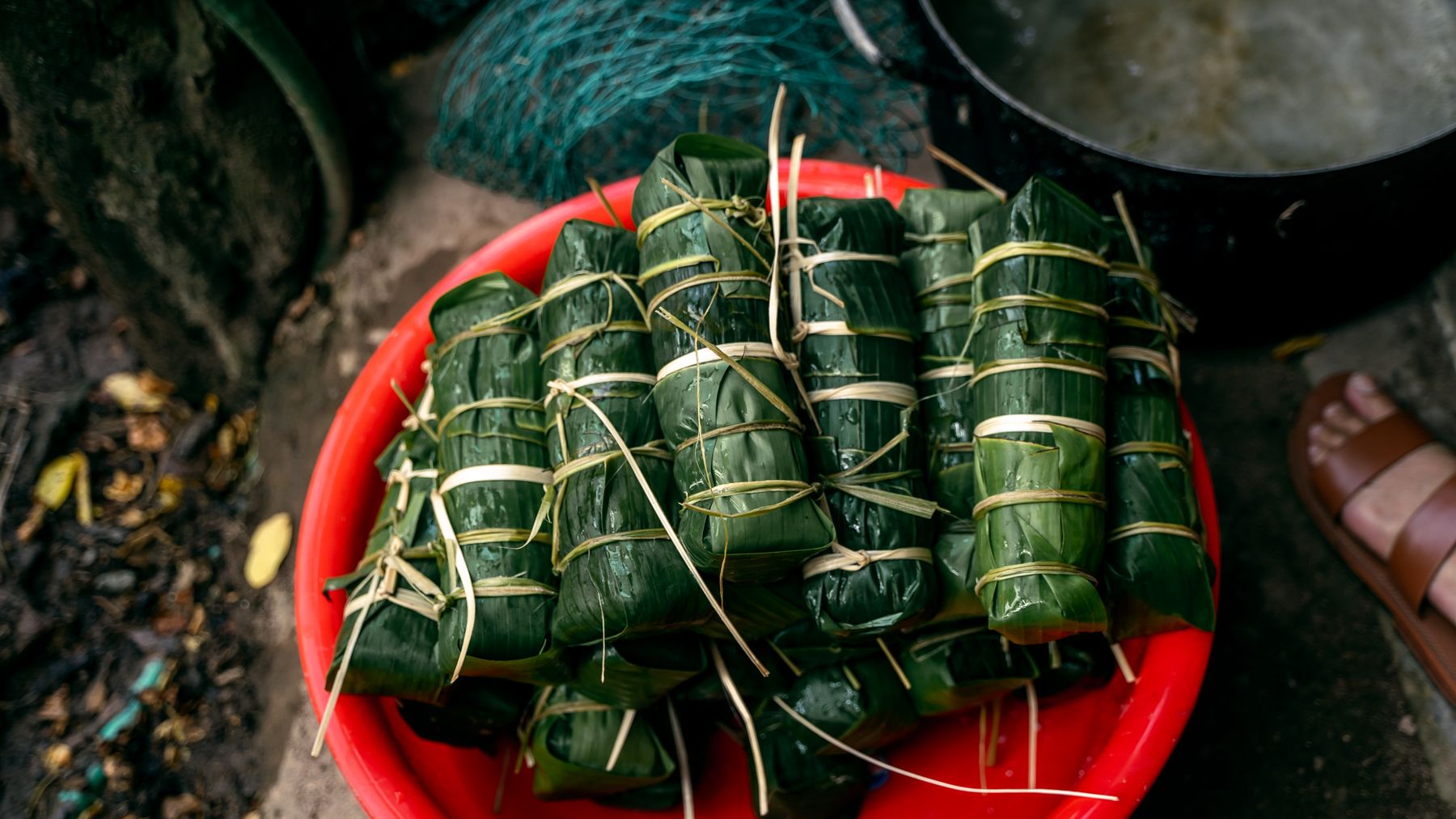
Photo by Vietnam Tri Duong Photographer on Pexels
When to Go
Xoi ngu sac is genuinely tied to festival seasons — Tet and local harvest festivals in September–October are when you'll see the most elaborate versions, including rice shaped into animals or pressed into molds. But it's available at Sapa market most mornings year-round. The pre-dawn Bac Ha market (about 60 km from Sapa, held on Sundays) also has excellent versions from Flower H'Mong vendors if you're making that trip.
Practical Notes
Bring small bills — 10,000 and 20,000 VND notes — since market vendors rarely have change for 100,000 VND. Most stalls are done by 9:30 a.m., so plan your morning around the food, not the other way around. If you're in Sapa during a cold stretch (November–February), the hot rice from the steamer basket is one of the better ways to start the day.
Last updated · May 26, 2026 · independently researched, never sponsored.



