What it is
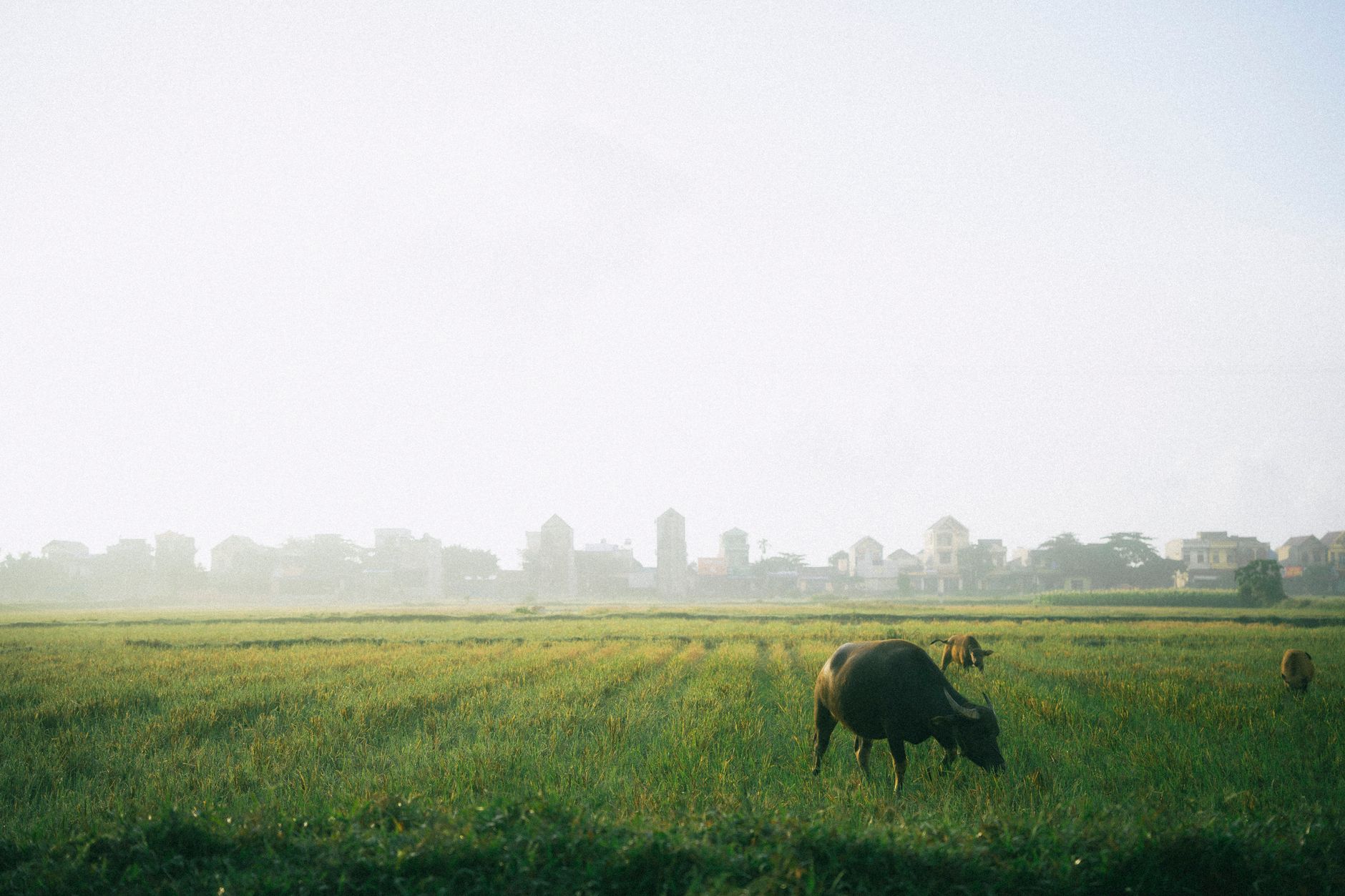
Trung Tam Nong Nghiep Mua Xuan (Spring Agricultural Center) sits about 15 km southwest of central Can Tho, in an area that was formerly part of Hau Giang province before administrative boundary changes folded it into greater Can Tho. It's not a theme park or a polished tourist attraction — it's a functioning agricultural research and demonstration center that happens to welcome visitors. Think fruit orchards, rice paddy trials, aquaculture ponds, and nursery greenhouses spread across roughly 50 hectares of flat delta land.
The center was established in the early 2000s as part of broader Mekong Delta (메콩 델타 / 湄公河三角洲 / メコンデルタ) agricultural modernization efforts. Its original mandate was developing high-yield rice varieties and tropical fruit cultivation techniques suited to the region's flood-prone soils. Over time, it opened sections to visitors — partly for education, partly because travelers kept showing up anyway, drawn by the orchards.
Why travelers go
Most people visiting Can Tho (껀터 / 芹苴 / カントー) hit the floating markets and call it done. Trung Tam Nong Nghiep Mua Xuan appeals to a different impulse: understanding how the delta actually feeds 20 million people. You walk between dragon fruit trellises, longan groves, and experimental pomelo plots. Staff sometimes explain grafting techniques or seasonal cycles if you catch them between tasks — don't expect a formal guided tour unless you arrange one in advance.
It's also genuinely peaceful. No hawkers, no tour buses, no karaoke speakers. Just irrigation channels, birdsong, and the occasional motorbike carrying fertilizer bags. Photographers like the geometric patterns of the nursery rows, especially in early morning light.
Best time to visit
The delta has two seasons: wet (May–November) and dry (December–April). For Mua Xuan specifically:
- December–February: Fruit harvest season. Orchards are loaded with pomelo, longan, and some mango varieties. The weather is dry, temperatures hover around 27–30°C, and the grounds aren't waterlogged.
- March–April: Hotter (32–35°C) but still dry. Fewer fruits but the rice trial plots are green and photogenic.
- June–September: Expect afternoon downpours. Paths between plots get muddy. The aquaculture ponds are active, though, and you'll see more workers around.
Arrive before 9 AM regardless of season. By 11 AM, the heat becomes punishing and there's minimal shade between plots.

Photo by Quang Nguyen Vinh on Pexels
How to get there
From central Can Tho (Ninh Kieu district), you have a few options:
- Motorbike: 25–35 minutes via QL91B heading southwest. The road is flat and well-paved. Parking at the center is free.
- Grab/taxi: Around 80,000–120,000 VND one way. Ask the driver to wait — return Grabs are scarce in this area.
- Bicycle: Feasible if you're staying somewhere that rents bikes. It's flat terrain, roughly 15 km, but factor in the heat.
There's no public bus that stops directly at the center. The nearest bus route drops you about 3 km away on the main highway, which isn't a pleasant walk in midday sun.
What to do
Walk the orchard circuits
The fruit orchards are arranged in loops. A full circuit takes 60–90 minutes at a relaxed pace. Signage is in Vietnamese only, so either use Google Translate on your phone camera or ask at the entrance building if anyone speaks English (sometimes yes, often no).
Visit the aquaculture section
Several large ponds raise catfish and tilapia using integrated farming methods — rice paddies feed into fish ponds, fish waste fertilizes adjacent vegetable plots. It's a practical demonstration of circular agriculture that the Mekong Delta has refined over generations.
Buy fruit directly
When in season, you can buy fruit at the small kiosk near the entrance. Prices are wholesale-level — expect 30,000–50,000 VND per kilogram for pomelo, less for bananas. The quality is noticeably better than what you'd find at a Can Tho street market because it's picked that morning.
Photograph the nursery greenhouses
The propagation greenhouses have rows of seedlings in geometric grids. Good for overhead shots if you can find slightly elevated ground nearby.
Where to eat
There's no restaurant on-site — just the fruit kiosk and occasionally a woman selling banh mi from a cart near the parking area. Plan to eat before or after:
- On the way back to Can Tho: Stop at any of the "com binh dan" (everyday rice) spots along QL91B. A plate of broken rice with grilled pork — essentially "com tam" delta-style — runs 35,000–45,000 VND.
- In Can Tho proper: Ninh Kieu district has excellent "bun rieu" (crab noodle soup) stalls along Hai Ba Trung street. Or grab "hu tieu" — the signature Mekong Delta noodle soup — at Hu Tieu Nam Vang Thanh Xuan near the waterfront for about 40,000 VND.
- For coffee: Vietnamese coffee culture is strong in Can Tho. The city has dozens of garden cafes where you can get a proper "ca phe sua da" for 20,000–25,000 VND while sitting under jackfruit trees.

Photo by HONG SON on Pexels
Where to stay
Nobody stays near Mua Xuan itself — there's nothing out there. Base yourself in central Can Tho:
- Budget: Guesthouses around Ninh Kieu waterfront, 200,000–350,000 VND/night.
- Mid-range: Can Tho has several clean 3-star hotels along Hai Ba Trung and Phan Dinh Phung streets, 500,000–800,000 VND/night.
- Splurge: A couple of riverside boutique hotels exist if you want balcony views over the Hau River.
Can Tho makes a good base for exploring the wider delta region, including day trips to Cai Rang floating market (departs 5–6 AM) and boat rides through the smaller canals.
Practical tips
- Bring water. There's no convenience store within the center grounds.
- Wear closed-toe shoes or at least sturdy sandals. The paths between plots are unpaved dirt in many sections.
- Insect repellent is wise, especially near the aquaculture ponds.
- Entry is technically free, though you may be asked for a small donation (10,000–20,000 VND) at the gate.
- If you want a guided explanation, call ahead: the center's office number is posted on a sign at the entrance. Having a Vietnamese speaker call for you (your hotel front desk will usually help) dramatically improves the experience.
Common mistakes
- Showing up midday: The heat between 11 AM and 3 PM makes walking the grounds miserable. Early morning only.
- Expecting a tourist attraction: This is a working facility. There's no air-conditioned visitor center, no gift shop, no English audio guide. Adjust expectations accordingly.
- Not arranging return transport: If you took a Grab out, have your driver wait or pre-book a return. Cell signal is fine but available cars are few in this area.
- Skipping it entirely: Most travelers never hear about this place, which is fair — it's niche. But if you've already seen Cai Rang market and want something different from the usual Can Tho itinerary, an early-morning visit here paired with a riverside lunch back in town makes a satisfying half-day.
Last updated · May 29, 2026 · independently researched, never sponsored.