What Suoi Ca Van Nho actually is
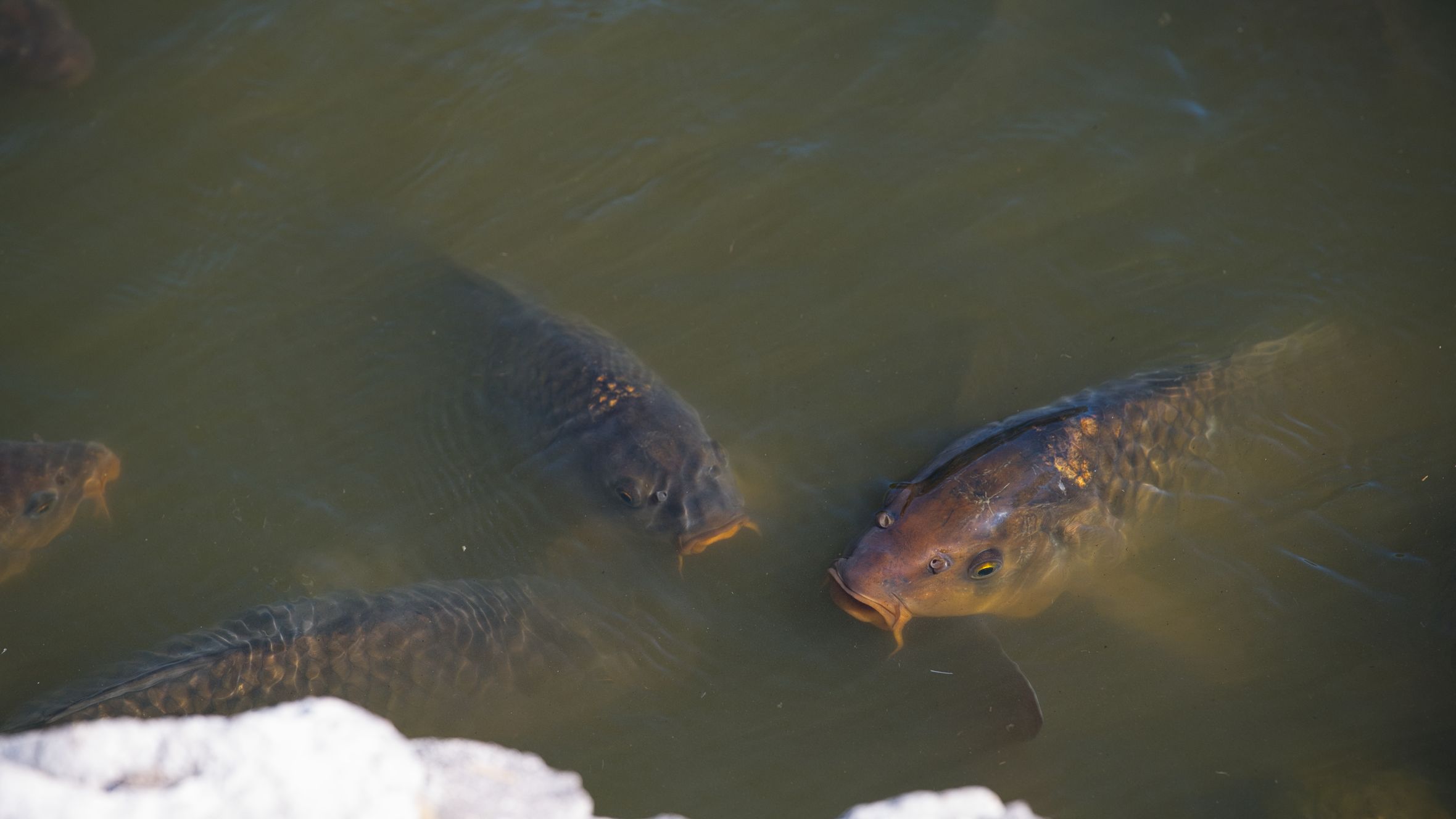
About 130 km west of Thanh Hoa city, in Cam Luong commune (Cam Thuy district), a cold freshwater stream runs through a narrow limestone valley. Thousands of wild carp — some weighing over 5 kg — crowd the shallow pools so densely you can practically walk across their backs. Nobody fishes here. The locals have protected this stream and its fish for generations, treating the carp as sacred. The village's unofficial rule is simple: the fish belong to the stream, not to anyone's dinner plate.
The stream itself is short — maybe 300 meters of the densest fish concentration — fed by an underground spring that keeps the water cool year-round, around 18-20°C. The carp are a mix of species, mostly common mirror carp and some local varieties, and they've grown bold from decades without predation. They'll bump against your ankles if you wade in.
Suoi Ca Van Nho has been a local curiosity for as long as anyone in the village remembers, but it only started drawing outside visitors in the early 2000s when Thanh Hoa province began promoting its inland tourism. It's still far from crowded.
Why travelers go
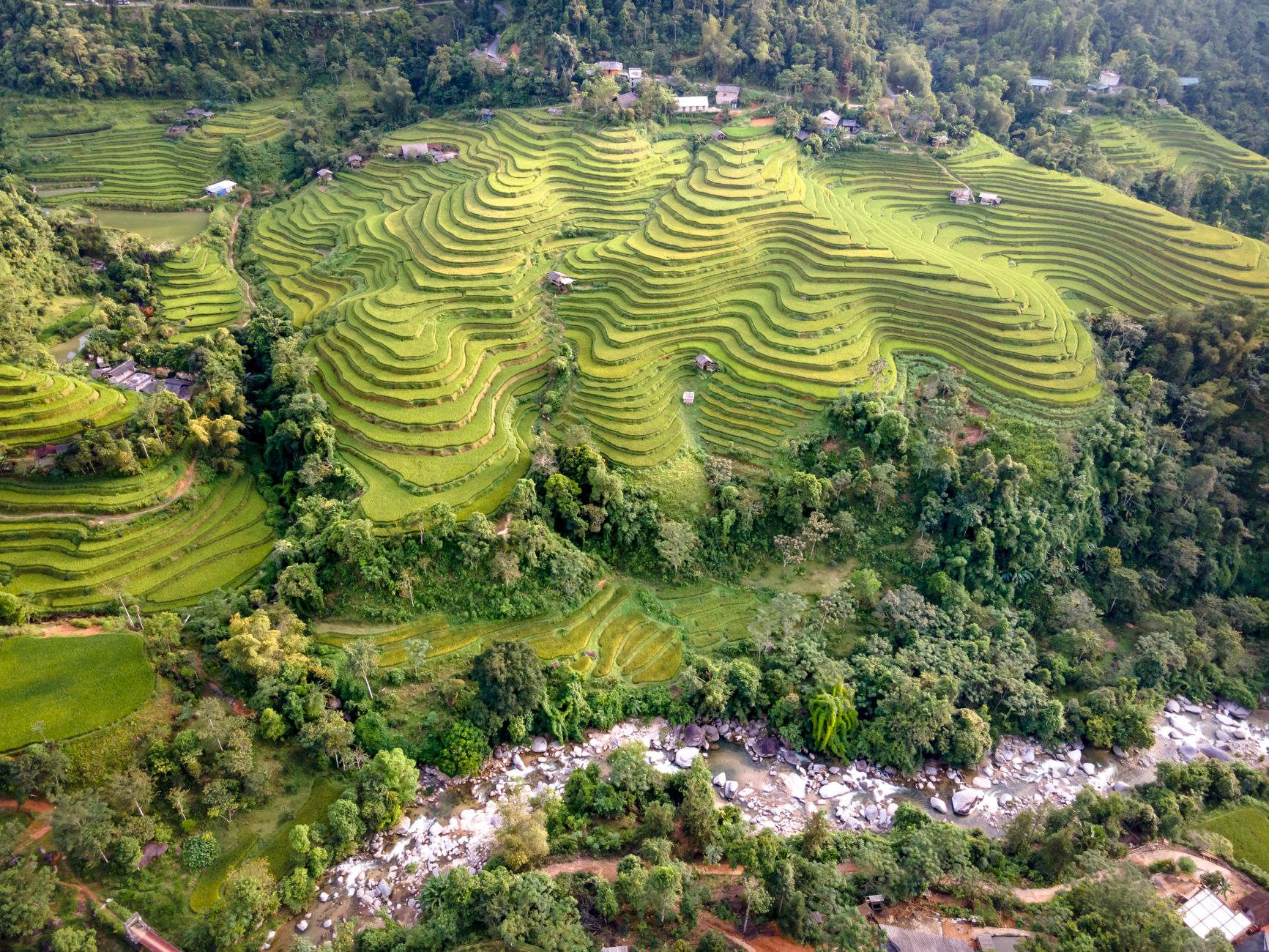
This isn't a theme park or a curated attraction. People come because the sight of thousands of fat carp lazily circling in crystal-clear water, framed by karst hills, is genuinely unusual. It's the kind of place that rewards a detour if you're already exploring Thanh Hoa province or passing between Hanoi and the central coast. The surrounding valley — rice paddies, bamboo groves, limestone cliffs — is the real draw for anyone who wants to see a part of northern-central Vietnam (베트남 / 越南 / ベトナム) that tourism hasn't reshaped yet.
Best time to visit
The stream runs year-round, but aim for September through November or March through May. The dry season (October-April) keeps the water clearest and the roads in decent shape. Avoid June through August if you can — heavy rains muddy the stream and occasionally cause minor flooding that scatters the fish upstream. January and February can be chilly in the valley (lows around 10-12°C), which is fine for walking but less pleasant for wading.
Weekdays are quieter. Weekend mornings bring Vietnamese tour groups from Thanh Hoa city, especially during holidays around Tet or summer break.
How to get there
The nearest major hub is Thanh Hoa city, roughly 130 km east via QL217 and local roads. From there:
- Motorbike: The most practical option. The ride takes about 3-3.5 hours through increasingly rural scenery. Rentals in Thanh Hoa city run 120,000-180,000 VND/day. The road is paved the whole way, though the last 15 km narrows and winds through villages — take it slow.
- Car/private driver: Arrange through your hotel. Expect around 1,200,000-1,500,000 VND round-trip for a full day, including wait time.
- Bus: Local buses run from Thanh Hoa to Cam Thuy town (about 50,000 VND, 2-2.5 hours). From Cam Thuy, you'll need a "xe om" (motorbike taxi) for the remaining 15 km to Cam Luong — roughly 60,000-80,000 VND.
If you're coming from Hanoi (about 180 km north), you can take a bus to Cam Thuy district directly, though schedules are limited. Most independent travelers rent a motorbike in Hanoi or Ninh Binh (닌빈 / 宁平 / ニンビン) and fold Suoi Ca Van Nho into a broader loop through Thanh Hoa's interior.

Photo by Karolina on Pexels
What to do
Watch the fish up close
The main viewing area is a short concrete path along the stream bank. Admission is 20,000 VND per person. You can buy small bags of feed (10,000 VND) to toss in — the carp swarm instantly, fins breaking the surface. It's oddly mesmerizing. Early morning, before 8 AM, is the calmest time, with fewer visitors and the fish spread more naturally across the pools.
Wade into the stream
The water is shallow enough — ankle to knee depth in most spots — to walk right in. The carp don't scatter. They'll nudge your legs looking for food. Wear sandals with grip; the rocks are slippery. The water temperature is noticeably cold, a relief if you visit in warmer months.
Walk the valley
Beyond the stream, a dirt path follows the base of the limestone hills through Cam Luong village. It's a 30-40 minute loop past rice fields, small garden plots, and traditional stilt houses belonging to Muong ethnic families. Nobody will charge you for walking through. If you smile and wave, you'll probably get invited for tea.
Visit Phu Luong cave
About 2 km from the fish stream, Phu Luong cave sits partway up a karst hill. It's a modest cave — no lighting, no ticket booth — but the climb offers a wide view of the valley. Bring a phone flashlight and decent shoes.
Cycle to Cam Thuy town
If you have time, the 15 km ride between Cam Luong and Cam Thuy town follows a quiet road through farmland and small villages. It's flat, shaded in parts, and gives a sense of everyday life in this district that most travelers never see.
Where to eat nearby
Cam Luong has a handful of small restaurants near the stream entrance, mostly serving simple Vietnamese fare — rice, greens, grilled meat. Two things worth ordering:
- "Ca suoi nuong" (grilled stream fish): Not from the sacred stream — these are farmed fish from nearby ponds, usually grilled over charcoal with turmeric and dill. Around 80,000-120,000 VND per portion.
- "Com lam" (bamboo rice): Sticky rice cooked inside bamboo tubes, a staple of Muong cuisine in this area. Sold at stalls near the entrance for about 15,000-20,000 VND per tube. Eat it with sesame salt.
For a fuller meal, Cam Thuy town has "quan com" (rice shops) with more variety, including decent "pho" and "bun" soups.
Where to stay
Cam Luong village has a few homestays, mostly simple rooms in Muong-style stilt houses. Expect to pay 200,000-350,000 VND per night, including a basic breakfast. Facilities are minimal — a fan, a mosquito net, a shared bathroom — but the setting is genuine.
Cam Thuy town (15 km away) has basic guesthouses and one or two mini-hotels in the 300,000-500,000 VND range with air conditioning and private bathrooms.
If you want more comfort, you'll need to base in Thanh Hoa city and make Suoi Ca Van Nho a day trip.

Photo by Quân Thiều Quang on Pexels
Practical tips locals would tell you
- Bring cash. There are no ATMs in Cam Luong. The nearest is in Cam Thuy town.
- Don't touch the fish with your hands. Locals take the stream's sanctity seriously. Wading is fine; grabbing carp is not.
- Carry mosquito repellent. The valley gets buggy after 4 PM, especially near the water.
- Fuel up before leaving Cam Thuy. There's no proper petrol station in Cam Luong — just roadside sellers with bottles, and their supply isn't guaranteed.
- Bring a rain jacket even in dry season. Mountain weather shifts fast in this valley.
Common mistakes to avoid
- Rushing it as a quick stop. The stream itself takes 30 minutes, but the valley deserves at least a half day. Budget time to walk, eat, and sit.
- Visiting only on weekends. Tour groups from Thanh Hoa city pile in Saturday and Sunday mornings. A Tuesday visit is a different experience entirely.
- Expecting a resort setup. There are no lounge chairs, no smoothie bars, no Wi-Fi cafes. That's the point. Pack snacks and water.
- Skipping the village walk. Most visitors see the fish, take photos, and leave. The walk through Cam Luong and the surrounding fields is the better memory.
Practical notes
Suoi Ca Van Nho pairs well with a broader trip through Thanh Hoa's interior — Pu Luong Nature Reserve is about 40 km further west, and Ninh Binh is roughly 100 km north. If you're building an itinerary through Vietnam's northern-central stretch, this is a worthwhile half-day stop, not a destination you'd fly in for. Budget a full day from Thanh Hoa city, or fold it into a multi-day motorbike loop.
Last updated · Jun 10, 2026 · independently researched, never sponsored.