What Vi Khe is — and why it matters
Vi Khe (full name: Lang nghe cay canh Vi Khe) is a craft village where families have been growing, shaping, and trading ornamental trees and bonsai for roughly eight centuries. The village sits in the Red River Delta flatlands, and unlike tourist-facing craft villages that have pivoted to souvenir sales, Vi Khe remains a working community. People here grow trees the way other villages grow rice — it's livelihood, not performance.
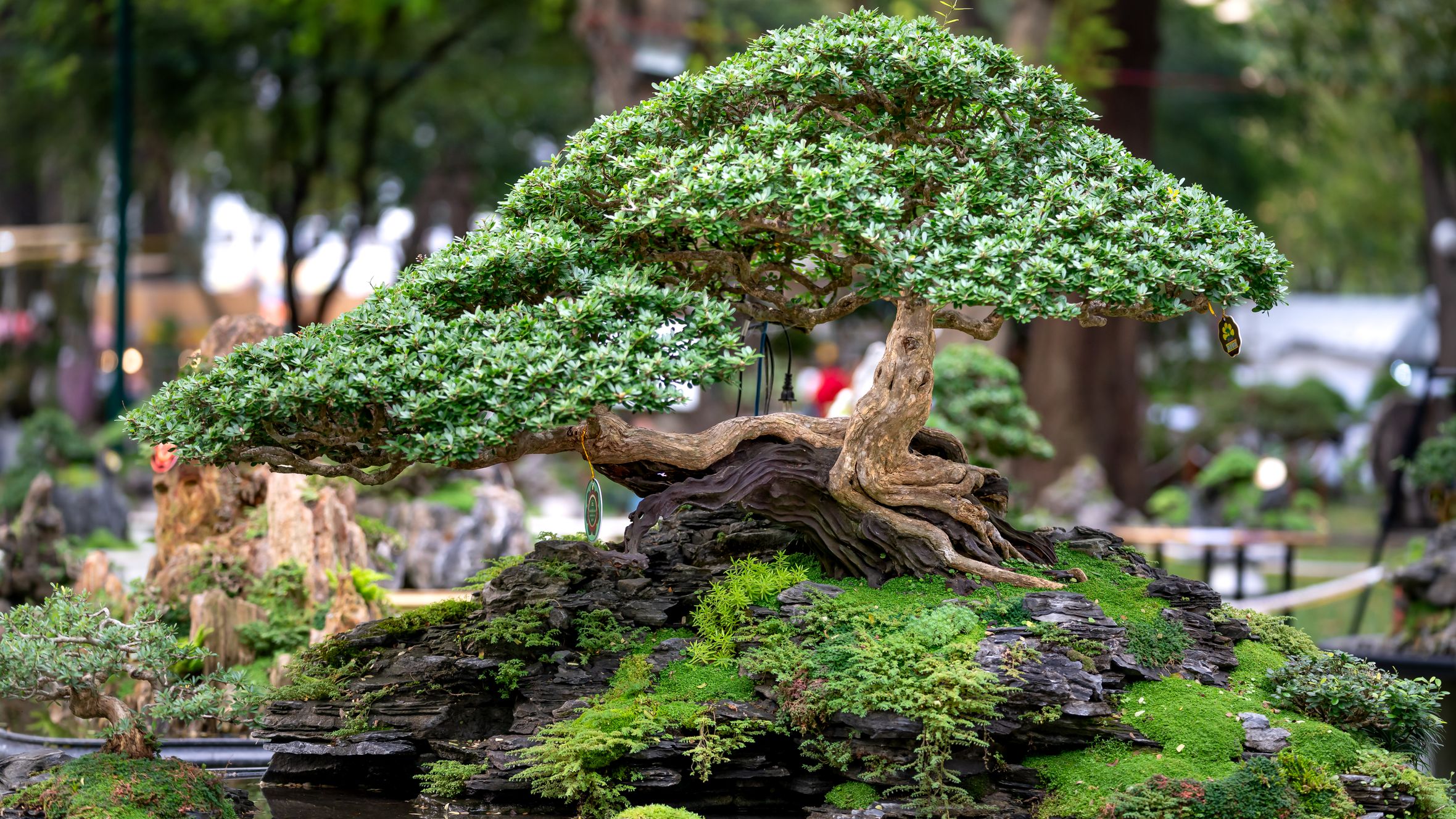
The village earned national recognition as a traditional craft village ("lang nghe") and supplies bonsai, topiary, and ornamental plants to buyers across Vietnam (베트남 / 越南 / ベトナム). Some specimens here are worth hundreds of millions of VND — gnarled "si" (ficus) trees older than anyone alive, or sculpted "sanh" trees twisted into dragon shapes over decades of patient wire-and-trim work.
Why travelers go
You won't find Vi Khe on most tourist itineraries, which is precisely the appeal. This is a place for people interested in Vietnamese horticultural craft, rural village life, or anyone who finds a 200-year-old bonsai more compelling than another limestone cave.
The village functions like an open-air gallery. Families display their best specimens in front yards and along alleyways. Nobody charges admission. You walk, you look, you ask questions if your Vietnamese (or hand gestures) are up to it. Some households welcome visitors into their gardens — especially if you show genuine interest rather than just snapping photos and moving on.
It's also a window into a side of Vietnamese craft culture that doesn't involve ceramics or silk. The patience required to shape a single tree over 30-50 years says something about how this culture relates to time.
Best time to visit
The sweet spot is October through March — cooler, drier weather makes wandering village lanes comfortable, and many trees look their best heading into Tet season. The weeks before Tet (usually late January or early February) are particularly active: families are pruning, shaping, and preparing trees for sale. The village buzzes with buyers from Hanoi and beyond.
Avoid June through August if you dislike heat and humidity. The delta in summer is flat, exposed, and 37°C with no shade relief.
How to get there
From Ninh Binh (닌빈 / 宁平 / ニンビン) city, Vi Khe is approximately 30 km northeast. The simplest option:
- Motorbike/scooter: 45-50 minutes via QL10 or provincial roads. Rental in Ninh Binh runs 120,000-150,000 VND/day. The roads are flat and straightforward — delta riding, no mountain passes.
- Grab car: Around 200,000-280,000 VND one way from Ninh Binh city center. Availability can be spotty in rural areas, so arrange a return in advance or negotiate a wait-and-return fare with the driver.
- From Hanoi (if coming directly): 90 km south, about 1.5-2 hours by car or bus to Nam Dinh city, then 15 minutes onward to Vi Khe. Buses from Giap Bat station to Nam Dinh run frequently (80,000-100,000 VND).

Photo by Vyvan BÙI VY VÂN on Pexels
What to do
Walk the garden lanes
The village has several hundred households with front-yard displays. Start from the village gate and just wander. The older families deeper inside the village tend to have the most impressive (and expensive) specimens — trees valued at 500 million to several billion VND. Look for the ancient "si" and "sanh" trees shaped into traditional forms: dragon, phoenix, dancing figures.
Talk to a grower
If you speak some Vietnamese or bring a local friend, ask a family about their oldest tree. Most growers are proud of their work and happy to explain techniques: how they use wire, how long a particular bend took, which trees they inherited from grandparents. This isn't a hard sell — they're craftspeople, not shopkeepers.
Buy a small plant
You don't need to drop millions. Small ornamental plants and young bonsai starters sell for 50,000-300,000 VND. Compact enough to carry on a motorbike or in a backpack. Makes a better souvenir than most things sold in tourist zones.
Visit during a market day
The village has periodic plant markets (check locally for dates — they're not fixed to a Western calendar). On market days, growers from surrounding areas bring stock, and the lanes fill with buyers haggling over root balls and branch structure.
Combine with Ninh Binh sights
Vi Khe works well as a half-day addition to a Ninh Binh trip. Spend mornings at Tam Coc or Hoa Lu, then ride out to Vi Khe in the afternoon when the light softens and the village is quieter.
Where to eat nearby
The village itself doesn't have tourist restaurants. Your best options:
- "Com binh dan" (everyday rice shops) along the main road near the village entrance. Expect 35,000-50,000 VND for a plate of rice with two-three sides.
- For something specific to the region, look for "banh cuon" — thin steamed rice rolls filled with minced pork and mushroom, served with fried shallots and dipping sauce. Nam Dinh-style banh cuon is slightly thicker than the Hanoi version and worth seeking out at local breakfast shops (15,000-25,000 VND per serving).
- "Pho Nam Dinh" — the local style uses a clearer, slightly sweeter broth than Hanoi pho. Street-side pho shops open early morning and again around dinner.
Where to stay
Vi Khe doesn't have accommodation. Base yourself in:
- Ninh Binh city: Budget guesthouses from 200,000-400,000 VND/night; mid-range hotels 500,000-900,000 VND. Plenty of options near the train station.
- Tam Coc area: Homestays and small hotels, 300,000-800,000 VND. More scenic, but adds distance to Vi Khe.
- Nam Dinh city (15 minutes away): Business hotels, 350,000-600,000 VND. Less touristy, more local.
Photo by Quang Nguyen Vinh on Pexels
Practical tips locals would tell you
- Don't touch the trees without asking. Some specimens represent decades of work and a careless hand on a branch is genuinely distressing to the owner.
- Bring cash. No card terminals here. ATMs are in Nam Dinh city or Ninh Binh.
- Go early or late afternoon. Midday heat in the delta is punishing, and growers often rest between 11:00-14:00.
- Wear shoes you can slip off easily. If invited into a family's garden or home, you'll remove them at the door.
- Photography is generally fine in the lanes, but ask before photographing someone's private garden up close. A smile and a gesture go far.
Common mistakes to avoid
- Treating it like a theme park. There's no ticket booth, no guided tour, no gift shop. This is a residential village. Respect that.
- Coming on a motorbike and blasting through. Park near the entrance and walk. The lanes are narrow and the point is to slow down.
- Expecting English signage or English-speaking guides. There are none. Download Google Translate's Vietnamese offline pack if you want to communicate.
- Skipping it because it's "just plants." The craftsmanship here rivals anything in a museum. A 300-year-old bonsai shaped by four generations of one family is art — it just happens to be alive.
Practical notes
No entrance fee. No fixed opening hours — it's a village, not an attraction. Combine with a broader Ninh Binh itinerary for a half-day that feels nothing like the tourist circuit. Best paired with an early morning at Tam Coc and an afternoon of quiet wandering among trees older than most buildings in Vietnam.
Last updated · May 29, 2026 · independently researched, never sponsored.