Wedding food in Vietnam (베트남 / 越南 / ベトナム) is not a single tradition — it's three, and they barely resemble each other. If you've ever crashed a Vietnamese wedding (it happens more than you'd think), the spread on the table tells you immediately which part of the country you're in.
The North: Ceremony on a Plate
Hanoi-style wedding banquets are structured, methodical, and heavy on symbolism. The meal follows a fixed sequence, usually served at round tables seating eight to ten guests, and there is an understood order of dishes that has barely shifted in decades.
The opening is almost always "mien ga" — glass noodle soup with shredded chicken — light enough to prime the stomach, significant enough to signal occasion. Chicken at a northern wedding is not incidental: it's tied to ritual, often the same bird used in the pre-ceremony offerings at the family altar. From there, the table fills out with cold cuts, pickled vegetables, steamed "xoi" (sticky rice, usually presented with color — green from pandan, yellow from turmeric), and stir-fried dishes that rotate by household budget.
The standout centerpiece at a northern wedding is "gio lua" — silky pork sausage wrapped in banana leaf. You'll find it sliced thin as an accompaniment to almost everything. It's the dish that guests notice most by its absence if a family has skimped. "Nem ran" (the northern term for fried spring rolls, versus the southern "cha gio") are another constant, served in batches and eaten fast before they cool.
Sweets are understated in the north. A plate of fruit and a small "banh" — often "banh dau xanh", dense mung bean squares — close the meal. The drinking is beer, loud, and begins before the food finishes.
The Centre: Hue's Influence and the Spice Factor
Central Vietnam, particularly the Hue and Da Nang corridor, brings a sharper palate to the wedding table. Food here reflects the historical weight of the imperial court and the region's love of fermented and chili-heavy preparations.
A wedding in Hue (후에 / 顺化 / フエ) might open with "banh canh" — thick udon-like noodles in a pork or crab broth — before moving to dishes you'd struggle to identify without a local guide. "Bun bo Hue" occasionally appears as a wedding course in more traditional families, though it's considered informal by some older hosts. The real centrepiece tends to be whole steamed or braised pork, heavily seasoned, presented with shrimp crackers and fresh herbs.
What marks central wedding food most is the condiment table: fermented shrimp paste ("mam ruoc"), chili sauces, and small dipping bowls accompany nearly everything. Guests here engage with the food more actively than in the north — building each bite rather than eating dishes as presented.
Portion sizes at central weddings also tend to be smaller and more numerous — an imperial-era influence on presentation. You'll leave having eaten a dozen things without any single dish feeling dominant. "Mi quang", the turmeric-yellow noodle dish typical of Quang Nam province, sometimes appears at weddings south of Hue, adding a nuttiness from peanuts and sesame rice crackers.

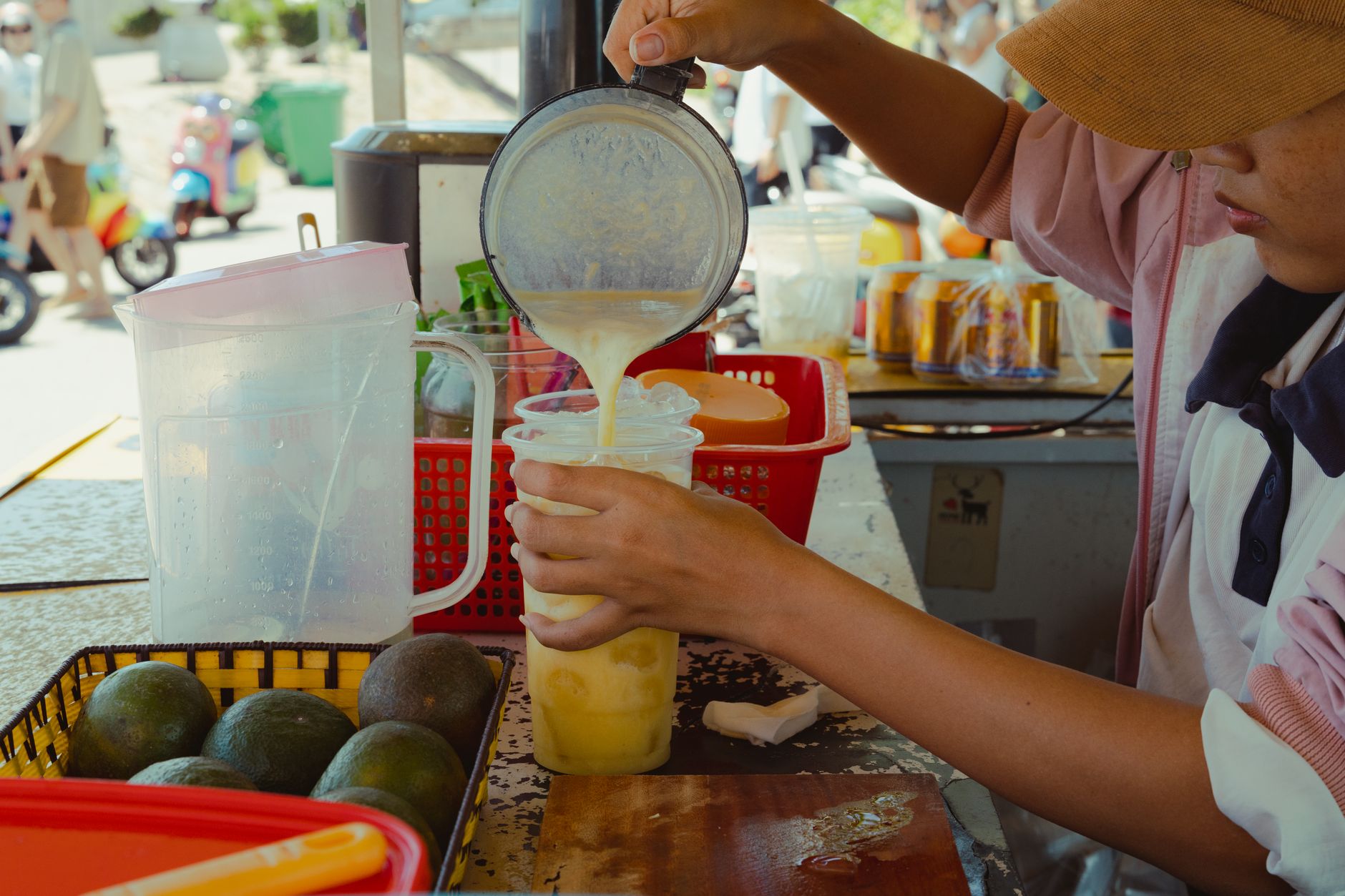
Photo by Nguyen Truong Khang on Pexels
The South: Abundance and Improvisation
Saigon weddings and those across the Mekong Delta operate on a different logic entirely: more is more, and no one is policing tradition too hard. Southern wedding feasts are louder, longer, and structurally looser than anywhere in the north.
The opening dish here is almost universally "goi cuon" — fresh rice paper rolls filled with pork, shrimp, vermicelli, and herbs, served at room temperature with peanut sauce. They arrive fast and in quantity. After that, expect a procession of dishes that can run eight to twelve courses depending on the family: whole steamed fish, roasted pork belly, stir-fried crab with tamarind, "com" (steamed rice) arriving late and eaten alongside rather than as a standalone.
"Hu tieu" sometimes appears at more casual southern weddings in a noodle-soup format, though it's more common at engagement parties than the main banquet. What you will always see is "xoi gac" — sticky rice stained deep red-orange from gac fruit — served in the early courses as a symbol of luck and prosperity. The color is deliberate: red means fortune, fertility, a good start.
Dessert in the south is serious business. "Che" — sweet bean puddings in a dozen variations — arrives in individual cups or communal bowls, followed by fresh tropical fruit cut into sculptures. Southern weddings often end with a dessert buffet rather than a single plate, and guests linger.
Alcohol flows differently in the south, too. Tiger and 333 beer still dominate, but rice wine appears more frequently than in the north, and wedding parties in rural Mekong provinces sometimes brew their own.

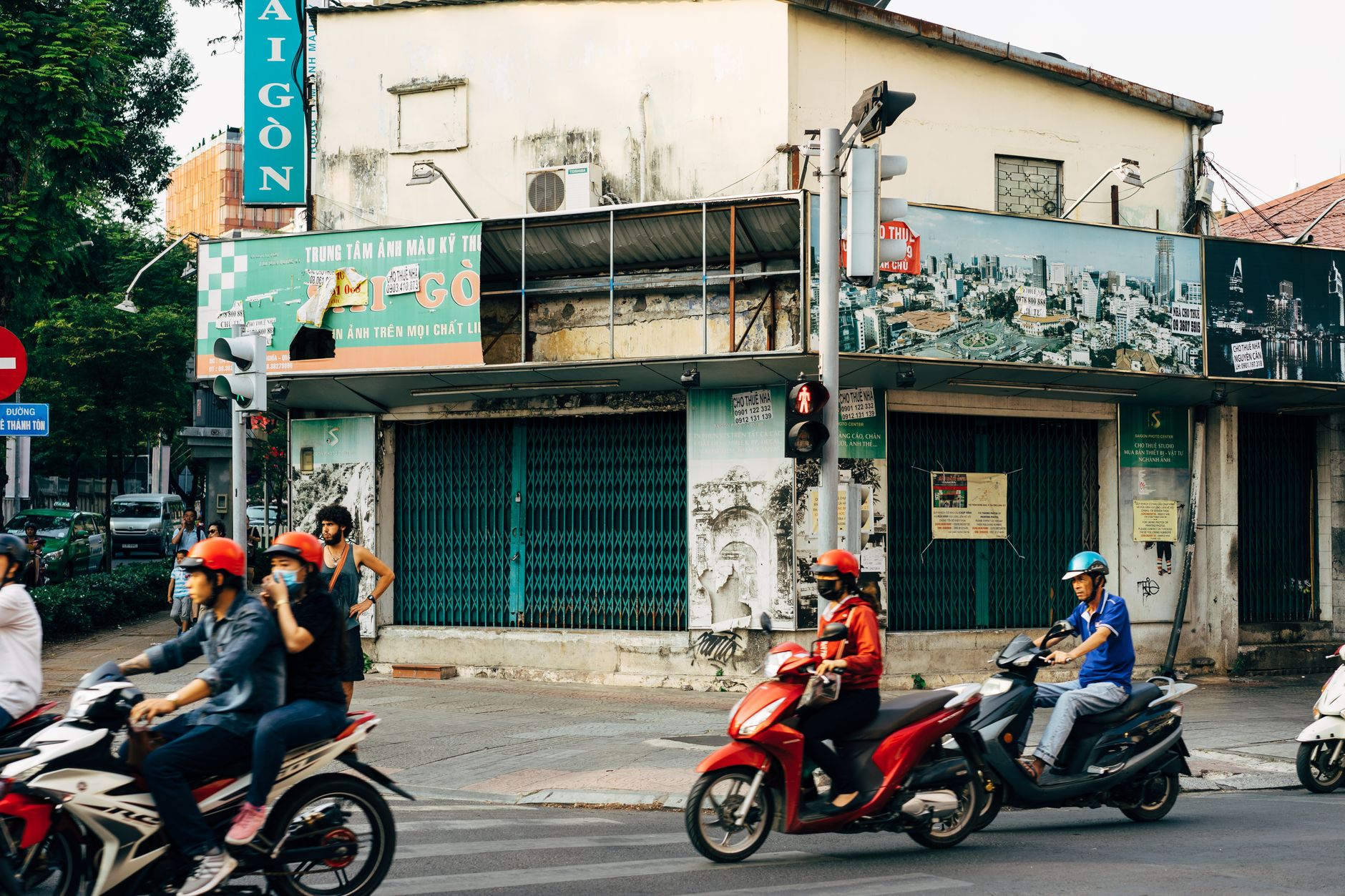
Photo by Vietnam Tri Duong Photographer on Pexels
What Stays the Same Everywhere
Regardless of region, certain threads run through Vietnamese wedding food. Sticky rice appears in some form almost universally. So does whole pork — whether braised, roasted, or cold-cut — because a whole animal signals generosity and completeness. Fruit, presented in careful arrangements, closes every feast. And the sheer quantity of food is itself the message: a sparse wedding table is a family embarrassment, and hosts would sooner overspend than under-serve.
If you get invited to a Vietnamese wedding while traveling — and if you stay long enough, you will — go hungry, arrive on time (the food comes fast), and don't be surprised if you're handed a microphone.
Practical Notes
Wedding season in the north clusters around autumn and early spring, avoiding the summer heat; in the south it's year-round but peaks after Tet / 越南春节 / テト). If you're invited as a guest, a cash gift in a red envelope (200,000–500,000 VND per person, more in cities) is standard across all regions. Dress conservatively and bring your appetite — there will be more food than anyone can finish, and that's entirely the point.
Last updated · May 29, 2026 · independently researched, never sponsored.