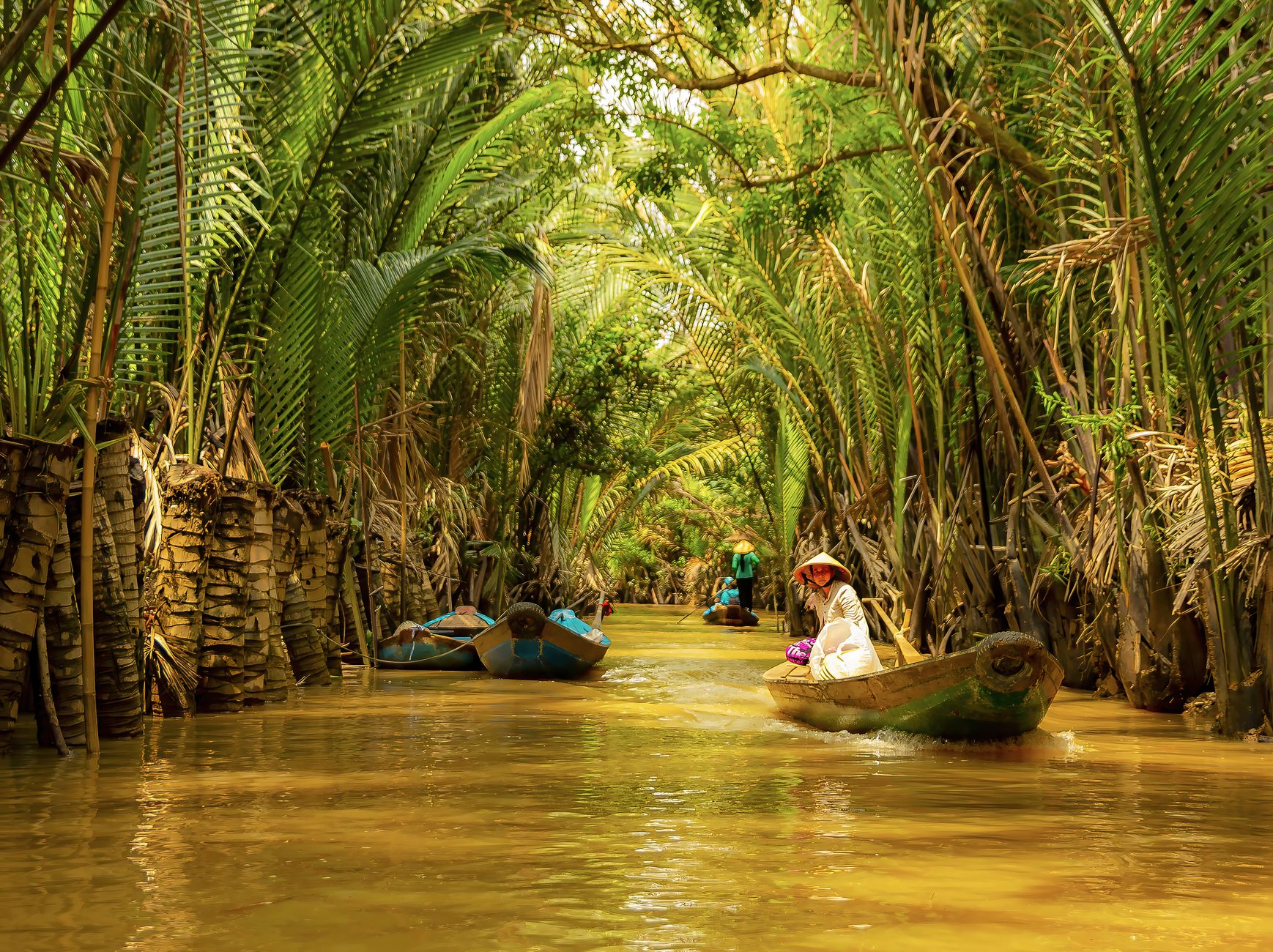
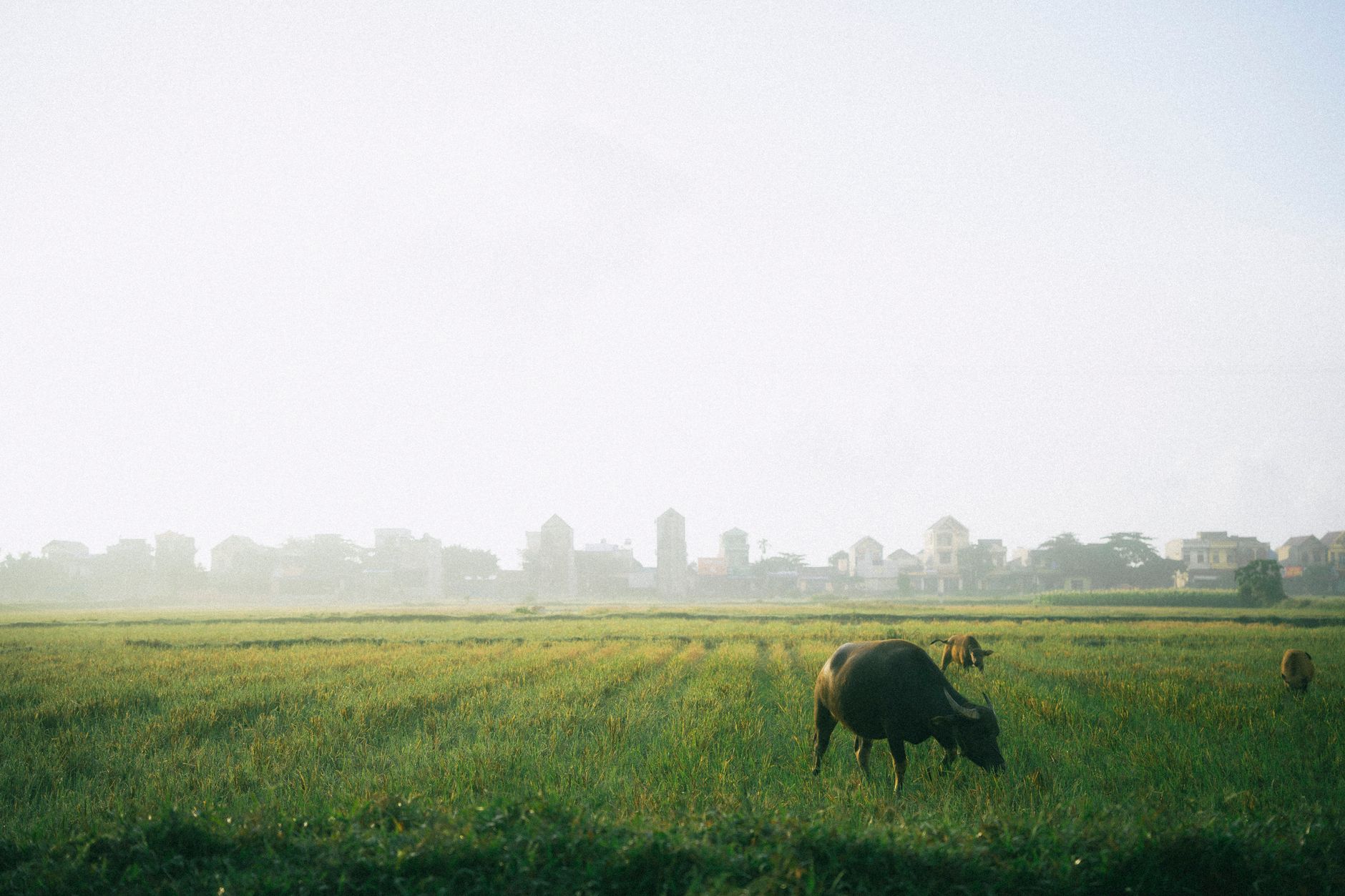
Vuon Chim Bac Lieu sits about 6 km south of the old Bac Lieu town center in what is now part of the expanded Ca Mau province. It's one of the largest bird sanctuaries in the Mekong Delta (메콩 델타 / 湄公河三角洲 / メコンデルタ) — roughly 130 hectares of mangrove forest, melaleuca woodland, and tidal flats where tens of thousands of birds roost, nest, and raise their young. If you're already traveling through the deep south of Vietnam, this is one of the more genuinely interesting stops between Can Tho and the tip of Ca Mau Cape.
What it is and how it got here
The sanctuary has been a natural bird habitat for well over a century. Locals have long recognized the area as a nesting ground, and it was formally protected starting in the 1980s. The site shelters around 50 bird species — storks, herons, cormorants, ibises, pelicans, and several types of egret. During peak nesting season, the canopy turns white with birds. The surrounding landscape is classic deep-delta terrain: flat, green, water-laced, and quiet.
The forest itself is a mix of mangroves and "tram" (melaleuca) trees, threaded with narrow waterways and elevated walking paths. It's not manicured or theme-parked — this is a working wetland ecosystem with a visitor infrastructure built around it, not the other way around.
Why travelers go
Most visitors come for the birds, obviously, but the appeal is broader than that. The Mekong Delta south of Can Tho (껀터 / 芹苴 / カントー) sees far fewer tourists than the northern delta towns, and Vuon Chim Bac Lieu offers a window into a quieter, less commercialized side of southern Vietnam. Birdwatchers come with proper optics and checklists. Everyone else comes because standing on an observation tower at dusk while thousands of birds sweep in to roost is a genuinely arresting experience — the kind of thing that doesn't need a marketing adjective.
It's also a useful stop if you're building a longer delta itinerary. The route from Can Tho down through Soc Trang, Bac Lieu, and on to Ca Mau Cape covers some of the most characterful countryside in the south.
Best time to visit
The prime window is the rainy season nesting period, roughly May through October. Bird populations peak between June and September, when breeding colonies are most active and the forest canopy is dense with nests. Early morning (before 7:00 AM) and late afternoon (after 4:00 PM) are the best times of day — that's when birds leave and return in large flocks, creating the spectacle people come for.
The dry season (November–April) is quieter. You'll still see resident species, but the big nesting colonies disperse. If birds are your main reason for visiting, time it for the wet months.
How to get there
The nearest major hub is Can Tho, about 110 km north.
- Bus: Regular buses run from Can Tho's bus station to Bac Lieu town, taking around 2.5–3 hours. Tickets cost 80,000–120,000 VND depending on the operator. From Bac Lieu town center, a xe om (motorbike taxi) to the sanctuary entrance runs about 30,000–50,000 VND.
- Motorbike: If you're riding your own bike — which is the best way to travel the deep delta — take QL1A south from Can Tho through Soc Trang, then continue to Bac Lieu. The sanctuary is signed off the main road heading south toward Ca Mau. Total ride: about 2.5 hours without stops.
- Car/private driver: A private car from Can Tho costs roughly 1,200,000–1,500,000 VND one way. Most travelers doing this route combine Vuon Chim with a stop in Soc Trang (worth it for the Khmer pagodas) and continue south to Ca Mau.
Entrance fee is modest — around 20,000–30,000 VND per person.
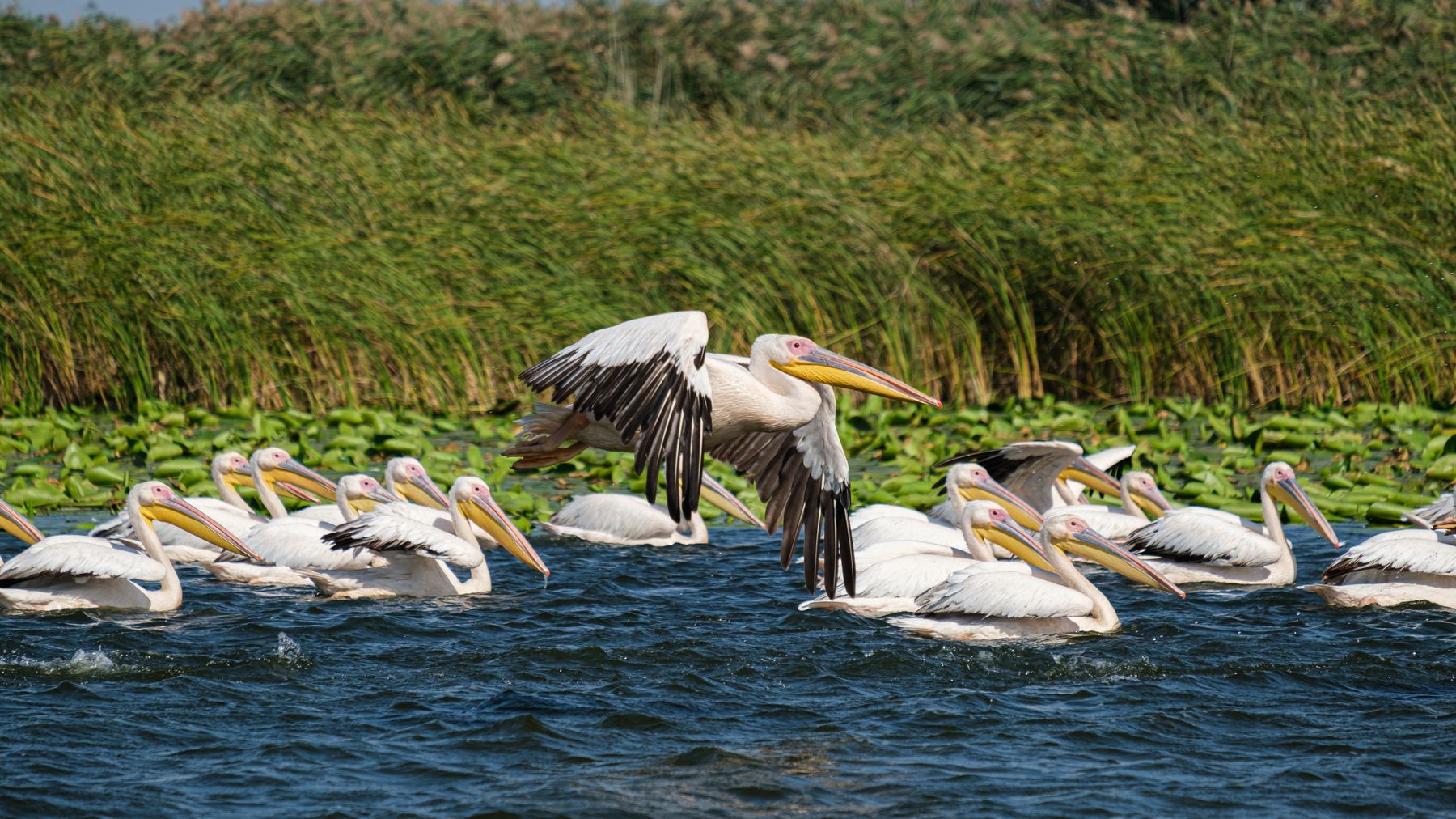
Photo by Andrei Prodan on Pexels
What to do
Walk the elevated boardwalks
Raised wooden paths wind through the mangrove and melaleuca forest. They keep you above the mud and waterline and bring you close to nesting trees. Go slowly and keep your voice down — the birds are used to visitors, but noise pushes them higher into the canopy.
Climb the observation tower
The main watchtower gives a panoramic view over the treetops. This is where you want to be at dawn or dusk. Bring binoculars if you have them. Without optics, you'll still see the mass movements of flocks, but details — species identification, nesting behavior — require at least a basic pair.
Take a boat through the waterways
Small boats can be hired at the site to paddle through the interior channels. This gets you deeper into the forest and closer to water-level bird activity. Expect to pay around 100,000–150,000 VND for a 30–45 minute trip. Worth it, especially during nesting season.
Visit the small exhibition area
Near the entrance, a modest display covers the bird species found in the sanctuary and the ecology of the mangrove system. It's basic but useful for context, especially if you're not a birder and want to know what you're looking at.
Combine with Bac Lieu town
The old Bac Lieu area has a few draws of its own — the Bac Lieu Prince's House (a French-colonial mansion from the 1920s), a lively waterfront, and a handful of temples. It makes sense to spend a half-day in town before or after the bird sanctuary.
Where to eat nearby
Bac Lieu town is the place to eat, not the sanctuary itself (there's little more than drink vendors at the gate).
- Bun bo Cay Bang — a local noodle soup specialty. Richer and sweeter than the central Vietnamese "bun bo Hue" you might know, with a broth built on lemongrass and shrimp paste. Ask around the market area for a bowl; expect 30,000–45,000 VND.
- Banh cong — deep-fried shrimp and mung bean cakes, a Khmer-influenced snack common in Bac Lieu and Soc Trang. Crispy outside, soft inside, eaten with fresh herbs and dipping sauce. Sold at street stalls for 5,000–10,000 VND per piece.
For a sit-down meal, the seafood restaurants along the Bac Lieu waterfront serve fresh crab, shrimp, and fish at prices well below what you'd pay in Saigon.
Where to stay
Bac Lieu town has a range of guesthouses and hotels:
- Budget: Basic guesthouses from 200,000–350,000 VND/night. Clean, functional, fan or air-con.
- Mid-range: Newer hotels in the 500,000–800,000 VND range with decent rooms and breakfast included.
- Upper: The Bac Lieu Riverside hotel and a few others push toward 1,000,000 VND, with river views and more polished service.
There's no accommodation at the sanctuary itself. Stay in town and ride out early.

Photo by Haneul Trac on Pexels
Practical tips locals would tell you
- Bring mosquito repellent. This is wetland forest in the tropics. During rainy season especially, the mosquitoes are serious.
- Wear long sleeves and a hat. Sun exposure on the observation tower is intense, and the boardwalks offer limited shade in places.
- Go at dawn, not midday. The bird activity difference between 6:00 AM and noon is enormous. Midday visits in the heat are disappointing.
- Carry water. There's limited vendor presence inside the sanctuary grounds.
Common mistakes to avoid
- Arriving at the wrong time of day. Showing up at 11:00 AM and wondering where the birds are is the most common complaint. The birds are out feeding — they come back at dusk.
- Skipping the boat. Walking the boardwalks alone gives a partial picture. The boat ride through interior channels is where you see the forest's real depth.
- Not allowing enough time. A rushed one-hour visit misses the point. Plan for at least two to three hours, ideally timed around sunrise or sunset.
- Expecting signage in English. Most information is in Vietnamese. If bird identification matters to you, download a Southeast Asian bird guide app before you arrive.
Practical notes
Vuon Chim Bac Lieu works best as part of a longer Mekong Delta trip — combine it with Can Tho's floating markets, Soc Trang's Khmer heritage, and the mangrove forests at Ca Mau Cape for a proper deep-south itinerary. Budget a full day for the Bac Lieu area, and time your sanctuary visit for the golden hours.
Last updated · Jul 13, 2026 · independently researched, never sponsored.