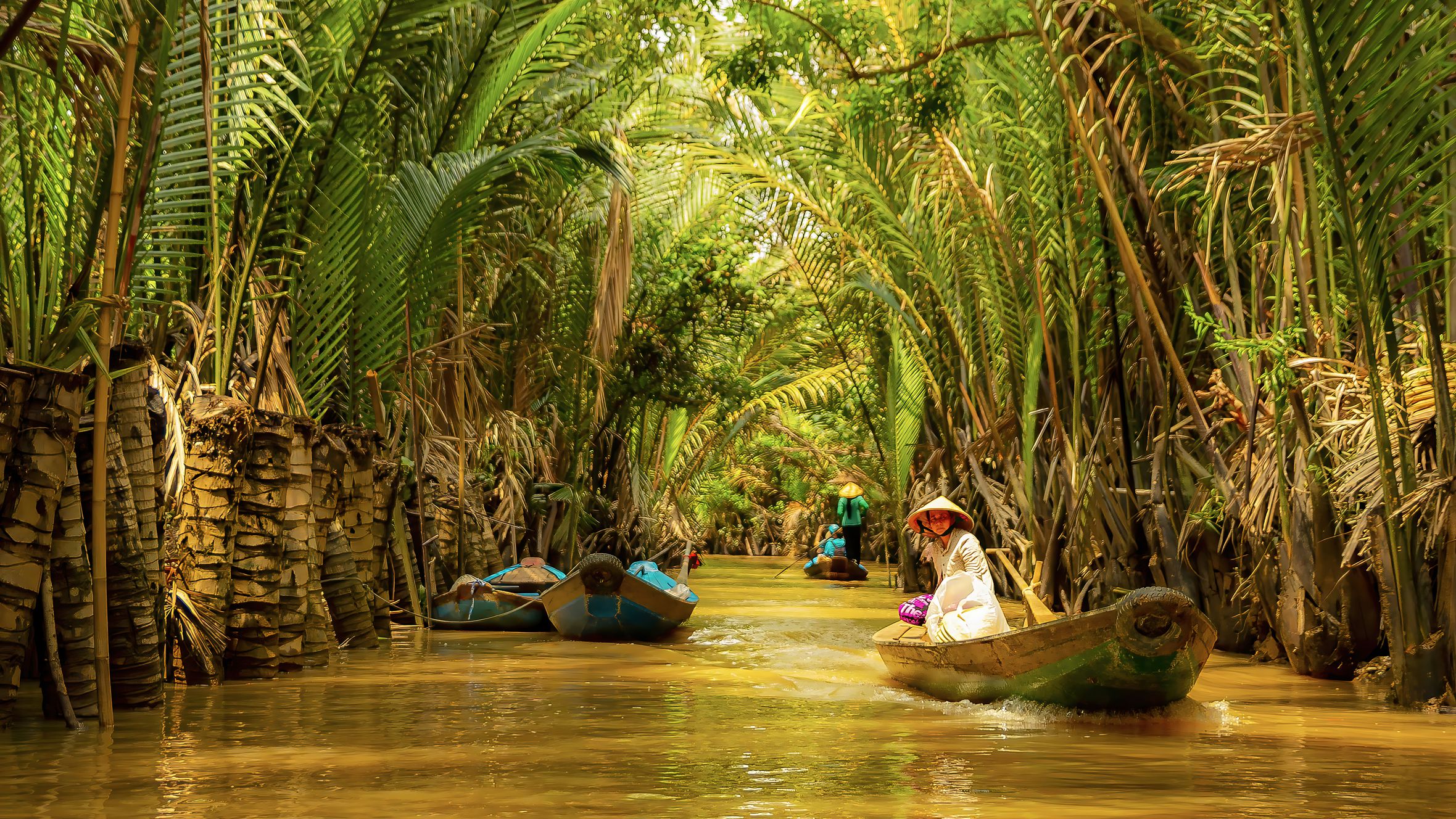
Ca Mau is as far south as Vietnam (베트남 / 越南 / ベトナム) goes. The land dissolves into mangrove channels, the Mekong's tributaries fan out into the Gulf of Thailand, and the brackish water that results turns out to be ideal for raising some of the country's best shrimp and crab. If you care about seafood, this province deserves more than a passing mention.
Why Ca Mau Seafood Hits Different
The short answer is the ecosystem. The Ca Mau Peninsula holds the largest mangrove forest in Vietnam — around 100,000 hectares of tidal forest that serves as both nursery and feed source for wild and farmed seafood alike. Shrimp raised under mangrove canopy, in low-density ponds that flood with tidal seawater, grow more slowly and develop a cleaner, sweeter flavor than intensively farmed equivalents. You'll see the words "tom rung" (mangrove shrimp) on menus in Can Tho and even Saigon, and it commands a premium for good reason.
The province produces black tiger shrimp, white-leg shrimp, and mud crab at industrial scale, but the local eating culture is anything but industrial. In Ca Mau town, the seafood markets along Nguyen Trai and the waterfront near the Ben Xe My Hung terminal are active from 4 a.m. Vendors sort live crabs by size on wooden tables, and you can buy a whole mud crab for around 150,000–200,000 VND per kilogram if you're not buying at a tourist-facing restaurant.
The Dishes Worth Seeking Out
Cua Ca Mau — Mud Crab
Mud crab from Ca Mau has a reputation that travels. The fat, orange-tinged roe in female crabs (best October through January) is the main event — steamed simply with a little ginger, or cracked open and eaten with salt, lime, and chili. Locals will tell you that any sauce heavier than that is a distraction. A steamed whole crab at a riverside restaurant in Ca Mau town runs about 250,000–400,000 VND depending on size.
Grilled crab with scallion oil ("cua nuong mo hanh") is the other classic preparation — the shell chars slightly, the meat stays juicy, and the scallion fat soaks in. You'll find this at outdoor spots along the canal roads heading south toward Dat Mui, the southernmost point.
Tom Chua Ca Mau — Fermented Shrimp Rolls
"Tom chua" is the dish most travelers don't expect. Small shrimp are fermented with galangal, chili, and cooked rice for several days until sour and funkily complex. The result gets wrapped in rice paper with herbs, green banana, and star fruit — not unlike a southern-style "goi cuon" but sharper in flavor. It's an acquired taste that rewards the effort. A plate at a local com tam shop in the market area costs around 40,000–60,000 VND.
Banh Tam Bi and Hu Tieu
The Mekong Delta (메콩 델타 / 湄公河三角洲 / メコンデルタ) influence shows up in the noodle culture. Ca Mau has its own take on "hu tieu" — lighter and more herb-forward than the Saigon version, often served with shrimp and pork, eaten wet or dry. "Banh tam bi" — thick silkworm-shaped rice noodles with coconut milk, shredded pork skin, and pickled vegetables — is a distinctly southern dish that Ca Mau does well. A bowl runs 30,000–50,000 VND at street stalls near Hoa Binh roundabout in the town center.
Oysters from Rach Goc
Rach Goc, a small coastal commune on the eastern edge of Ca Mau Province, is less visited but worth knowing. The oysters farmed here on bamboo racks in the estuary are fat and briny, typically grilled with scallion oil and crushed peanuts. They're not as famous as the Ca Mau crab, but they're excellent, and a full grill of a dozen oysters costs around 80,000–100,000 VND.

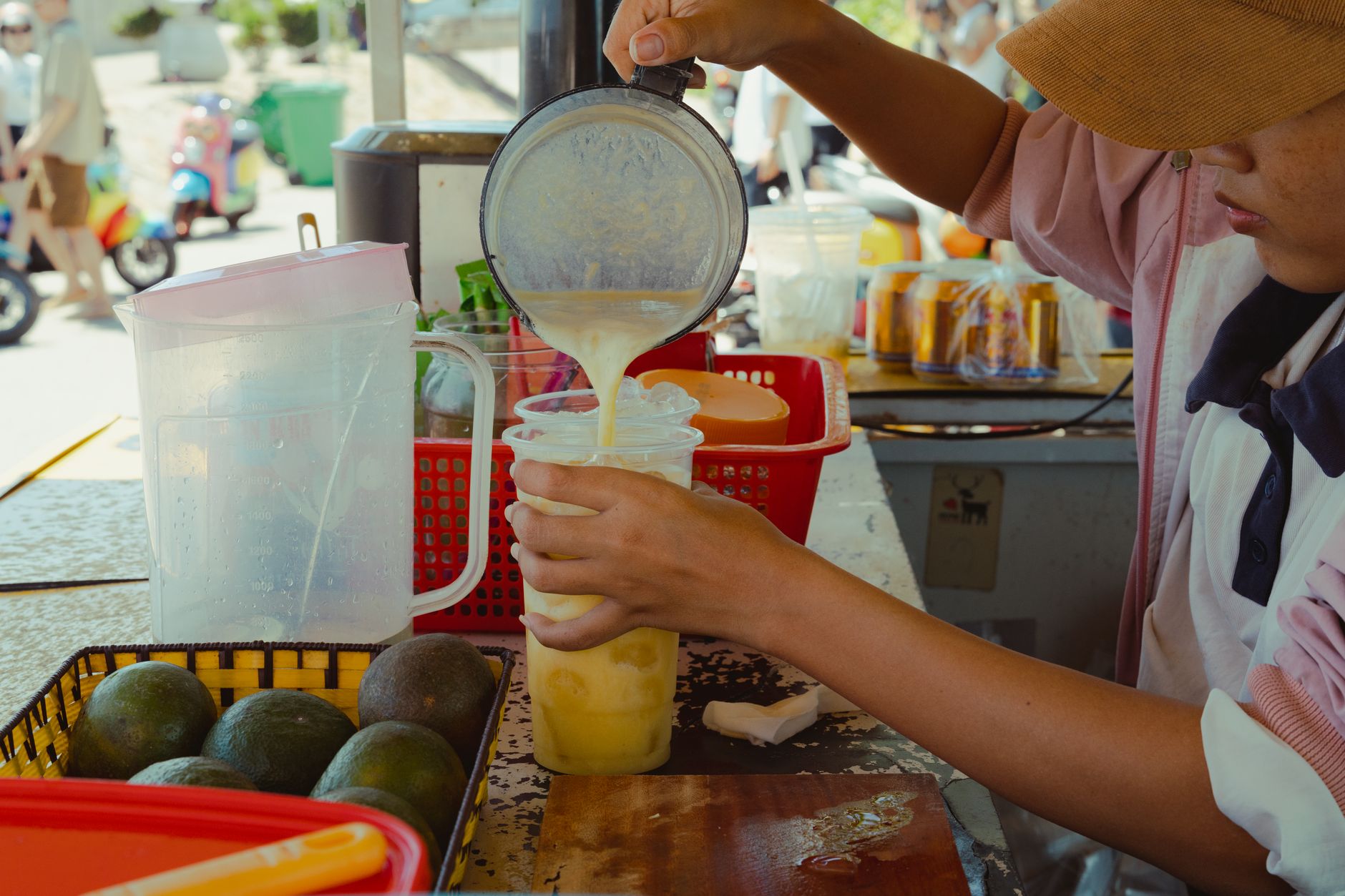
Photo by Long Bà Mùi on Pexels
The Shrimp Farm Experience
Several farms around the Ngoc Hien and Nam Can districts offer informal visits — not polished agritourism, but you can arrange through guesthouses in Ca Mau town to ride out by boat and see the tidal ponds, the sorting sheds, and how the mangrove-shrimp system actually works. It takes half a day and usually ends with a meal at the farm family's house. Expect grilled shrimp, sour soup with shrimp and pineapple, and whatever the season offers. Budget 200,000–300,000 VND per person including the boat ride if arranged locally.
This kind of visit makes the food mean something. When you eat "tom rung" in a Saigon restaurant afterward, you'll understand what you're actually paying for.
Photo by Long Bà Mùi on Pexels
Getting to Ca Mau
Ca Mau town is roughly 350 km from Saigon by road — about 6–7 hours by bus from Mien Tay station, with several daily departures on Phuong Trang and Kumho Samco lines for around 200,000–250,000 VND. Alternatively, there are daily flights from Tan Son Nhat on Vietnam Airlines and Bamboo Airways, cutting the trip to an hour. From Can Tho, it's around 180 km south.
The province doesn't have the tourist infrastructure of Phu Quoc or the Mekong circuits through Can Tho, but that's partially the point. The food is cheaper, fresher, and eaten by people who actually live here.
Practical Notes
Best months for crab roe are October through January — outside that window the crab is still good, just leaner. Bring cash; most market stalls and smaller restaurants don't take cards. A day of serious eating in Ca Mau — market breakfast, midday hu tieu, evening crab dinner — will run you well under 300,000 VND if you eat where locals eat.
Last updated · May 29, 2026 · independently researched, never sponsored.