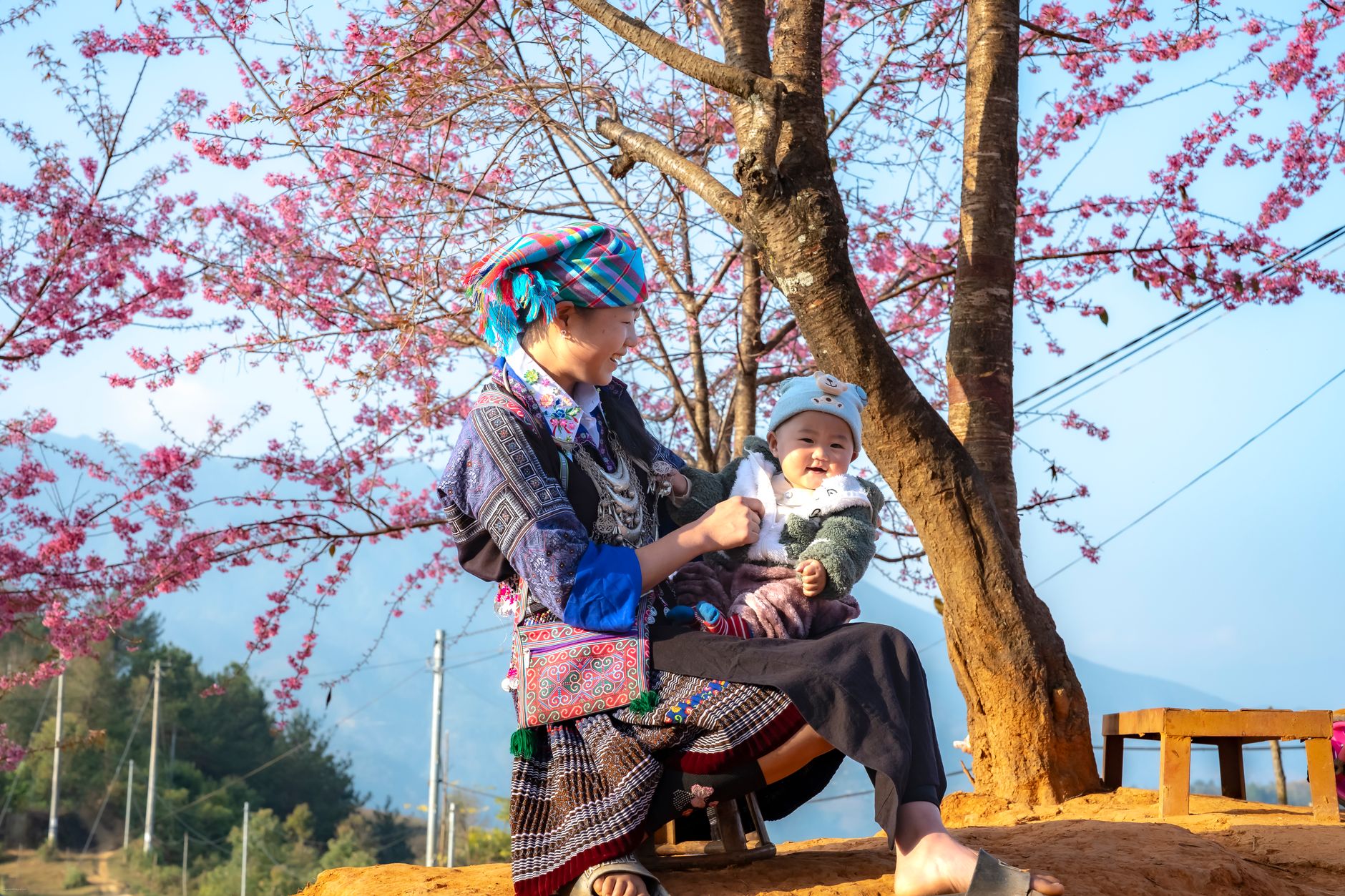
Moc Chau sits about 180km southwest of Hanoi on a wide plateau that gets cold enough in winter to turn your breath to mist. The cooler climate, Tai and H'mong communities, and dairy herds that look genuinely out of place in Southeast Asia make the food here distinct enough to plan a trip around.
Fresh Milk and Dairy — the Obvious First Stop
Moc Chau is Vietnam (베트남 / 越南 / ベトナム)'s main dairy region, and the fresh milk here is the real thing — not reconstituted powder. Vinamilk has a facility in the district, but the more interesting option is one of the small roadside stalls near the town center that sell warm fresh milk by the glass for around 10,000–15,000 VND. Some stalls also sell yogurt thickened with local fruit, and a soft serve-style milk ice cream that costs about 20,000 VND and tastes cleaner and less sweet than anything you'll find at a city chain.
If you're driving the plateau road (Quoc lo 6), you'll pass clusters of these dairy stalls between Km 177 and Km 185 markers. Don't overthink it — stop at whichever one has motorbikes parked outside.
"Be Chao" — Stir-Fried Buffalo Calf
"Be chao" (stir-fried buffalo calf) is the dish most associated with Son La province and the one locals will recommend first. The meat comes from young buffalo — tender, with a mild gamey edge — cooked over high heat with lemongrass, ginger, chili, and sometimes galangal. It's served with sticky rice cooked in bamboo tubes ("com lam"), which absorbs enough smoke and bamboo flavor to make plain rice seem pointless.
In Moc Chau town, a full portion of be chao with com lam runs 80,000–130,000 VND per person at restaurants on Duong 26/3 and near the central market. The market itself (Cho Moc Chau) is worth walking through in the morning — vendors set up from around 6am and the produce section shows exactly what grows on the plateau: mustard greens, kohlrabi, chayote, and wild herbs you won't recognize.
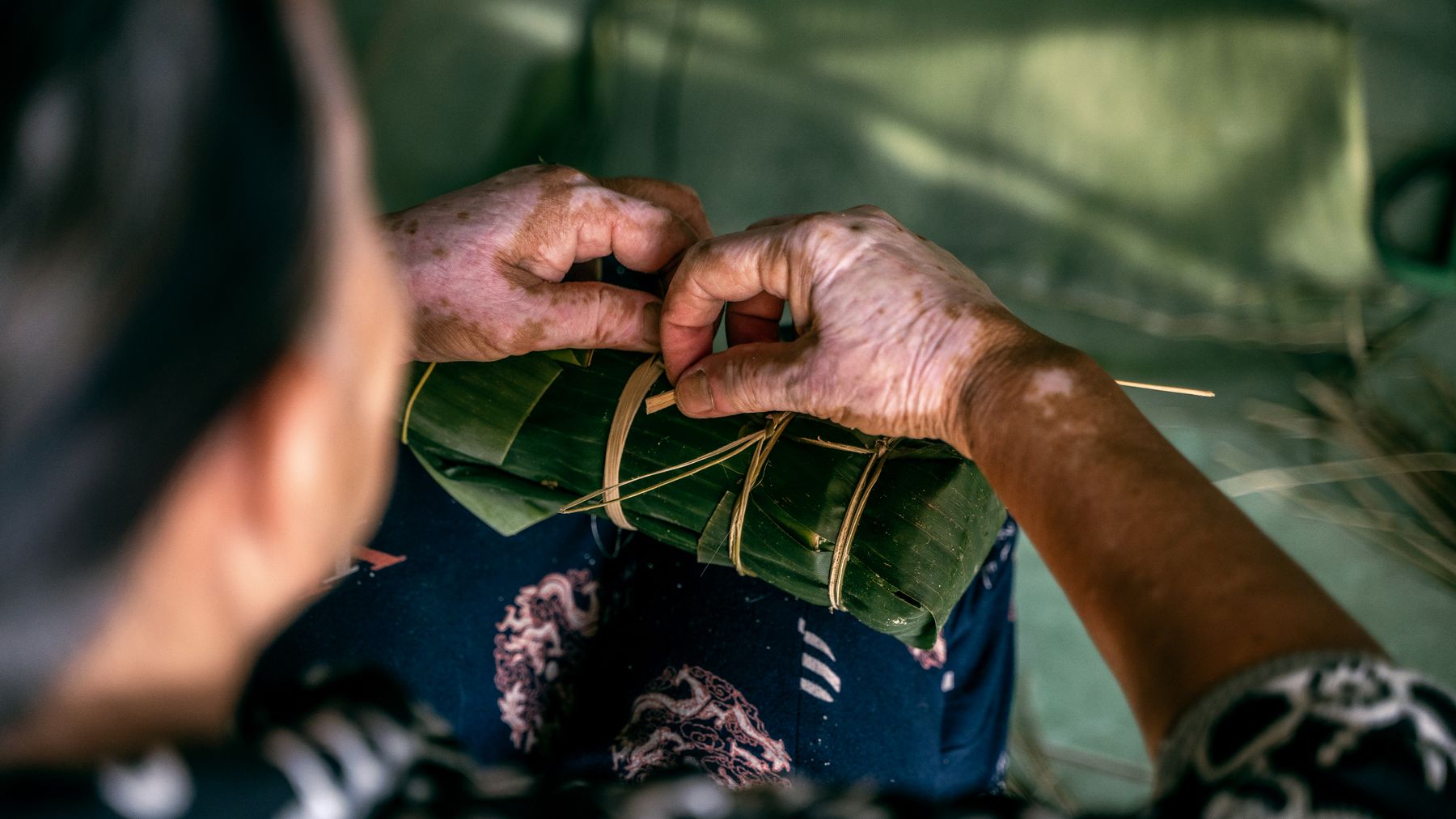
Photo by Vietnam Tri Duong Photographer on Pexels
Plums, Peaches, and the Seasonal Fruit Calendar
Moc Chau's elevation supports stone fruit that doesn't survive lowland heat. The timing matters:
- Late January–February: plum blossoms, the white-and-pink flowering that draws most of the weekend crowds from Hanoi (하노이 / 河内 / ハノイ). Actual plums aren't ready yet.
- May–June: fresh green plums ("man") appear at roadside stalls, sold by the bag for snacking with salt and chili, or made into a tart cold drink.
- July–August: peaches ripen. Small, slightly tart, nothing like the imported variety. A kilo costs 30,000–50,000 VND depending on vendor and season.
Dried plum products (mut man) are sold year-round as souvenirs — the sweet-salty version in small vacuum packs travels well and costs about 25,000–40,000 VND per 100g.
Ethnic-Minority Food Worth Seeking Out
The Tai and H'mong communities around Moc Chau and the wider Son La steppe cook food that doesn't make it into lowland Vietnamese restaurants. A few things to look for:
Pa pinh top is a Tai dish of grilled fish (usually freshwater carp or tilapia) folded in half over a bamboo skewer and cooked slowly over charcoal with herbs stuffed inside — wild ginger, lemongrass, dill, and sometimes chili paste. The result is less about char and more about slow, aromatic steam. It's common at homestays and local restaurants in villages along National Route 6 heading toward Son La city.
Nam prik num — a Tai roasted green chili dip with eggplant and garlic — appears on most tables at homestays as a side condiment. It's mild enough to eat by the spoonful with sticky rice. Not to be confused with the Thai condiment of the same name; the local version is less oily and heavier on garlic.
Xoi ngu sac (five-color sticky rice) is made for festivals and market days by Tai and Nung households using natural plant dyes — gac fruit for red, butterfly pea flower for blue-purple, turmeric for yellow. You'll see it at Cho Moc Chau on weekends and at a handful of restaurants catering to domestic tourists. It tastes like standard sticky rice, but the color presentation matters to the communities that make it.

Photo by Quang Nguyen Vinh on Pexels
Where to Actually Eat
Moc Chau town is small. There's no formal restaurant district, but the area around Cho Moc Chau and along Duong 26/3 and Duong 3/2 has the highest concentration of local spots. Most open from 6am for breakfast (fresh milk, banh mi, and pho-adjacent noodle soups) and close by 9–10pm.
For a full Highland meal — be chao, pa pinh top, com lam, and local vegetables — look for restaurants advertising "am thuc Tay Bac" (Northwest cuisine). Budget 150,000–250,000 VND per person including rice and a bottle of water. The food is better at lunch than dinner, when produce is freshest and kitchens are fully staffed.
Homestays in the Ban Ang and Chieng Di areas usually include dinner in the room rate (around 200,000–300,000 VND per night, meal sometimes included). The food at a good homestay tends to outperform restaurants — smaller batches, fresher herbs, and someone who actually knows the dish.
Practical Notes
Moc Chau is a 4–5 hour drive from Hanoi on National Route 6; buses depart My Dinh station from around 90,000 VND one-way. The plateau gets cold from November through February — below 10°C at night — so dairy products and hot grilled meat are especially welcome in those months. Weekend crowds from Hanoi peak in spring (plum blossom season) and summer (peach season), so if you want quieter markets and less competition for homestay beds, aim for a weekday visit.
Last updated · May 26, 2026 · independently researched, never sponsored.