What it is
Xuan Thuy National Park covers around 7,100 hectares of coastal wetland at the mouth of the Red River's Day estuary, about 150 km southeast of Hanoi. In 1989 it became the first site in Southeast Asia listed under the Ramsar Convention on Wetlands — years before most travelers had heard of Vietnam (베트남 / 越南 / ベトナム) as a destination.
The park protects a patchwork of mangrove forest, tidal mudflats, sandbanks, and casuarina groves. It's not dramatic scenery in the karst-and-cave sense you'll find elsewhere in Ninh Binh (닌빈 / 宁平 / ニンビン). Instead, it's horizontal and slow: wading birds in shallow water, fishing boats threading through channels, and the particular silence of a place where land and sea haven't fully decided their boundary.
Why travelers go
Birding is the main draw. Between November and March, Xuan Thuy hosts tens of thousands of migratory waterbirds — black-faced spoonbills (one of the world's rarest), spotted greenshanks, Nordmann's greenshanks, and Chinese egrets among them. Serious birders come specifically for the spoonbill population, which winters here in globally significant numbers.
But you don't need binoculars to enjoy the place. The mangrove ecosystem is interesting on its own terms: local families harvest clams and cockles from the mudflats, shrimp ponds border the park edges, and the boat rides through narrow mangrove channels feel genuinely remote despite being a few hours from the capital.
It's also just quiet. No tour buses. No souvenir gauntlet. On a weekday you might be the only visitor at the park headquarters.
Best time to visit
November through March for migratory birds — December and January are peak months when species counts are highest and the weather is cool and dry (15-22°C). Early mornings yield the best sightings.
April through June is fine for mangrove scenery and boat trips, but most migratory species have left. July through October brings rain and occasional typhoons; the mudflats flood and access can be difficult.
How to get there
From Hanoi, the most practical route is by car or motorbike via National Highway 21 or the newer coastal expressway toward the Giao Thuy district. Total distance: roughly 150 km, taking 2.5-3 hours depending on traffic out of Hanoi.
By bus: Catch a bus from Giap Bat station to Giao Thuy town (around 80,000-100,000 VND, 3 hours). From Giao Thuy, a "xe om" (motorbike taxi) to the park entrance costs 50,000-80,000 VND for the 15 km ride.
By motorbike: The ride from Hanoi is straightforward on flat delta roads. If you're already in Ninh Binh city, head east — it's about 90 km, roughly 2 hours on provincial roads through rice paddies.
There's no direct tourist shuttle. This isn't a packaged destination.
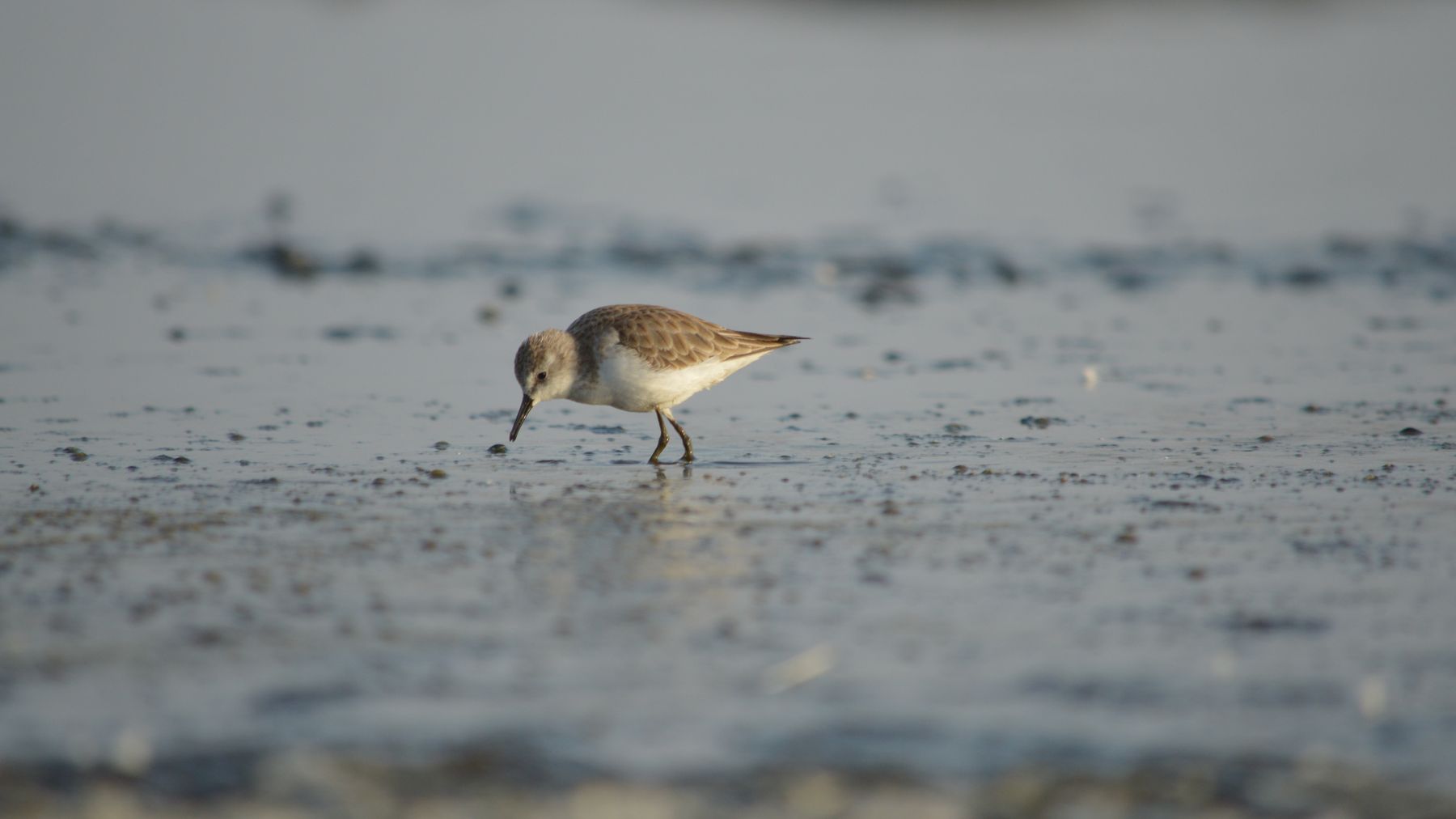
Photo by Tirthesh Astik on Pexels
What to do
1. Boat trip through the mangroves
The park arranges motorized boats from the main jetty. A standard circuit takes 1.5-2 hours and costs around 500,000-800,000 VND per boat (fits 4-6 people). You'll wind through dense mangrove corridors, past oyster beds, and into open mudflat areas where birds concentrate. Mornings before 8 AM are ideal.
2. Birding from the observation points
The park has several raised hides and observation platforms along the dike system. Bring your own binoculars — rental isn't reliably available. The southern mudflats near Con Lu sandbank are the primary spoonbill territory. A local guide (arranged through the park office, around 300,000 VND/half day) knows exactly where species are feeding on any given morning.
3. Cycling the dike roads
The flat-top dikes that border the park's inland edge make for easy, scenic cycling. You can rent a basic bike in Giao Thuy town for 50,000-100,000 VND/day, or ride your own. The loop along the outer dike gives views over shrimp ponds on one side and mangrove canopy on the other — about 20 km total.
4. Visit the clam harvesting areas
In the early morning (5-7 AM), local families wade into the tidal flats to harvest "ngao" (clams) by hand. It's not a tourist performance — it's just daily work happening at the park's edges. Respectful observation from the dike is fine; don't walk onto the flats without a local guide, as the mud can be treacherous.
5. Con Lu sandbank
Accessible only by boat at low tide, this shifting sandbar at the river mouth is where many bird species roost. Your boat driver will know the tidal timing. It's exposed and windswept — bring a hat and sunscreen even in winter.
Where to eat nearby
Giao Thuy town has basic "com binh dan" (everyday rice shops) and a few seafood places. The local specialties worth ordering:
- Ngao hap sa" (steamed clams with lemongrass): The clams here are harvested from the same estuary you've just boated through. Fresh, sweet, and cheap — around 60,000-80,000 VND per plate.
- Goi ca" (raw fish salad): A Red River Delta specialty using freshwater fish cured in lime juice with herbs, peanuts, and rice paper. Look for it at the small restaurants along the road between Giao Thuy and the park.
Where to stay
Accommodation options are limited:
- Giao Thuy town: A handful of "nha nghi" (guesthouses) in the 200,000-400,000 VND range. Basic but clean. Don't expect English-speaking staff.
- Homestays near the park: A few families offer rooms; ask at the park headquarters for current contacts. Expect 300,000-500,000 VND including dinner.
- Day trip from Ninh Binh city or Hanoi: Most visitors treat this as a long day trip rather than an overnight, which works if you leave early.
Photo by Quang Nguyen Vinh on Pexels
Practical tips locals would tell you
- Check tide tables before booking a boat. Low tide exposes the mudflats where birds feed; high tide pushes them elsewhere. The park office can advise.
- Bring mosquito repellent. The mangroves breed them generously, especially in warmer months.
- A telephoto lens (300mm+) is essential for meaningful bird photography. Phone cameras won't cut it here.
- The park entrance fee is nominal — around 20,000-40,000 VND per person.
- Mobile signal is patchy once you're on the water. Download offline maps beforehand.
Common mistakes to avoid
- Arriving midday: Birds are active at dawn and dusk. Showing up at noon means empty mudflats and harsh light.
- Skipping the guide: The park is large and flat — without local knowledge, you'll waste time in unproductive areas. The guide fee is modest and makes a real difference.
- Expecting Ninh Binh-style scenery: This isn't Tam Coc or Trang An. If you want karsts and temples, go there instead. Xuan Thuy rewards patience and quiet attention, not Instagram poses.
- Wearing sandals on the mudflats: Bring shoes you don't mind getting muddy. The tidal mud is ankle-deep in places.
Practical notes
Xuan Thuy works best as a deliberate side trip for nature-focused travelers, not a casual add-on to a packed Ninh Binh itinerary. Give it a full morning at minimum — ideally an early start with a boat trip and a dike walk. Pair it with a night in Ninh Binh city if you want to combine wetlands with the karst landscapes the province is better known for.
Last updated · May 29, 2026 · independently researched, never sponsored.