Xuong Giang Citadel sits about 50 km northeast of Hanoi in what used to be Bac Giang province (now administratively merged into Bac Ninh). It's a national monument that most foreign visitors have never heard of, which is precisely why it's worth the detour if you're interested in Vietnamese history beyond the usual circuit.
What it is and why it matters
Xuong Giang — "Thanh co Xuong Giang" in Vietnamese — was a major military stronghold during the 15th century. The citadel played a decisive role in the Lam Son uprising against Ming Dynasty occupation. In 1427, Vietnamese forces led by Le Loi besieged and captured the fortress, effectively ending twenty years of Chinese rule. That battle is considered one of the most significant military victories in Vietnamese history.
What remains today is an archaeological site spread across several hectares near the Thuong River. You won't find towering walls or restored parapets — this isn't the [Imperial Citadel](/posts/imperial-citadel-thang-long-hanoi (하노이 / 河内 / ハノイ)-history) Thang Long. Instead, you'll see excavated foundations, earthen ramparts, moats that have softened into shallow channels, and a small exhibition area with artifacts pulled from the ground: ceramics, weapons, bricks stamped with Chinese characters. The site was excavated in the early 2000s and designated a Special National Monument.
It's the kind of place that rewards you for reading the plaques and letting the landscape do the talking.
Why travelers go
Most visitors are Vietnamese history buffs or students on school trips. Foreign travelers who make it here tend to be the type who've already done Hanoi, Ninh Binh (닌빈 / 宁平 / ニンビン), and Ha Long Bay and want something off the well-worn path. The appeal is straightforward: a genuinely important historical site with no crowds, no ticket queues, and a quiet rural atmosphere that feels a world away from Hanoi's chaos despite being less than an hour out.
It also pairs well with a day exploring broader Bac Ninh province — known for "quan ho" folk singing traditions, ancient pagodas, and some of the best "banh cuon" you'll eat anywhere in the north.
Best time to visit
October through March gives you cooler, drier weather — ideal for walking an open archaeological site with limited shade. The sweet spot is November to January, when temperatures hover around 18-22°C and rain is rare.
Avoid June through August if you can. The heat is oppressive (35°C+), the site offers little cover, and afternoon downpours turn the earthen paths muddy. If you're visiting during Tet season (late January or early February), you might catch local festival activity in surrounding villages, but expect some facilities to be closed.
How to get there from Hanoi
The citadel is located in Xuong Giang ward, near the center of the former Bac Giang city area.
By motorbike or car
The most practical option. Take National Highway 1A northeast from Hanoi through Bac Ninh city, then continue on to the Bac Giang area. The drive is roughly 50-55 km and takes about 1 hour 15 minutes without heavy traffic. Grab a Grab car from central Hanoi and expect to pay around 350,000-450,000 VND one way. If you're renting a motorbike, fuel will cost you next to nothing.
By bus
Local buses run from Hanoi's My Dinh or Gia Lam bus stations to Bac Giang bus station. Tickets cost 40,000-60,000 VND and the ride takes about 1.5-2 hours depending on stops. From Bac Giang bus station, the citadel site is roughly 3 km — a short xe om (motorbike taxi) ride for 15,000-20,000 VND, or you can grab a local taxi.

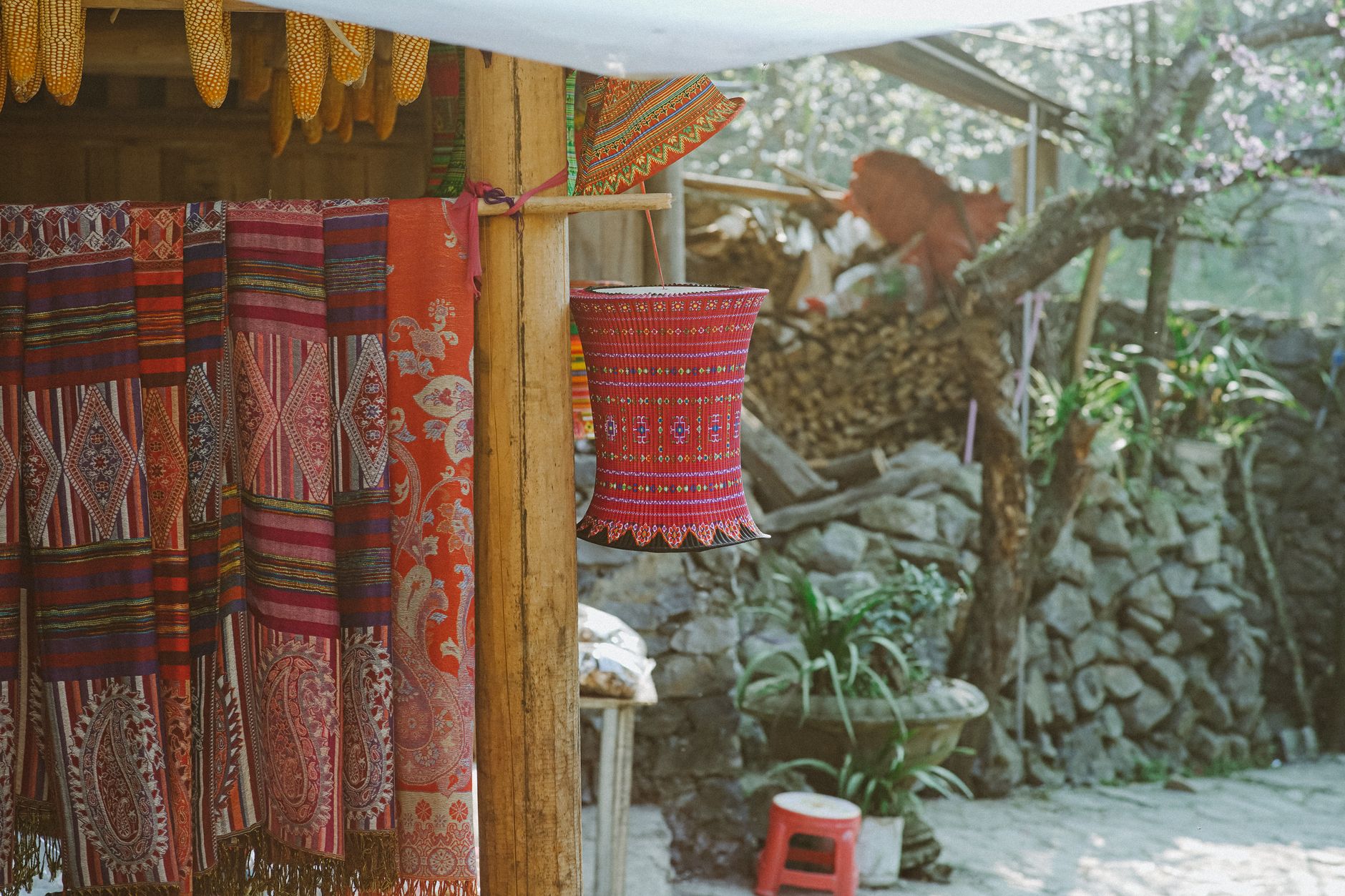
Photo by Menderes Kahraman on Pexels
What to do at and around the site
Walk the citadel grounds
Give yourself at least 45 minutes to an hour. The excavated areas include foundation outlines of the fortress walls, remnants of the gate system, and the moat traces. Interpretive signs are mostly in Vietnamese, so having Google Translate's camera function ready on your phone helps.
Visit the exhibition area
A small on-site display houses artifacts from the excavation — pottery shards, iron weapons, architectural fragments. It's modest but gives context to what you're walking over. Entry is free.
Explore the Thuong River bank
The citadel's strategic position along the Thuong River makes sense once you walk toward the water. The riverbank area is pleasant for a stroll, and you'll see local life — fishing boats, small farms, kids on bicycles — that you won't find in any guidebook.
Day-trip to Bac Ninh city
On your way back toward Hanoi, stop in Bac Ninh city proper. The province is the heartland of "quan ho" folk singing, a UNESCO-recognized tradition. Visit But Thap Pagoda or Dau Pagoda, both centuries-old and architecturally striking. Bac Ninh is compact enough that you can cover the highlights in an afternoon.
Combine with a village craft visit
Dong Ho village, famous for its traditional woodblock prints — "Dong Ho Painting" — is in Bac Ninh province and can be worked into the same day trip. It's about 30 km from the citadel. Watching artisans hand-press prints using carved wooden blocks and natural dyes is one of the more genuine craft experiences in the north.
Where to eat nearby
Bac Ninh province is not a flashy food destination, but two things are worth seeking out.
Banh cuon Bac Ninh — The province's version of steamed rice rolls is thinner and more delicate than what you'll get in Hanoi, often stuffed with minced pork and wood ear mushroom, served with "cha gio" (fried spring rolls) on the side and a lighter dipping sauce. Look for small shopfront places in Bac Giang town or along the main road.
Bun thang — While more associated with Hanoi, the broth-heavy noodle soup shows up in Bac Ninh eateries with a slightly different character. Worth trying if you spot it on a handwritten menu.
For a meal near the citadel itself, options are limited to small local "com binh dan" (everyday rice) shops. Expect to pay 30,000-50,000 VND for a filling plate.
Where to stay
Most travelers visit Xuong Giang as a day trip from Hanoi, which makes sense given the proximity. If you want to stay overnight in the area:
- Budget: Local guesthouses ("nha nghi") in Bac Giang town run 200,000-350,000 VND per night. Basic but clean enough.
- Mid-range: A few newer hotels near the Bac Giang city center offer rooms with air conditioning and Wi-Fi for 400,000-700,000 VND.
- Comfortable: For something nicer, stay in Bac Ninh city where you'll find 3-star options around 800,000-1,200,000 VND per night.

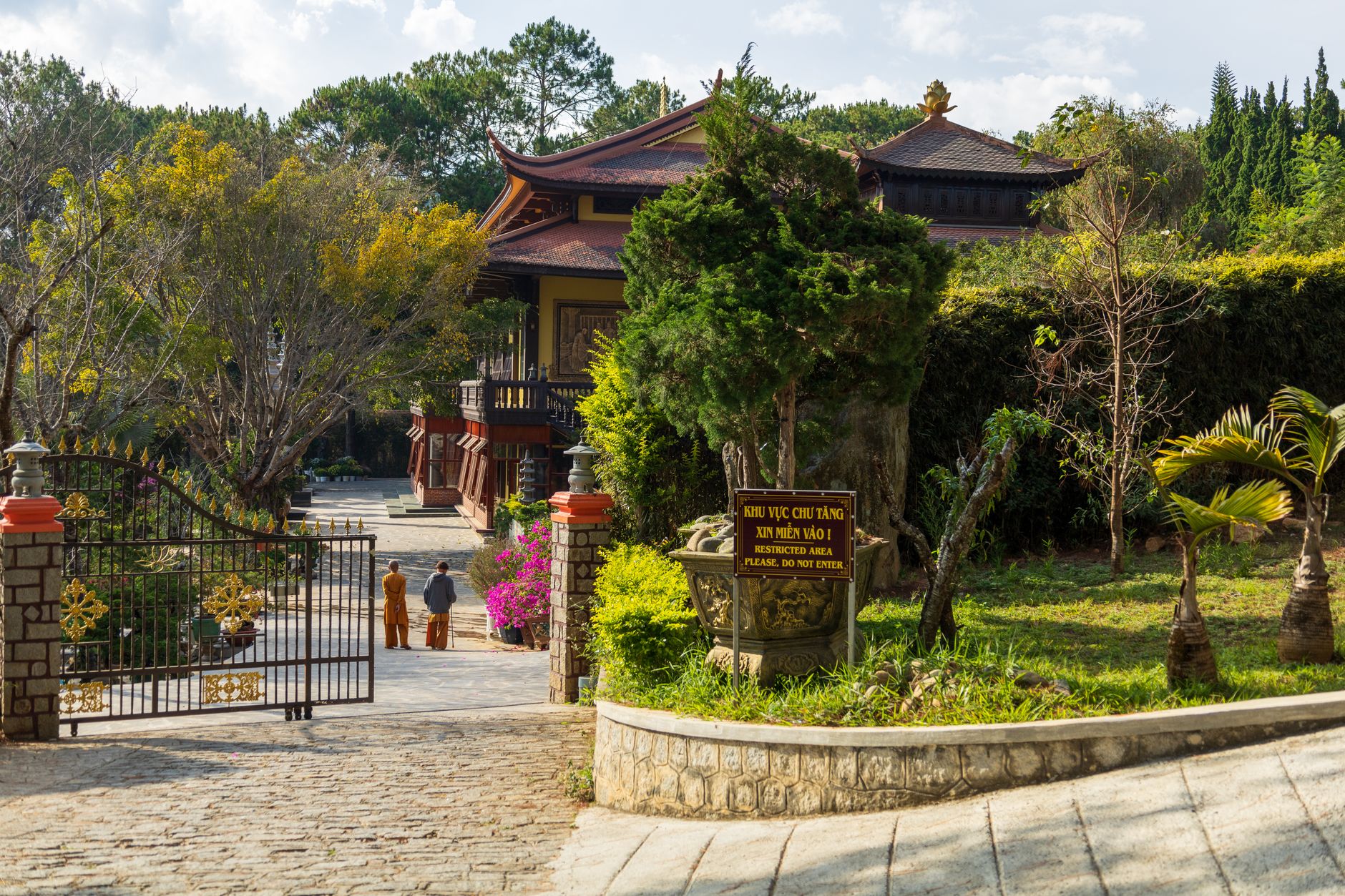
Photo by Talha Aytan on Pexels
Practical tips locals would tell you
- Bring water and a hat. The site has no drink vendors or shade structures. This isn't negotiable in summer.
- Download offline maps. Google Maps has the citadel pinned, but cell signal can be spotty in the immediate area.
- Go early morning. The light is better for photos, and you'll beat any school groups that arrive mid-morning.
- Carry cash. There are no ATMs at the site. The nearest ones are back in Bac Giang town center.
Common mistakes to avoid
- Expecting a restored fortress. This is an archaeological site, not a rebuilt monument. If you go in expecting the Imperial Citadel Thang Long, you'll be disappointed. Adjust expectations and you'll appreciate it for what it is.
- Not reading up beforehand. The on-site signage is limited and mostly Vietnamese. Spend 15 minutes reading about the 1427 siege before you go — it transforms the visit from "looking at dirt mounds" to standing where history actually happened.
- Skipping Bac Ninh on the return. The citadel alone doesn't justify the trip for most people. Combining it with Bac Ninh's pagodas, "quan ho" culture, or Dong Ho village makes for a full, satisfying day.
Practical notes
Xuong Giang Citadel is free to enter and open during daylight hours. There's no formal ticket office or visitor center. Budget a half day including transit from Hanoi, or a full day if you fold in Bac Ninh province stops. It's an easy addition if you're already heading northeast toward Ha Long Bay or Lang Son.
Last updated · May 29, 2026 · independently researched, never sponsored.