Location and Basics
Yok Don National Park sits in Kron Na commune, Buon Don District, Dak Lak Province, about 40 km west of Buon Ma Thuot city. Established in 1991, the park spans 1,155.45 square kilometers of protected forest, with an additional 1,138.9 sq km buffer zone. Its western boundary borders Cambodia's Mondulkiri Protected Forest, forming one of Southeast Asia's largest cross-border conservation areas.
The park headquarters is in Buon Don town, where you pay the entrance fee (around 40,000 VND per person as of 2024) and arrange guides. A small visitor center near the gate has maps and basic exhibits on the park's ecology. Don't expect a slick national-park experience — this is a working conservation station first, a tourist site second. That's part of the appeal.
Quick Reference
- Full name: Vuon Quoc Gia Yok Don
- Province: Dak Lak, Central Highlands (중부 고원 / 中部高原 / 中部高原)
- Area: 1,155.45 sq km core zone + 1,138.9 sq km buffer
- Distance from Buon Ma Thuot: ~40 km west (1.5–2 hours by road)
- Entrance fee: ~40,000 VND per person
- Guide fee: 300,000–500,000 VND per day depending on group size and route
- Best season: November–April (dry season)
- Avoid: May–October rains make trails muddy and river crossings tricky
- Key wildlife: Indochinese tiger, Indochinese leopard, Indian elephant, gaur
- Nearest airport: Buon Ma Thuot (BMV), with daily flights from Hanoi and Ho Chi Minh City
- Accommodation: Basic guesthouses in Buon Don town; homestays with Ede and M'Nong communities
Forest Types and Flora
The park's vegetation is a mix of three distinct forest types. The dominant landscape is "khop" lowland dry deciduous forest — trees that shed leaves seasonally to conserve water. Dipterocarps, large resinous hardwoods, are common here. If you visit in February or March, the forest floor is covered in brittle brown leaves and the canopy opens up, giving long sight lines that actually help with wildlife spotting.
Semi-evergreen (mixed deciduous) forests form a transition zone with both leaf-shedding and evergreen species. In river valleys and sheltered areas, true evergreen forest thrives where moisture is consistent. The Serepok River, which cuts through the park, supports dense gallery forest along its banks — a different world from the open dipterocarp woodland just a few hundred meters away.
Altogether, the park harbors 474 vascular plant species, making it one of Vietnam (베트남 / 越南 / ベトナム)'s most botanically diverse forests. Bamboo groves are thick in the understory of the semi-evergreen zones, and you'll see wild banana and several species of fern along stream beds. Guides can point out trees traditionally used by Ede and M'Nong communities for medicine, resin tapping, and construction.

Image by Do Tuan Hung via Wikimedia Commons (CC BY-SA)
Wildlife and Conservation Status
Yok Don is a critical refuge for Southeast Asia's endangered megafauna. The park is home to Indochinese tigers (Panthera tigris corbetti), Indochinese leopards (Panthera pardus delacouri), Indian elephants (Elephas maximus indicus), and gaur (Bos gaurus). Beyond these flagship species, the park shelters primates, deer, wild boar, and extensive birdlife, reptiles, and amphibians.
Birders should know that Yok Don has recorded over 300 bird species, including several woodpecker species, hornbills, and green peafowl — one of the rarest gamebirds in mainland Southeast Asia. Early morning treks (starting around 5:30 AM) along the Serepok River corridor are the most productive for birding. A decent pair of binoculars and a field guide to the birds of mainland Southeast Asia are worth their weight.
Conservation is ongoing but urgent: all four large mammal populations have declined significantly. Poaching, habitat loss, and human-wildlife conflict remain serious threats. Research and monitoring programs track population dynamics to guide management efforts. International organizations collaborate with Vietnamese authorities to strengthen protection. Camera-trap surveys in recent years have confirmed the continued presence of leopards and elephants, though tiger sightings have become exceedingly rare.
Ethical Wildlife Tourism
Yok Don made national and international news when it became the first place in Vietnam to transition from elephant riding to an ethical elephant interaction model. The park's "elephant-friendly" program, developed with support from conservation NGOs, lets visitors walk alongside semi-wild elephants as they forage in the forest — no saddles, no chains, no circus tricks.
A half-day elephant walk typically costs around 1,200,000–1,500,000 VND per person and runs in the morning when the elephants are most active. Group sizes are kept small (usually 4–6 visitors per elephant). You walk at the elephant's pace, which means a lot of standing around watching them strip bark off trees and wade into streams. It's slow, quiet, and far more honest than the riding operations that still exist elsewhere in the region.
If you're coming to Vietnam specifically for wildlife experiences, Yok Don pairs well with a visit to Da Lat for montane birding or the coast at Phu Quoc for marine habitats — completely different ecosystems, but together they give a real cross-section of what Vietnam's biodiversity looks like.
When to Visit and What to Do
The dry season (November–April) offers the best trekking conditions and higher chances of spotting wildlife when animals concentrate around water sources. January and February are the driest months; trails are firm, river levels are low, and the open dipterocarp forest is easy to walk through. Temperatures hover around 25–30°C during the day but can drop to 15°C at night — bring a light jacket.
Activities include forest trekking along marked trails, bird watching (bring binoculars), and wildlife observation — though sightings of endangered species require patience and luck. The most popular trek is the half-day loop from the park headquarters along the Serepok River, roughly 8–10 km. For a deeper experience, multi-day treks (2–3 days) penetrate further into the core zone, with overnight camping in basic shelters.
The park remains less developed for tourism than some other Vietnamese national parks. Visitor facilities are basic; hiring a local guide is essential for navigation, wildlife knowledge, and cultural context. Guide fees run 300,000–500,000 VND per day. Plan 1–3 days depending on fitness and interest. Two days feels right for most visitors — one day for trekking and birding, one day for the elephant walk and a visit to a nearby Ede village.

Image by Do Tuan Hung via Wikimedia Commons (CC BY-SA)
Local Communities
The Ede and M'Nong ethnic minority groups live around the park. Their traditional knowledge of the forest is central to conservation efforts, and some communities offer ecotourism experiences — homestays, craft demonstrations, and guided walks. Supporting community tourism directly benefits local livelihoods and builds appreciation for forest protection among visitors.
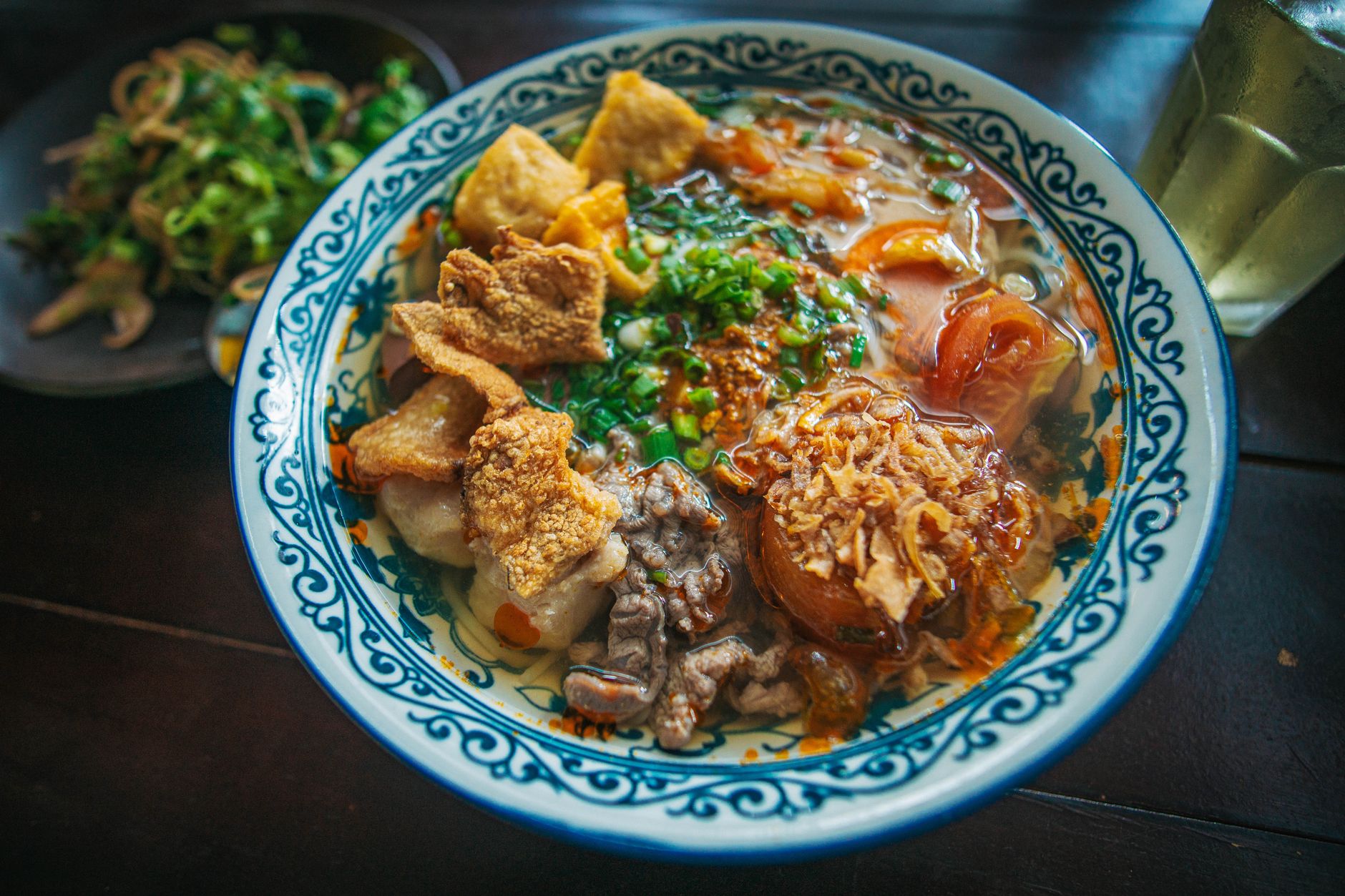
Homestays in Buon Don typically cost 150,000–250,000 VND per night. Expect a mattress on the floor of a traditional longhouse, shared meals of rice, grilled meat, forest greens, and "ruou can" (rice wine sipped through bamboo straws from a communal jar). Dinner is the social highlight — hosts often share stories about elephant-catching traditions that their families practiced for generations before the conservation shift.
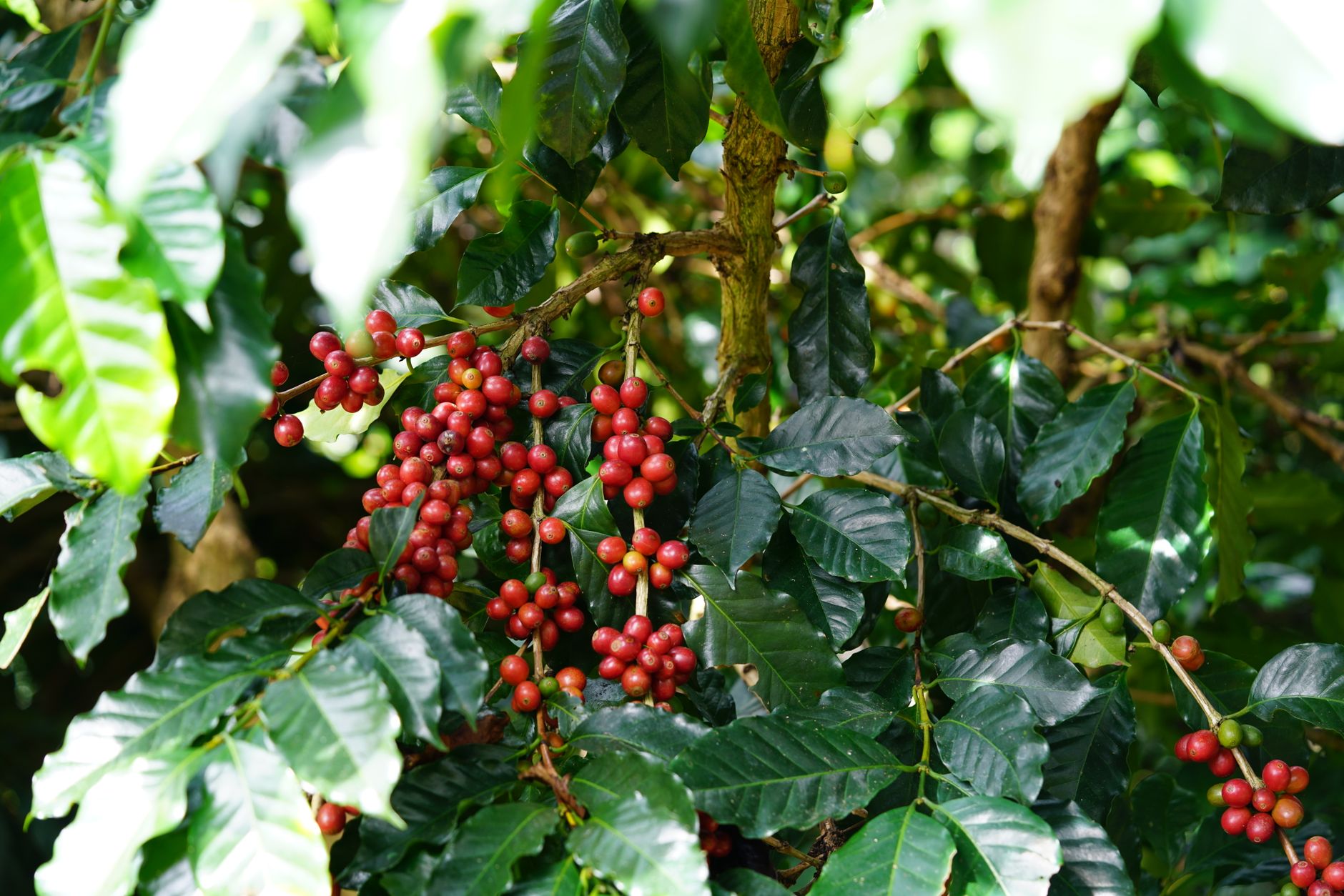
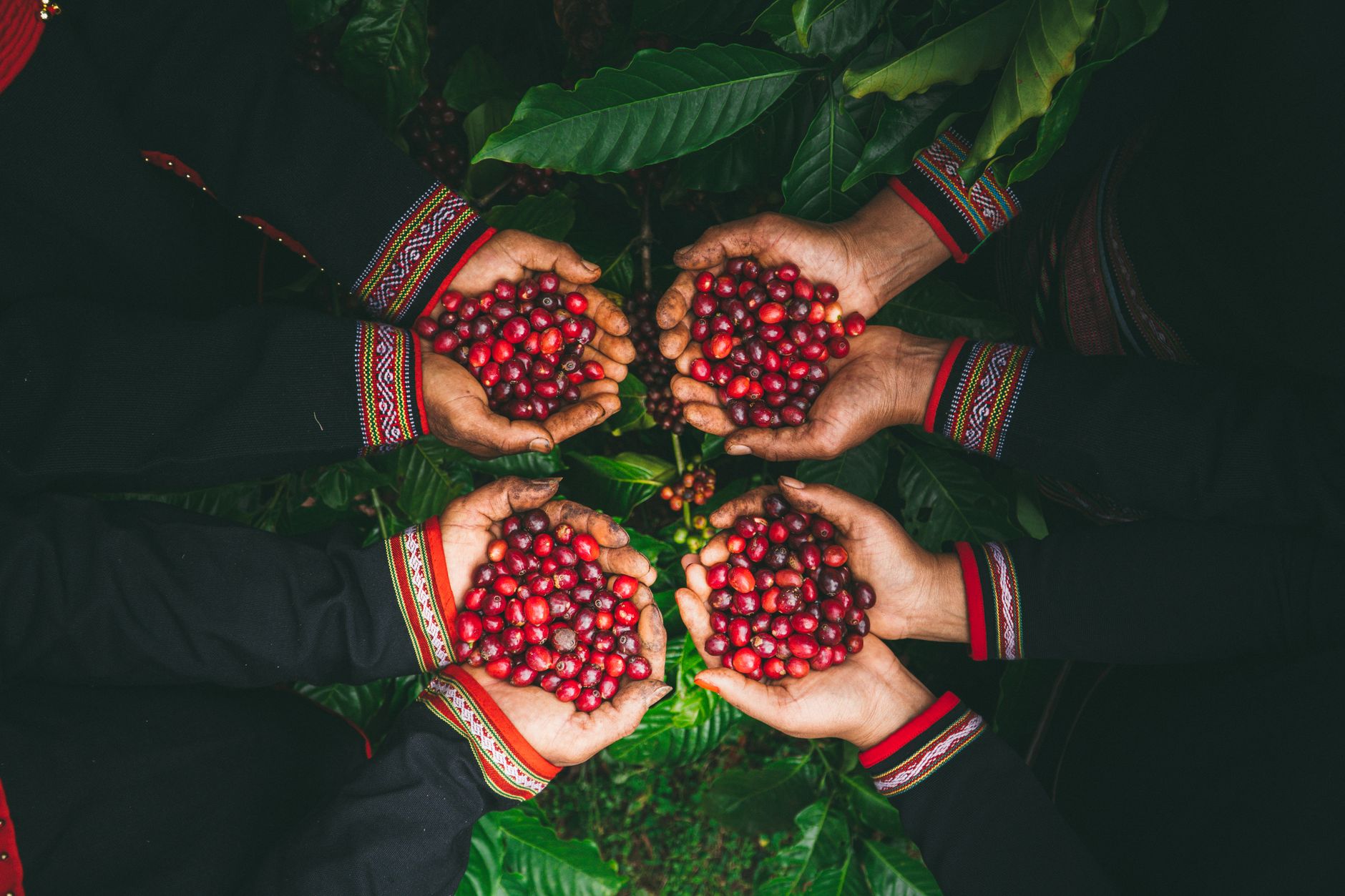
If you're interested in Central Highlands culture beyond Yok Don, Buon Ma Thuot is the coffee capital of Vietnam and worth a day on its own. The city's cafes serve some of the best "ca phe" in the country — robusta grown on red basalt soil at around 500 meters elevation. Try a drip-filter black coffee at a local spot before or after your park visit.
Common Mistakes
- Expecting safari-level infrastructure. Yok Don is not Kruger. There are no elevated hides, no night-drive vehicles, no gift shop. Facilities are basic. That's the trade-off for visiting a park that hasn't been over-commercialized.
- Skipping the guide. Some travelers try to self-navigate to save money. The trails are poorly marked, phone signal is nonexistent in the core zone, and you'll miss 90% of the wildlife signs that a trained guide spots instantly.
- Packing too light on water. The dry season is genuinely hot. Carry at least 2–3 liters per person for a half-day trek. There's no reliable water source on most trails.
- Booking elephant-riding tours by mistake. Some tour operators in Buon Ma Thuot still advertise elephant riding at other locations in Buon Don district. If ethical interaction matters to you, confirm in advance that you're booking the observation-and-walking program at Yok Don, not a riding operation elsewhere.
- Arriving in the wet season without preparation. May through October brings heavy rain. Trails flood, leeches are everywhere, and some routes close entirely. It's not impossible to visit, but you need proper gear — waterproof boots, rain layers, and a flexible schedule.
- Rushing through in a half day. Yok Don rewards slow time. A quick morning drive-by misses the early-morning birding, the evening forest sounds, and the community interaction that makes this place memorable.
Getting There
Reach Yok Don via Buon Ma Thuot, which has domestic flights from Hanoi and Ho Chi Minh City. Vietnam Airlines and VietJet operate daily routes; expect to pay 800,000–1,500,000 VND one way depending on how far ahead you book. Buon Ma Thuot's airport (Phung Duc, code BMV) is about 10 km east of the city center — a taxi into town runs around 100,000 VND.
From the city, hire a motorbike taxi or arrange transport through a local tour operator (roughly 1.5–2 hours by road). The route follows National Road 14 northwest, then branches west on Provincial Road 1. Most visitors book through Dak Lak tourism offices or ecotourism agencies in Buon Ma Thuot. You can also rent a motorbike in the city (100,000–150,000 VND per day) and ride out yourself — the road is paved and in decent condition, though signage thins out past Buon Don town.
If you're traveling overland, Buon Ma Thuot connects by long-distance bus to Da Nang (roughly 12 hours), Hoi An (13 hours via Da Nang), and Da Lat (around 4–5 hours). The Central Highlands bus network is functional but slow — night buses with sleeper berths are the standard.
Frequently Asked Questions
How far is Yok Don National Park from the nearest city?
Yok Don National Park is about 40 km west of Buon Ma Thuot city in Dak Lak Province, taking roughly 1.5 to 2 hours by road. The nearest airport is Buon Ma Thuot (BMV), which has daily flights from Hanoi and Ho Chi Minh City. From the airport, you travel to the park headquarters in Buon Don town, where you pay the entrance fee and arrange guides.
What does it cost to enter Yok Don National Park?
The entrance fee is around 40,000 VND per person as of 2024. On top of that, guides cost 300,000 to 500,000 VND per day depending on group size and route. Accommodation options are basic guesthouses in Buon Don town or homestays with Ede and M'Nong communities. The park headquarters is the place to pay fees, collect maps from the visitor center, and organize your visit.
When is the best time to visit Yok Don National Park?
The dry season, November through April, is the best time to visit. Trails are passable and river crossings are manageable. Visiting in February or March has an added advantage: the dry deciduous trees shed their leaves, opening up the canopy and improving sight lines for wildlife spotting. Avoid May through October, when rains make trails muddy and river crossings difficult.
Bottom Line
Yok Don is not the easiest national park to reach in Vietnam, and it won't hand you a polished wildlife spectacle. What it offers instead is real forest, real conservation work, and one of the few genuinely ethical elephant programs in Southeast Asia. Come with patience, a good pair of walking shoes, and at least two days to spare — the Central Highlands rewards travelers who slow down.
Last updated · May 21, 2026 · independently researched, never sponsored.